The Longest Adventure Yet
- On December 27, 2025
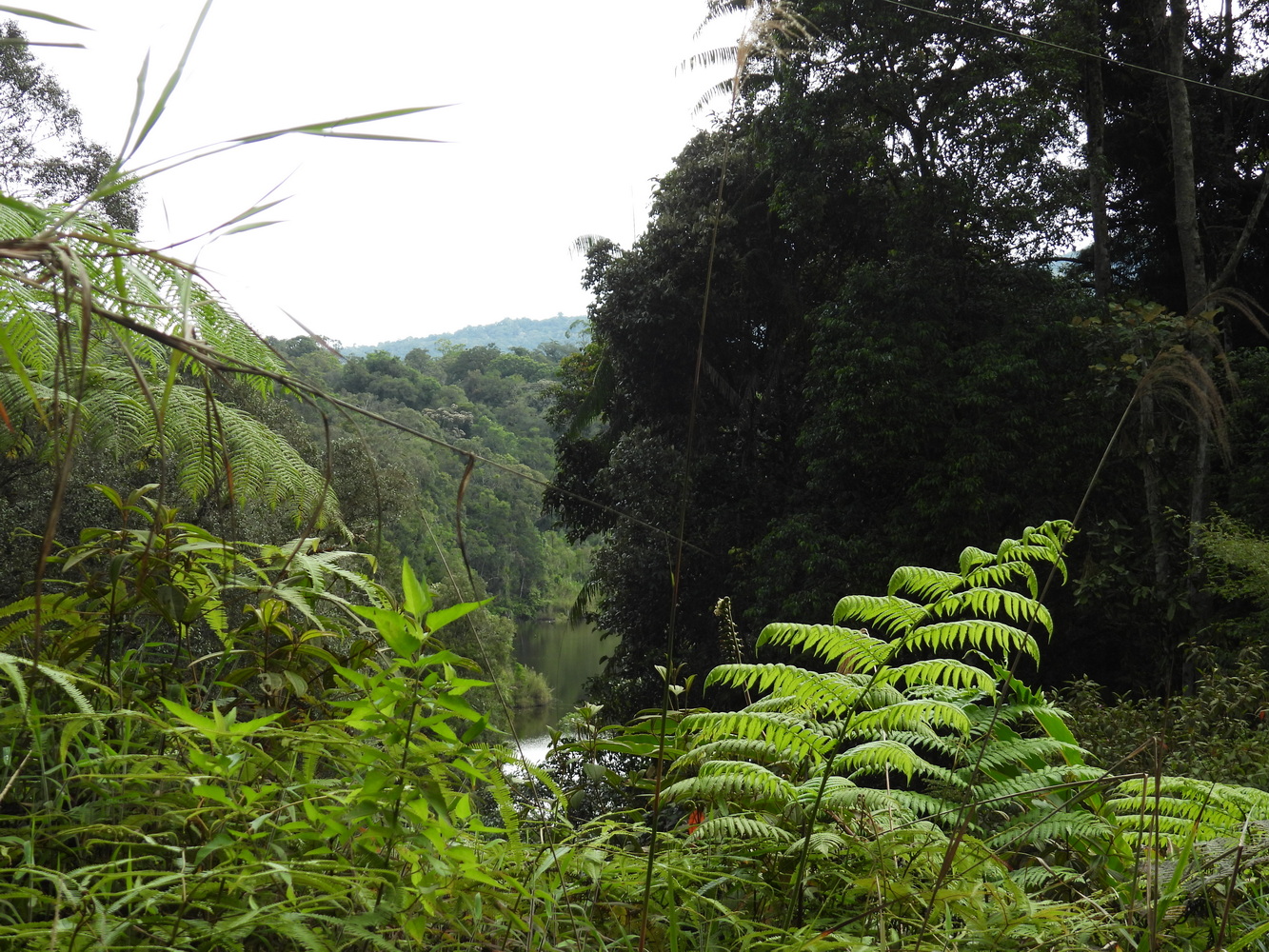
We traveled to Papua New Guinea in 2012, and there were places and birds on that island we didn’t get to visit. So we decided to return, but this time to the other side of the island, the province of West Papua in the country of Indonesia. It’s a long and complicated journey to get there, so we decided to add some other nearby destinations. By the time we finalized the trip, it had turned into the longest one we’ve ever taken!
We left Dallas-Fort Worth International Airport on July 8th and we touched down again at DFW on September 1st! The interesting thing was that since we were visiting so many different places, and having such great experiences, we didn’t really ever wish we’d come home sooner. (We could have used a few more relaxing days in the middle, but that’s another story.)
Over the entire trip, we saw 510 species of birds. And of these, 266 were lifers (ones we’d never seen before)! It was wonderful!
About Indonesia
Indonesia is the largest country consisting only of islands. There are a total of 17,508 islands, of which about 6,000 are inhabited. The five largest islands are Sumatra, Java, Borneo, Sulawesi, and New Guinea. The map below shows the islands we visited during this trip as well as the ones we’ve visited previously.
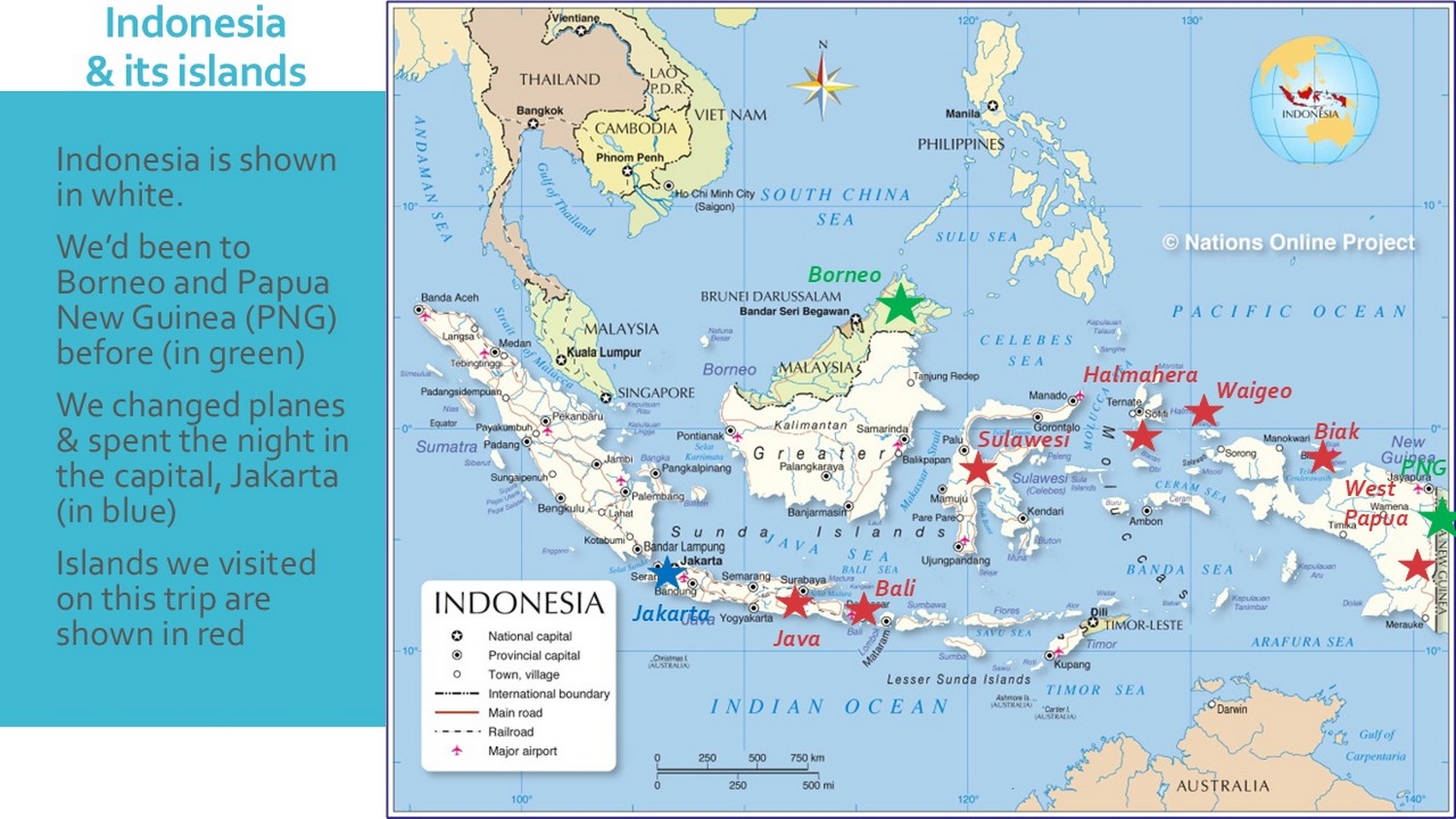
Indonesia is the fourth most populous country in the world, after India, China and the US . Jakarta, the capital, has a 2025 population of approximately 11.6 million people (compared to New York City at 7.9 million).
Indonesia is an extremely diverse country. There are more than 1,300 recognized ethnic groups in Indonesia. The main religion is Islam; almost 90% of Indonesians are Muslims. However, Hindu, Christianity and animist religions are very prevalent among residents of specific islands. There are over 700 indigenous languages spoken here. When Indonesia gained its independence from The Netherlands in 1948, they created a new language, Bahasa Indonesia, that is taught in schools and spoken everywhere. Most people know Bahasa and at least one indigenous language; people involved with tourism are also often fluent in English.
Since this was such a long trip, we’ve broken down these stories into three parts. For each part, we’ll describe something about the places, people and experiences. Then we’ll share pictures of some of the amazing birds we saw. Unless noted, these photos were shot by Karen (or with Karen’s phone).
Part 1: The “Easy West Papua” Tour
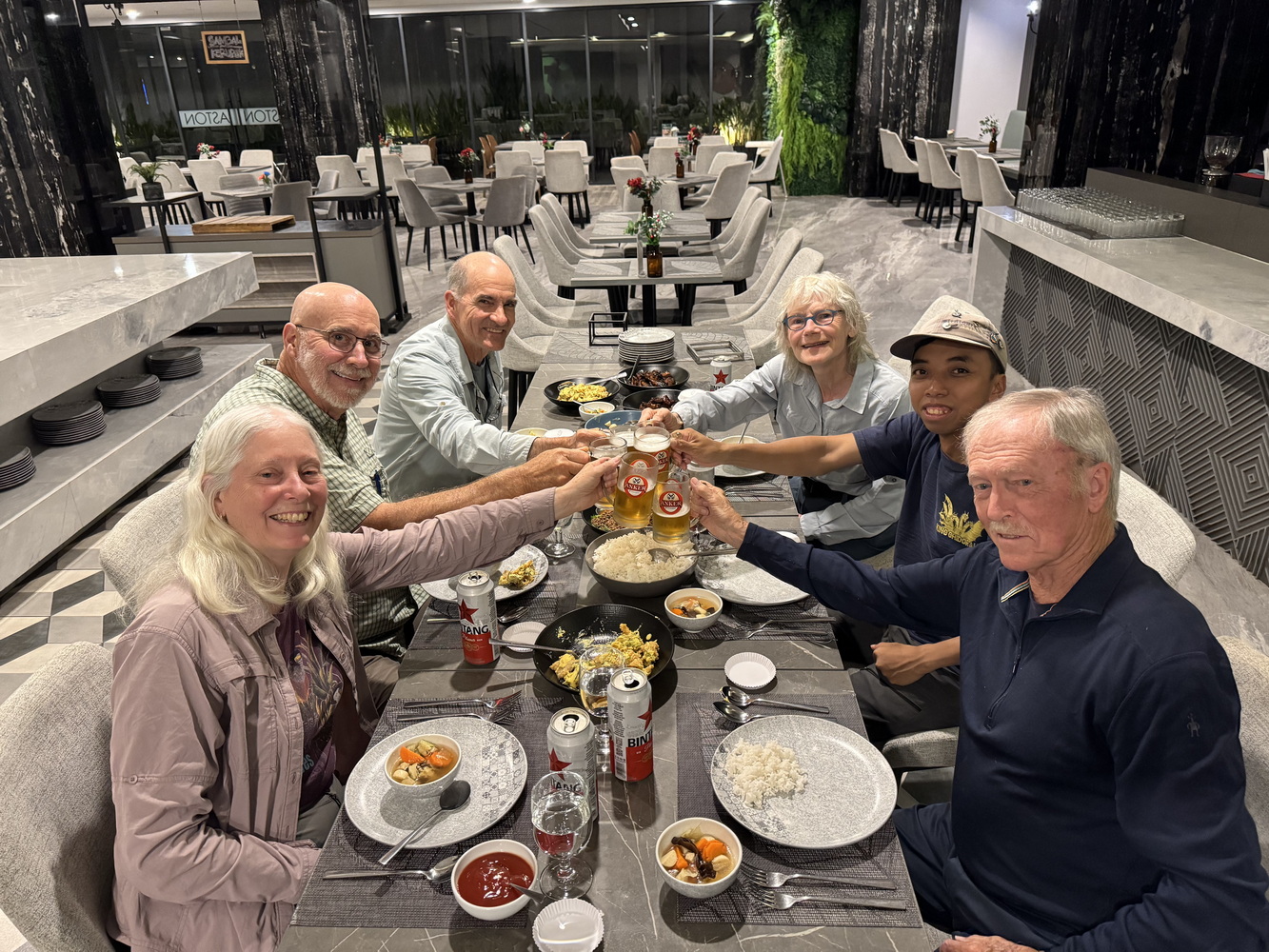
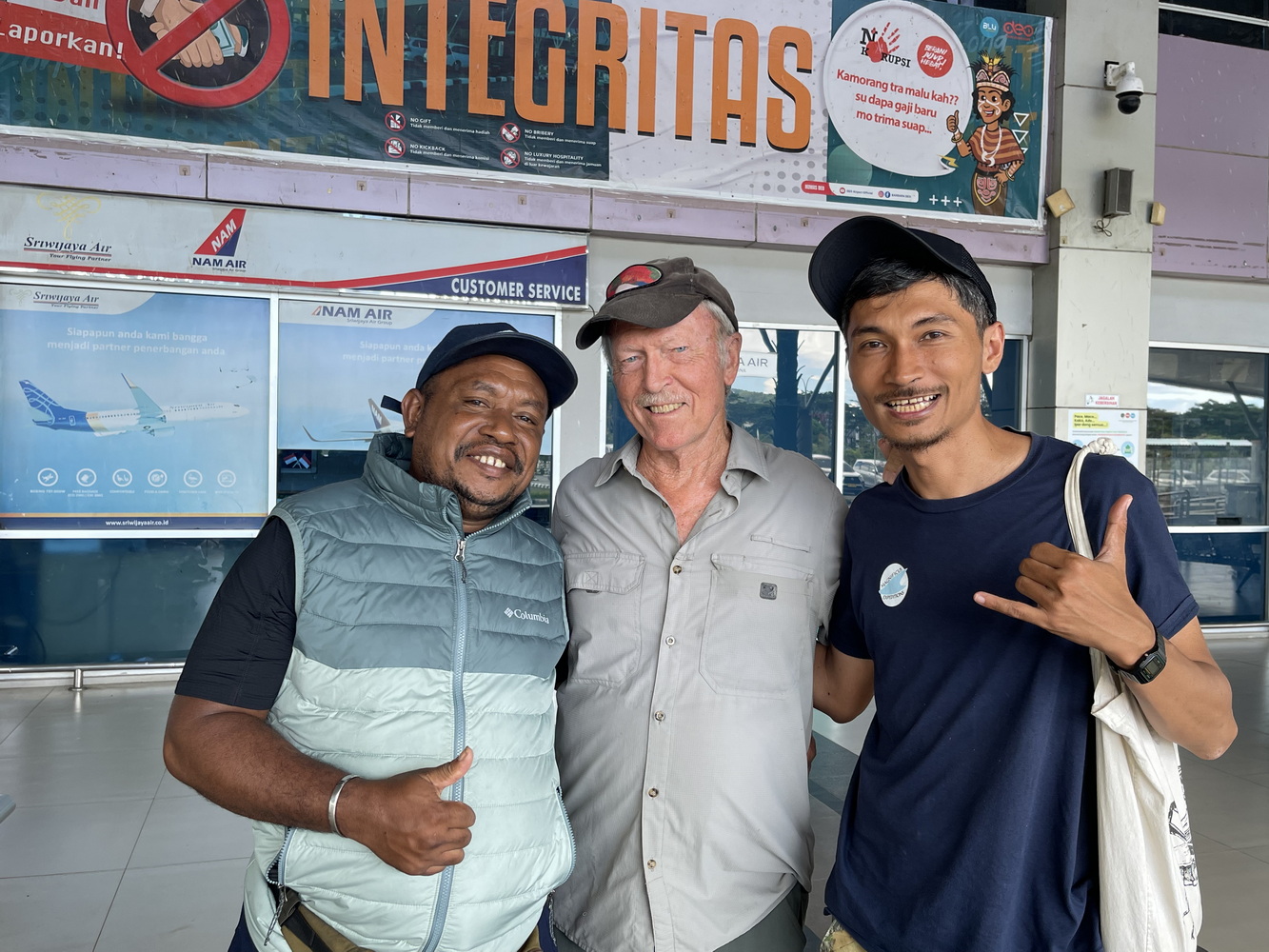
The first part of our trip was a tour we arranged through Birdtour Asia. We had three companions –Alice and Wayne Whitmire, and Bob Tallyn. We’d traveled with all of them before and it was great fun to be together again. Our guide, Boas Emmanual, was excellent! Even though it was called the ‘easy’ version, it was still a fairly strenuous trip.
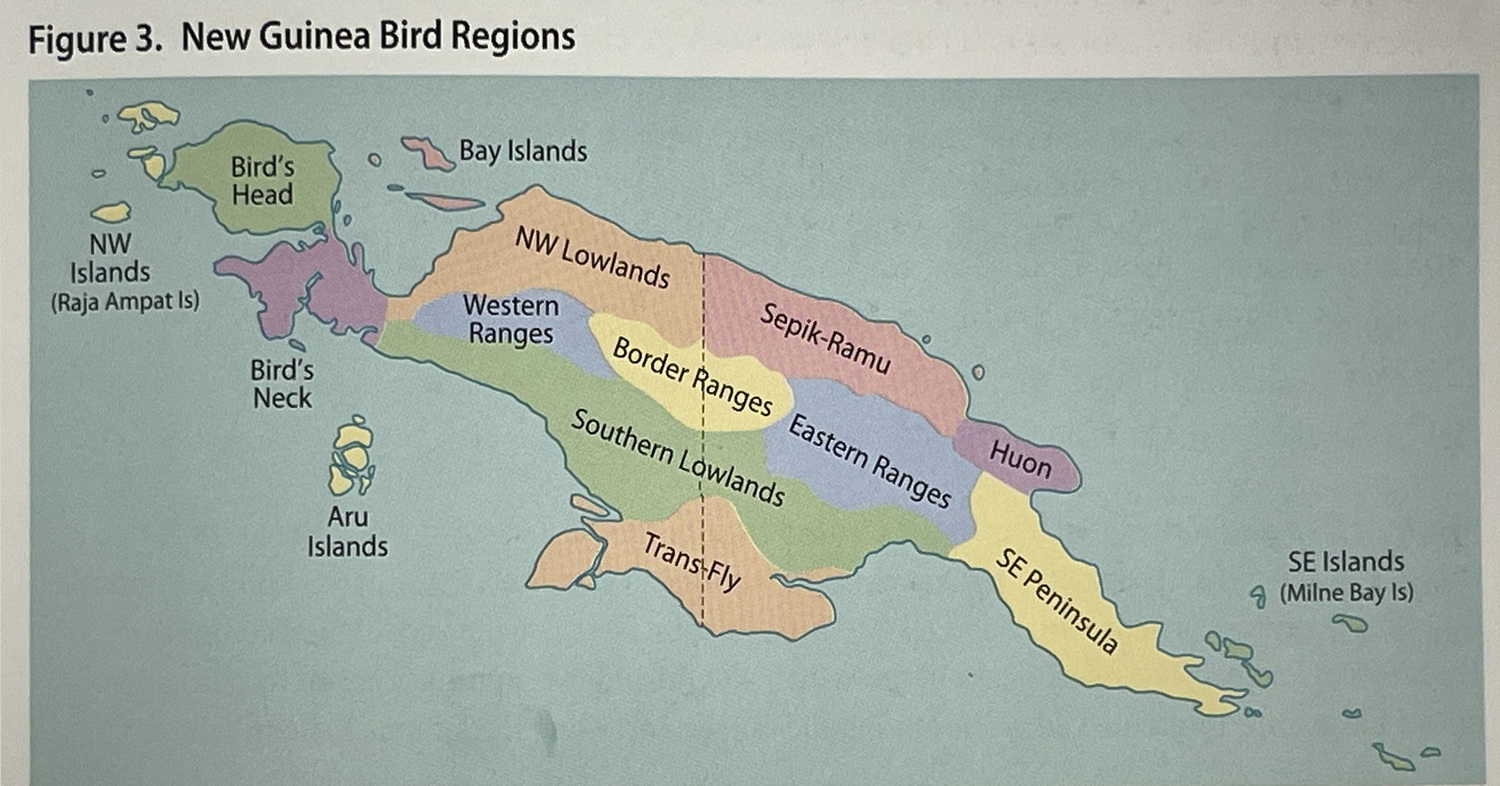
New Guinea and its associated smaller islands are among the most bird-diverse places in the world. The map below shows the major bird regions. Each of these has its own special and endemic birds. The dotted line in the middle of this map is the boundary between the country of Indonesia (on the west/left) and the country of Papua New Guinea (on the east/right). During this trip, we visited most of West Papua’s bird regions.
Overall
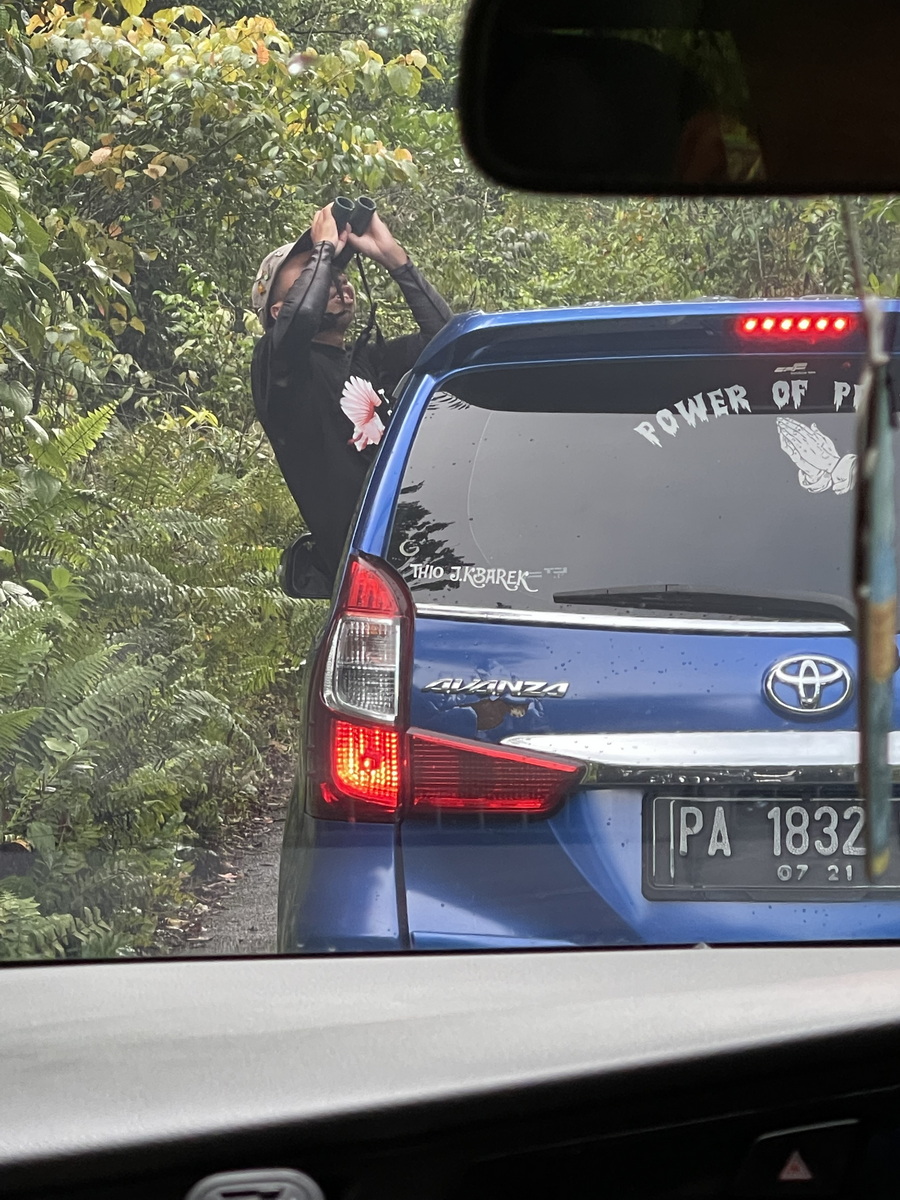
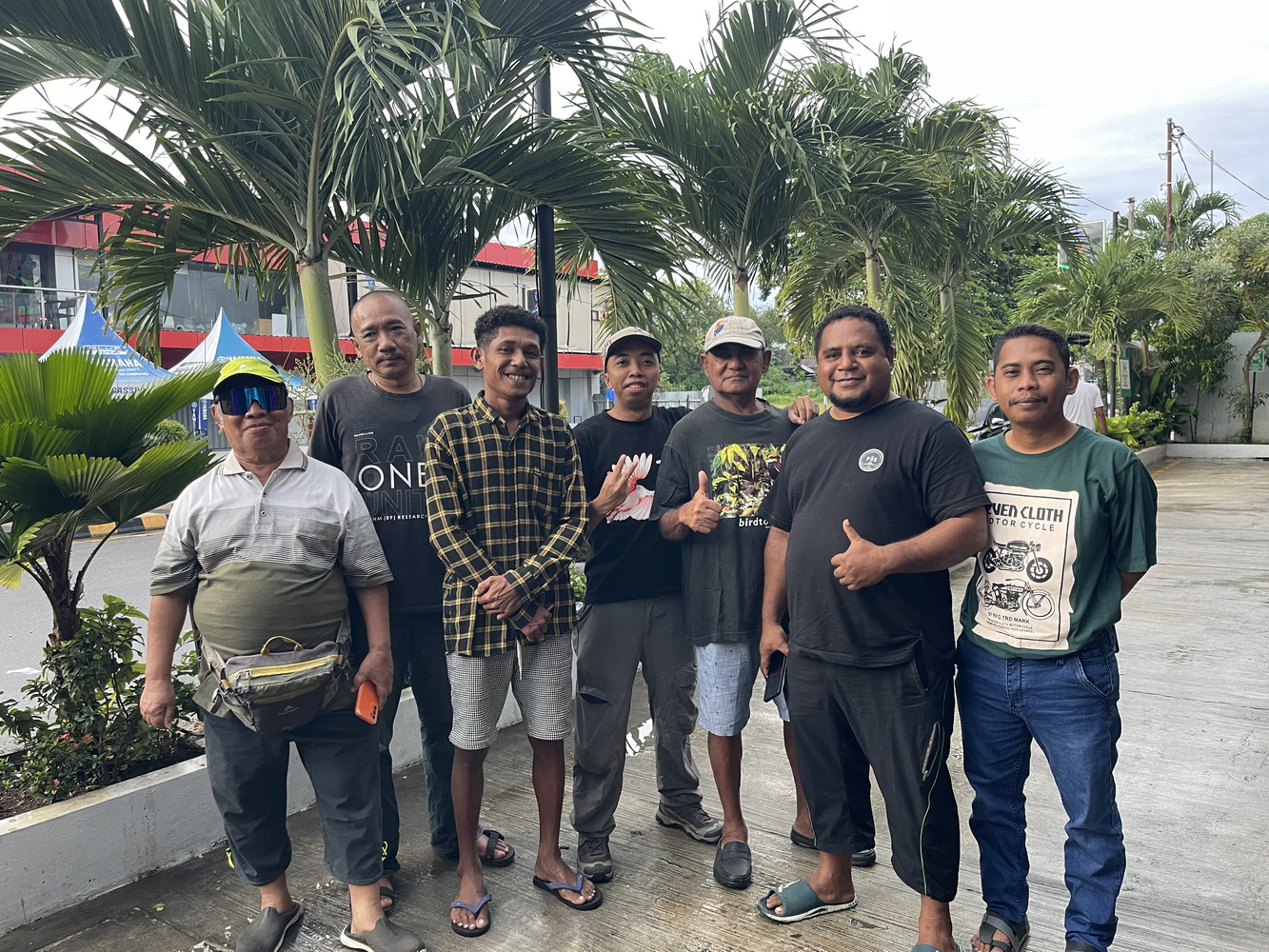
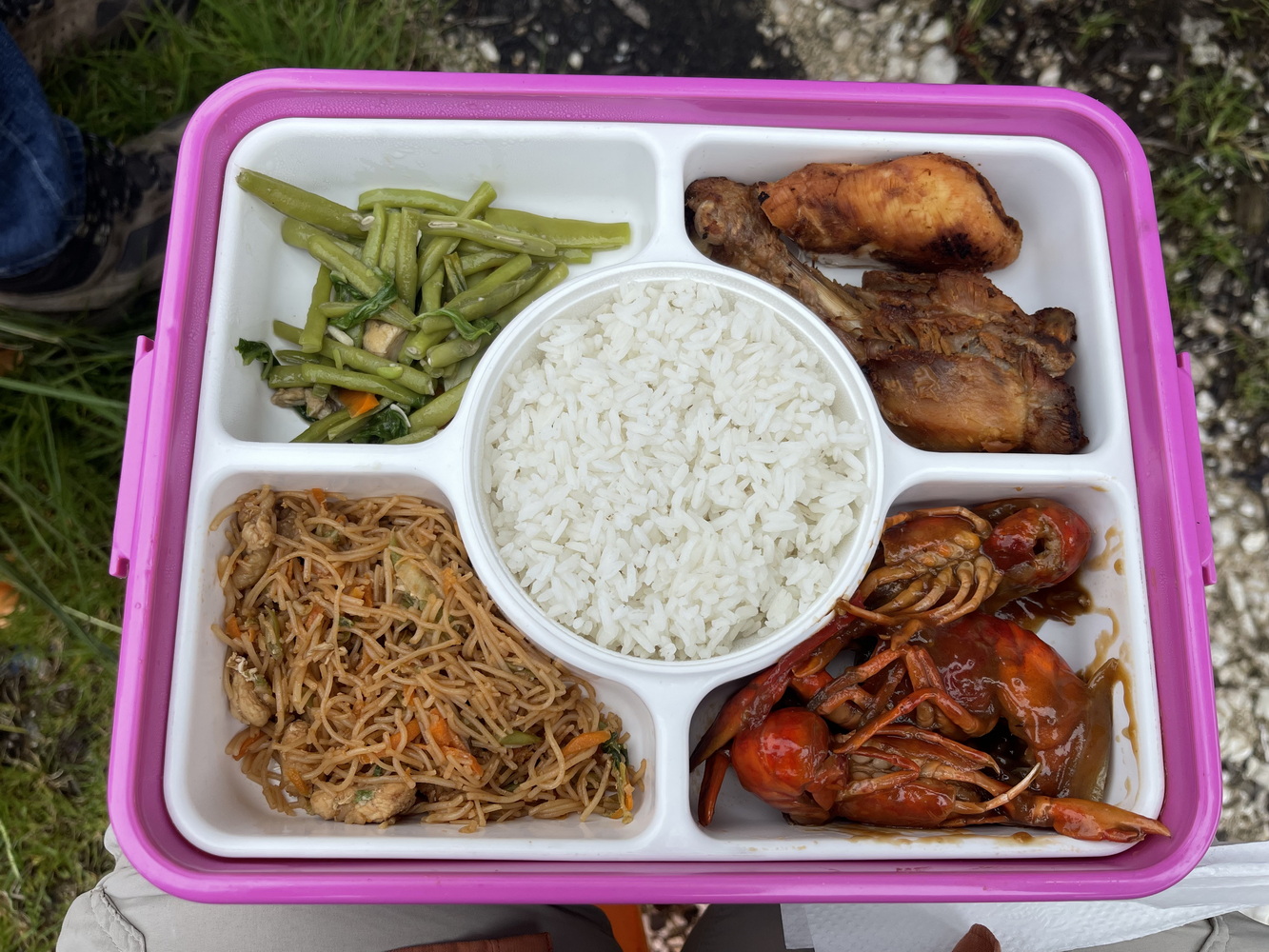
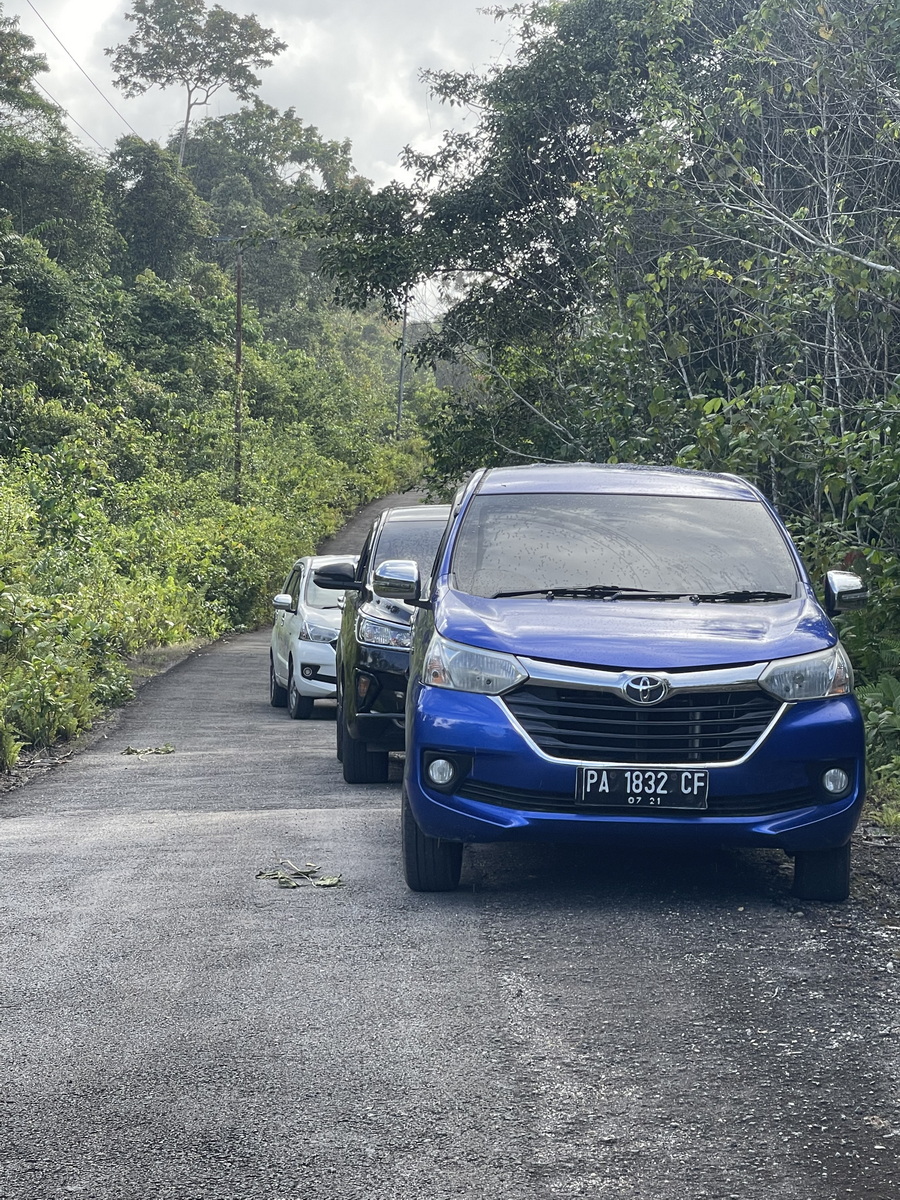
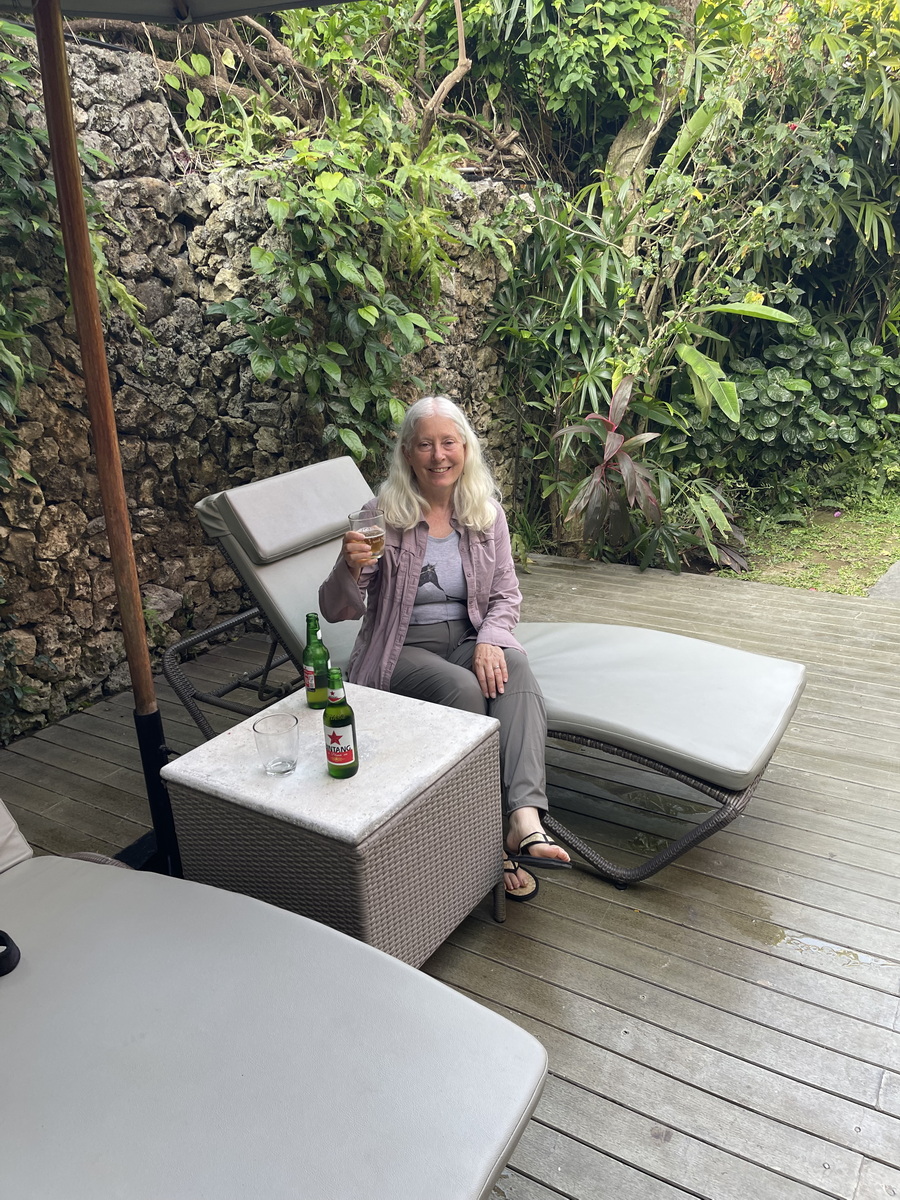
Throughout this part of the trip, there were several things we found in almost every place we visited. First, we had really great local guides, drivers, logistics people and hosts. They did a fantastic job of sharing their communities, natural areas and wildlife with us! We generally traveled in three vehicles, two for our group of six, and one with the gear, food and cooking/picnic equipment. Most of the time these were SUV’s but in some cases the terrain called for 4WD trucks. Food was really good throughout, including many meals in the field. The consistent alcoholic beverage everywhere was the beer Bintang, which is a pretty decent lager when you can get it!
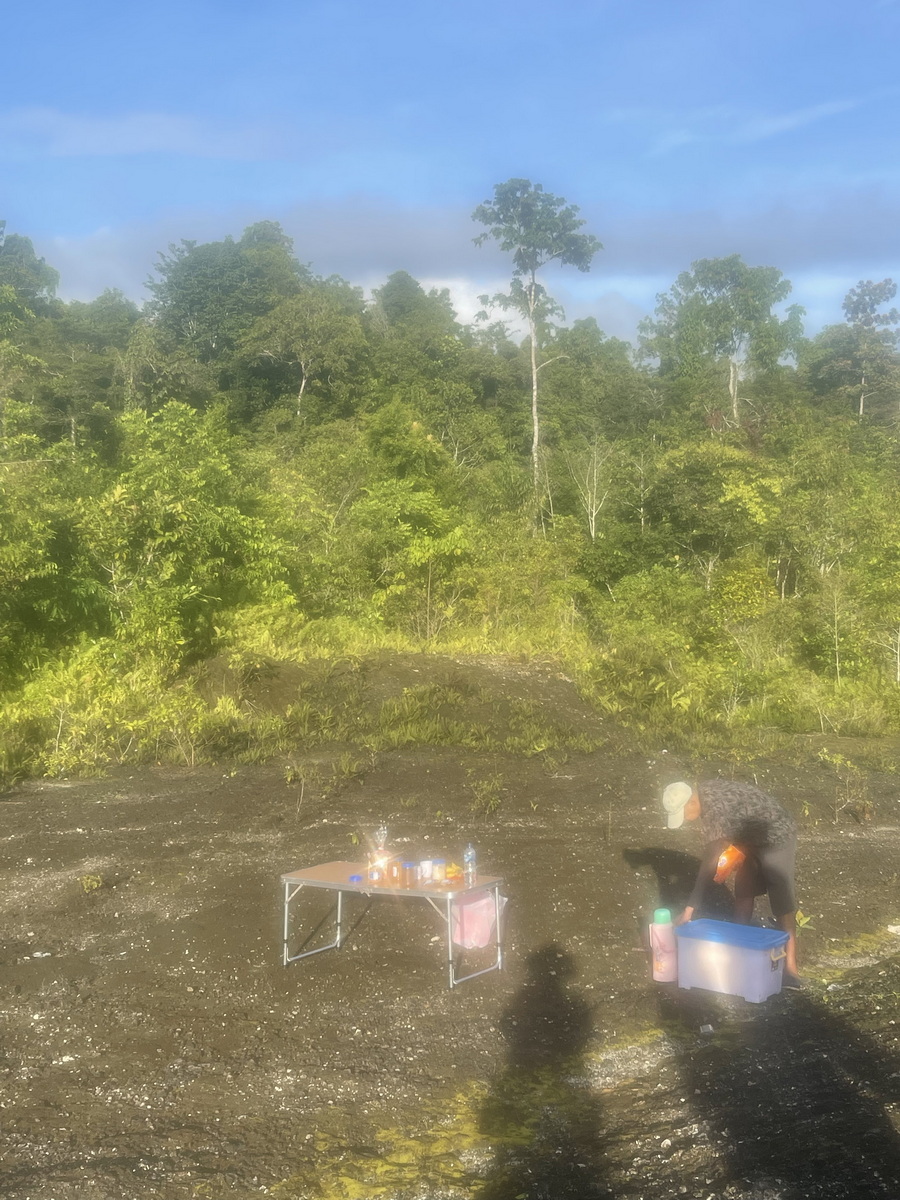
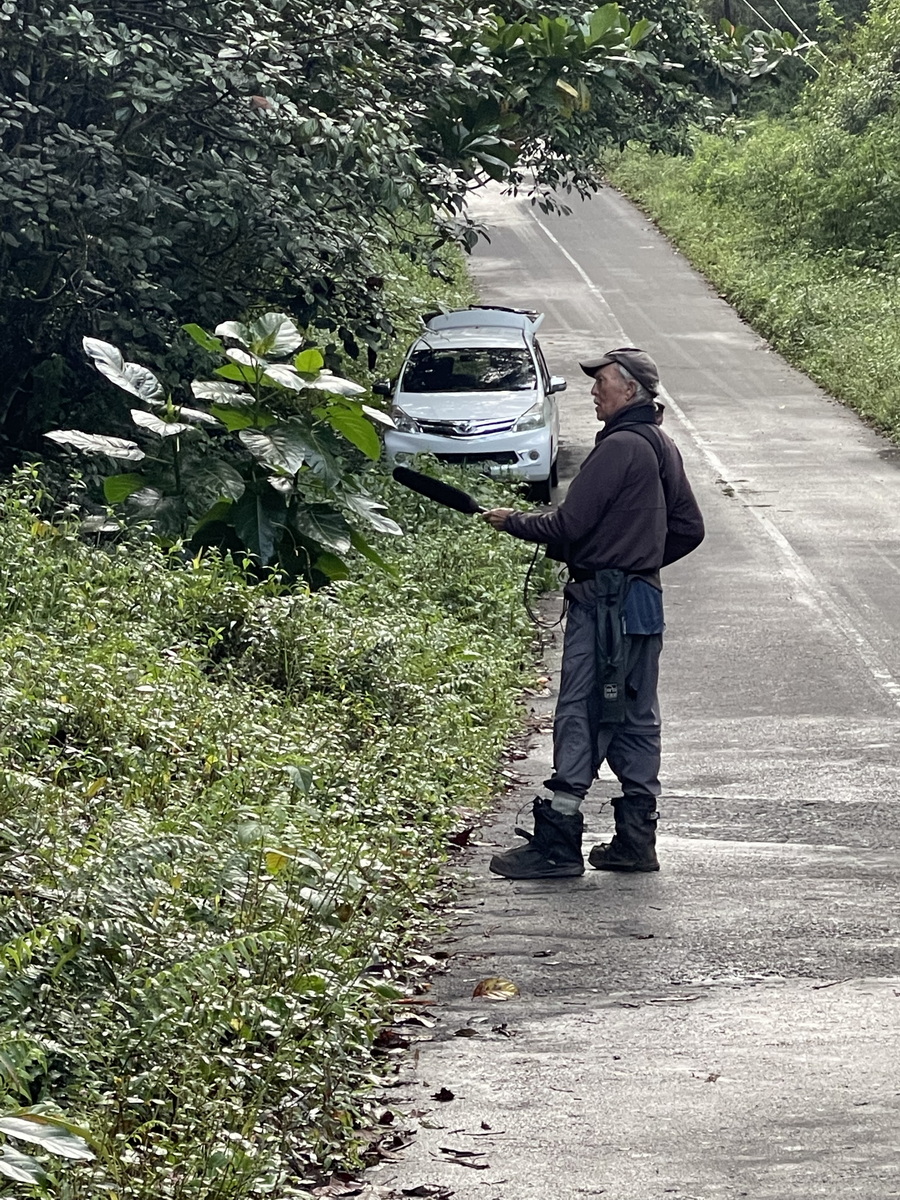
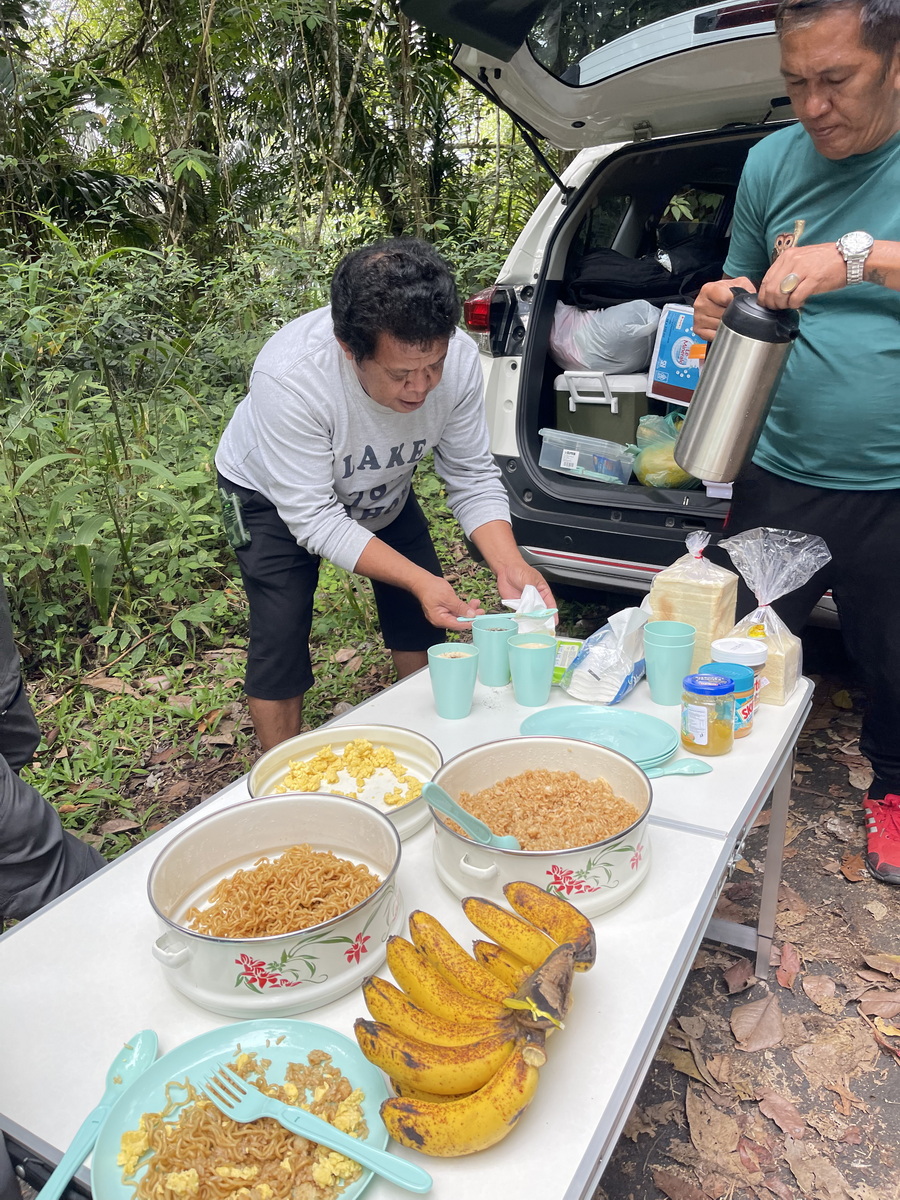
In many places, the lodgings are in a small town quite a ways from the natural area. So in order to be at the destination when the birds are active (often just after dawn), another common experience was very early morning start times, with a drive, then birding and then a field breakfast.
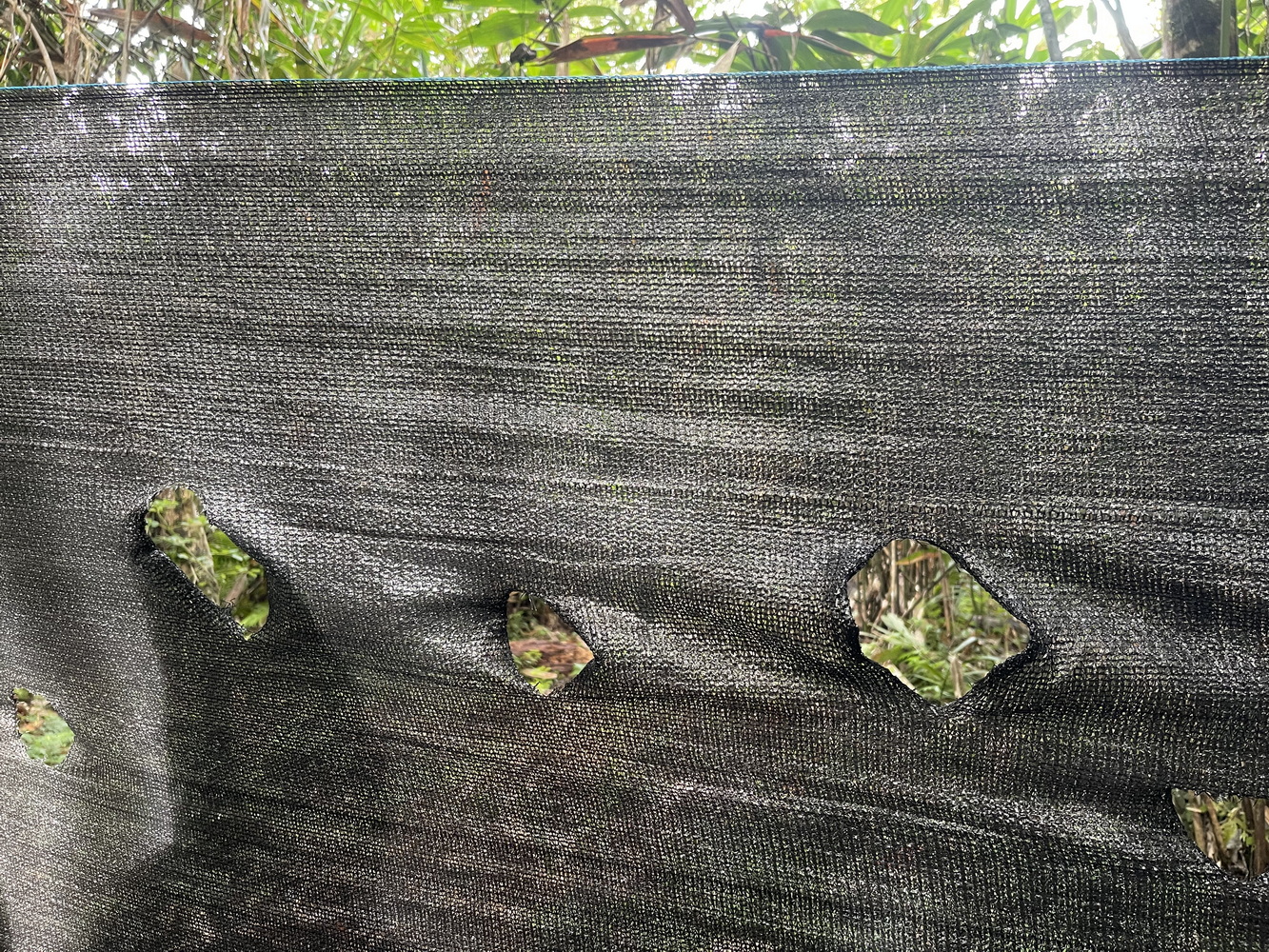
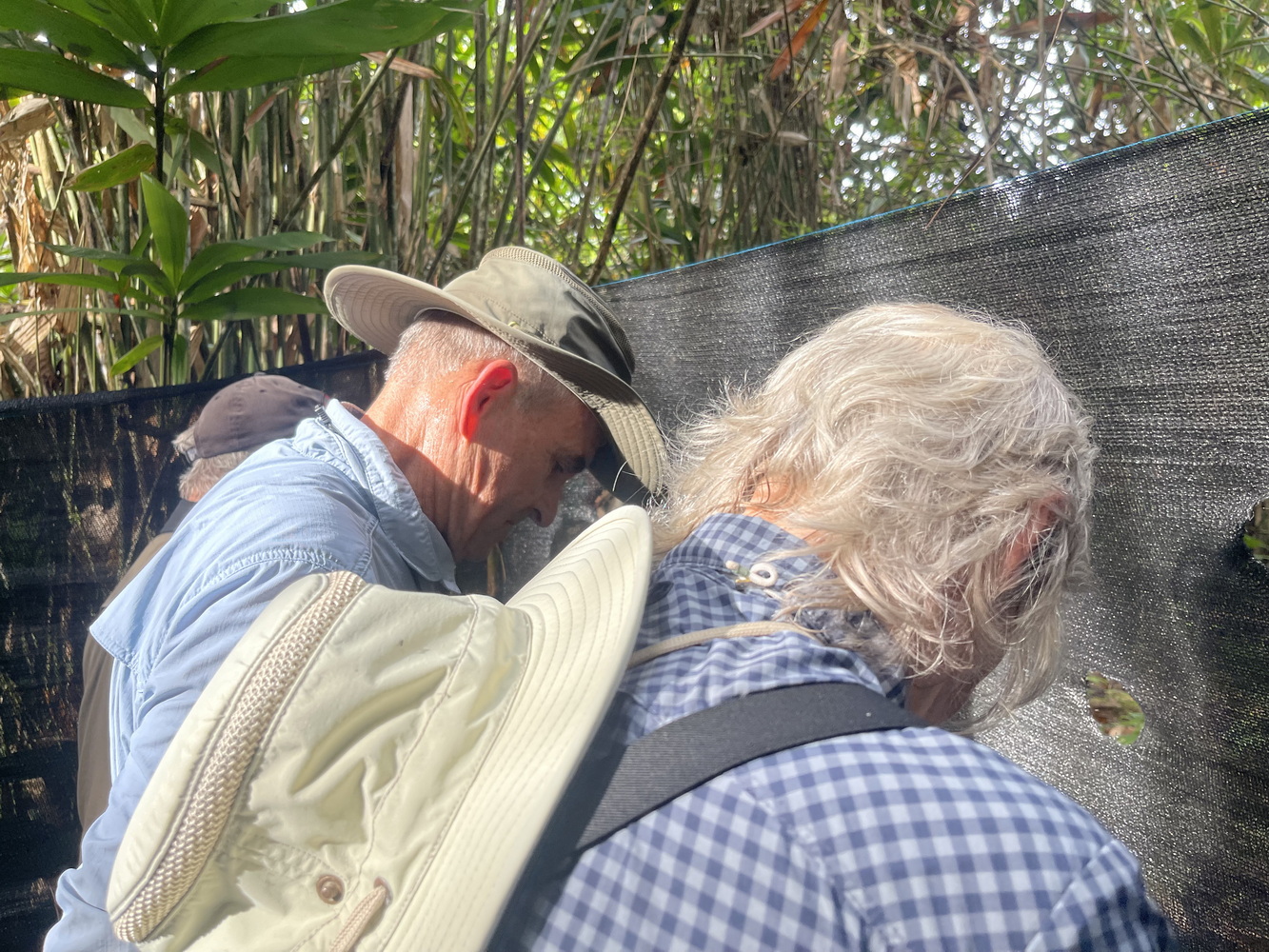
Lastly, since many of the birds we hoped to see are rare and secretive, the local communities have developed ‘hides’ at spots where birds come to eat, drink, nest or display. These hides (we’d call them ‘blinds’ here) were often very basic, but they usually did the job of providing a place where we could be hidden and watch the birds go about their lives.
Locations We Visited
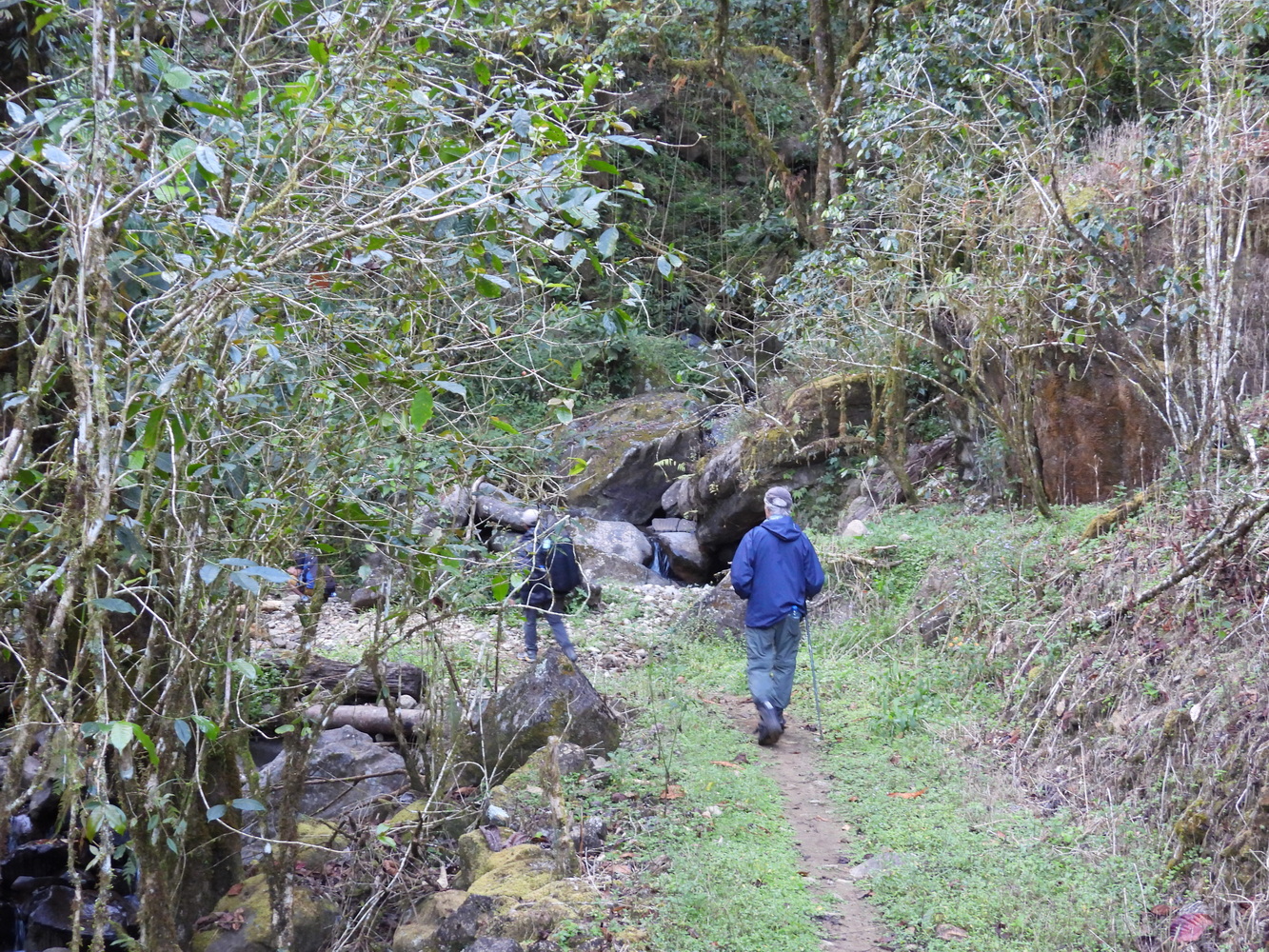
We began birding on Biak Island (one of the Bay Islands on the bird region map). We stayed in the main community at the fanciest hotel on the island. As a result, we got to watch an amazing formal wedding, complete with dresses like you’d see in the US, dancers in traditional costumes, enormous amounts of food and generous gifts. Forests here held unique creatures.
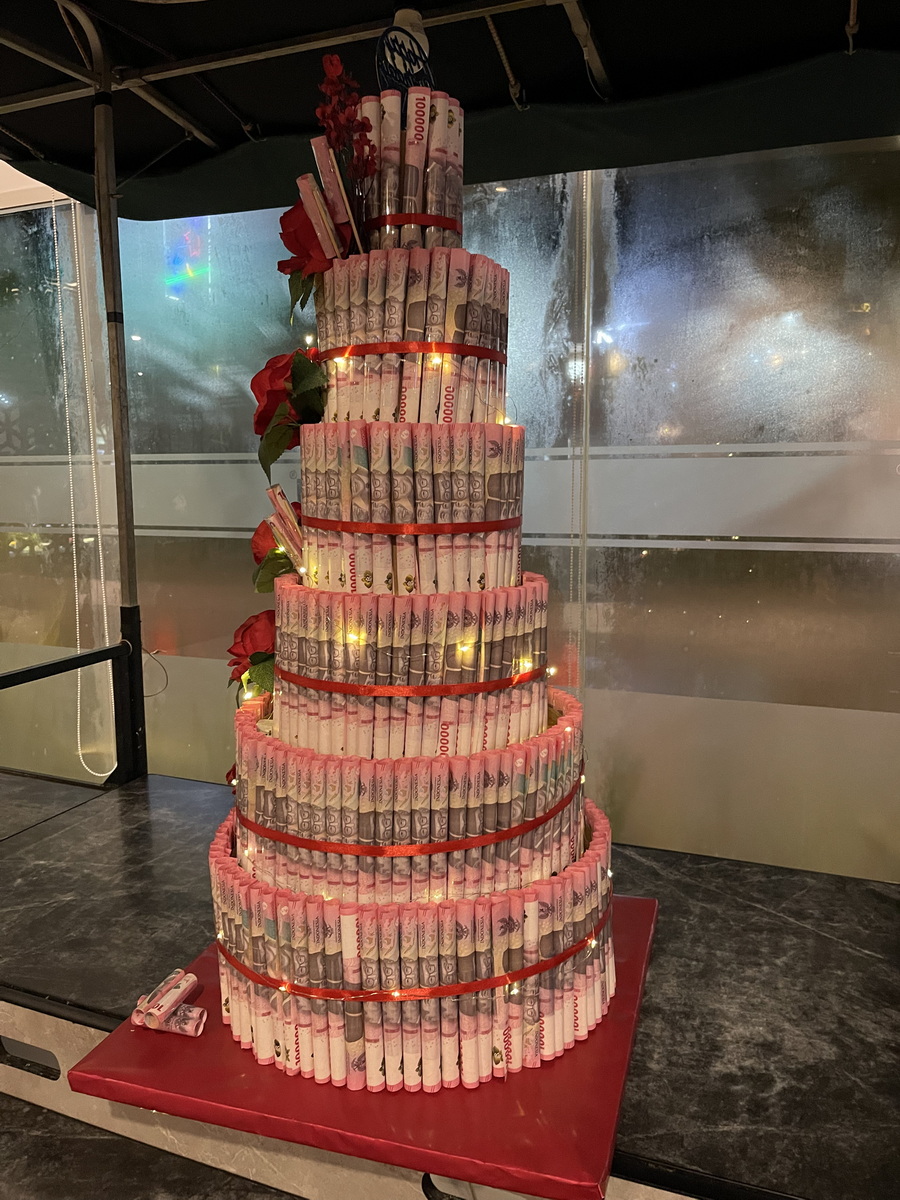
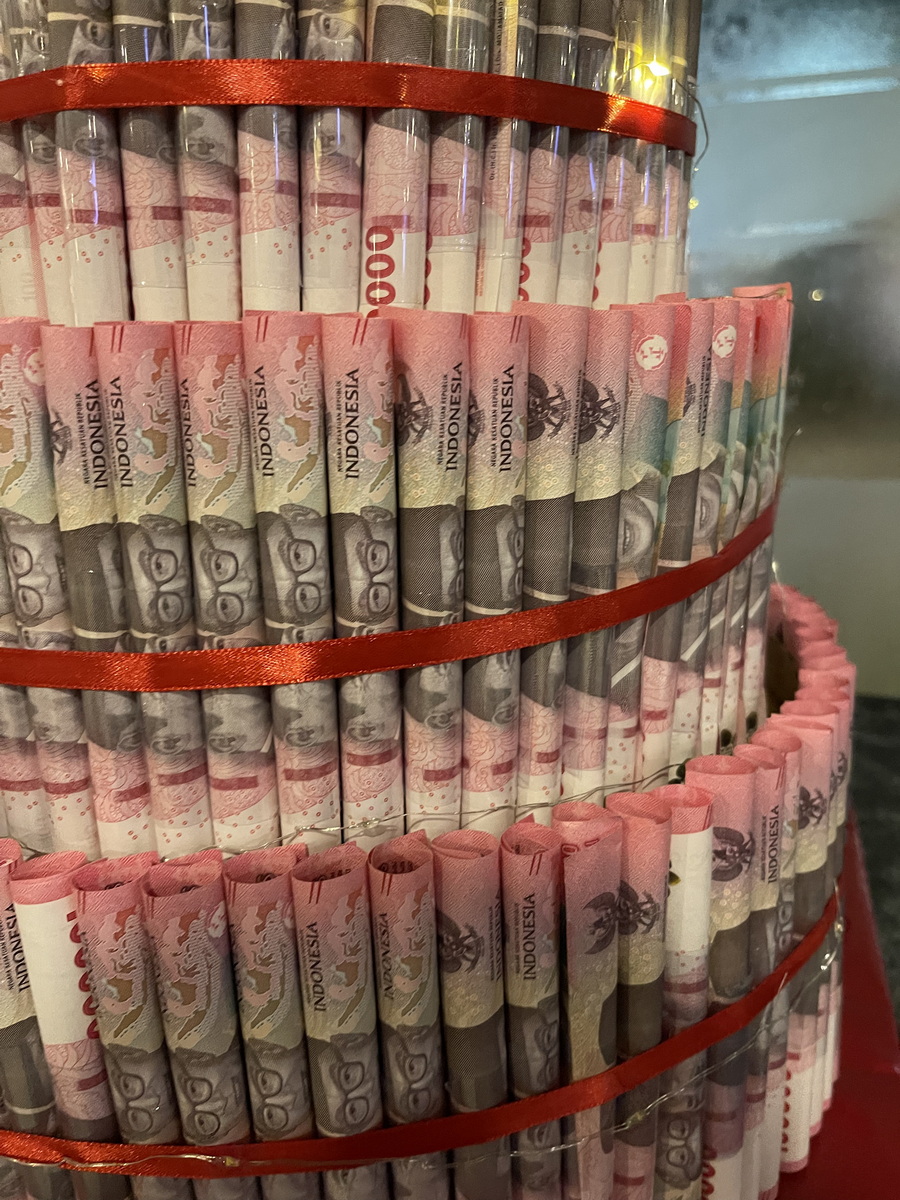
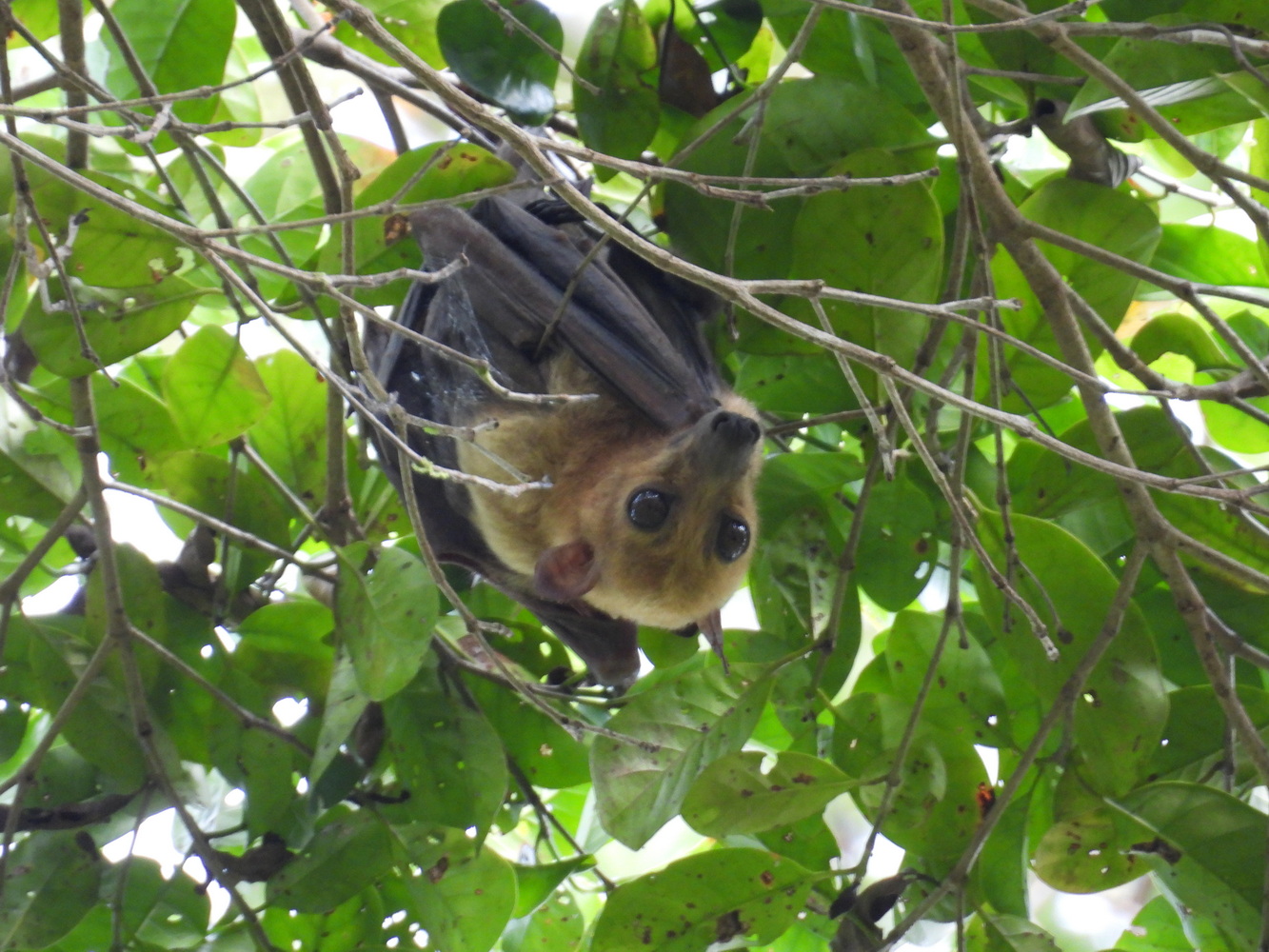
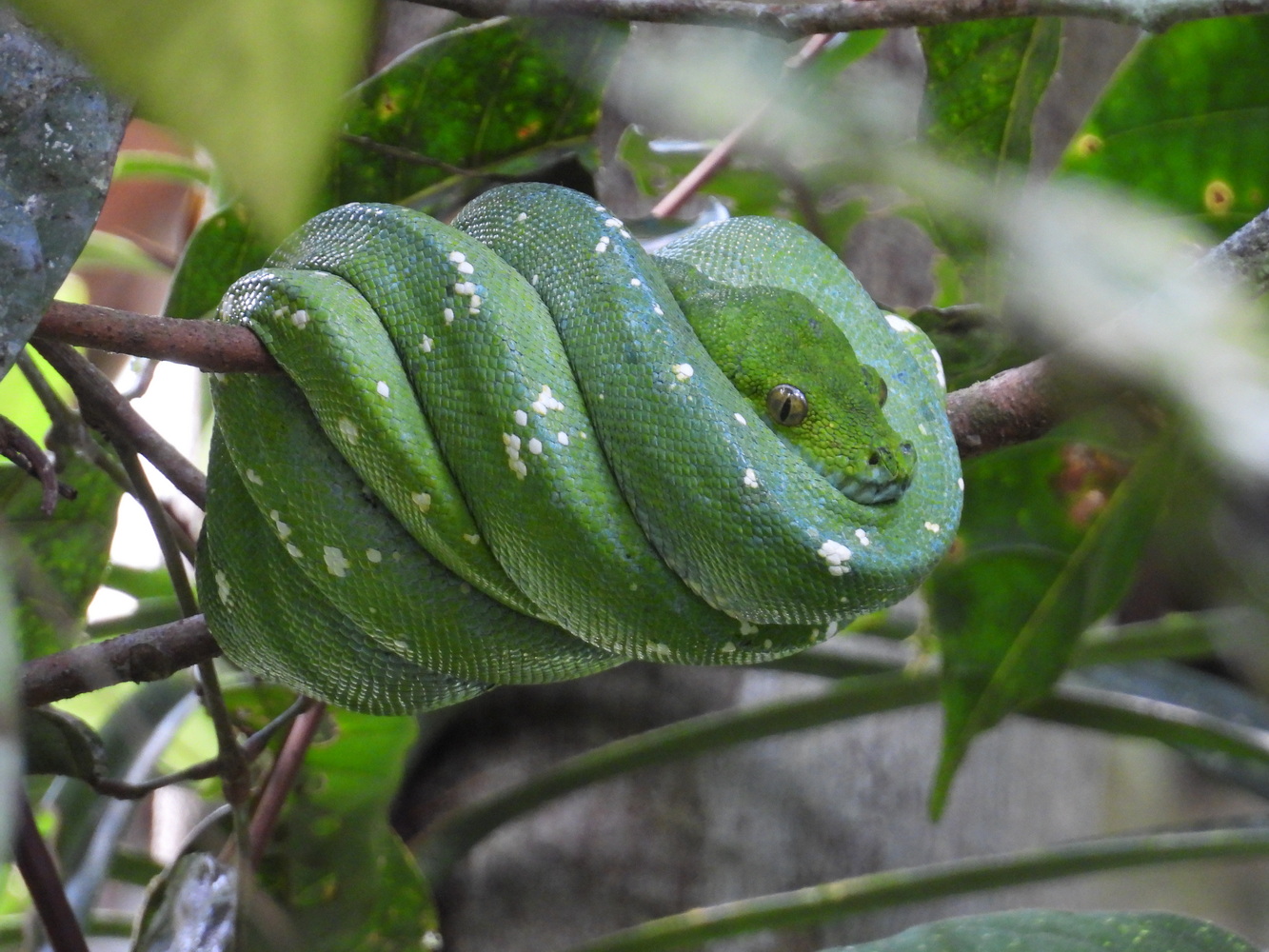
Our next stop was Wamena, in the high Border Ranges in the middle of New Guinea. Tribal conflicts are still very real here; we could not visit several areas in the Snow Mountains because of skirmishes that had broken out shortly before our trip. We always had a landowner with us when we were hiking and birding (in addition to our large local crew) and were told not to stop along the roads where another owner or tribe might be in control. The Baliem and Pass valleys have been settled for generations but still have areas of native forest.
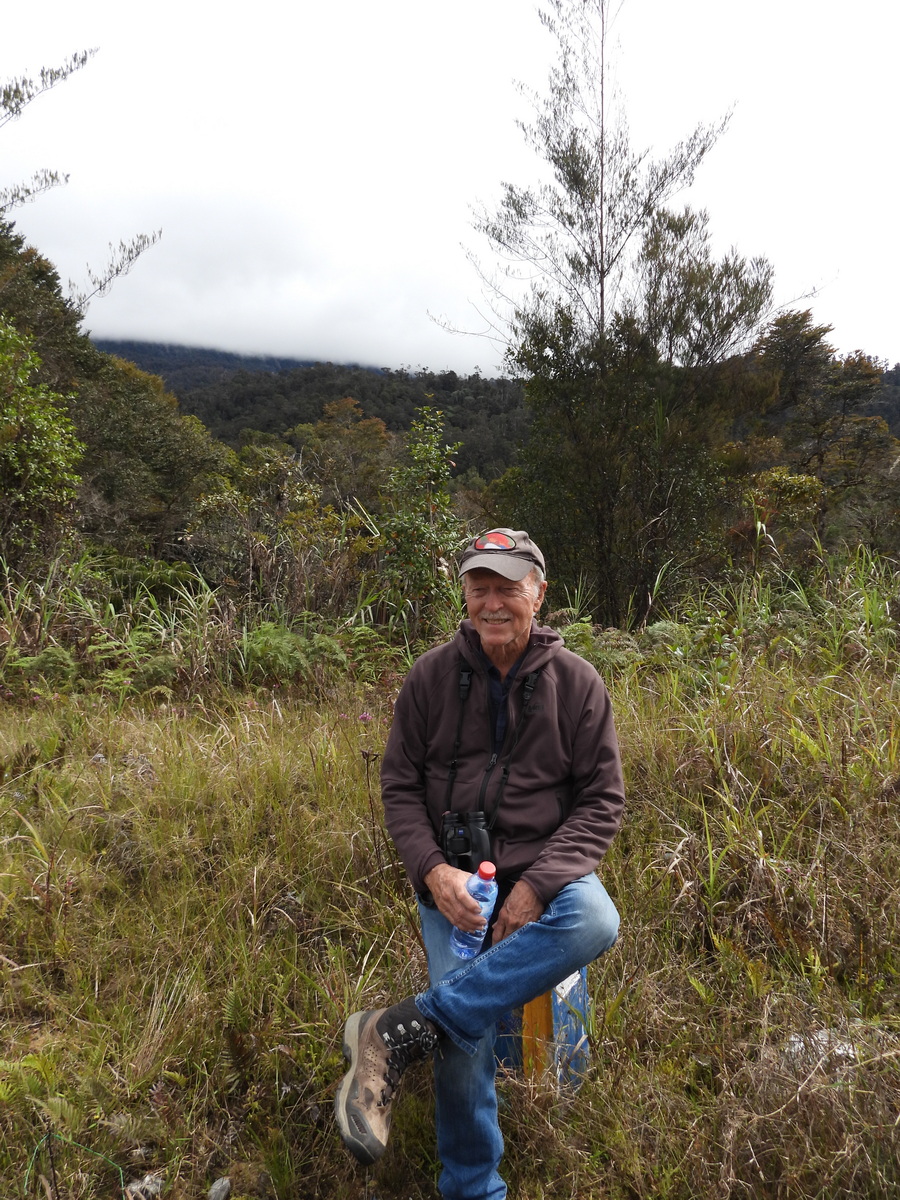
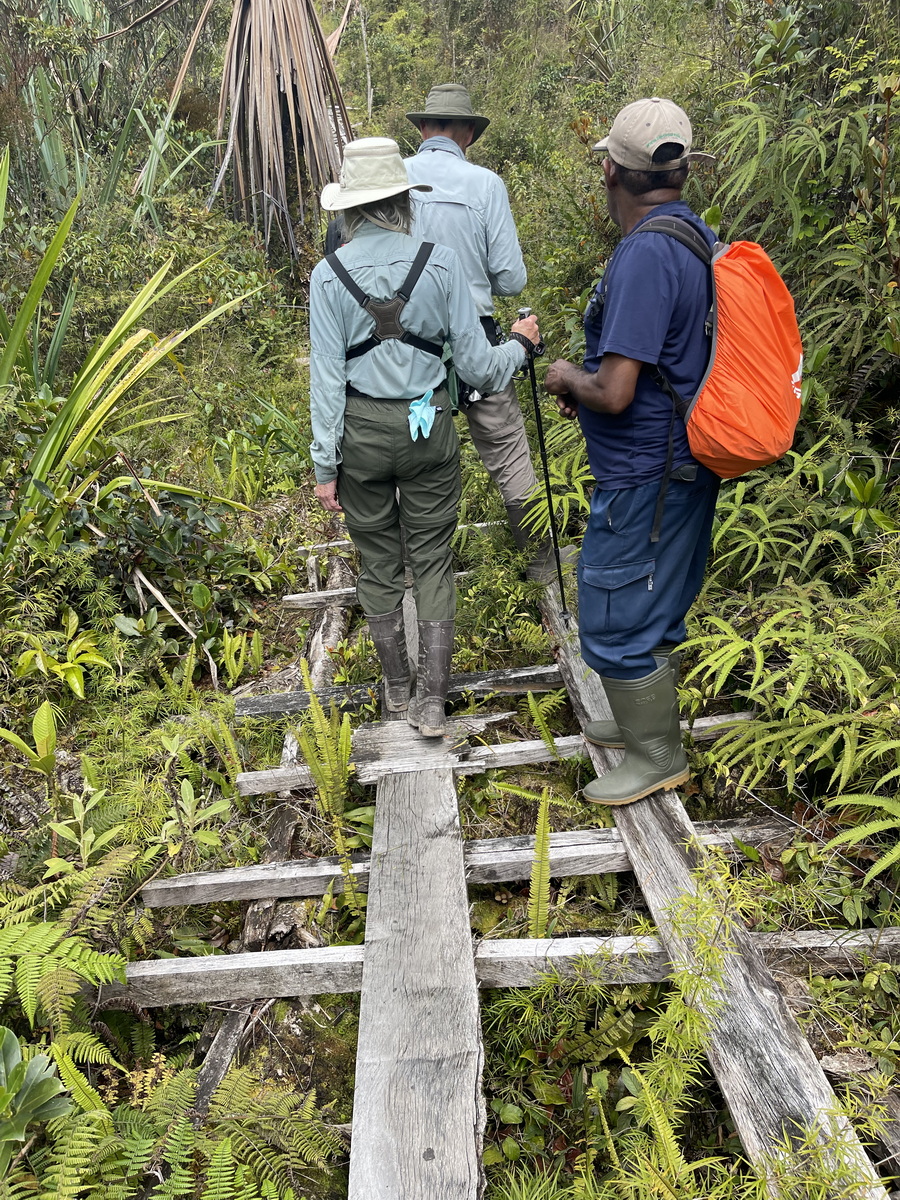
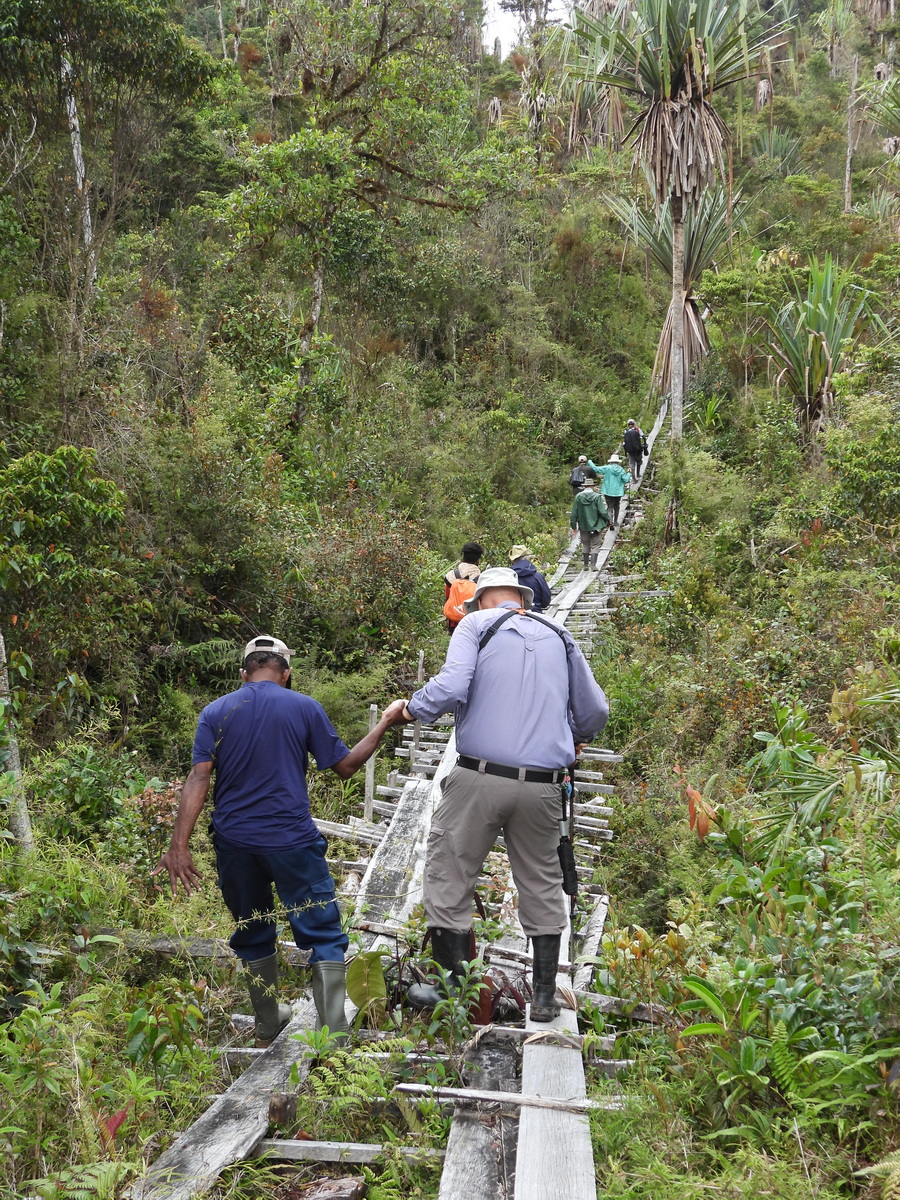
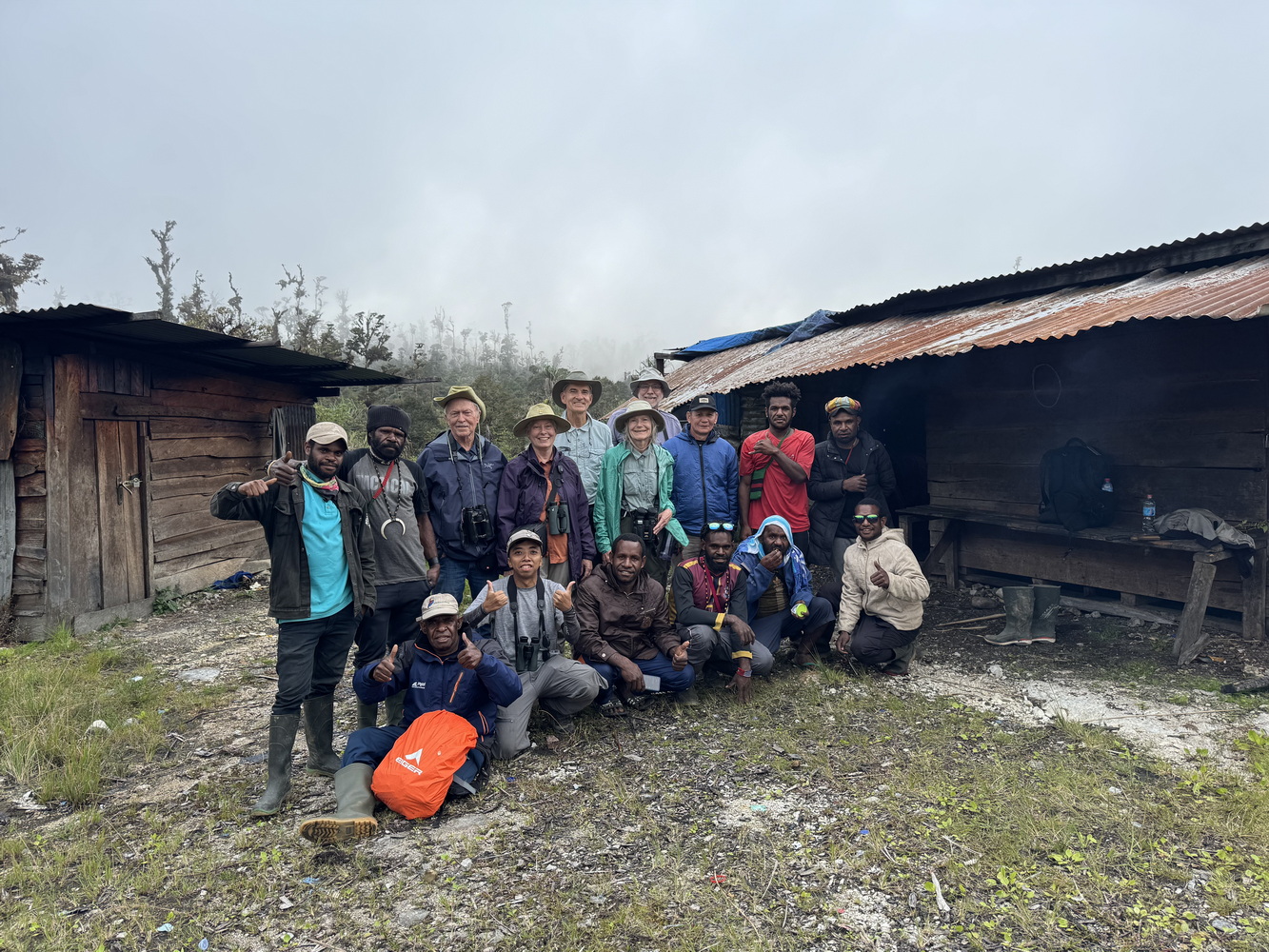
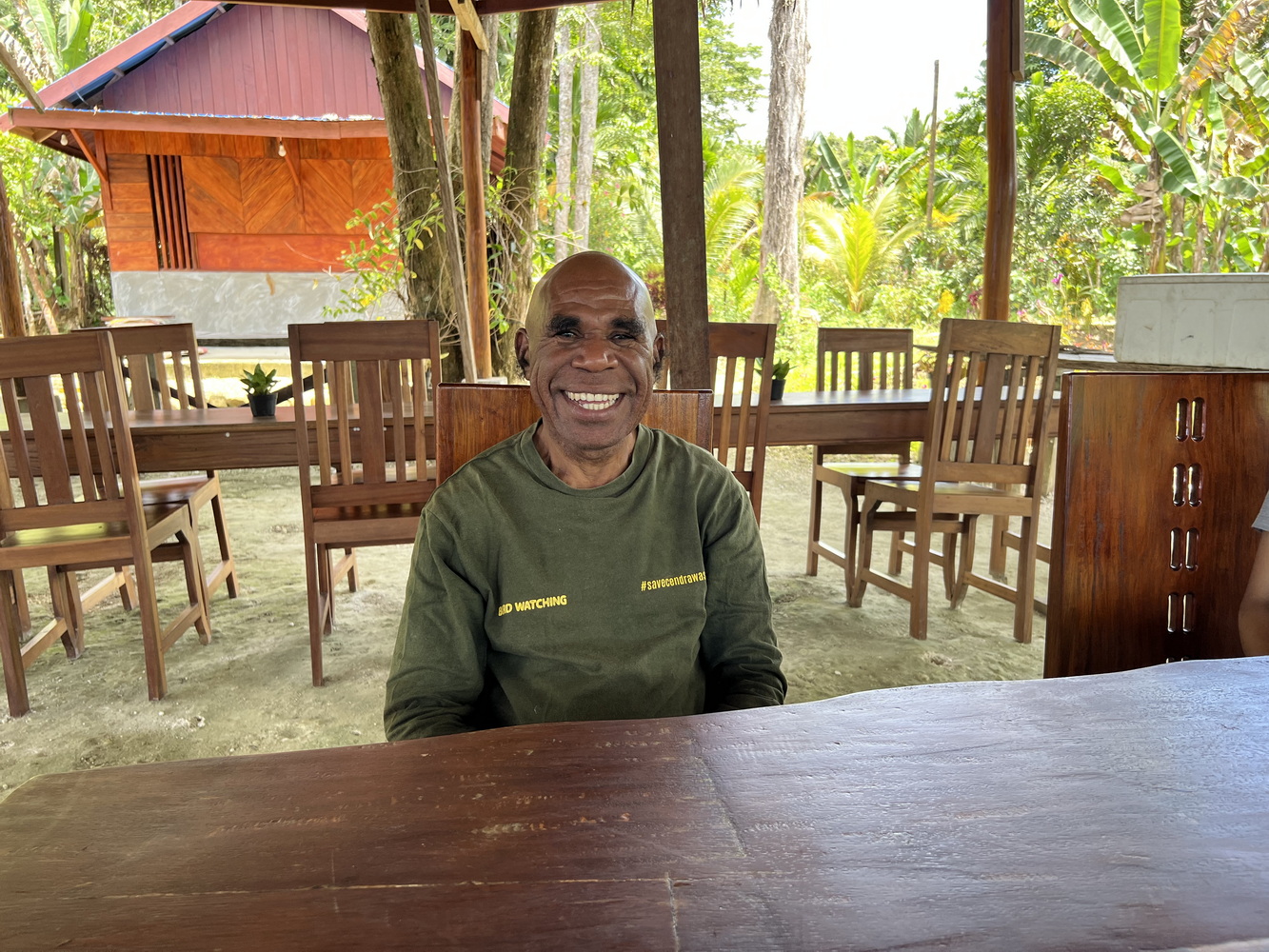
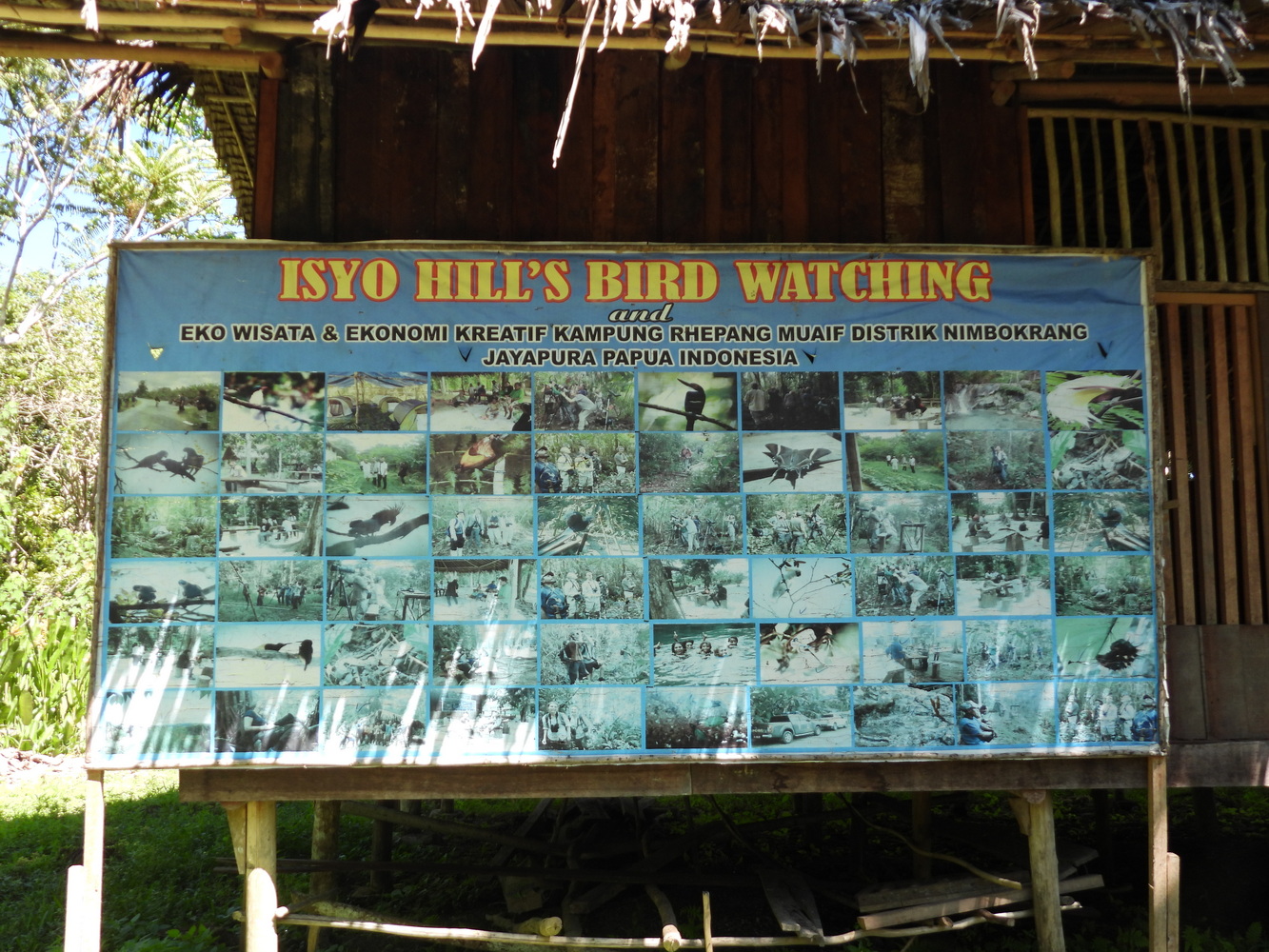
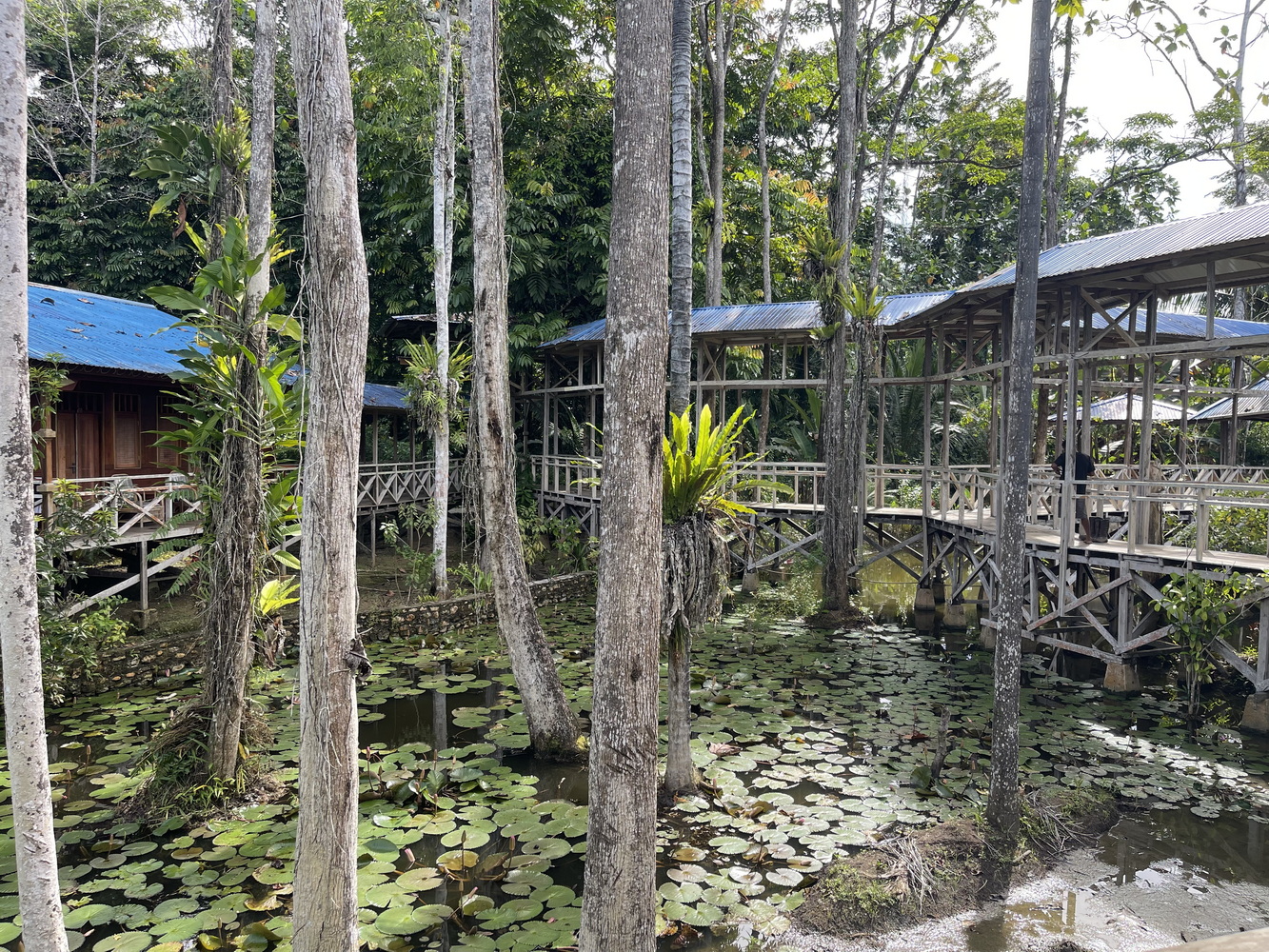
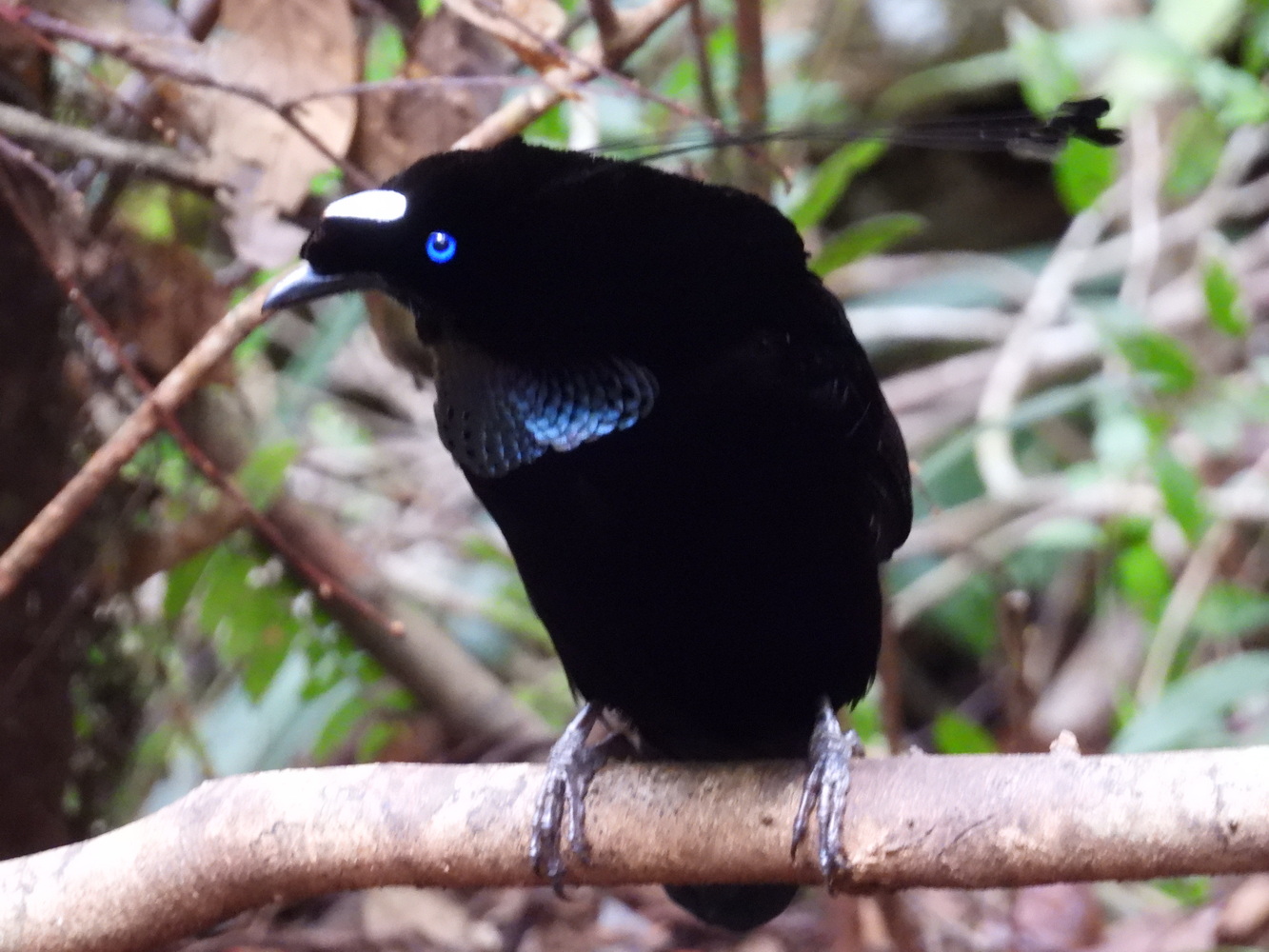
From here, we flew to Jayapura, in the Northwest Lowlands, and drove to Nimbokrang. We stayed at Isyo Hills Ecolodge, a center for ecotourism and environmental education that is the brainchild of Alex Waisimon. He and his family are the main protection for some unbelievable birds from current pressures to clearcut natural forests and plant oil palm plantations. Along with seeing Birds of Paradise displaying, we were able to learn about these inspiring and essential efforts. Check out the article on Saving Terra to learn more.
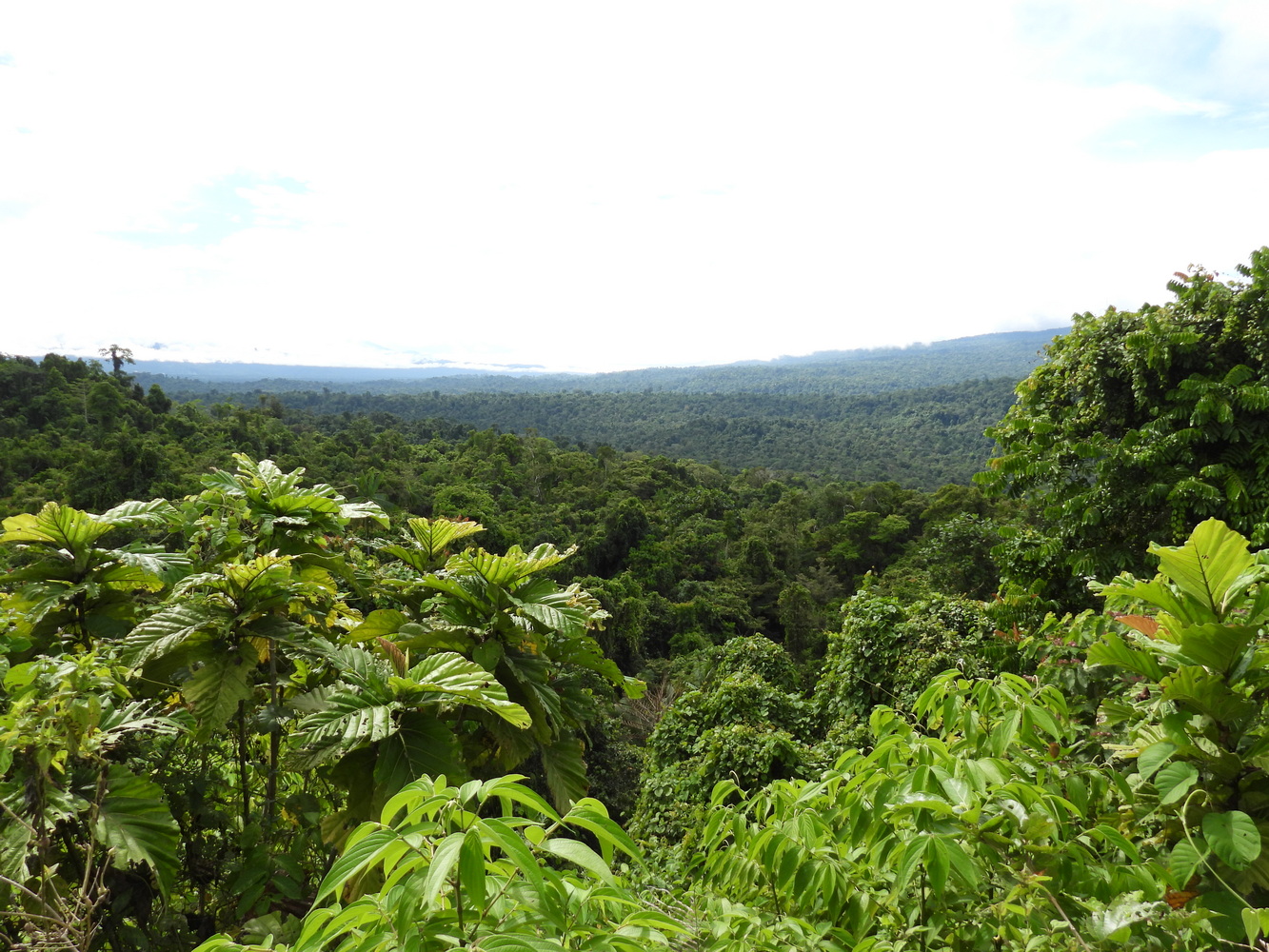
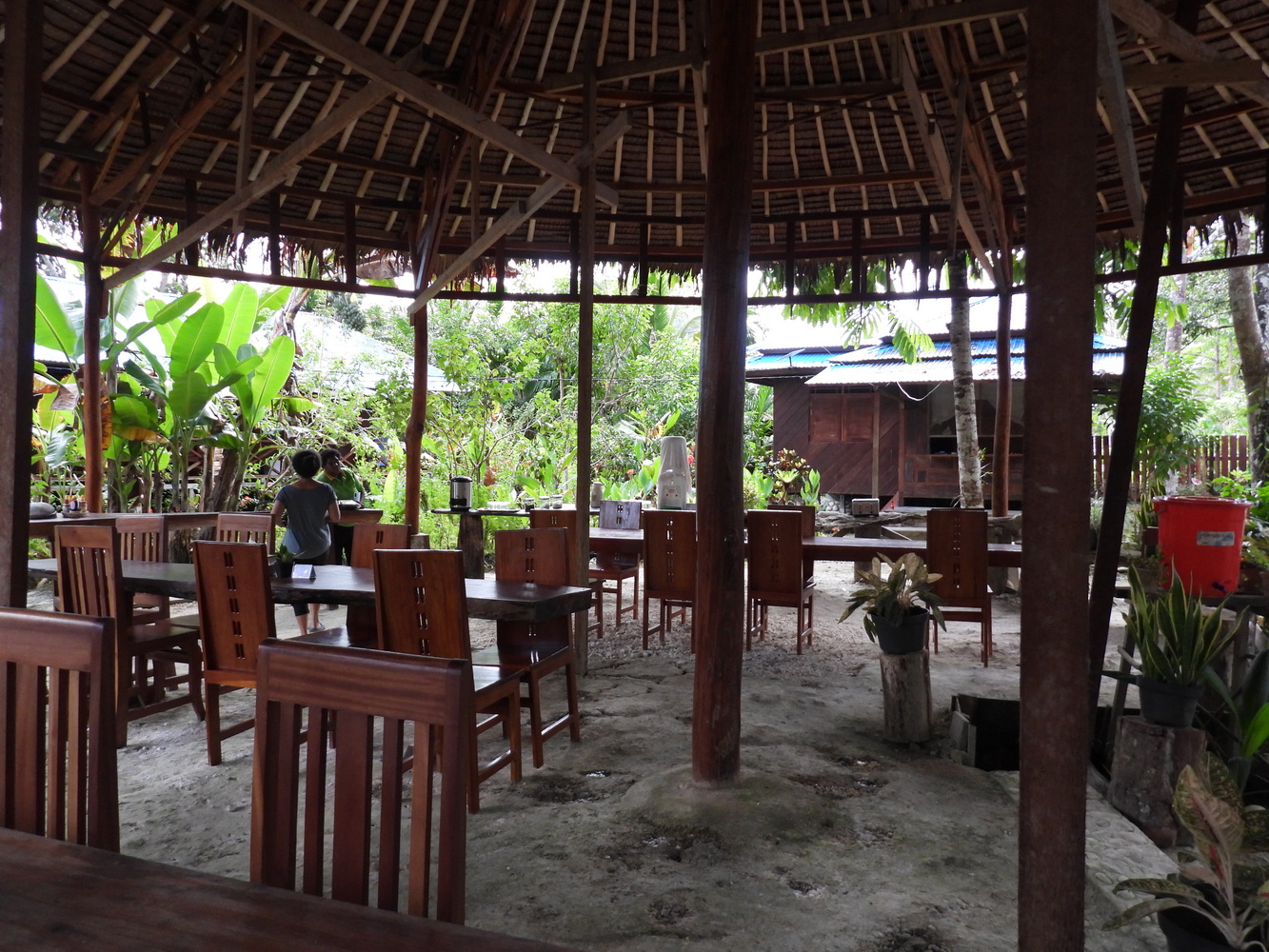
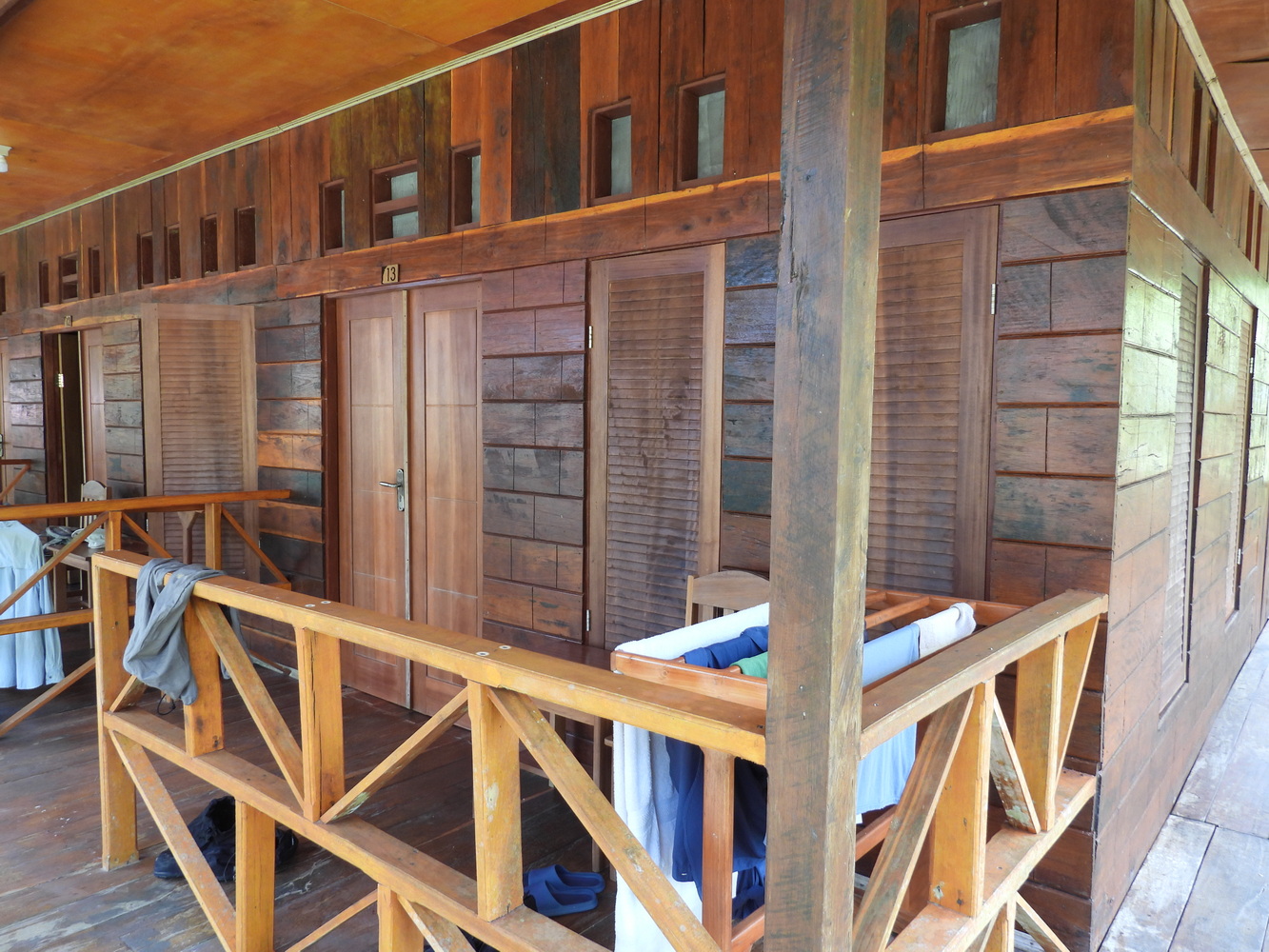
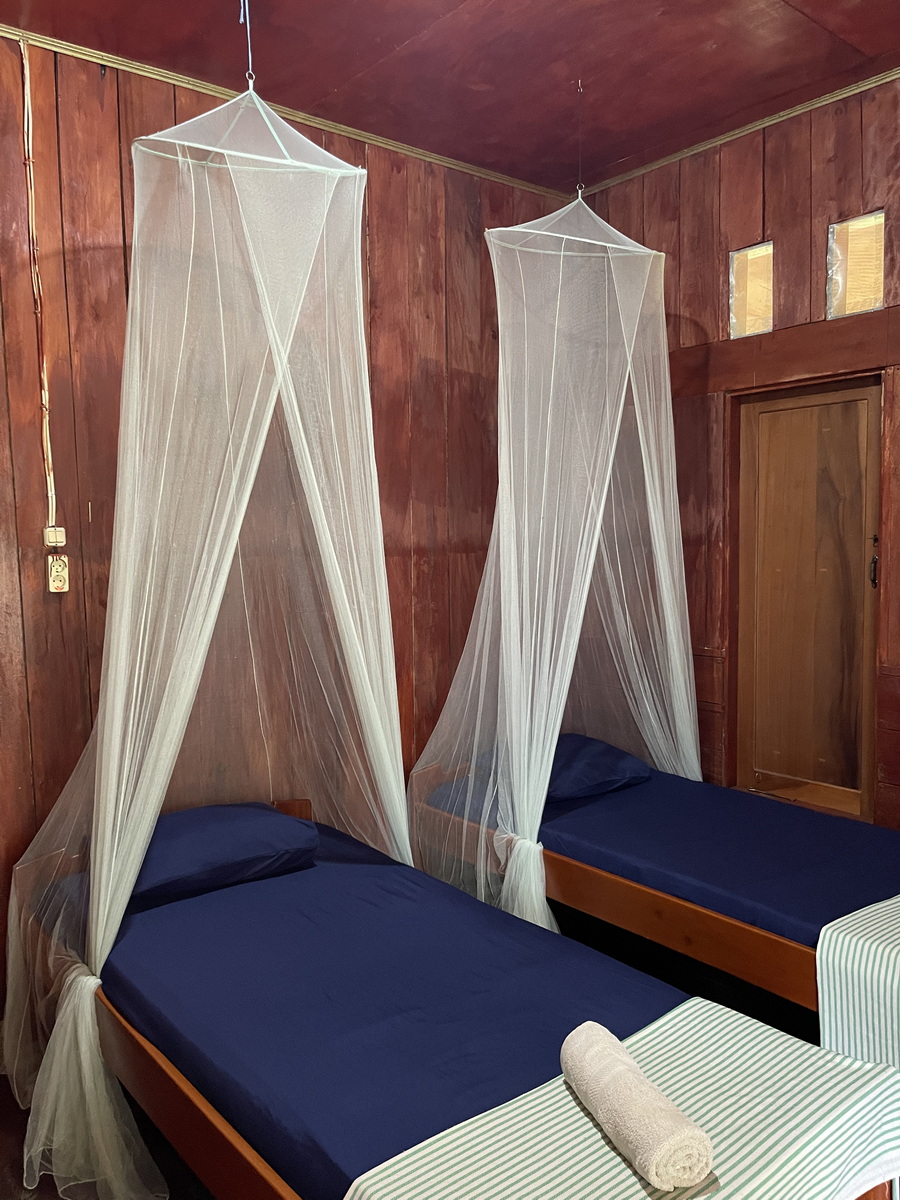
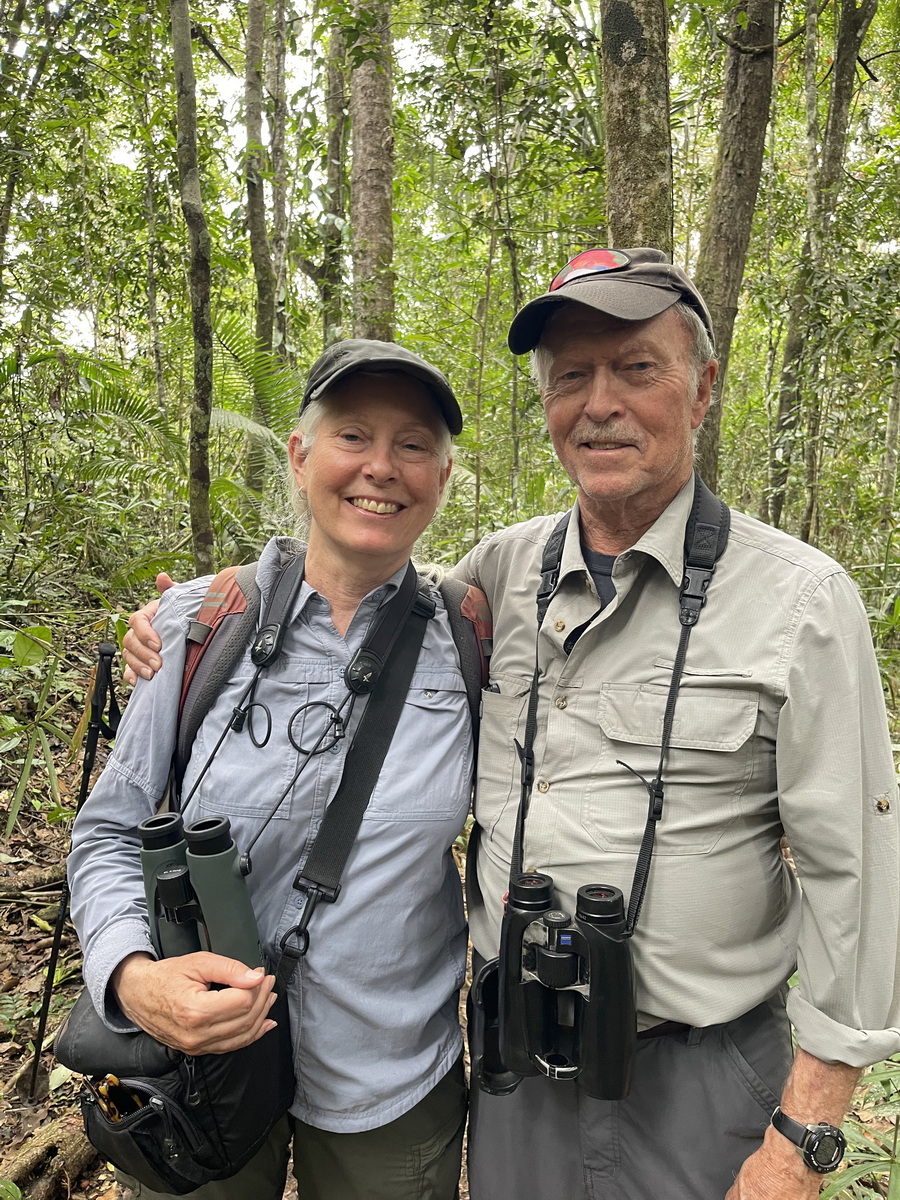
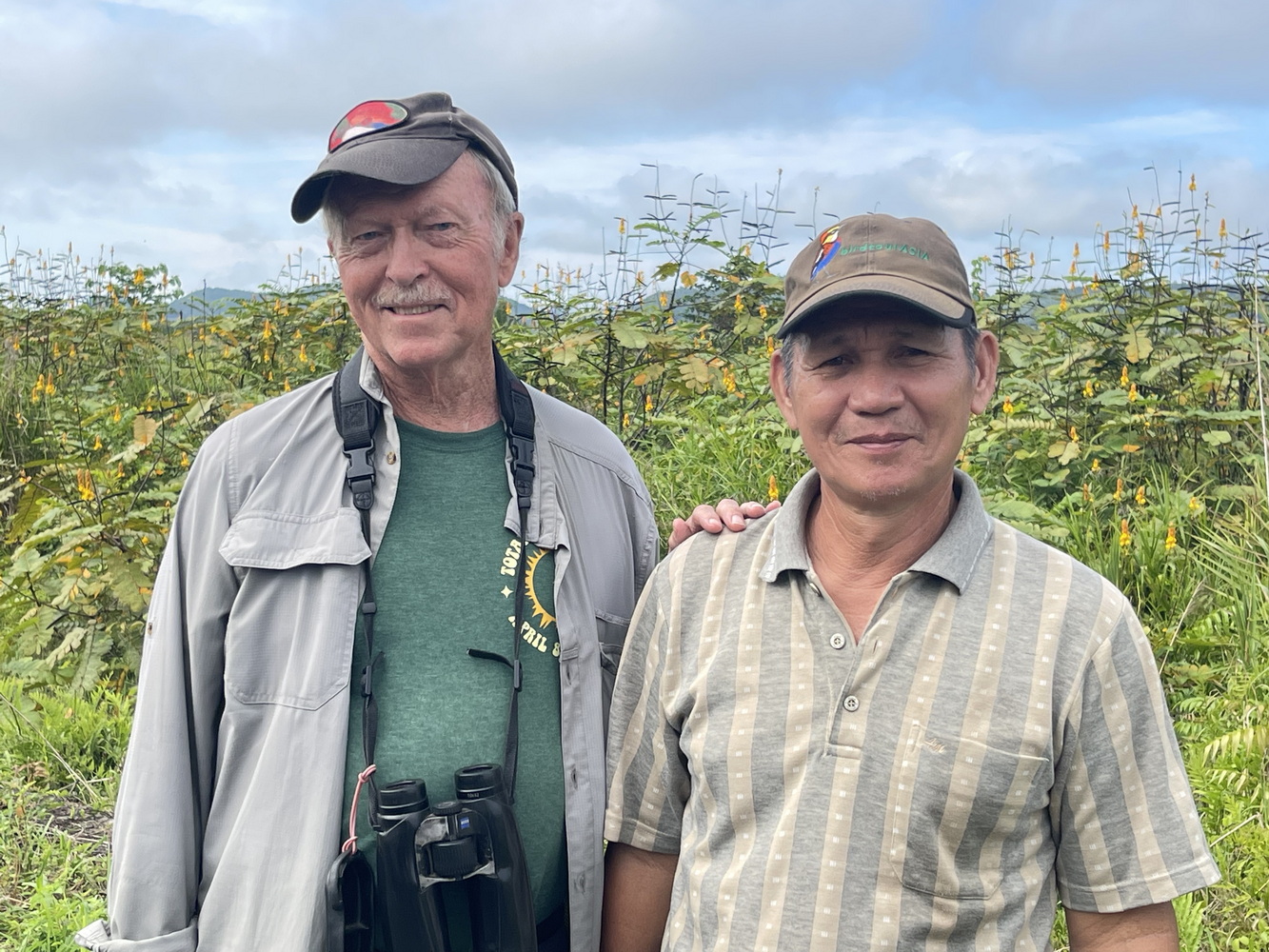
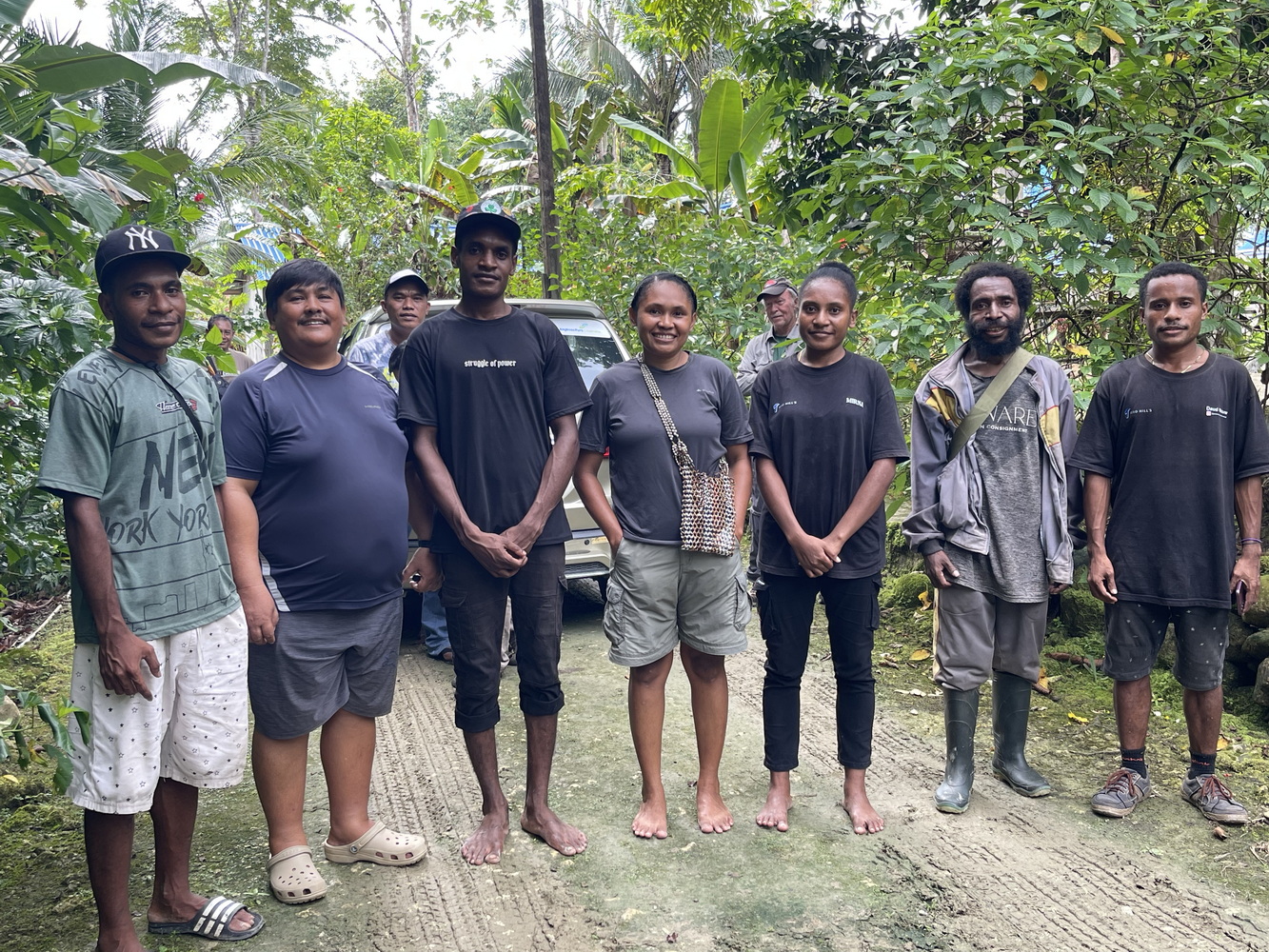
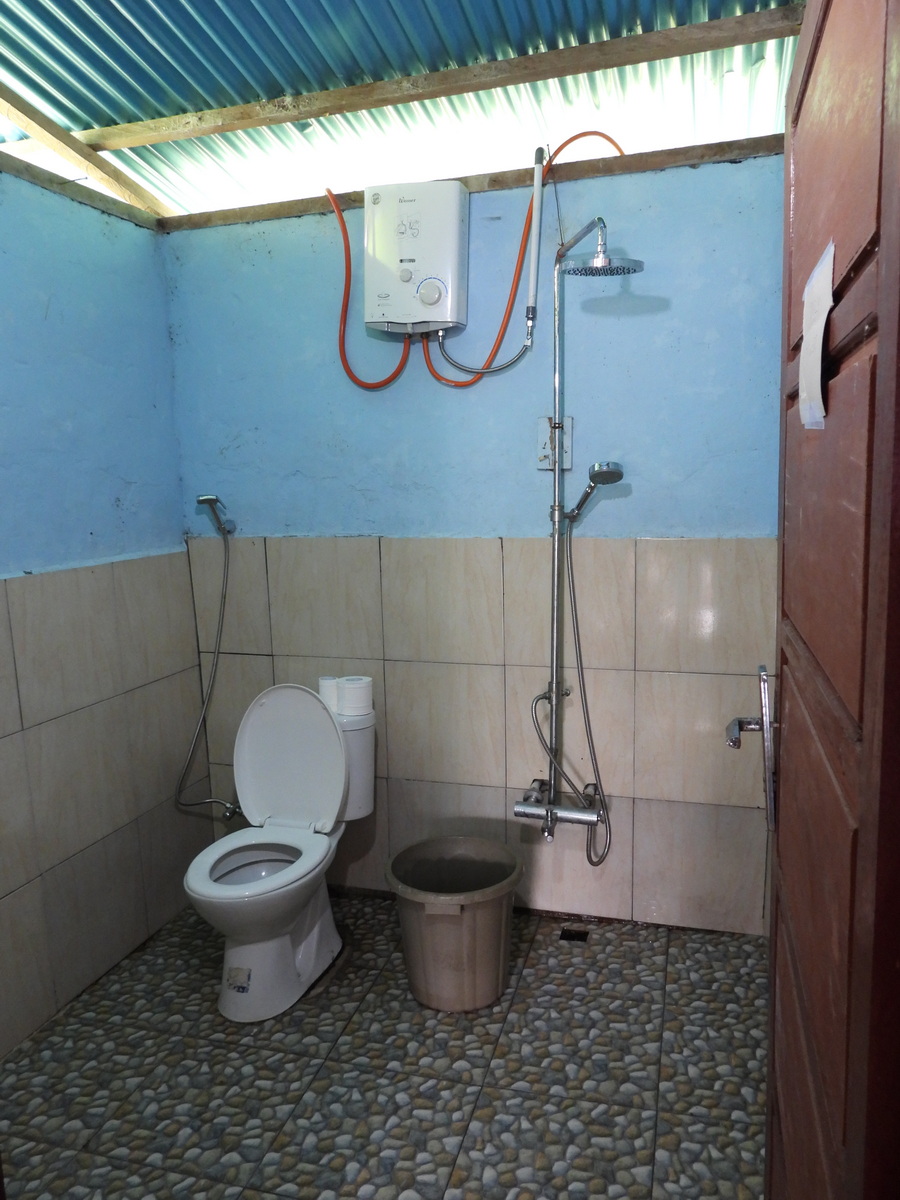
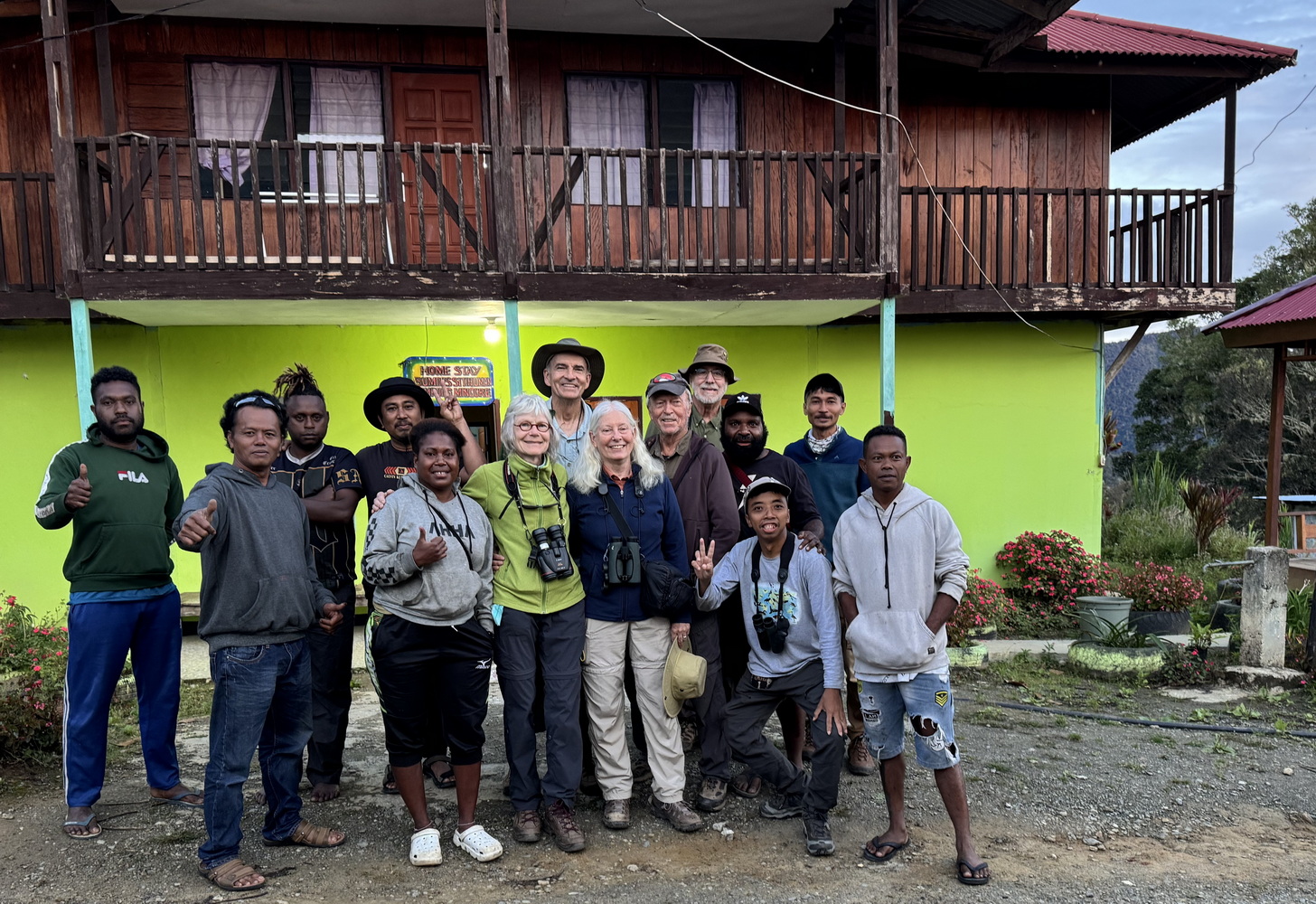
Our next flight took us to Manokwari, in the area called ‘Bird’s Head’ on the map. We went up into the Arfak Mountains and stayed in Minggre. Ecotourism is the main economic engine here and it seemed like everyone in the village contributed in some way to making our stay memorable and successful. This was a ‘home stay’, which means that the villagers move out of their home so you can stay in it during your visit. We were the first to benefit from their recent improvements – two on-demand hot water showers in our guesthouse. They worked too, once we got the hang of them!
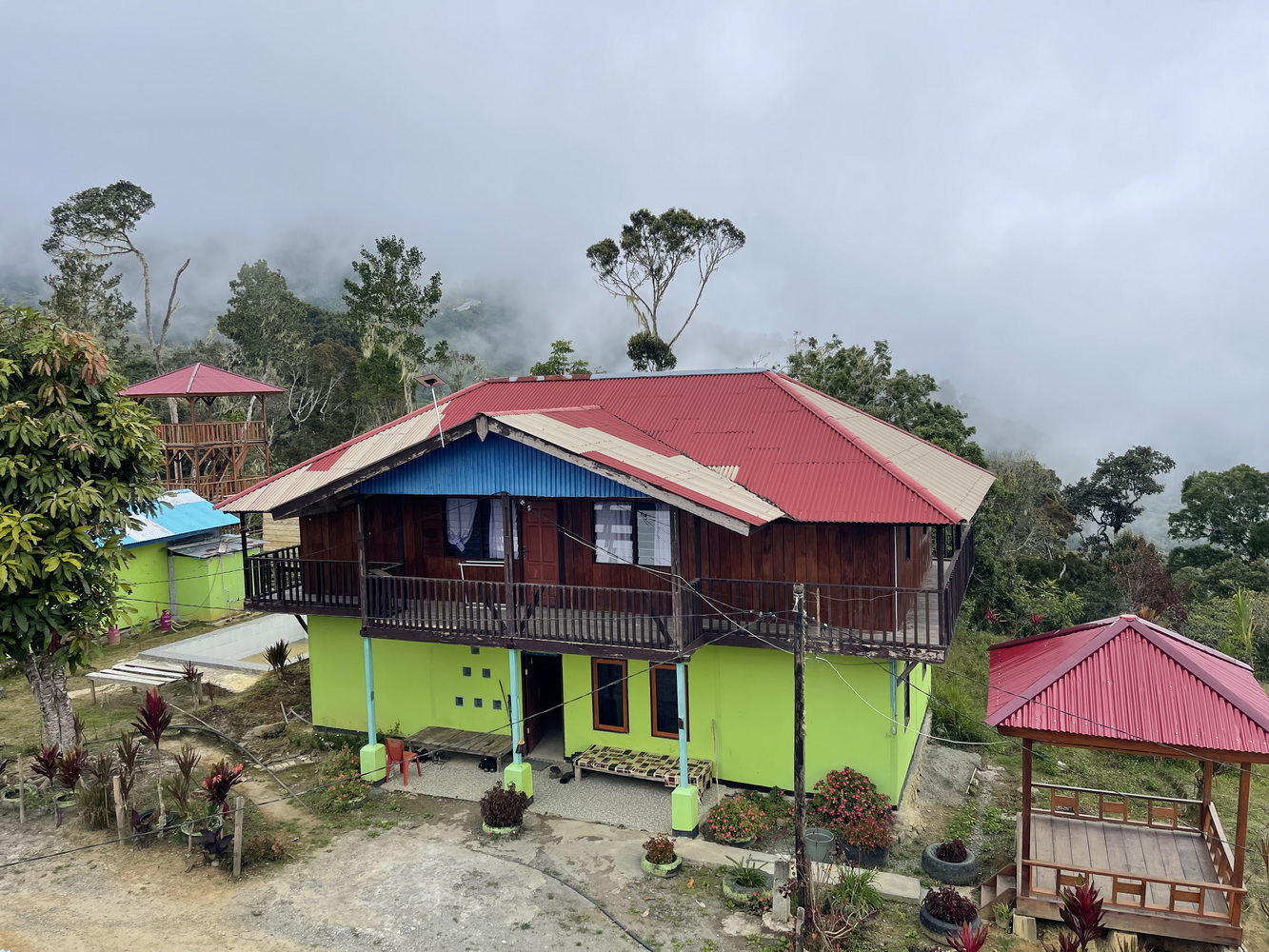
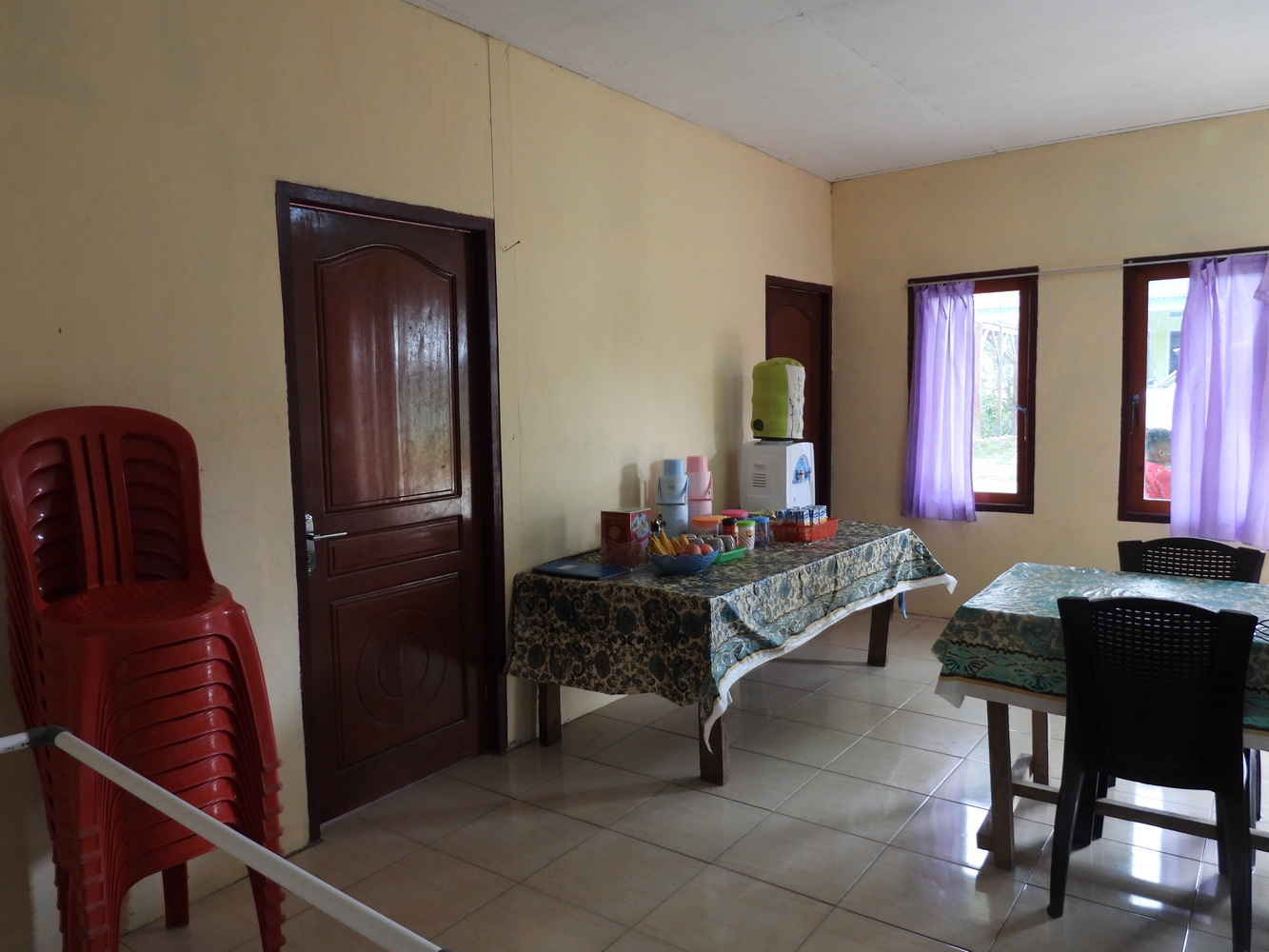
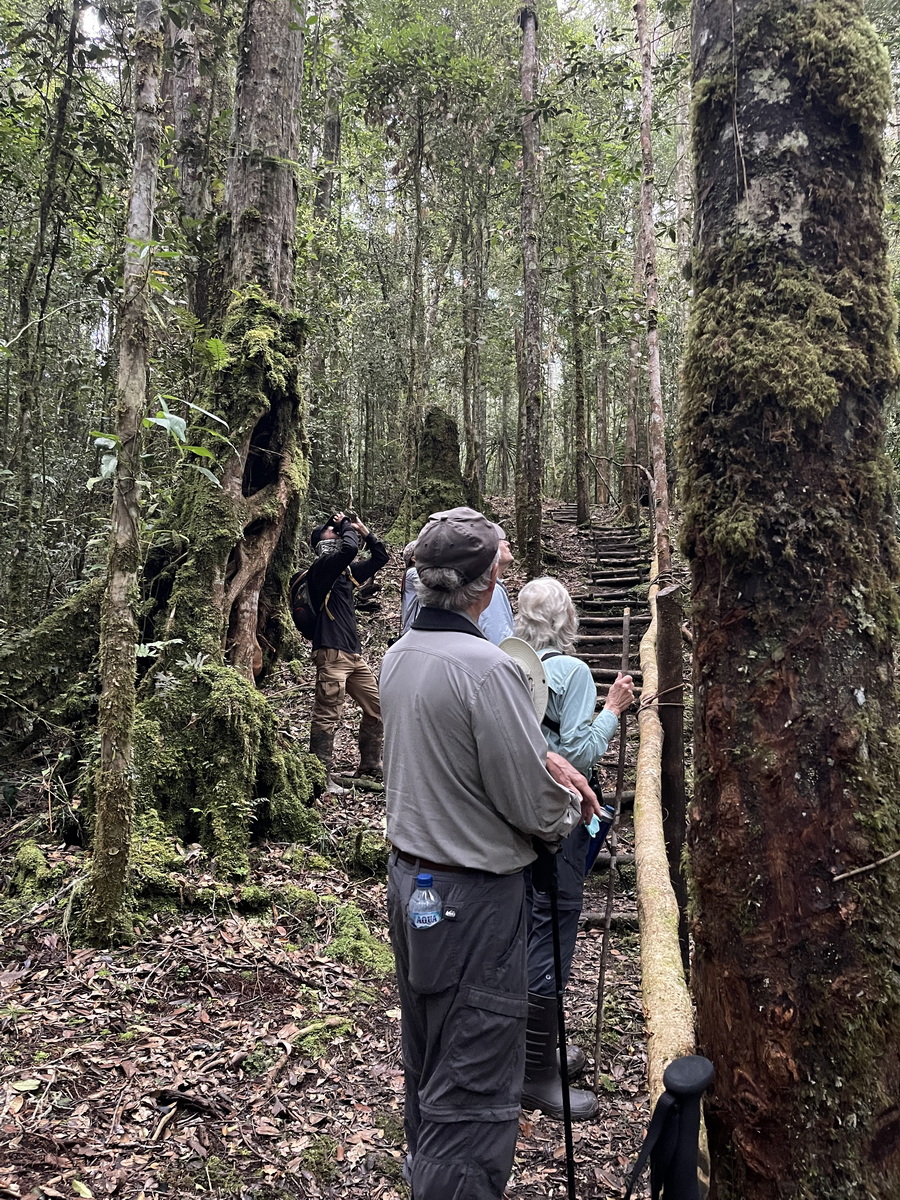
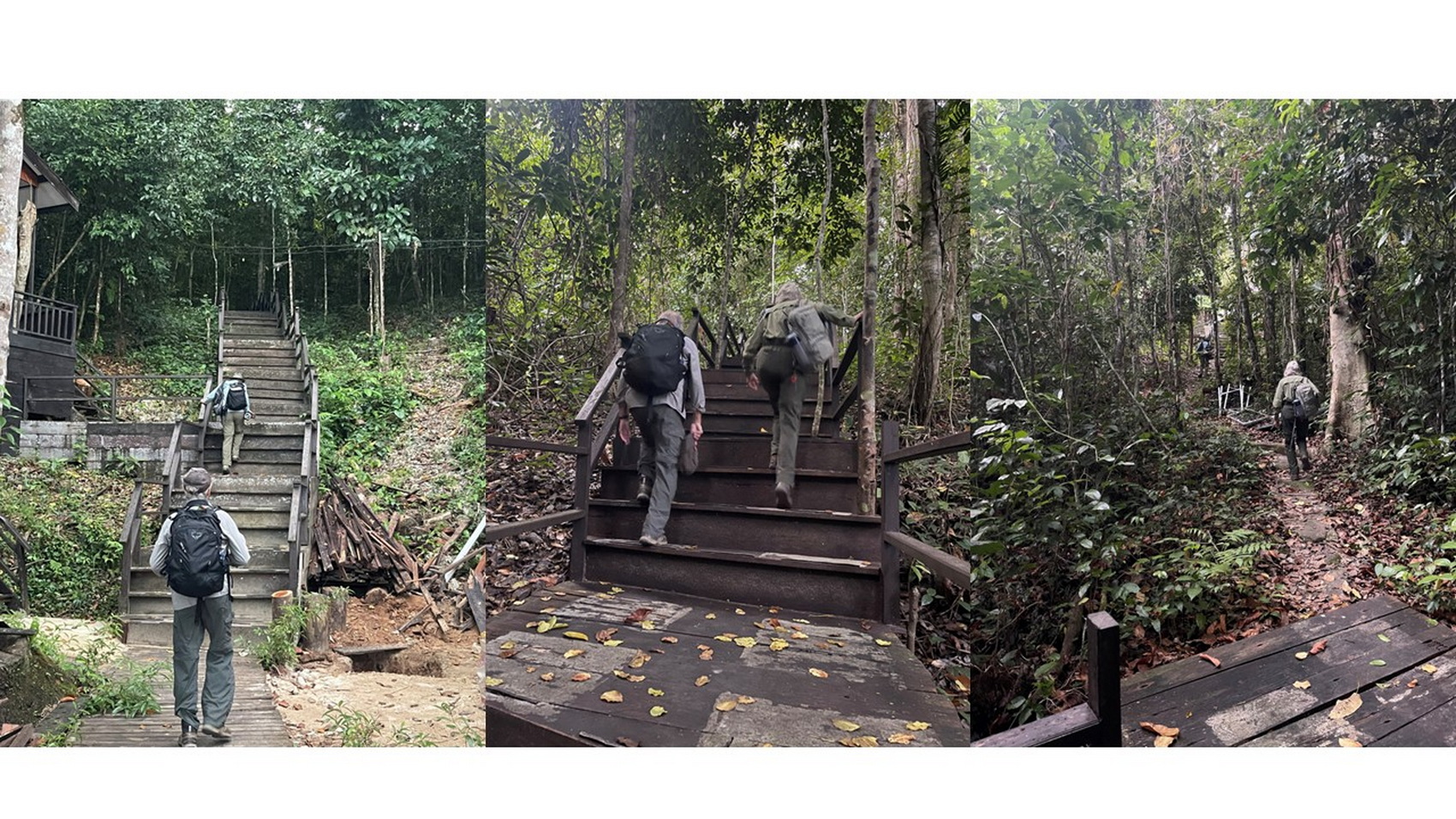
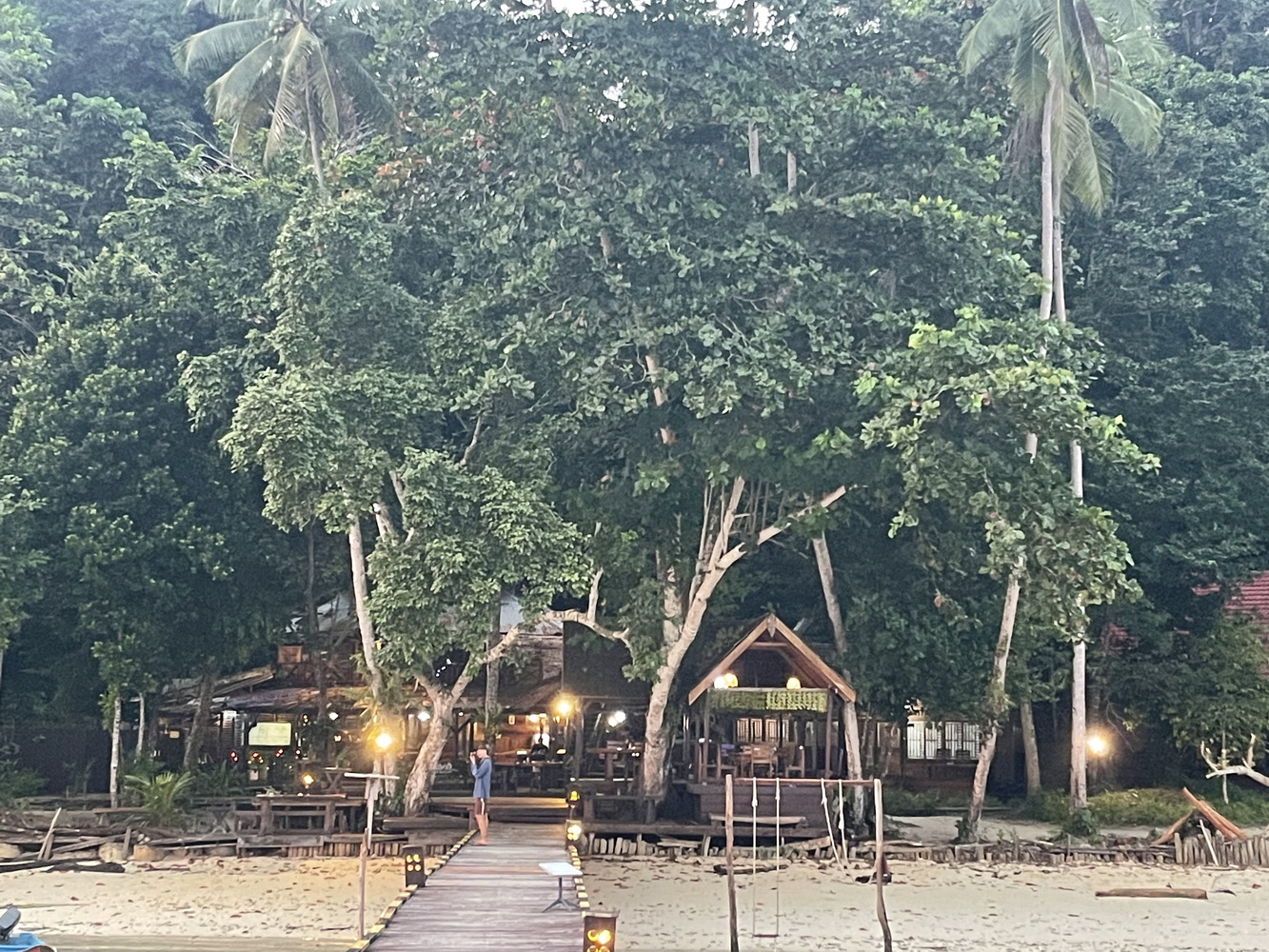
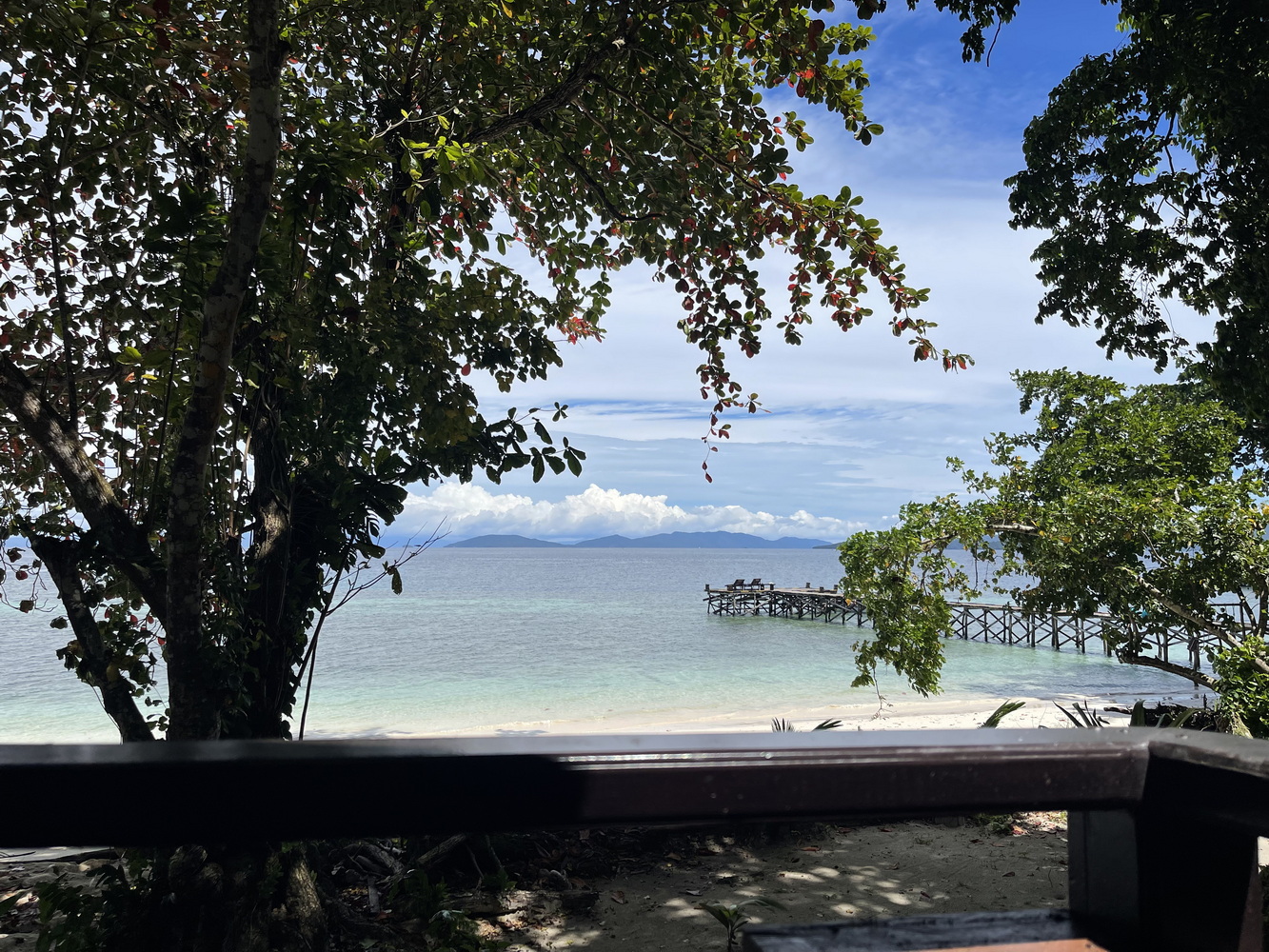
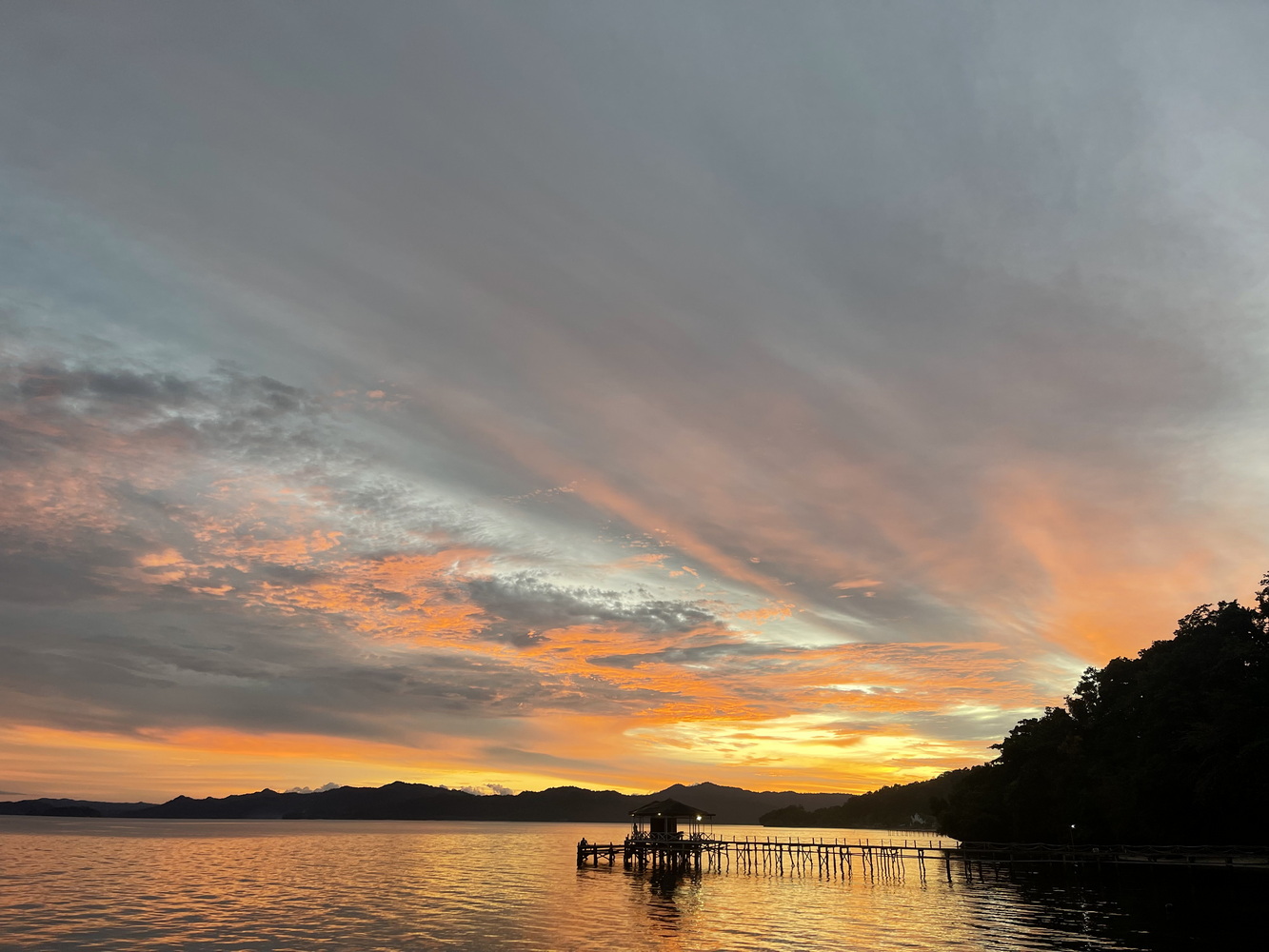
Finally, we flew to Sorong and took a ferry to Waigeo Island, one of the Raja Ampat (or Northwest) Islands that are most famous for scuba and snorkeling. Our lodge was originally built as a dive lodge, with stairs and a basic road added much later when birders started arriving. It was a beautiful place!
Birding Highlights
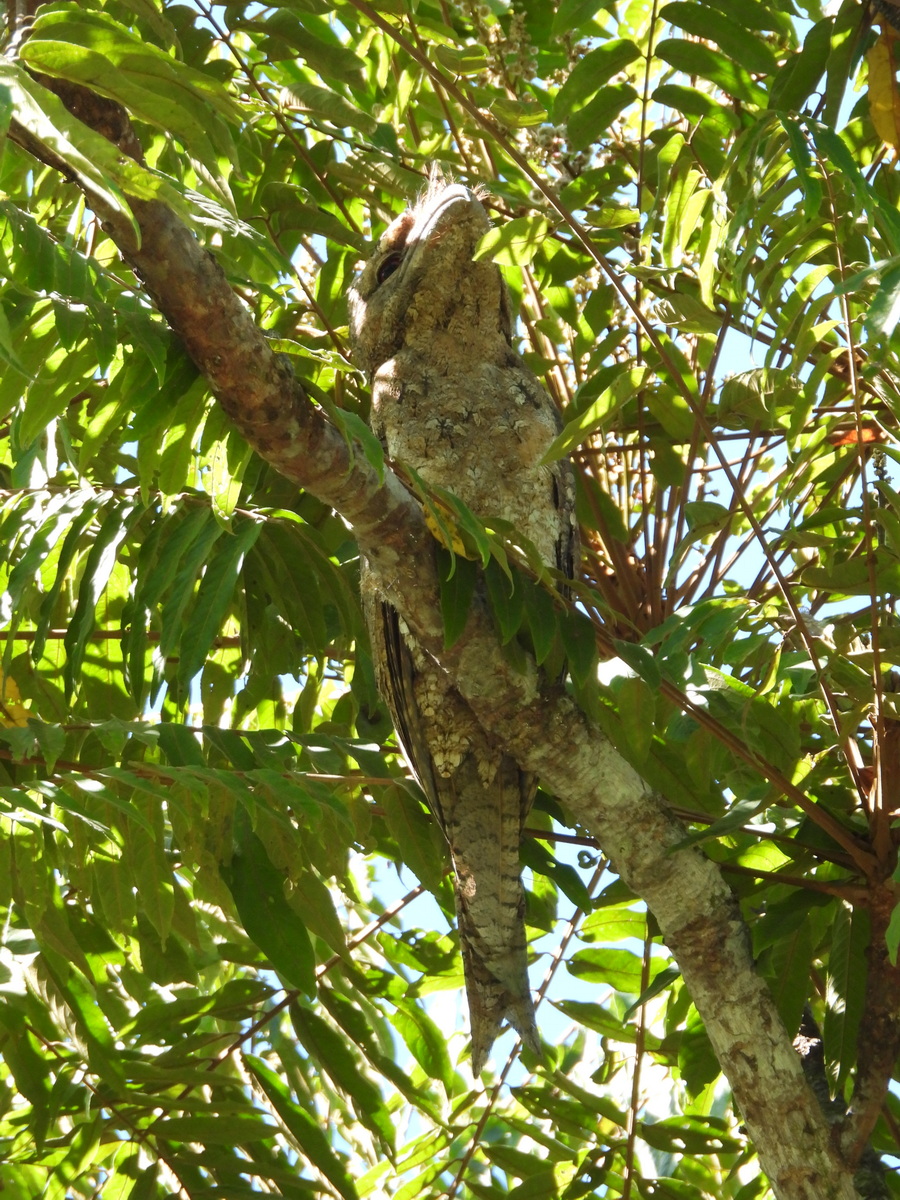
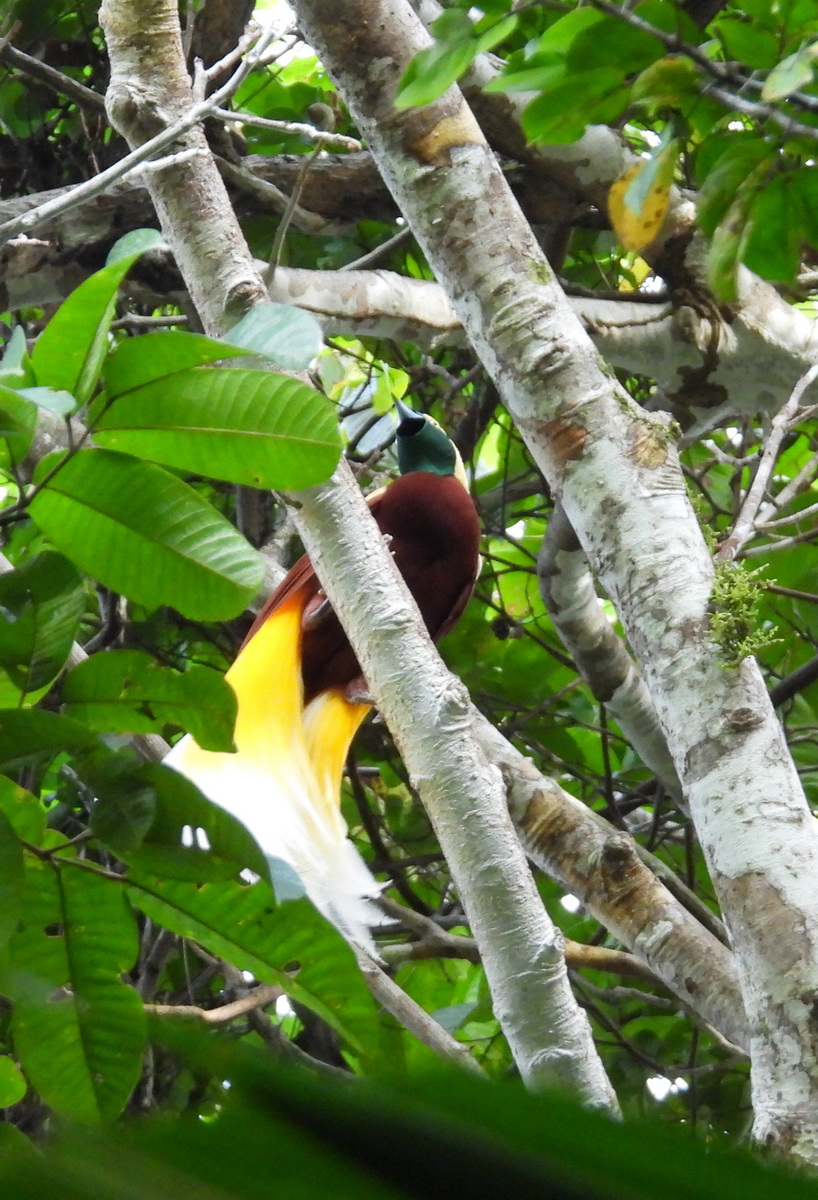
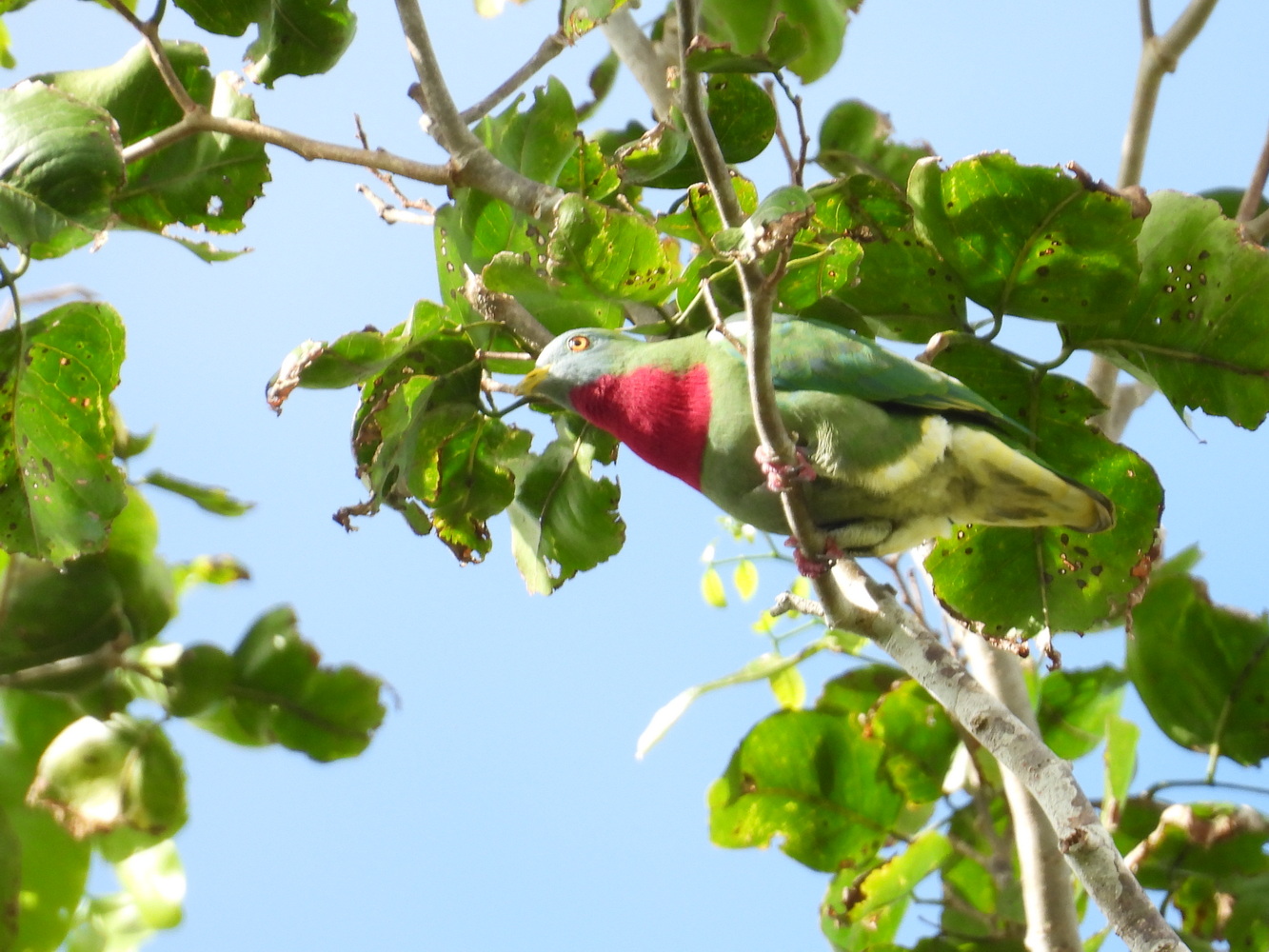
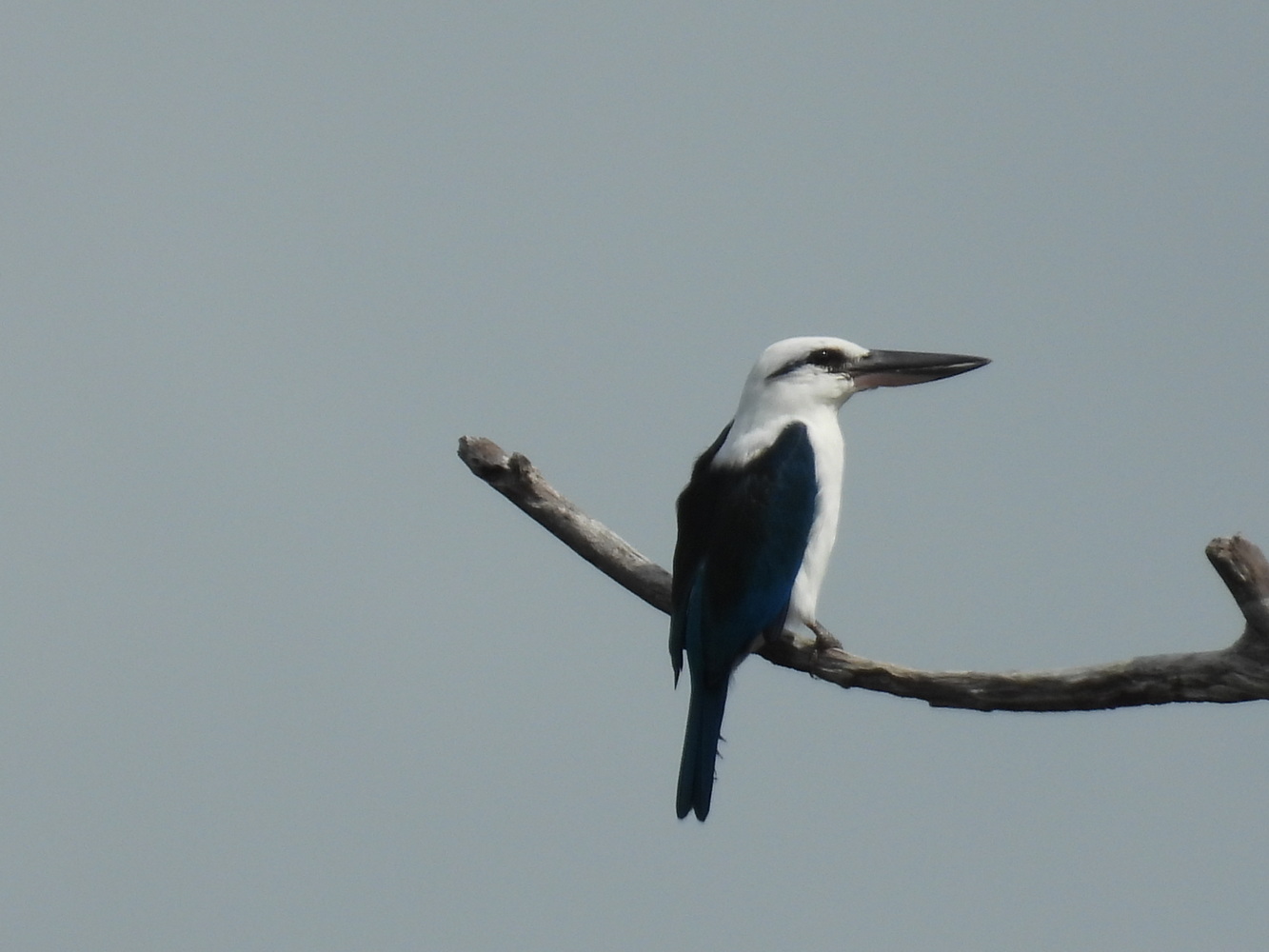
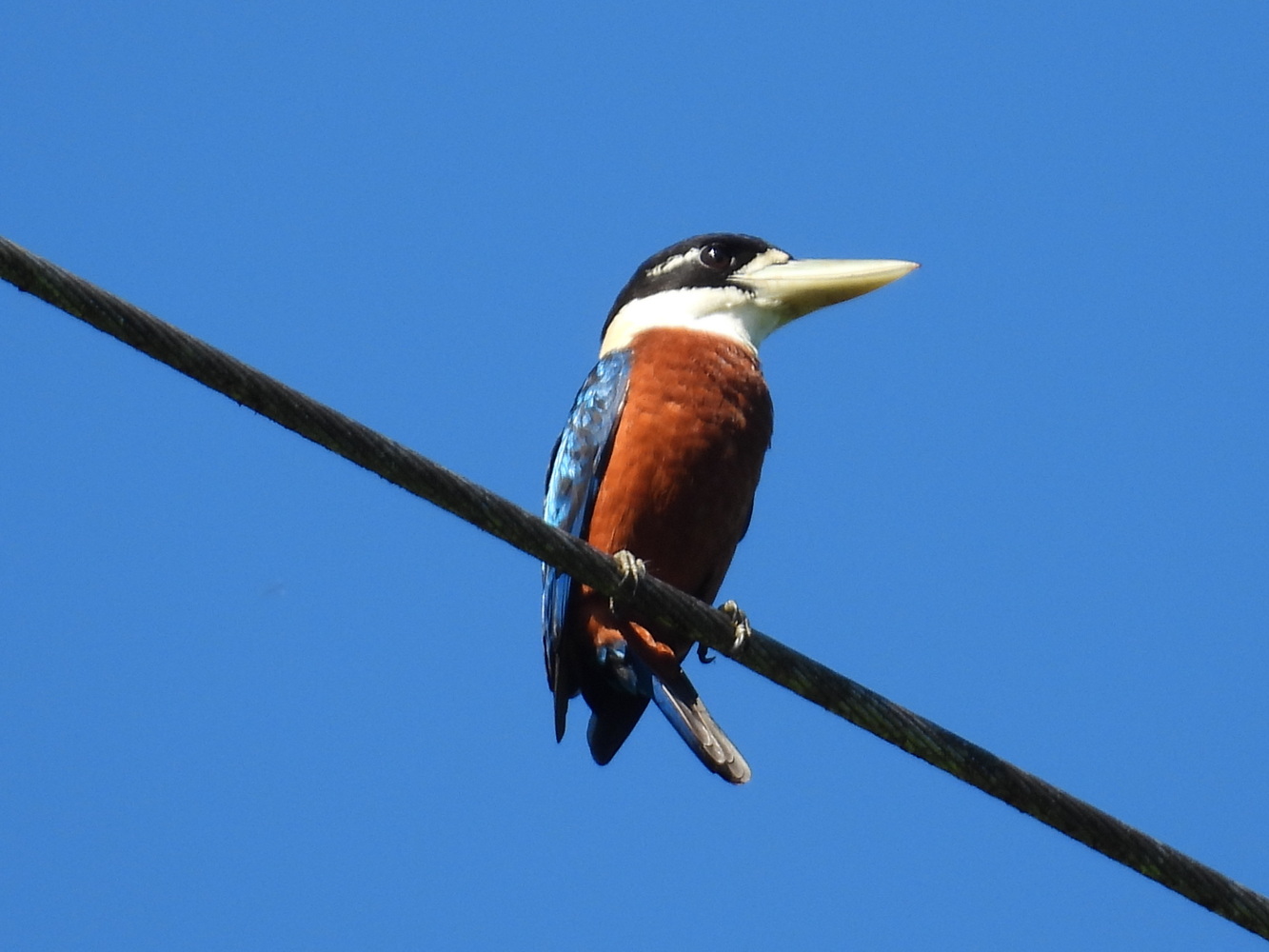
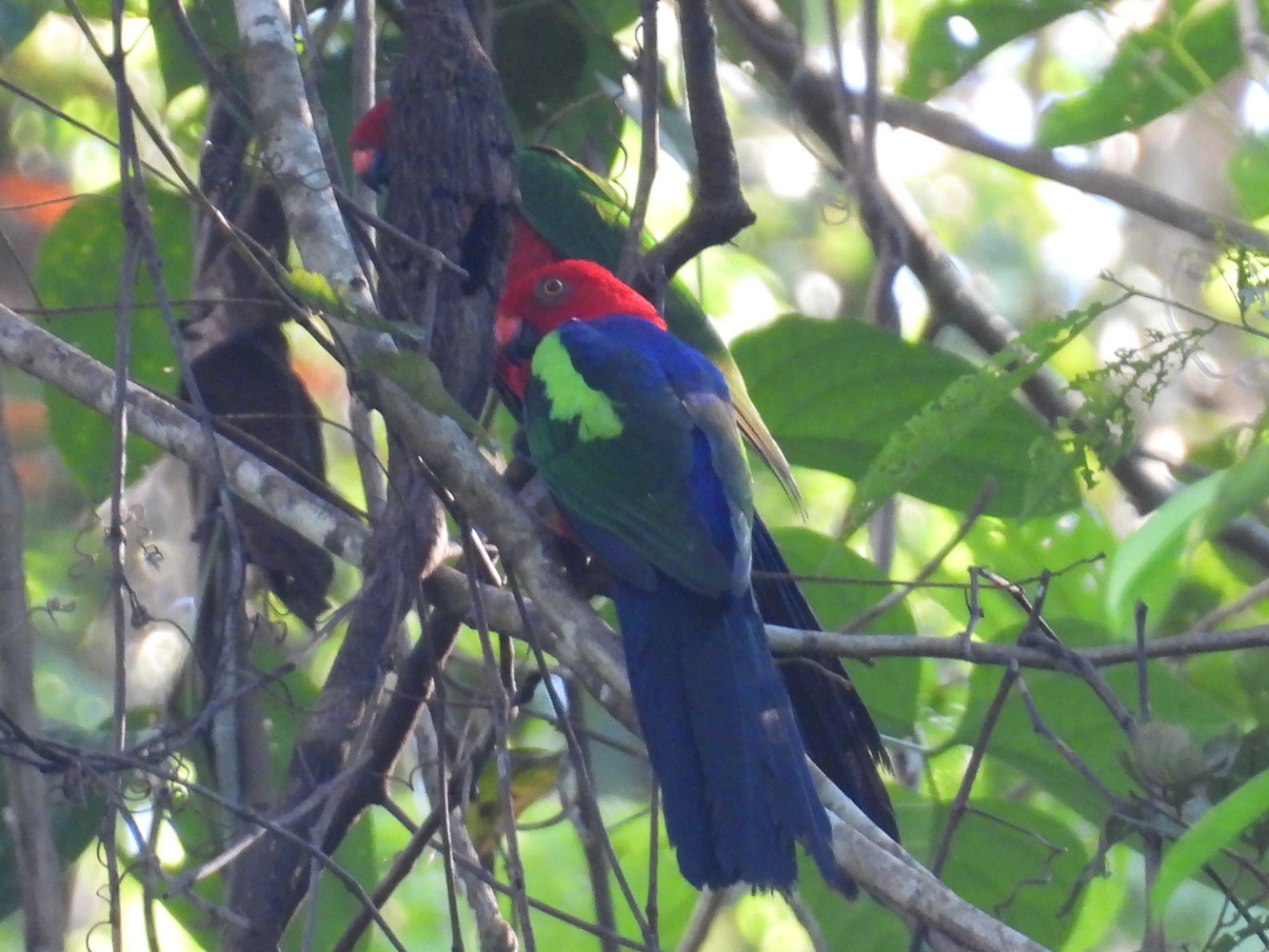
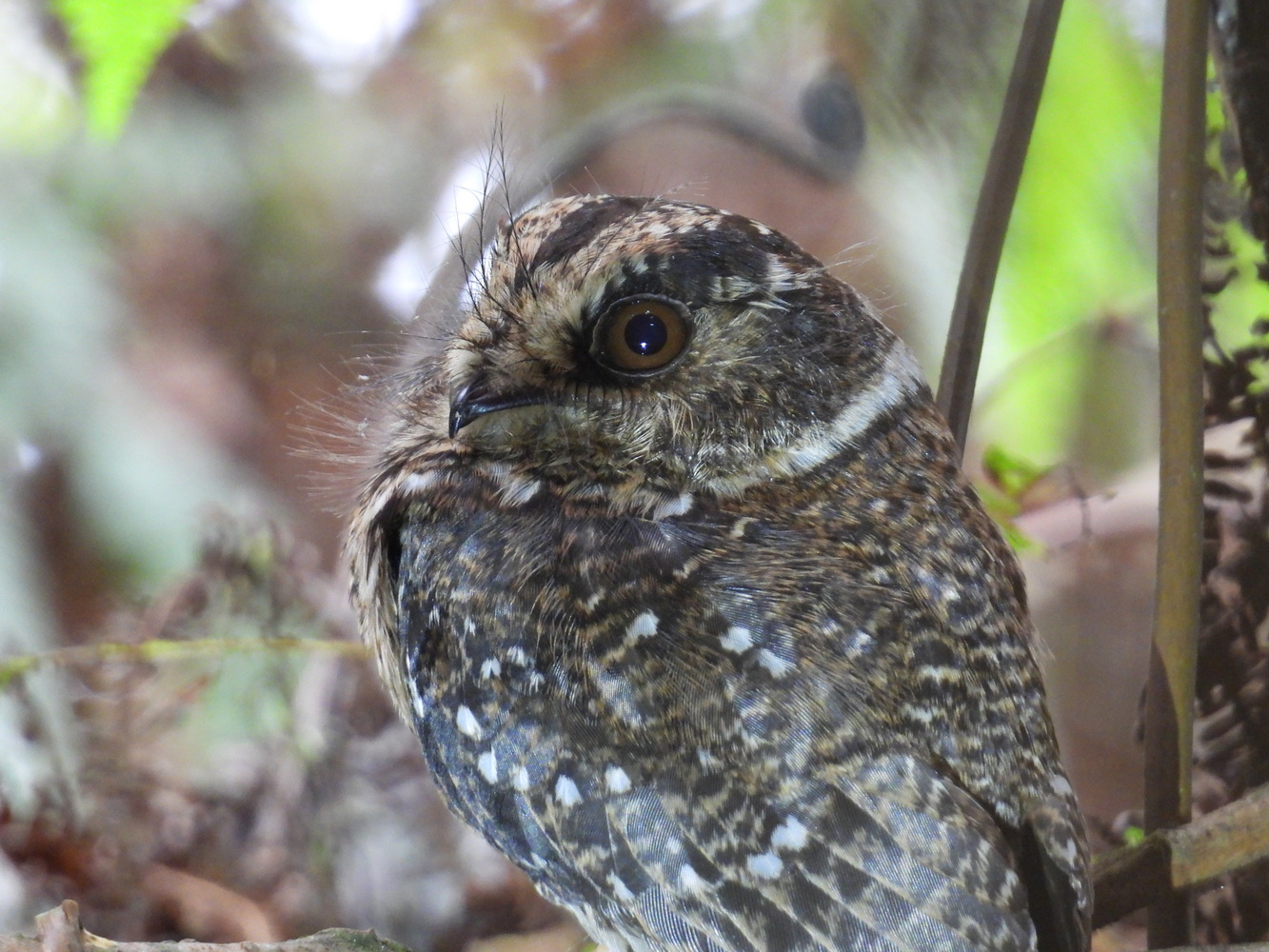
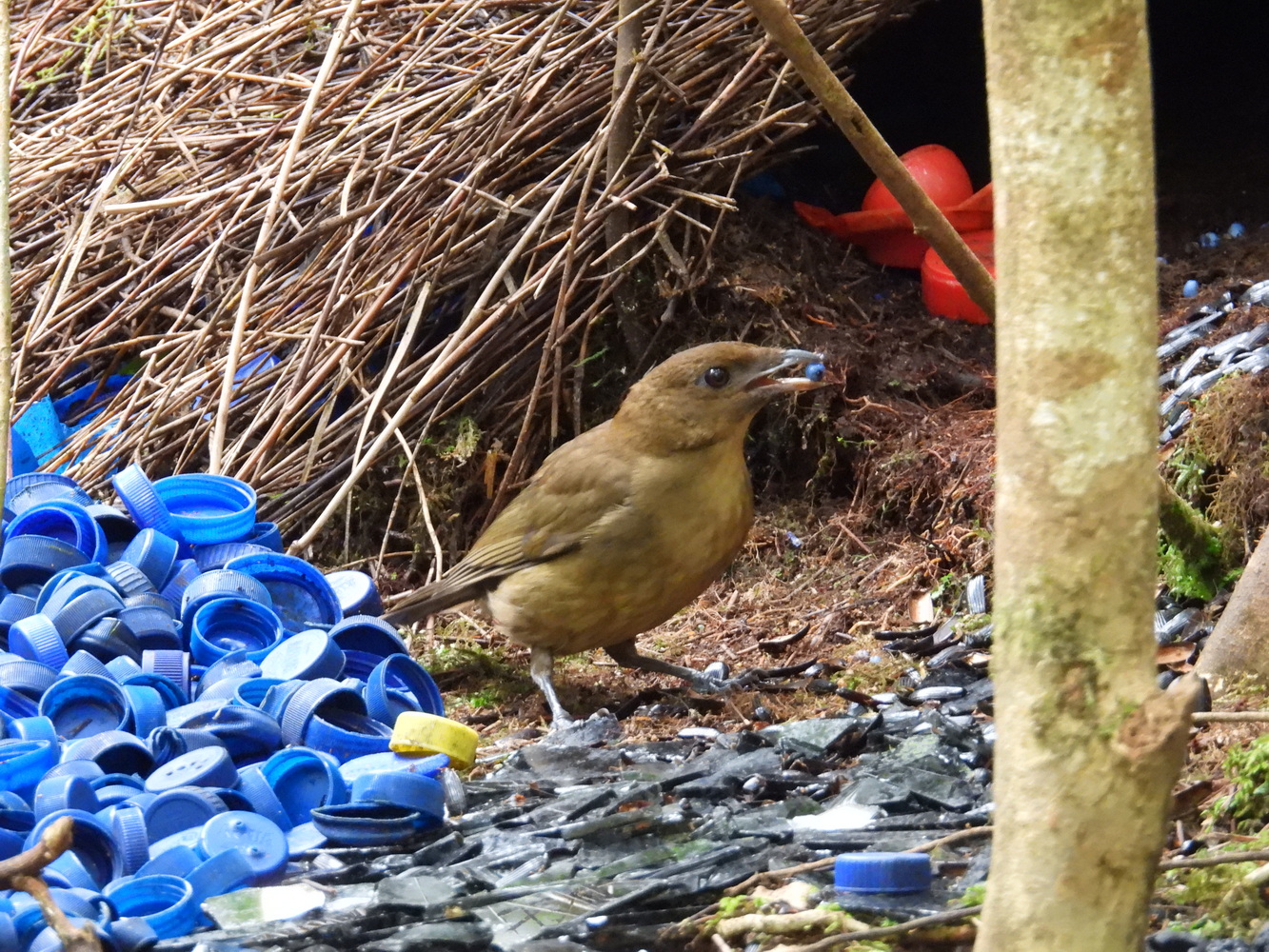
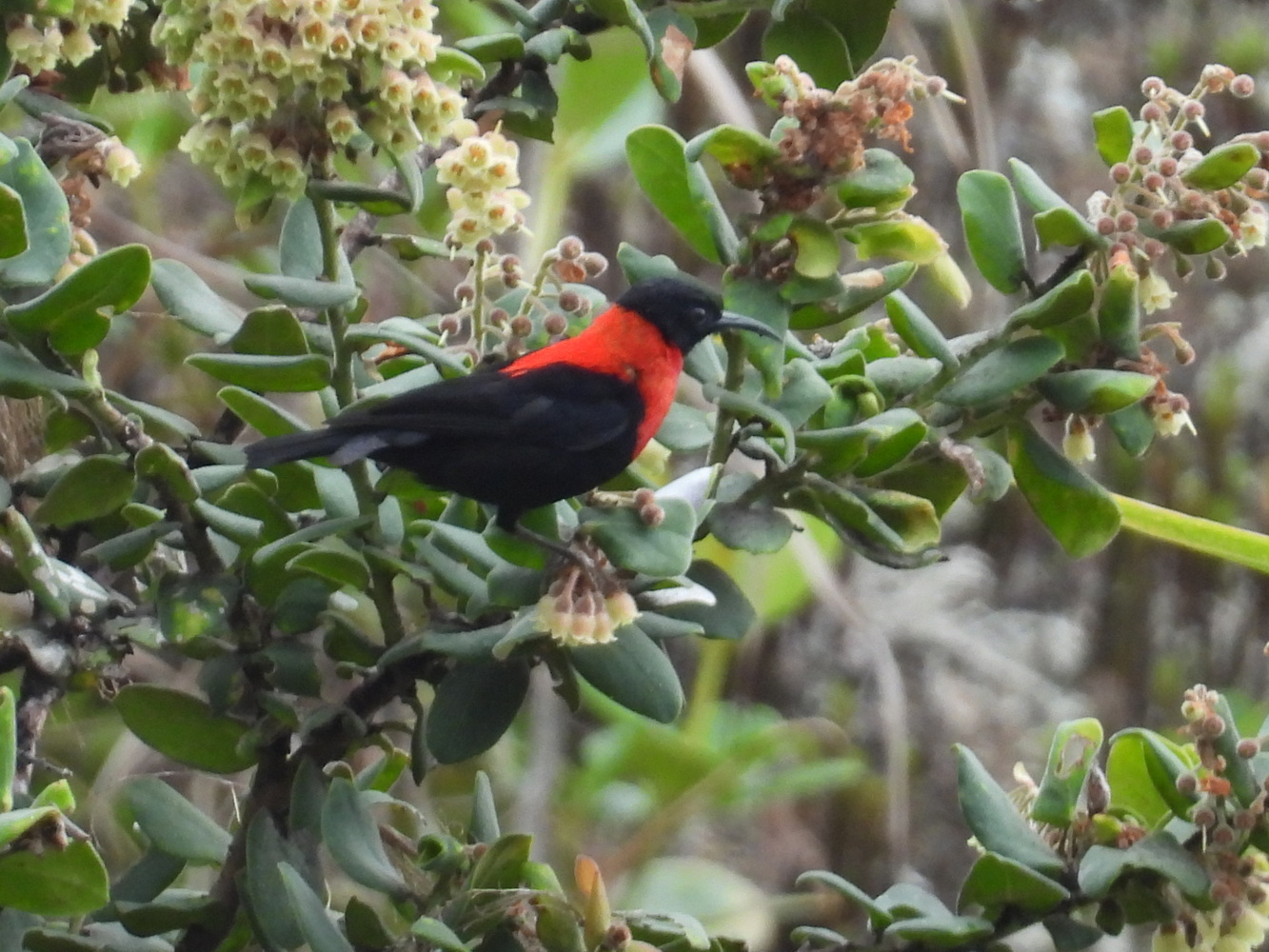
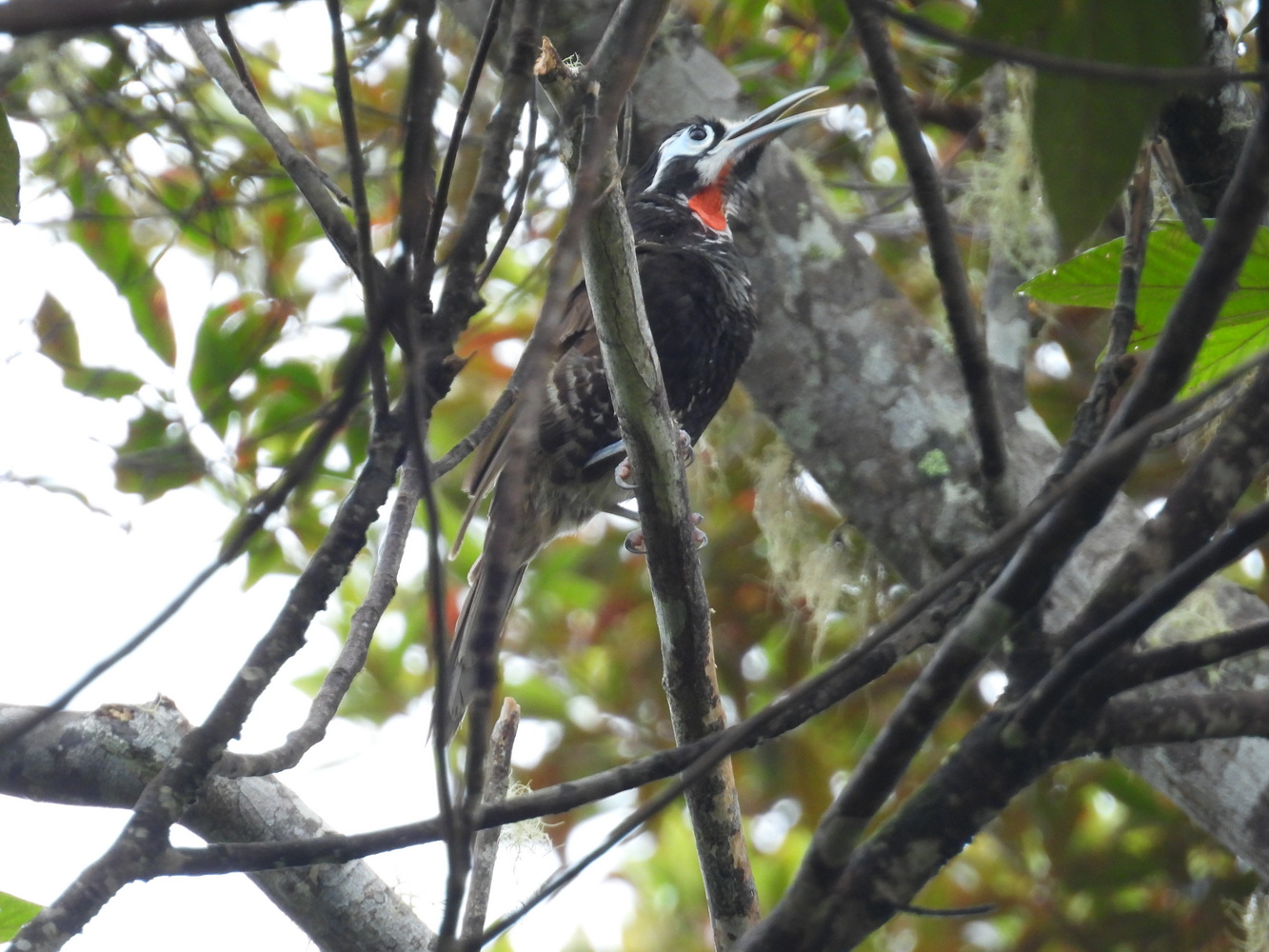
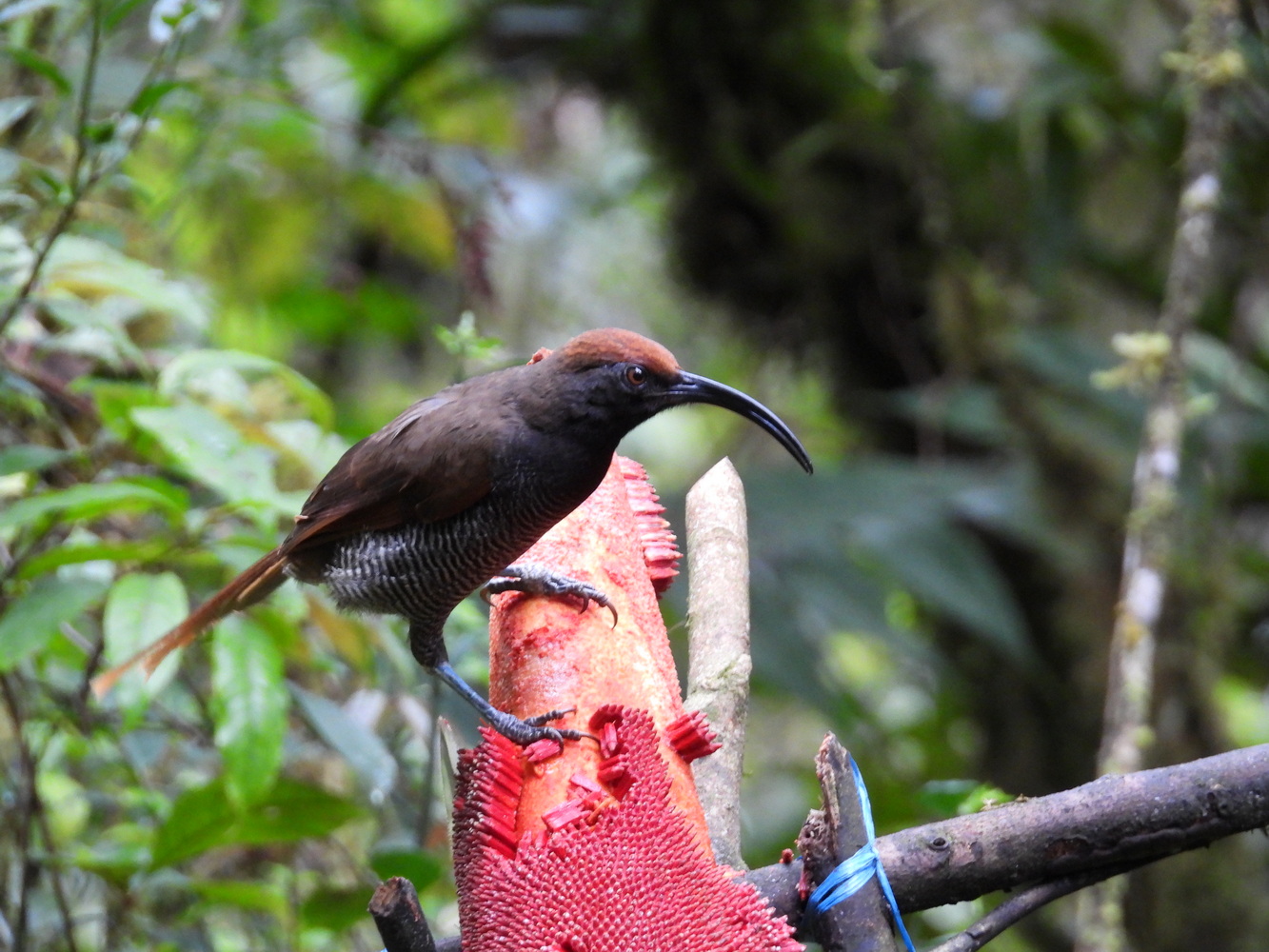
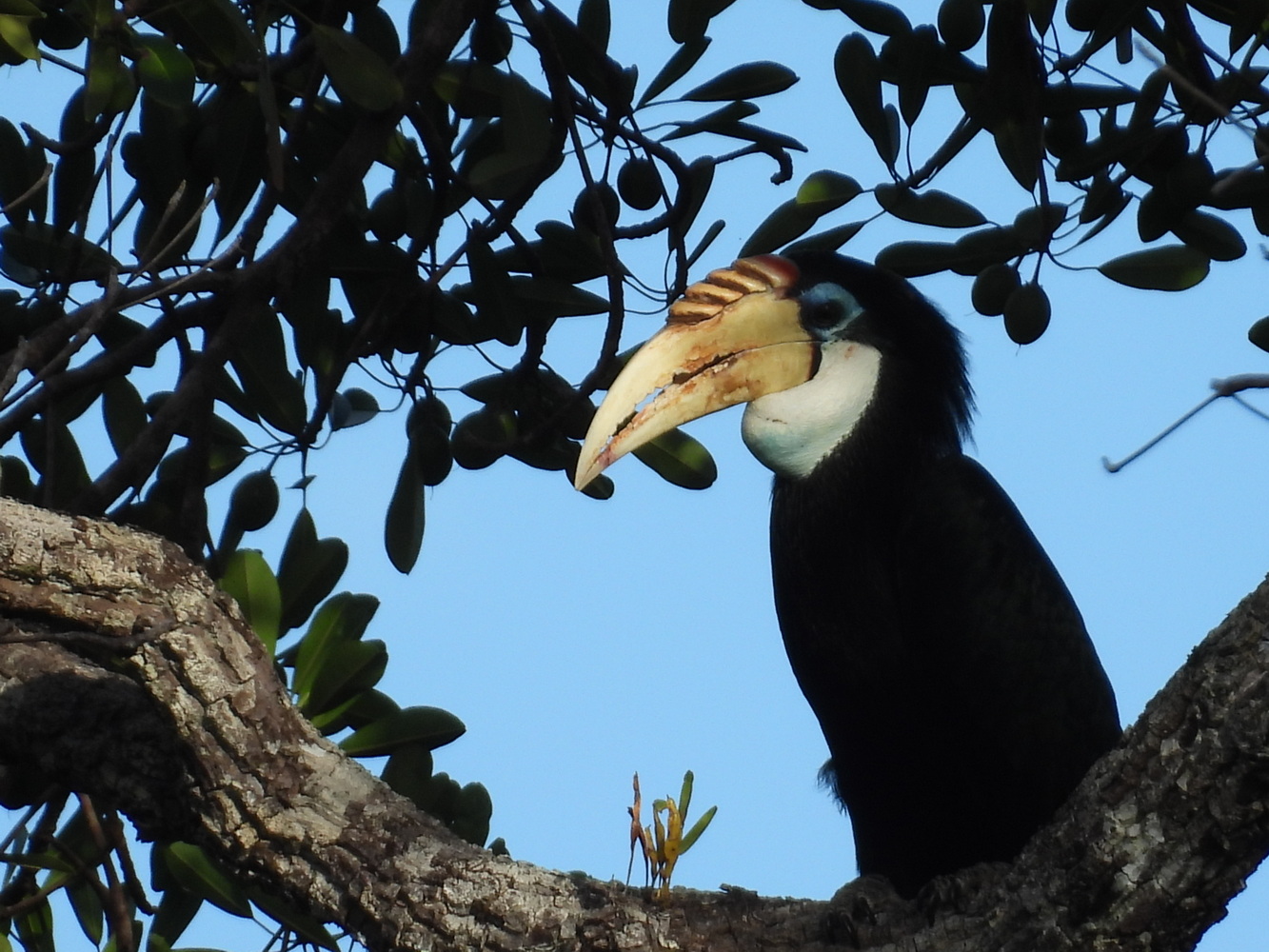
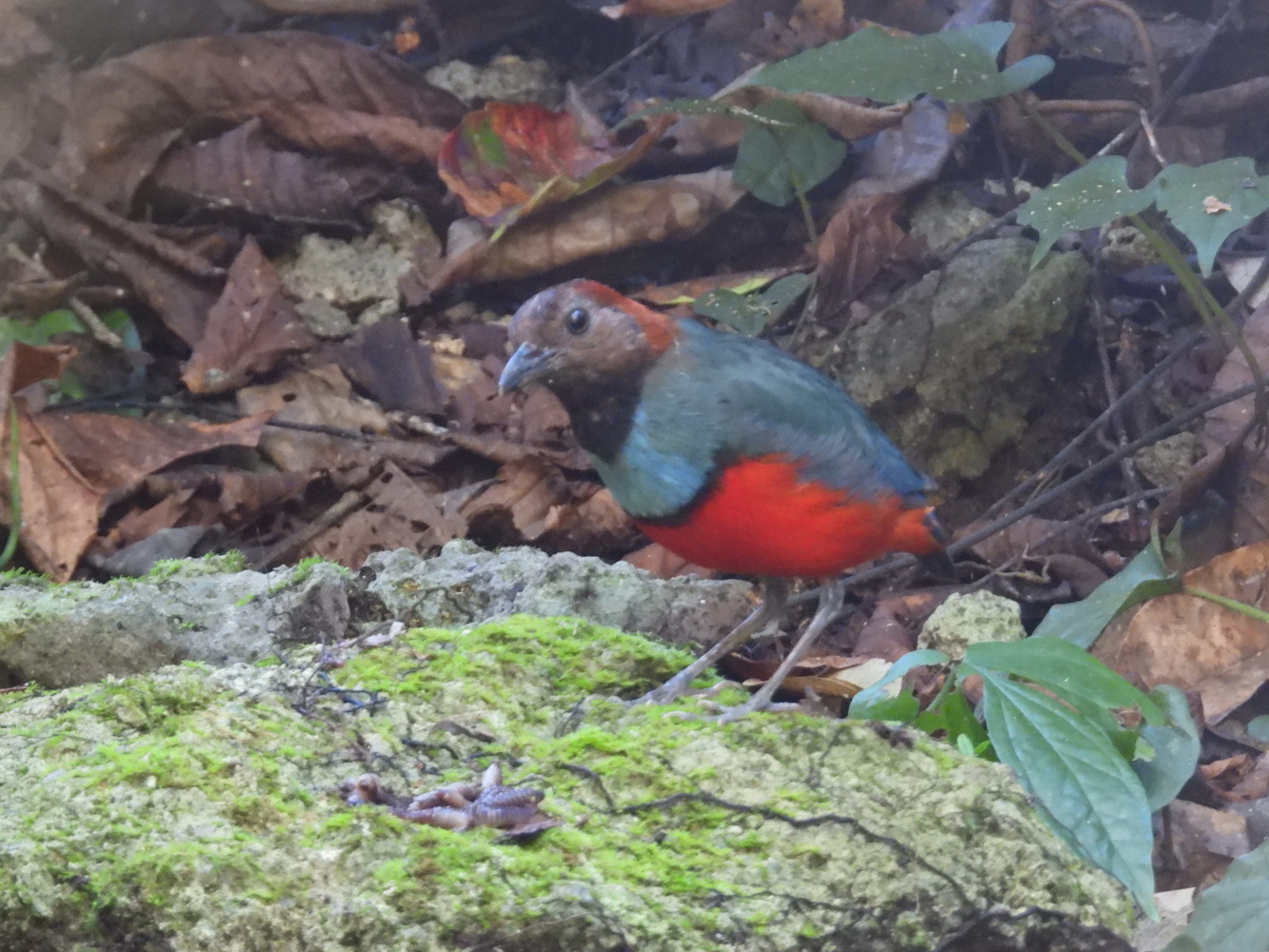
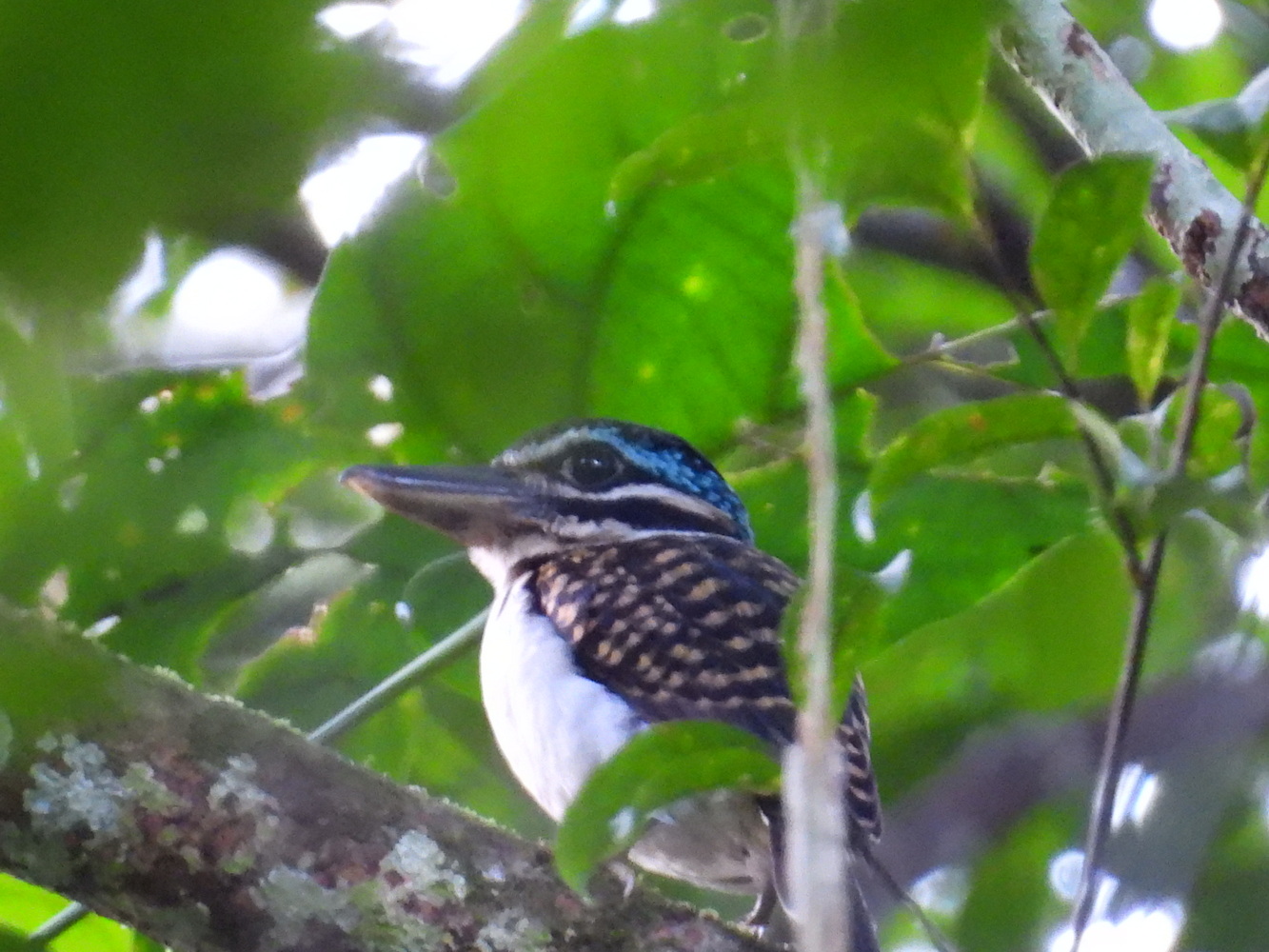
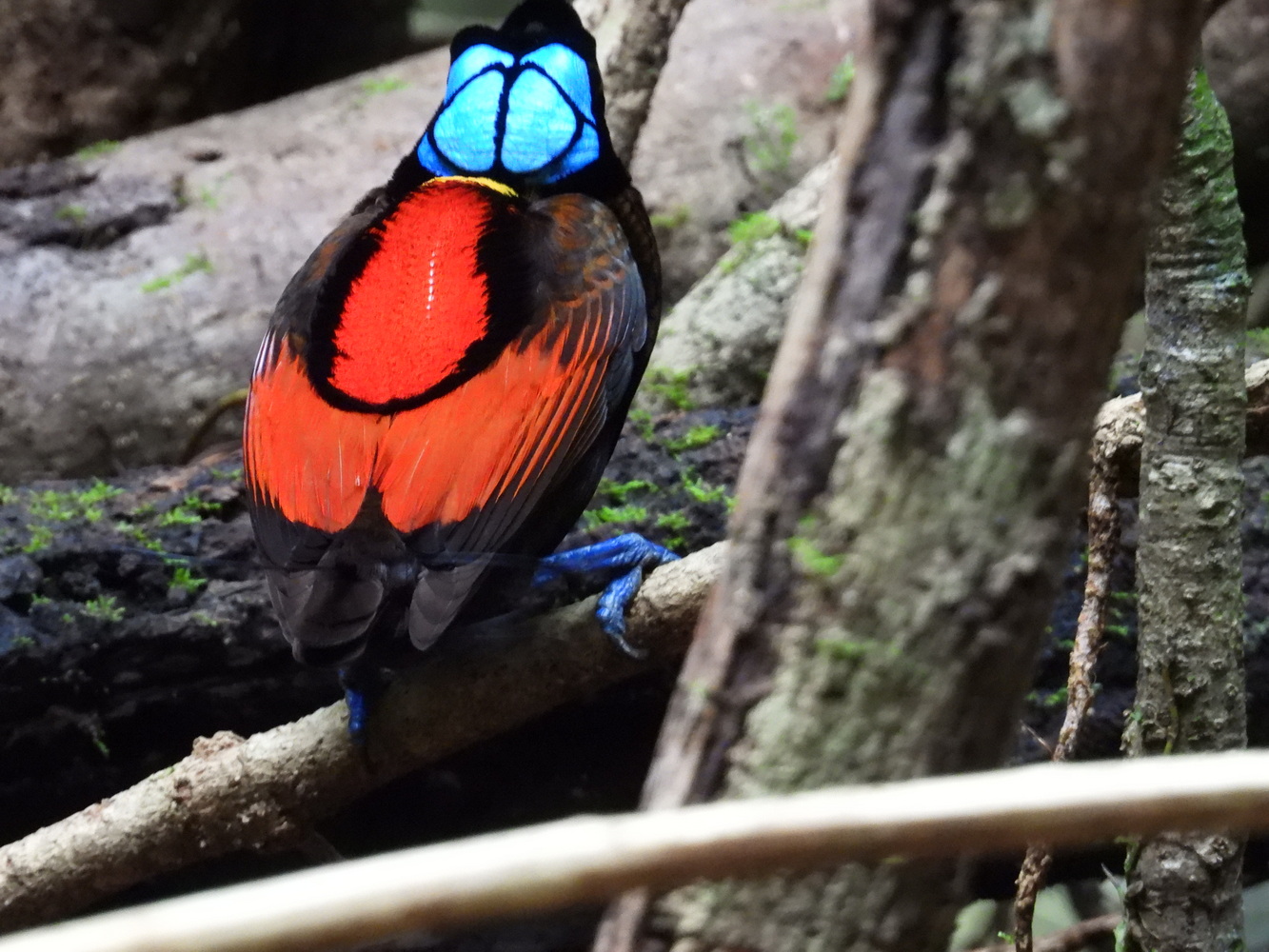
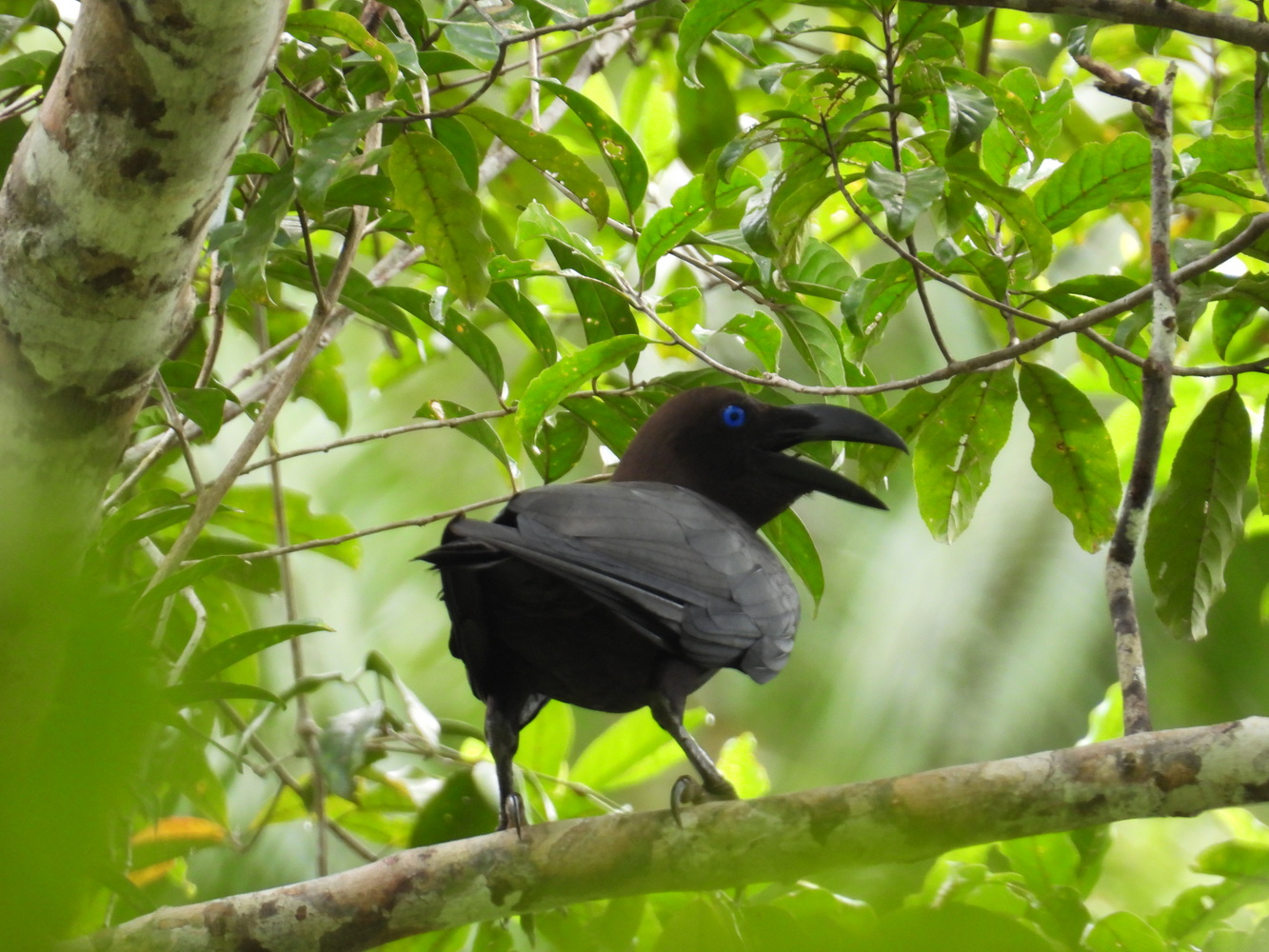
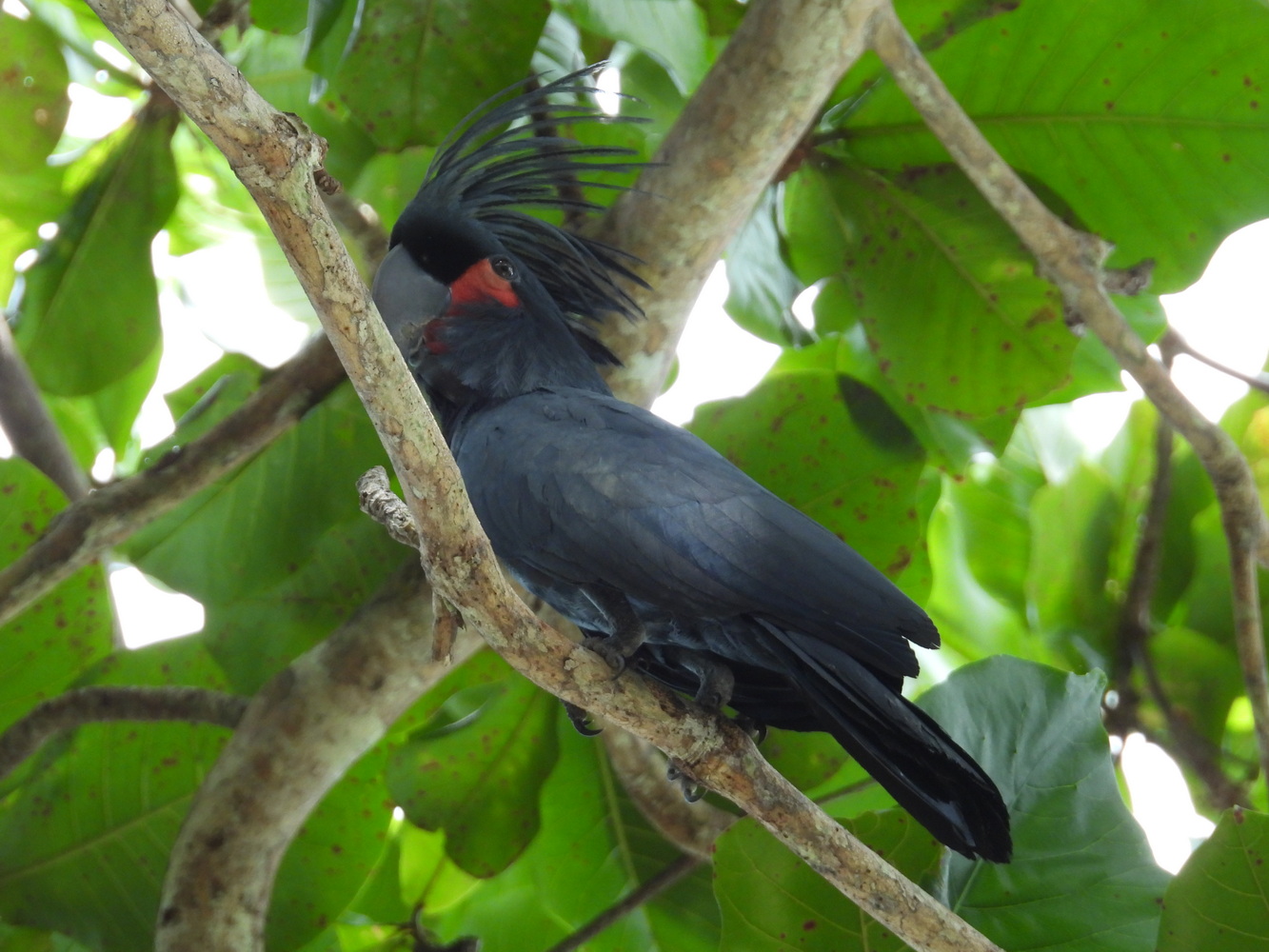
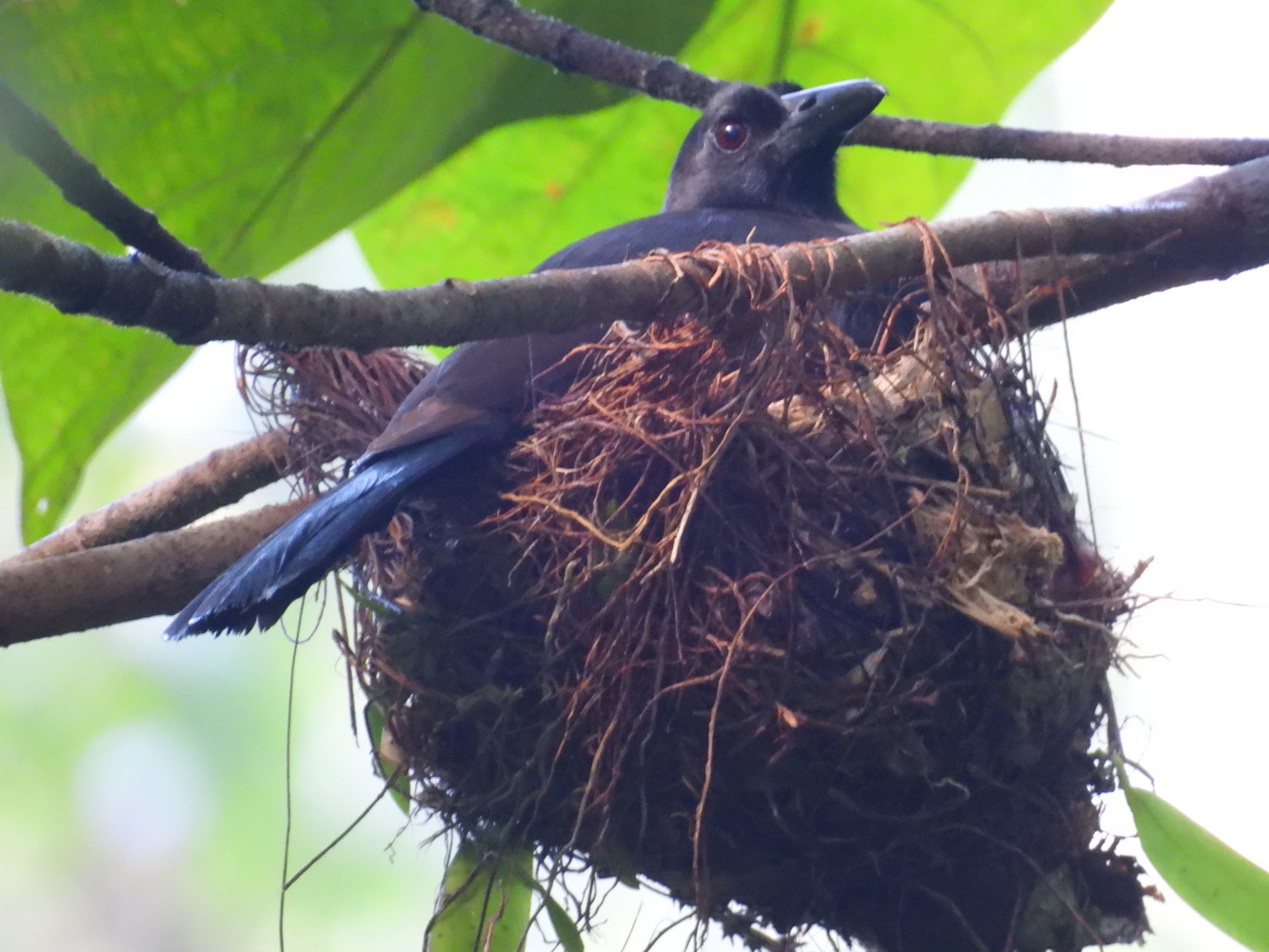
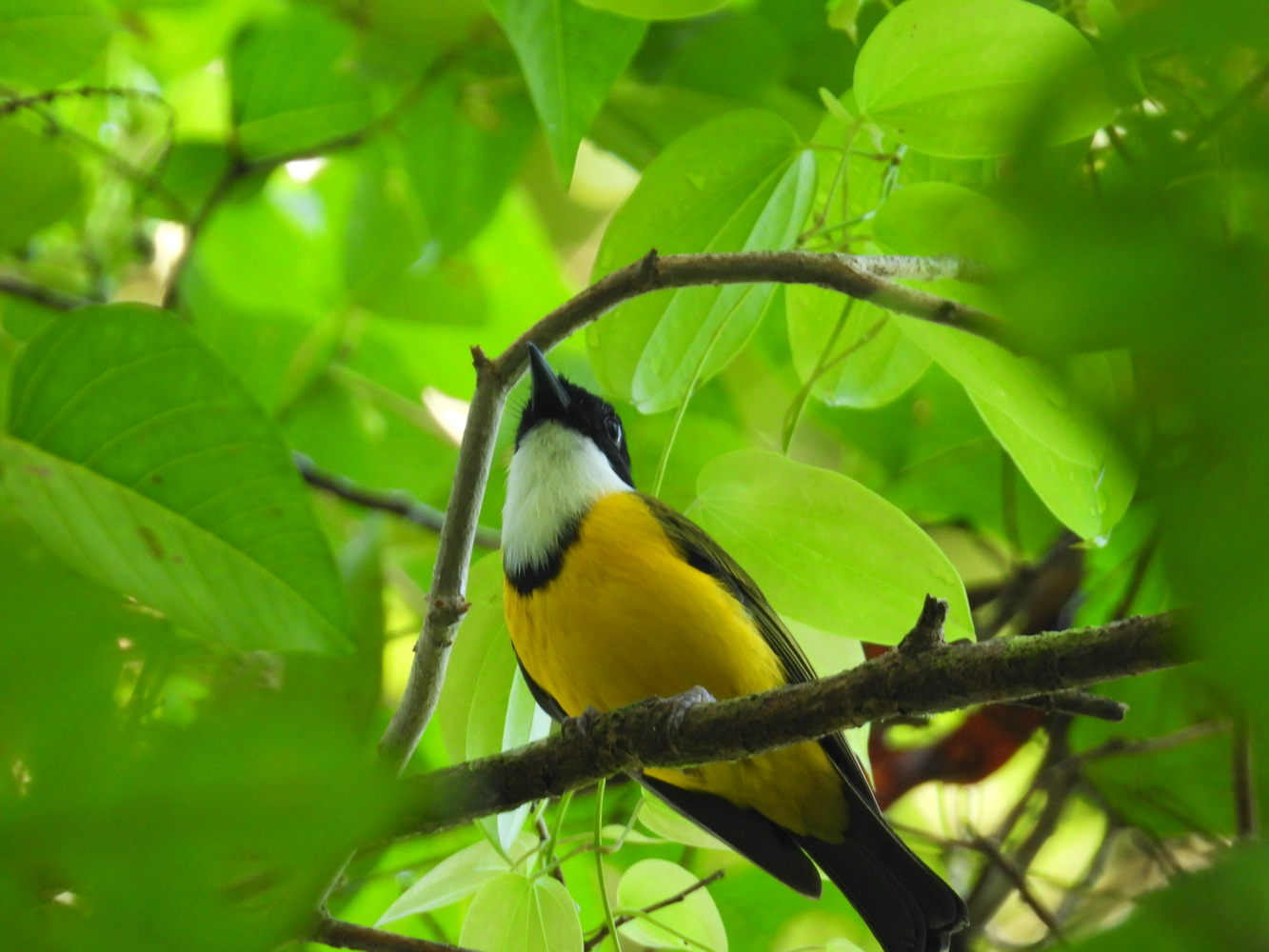
The birds in West Papua were fantastic! We missed some unique birds because of the unrest in the Snow Mountains, and many of these are very scarce so you have to be lucky to see them. Here is a gallery of some highlights.
Part 2: Sulawesi and Halmahera
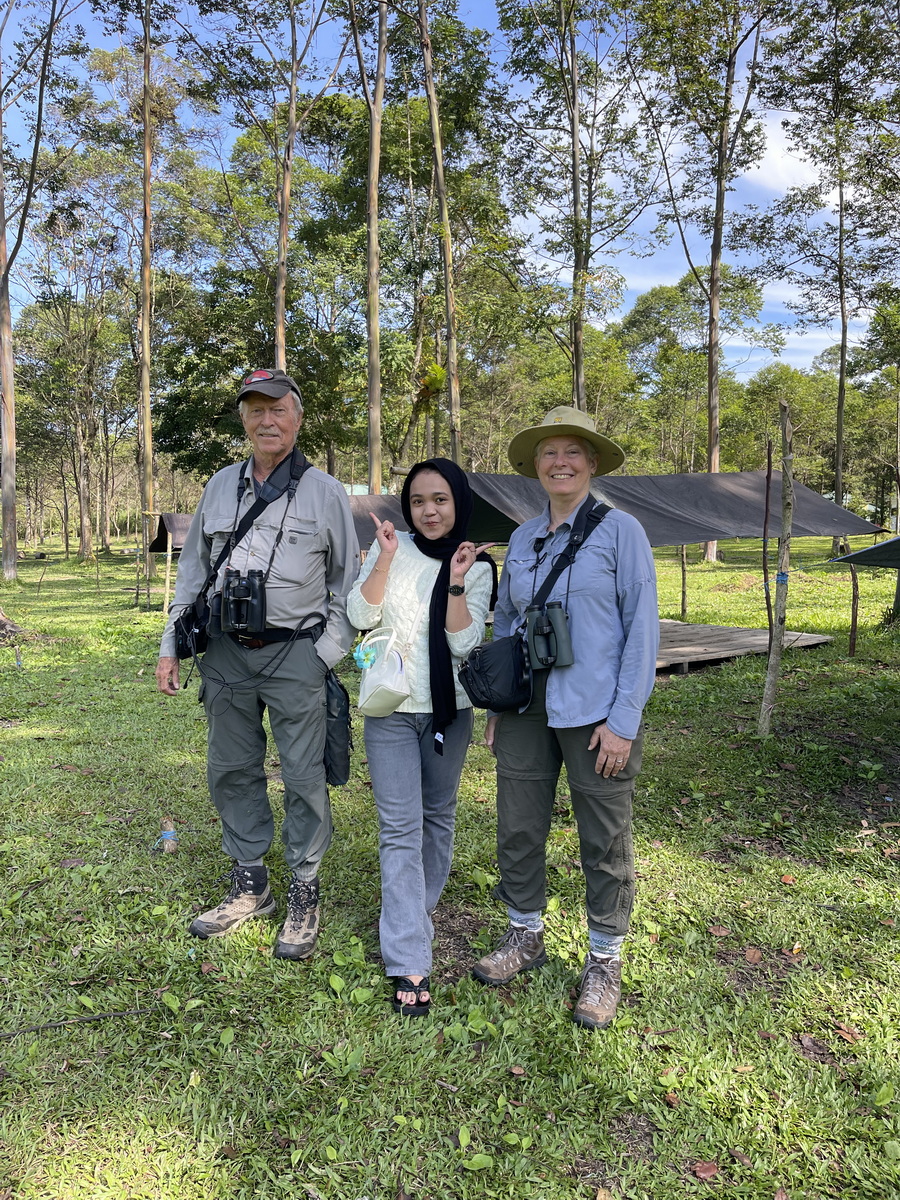
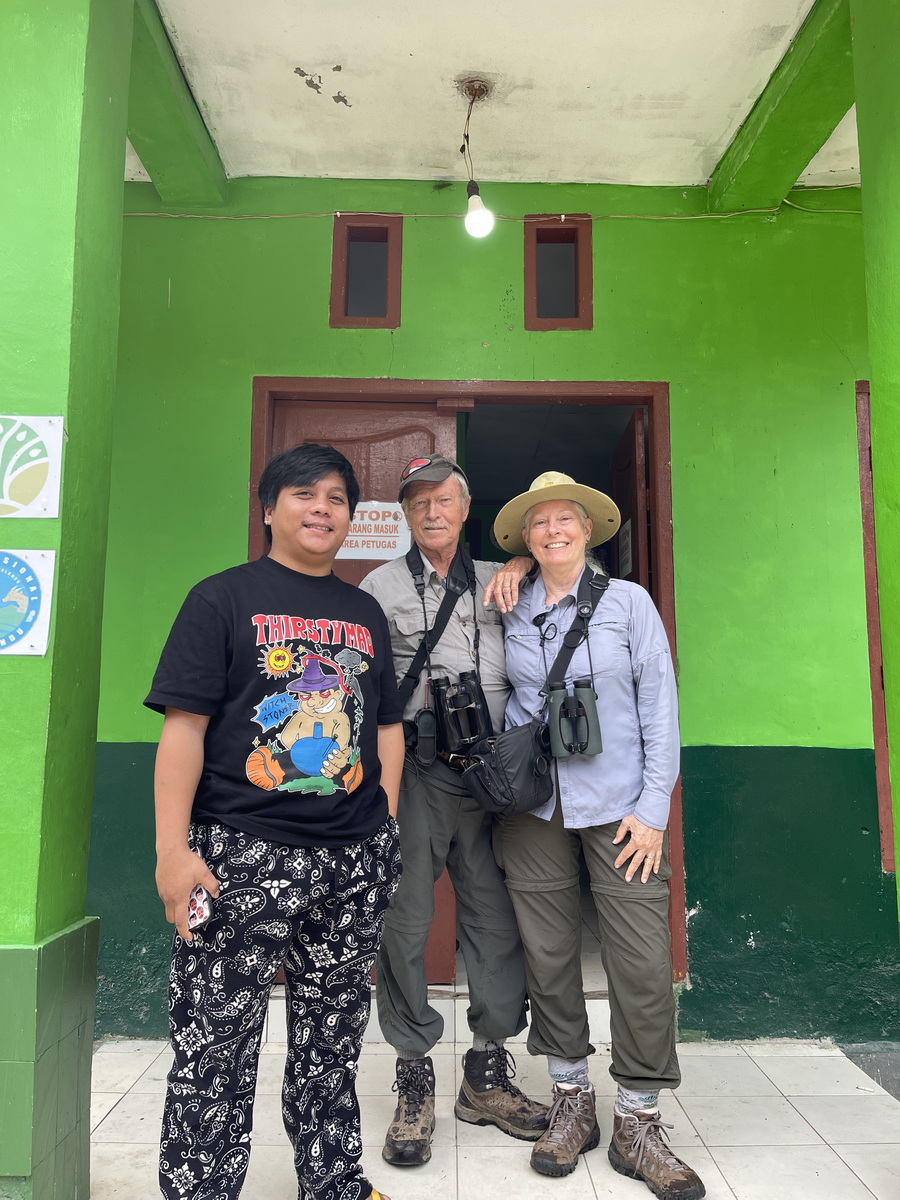
We returned to Sorong and said good-bye to our friends. Then the two of us continued on for the second part of our trip. We were happy Boas was able to guide us on this part as well.
Overall
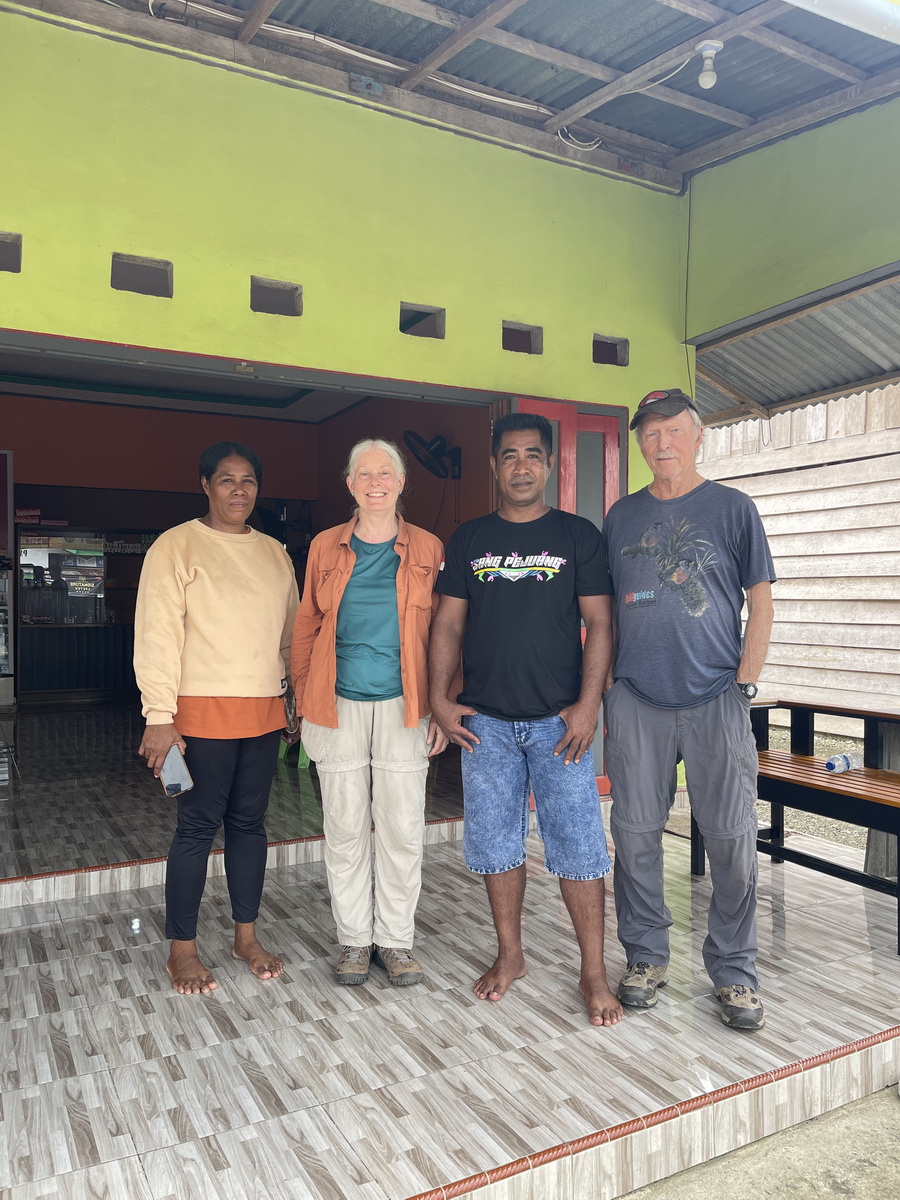
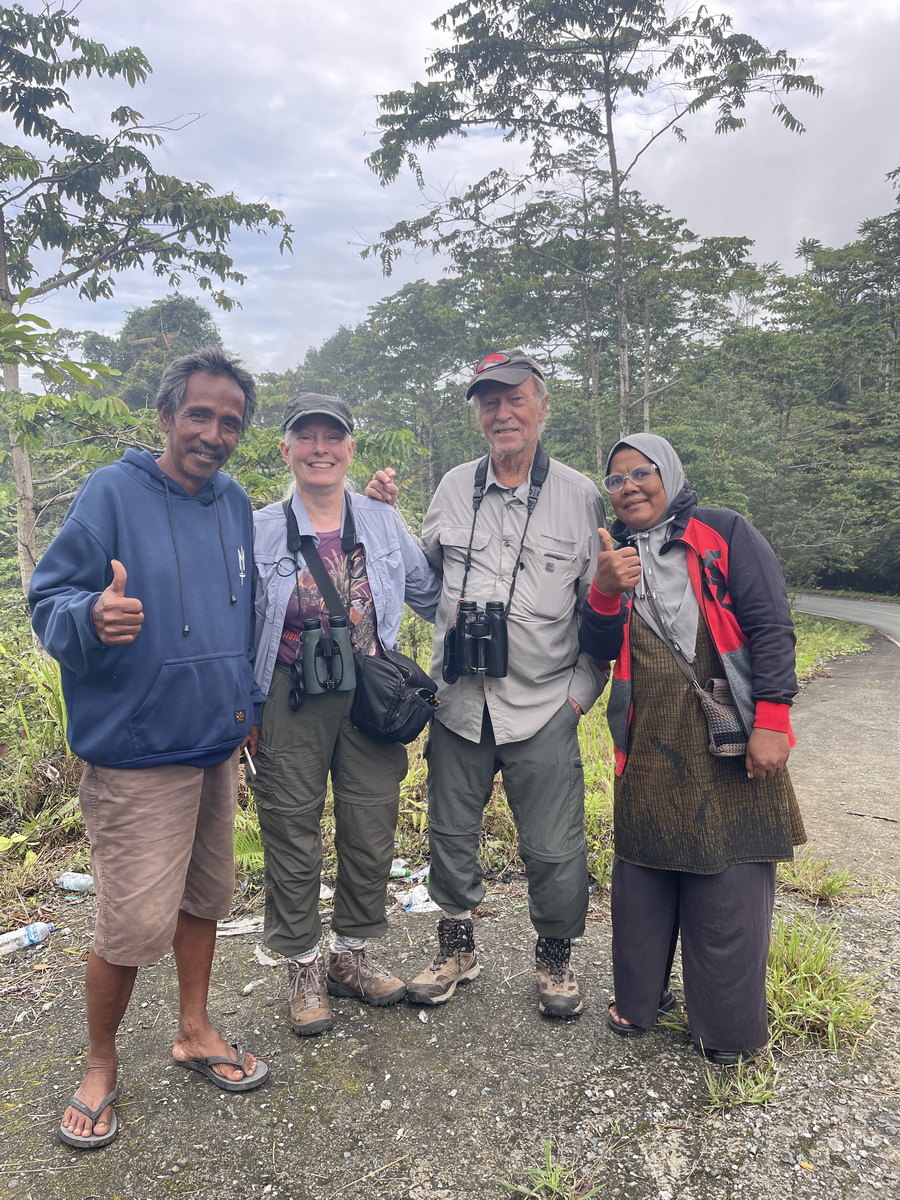
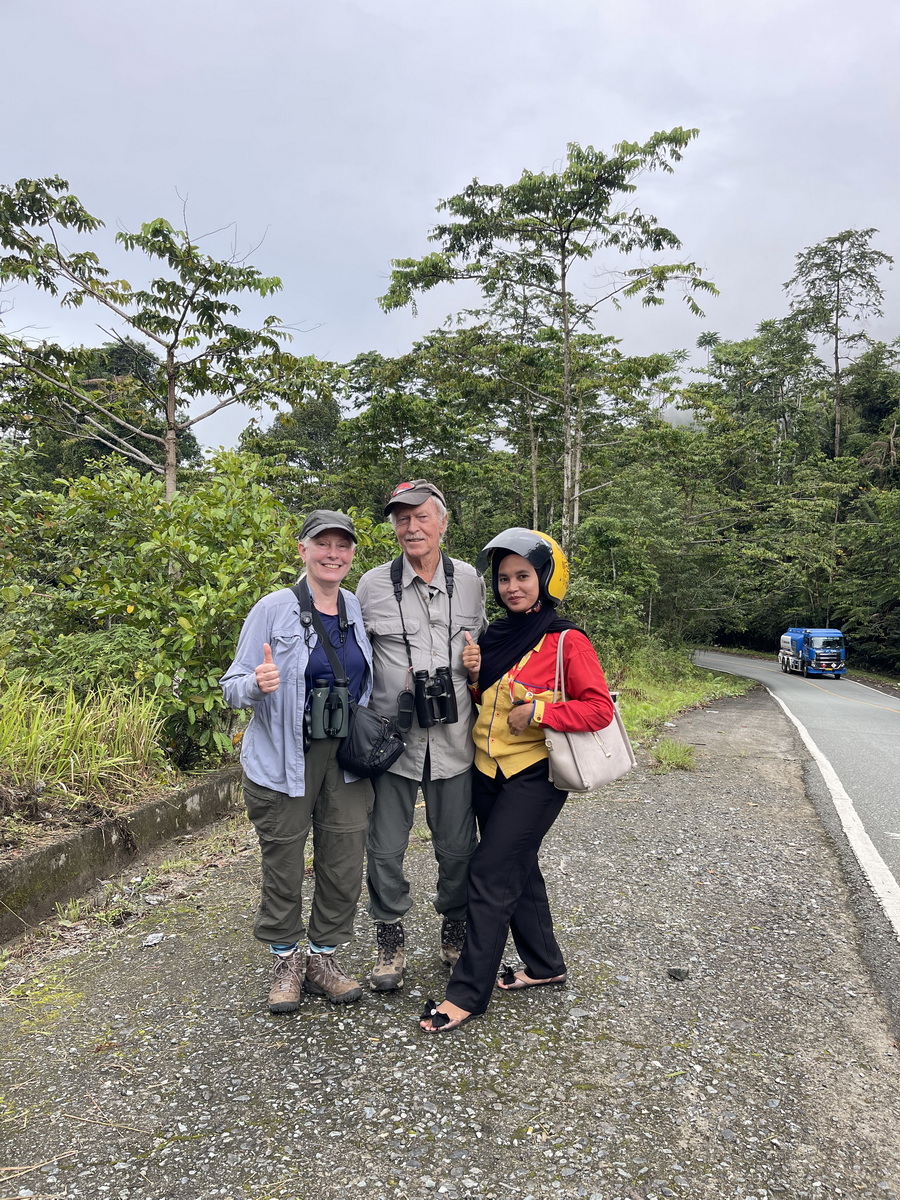
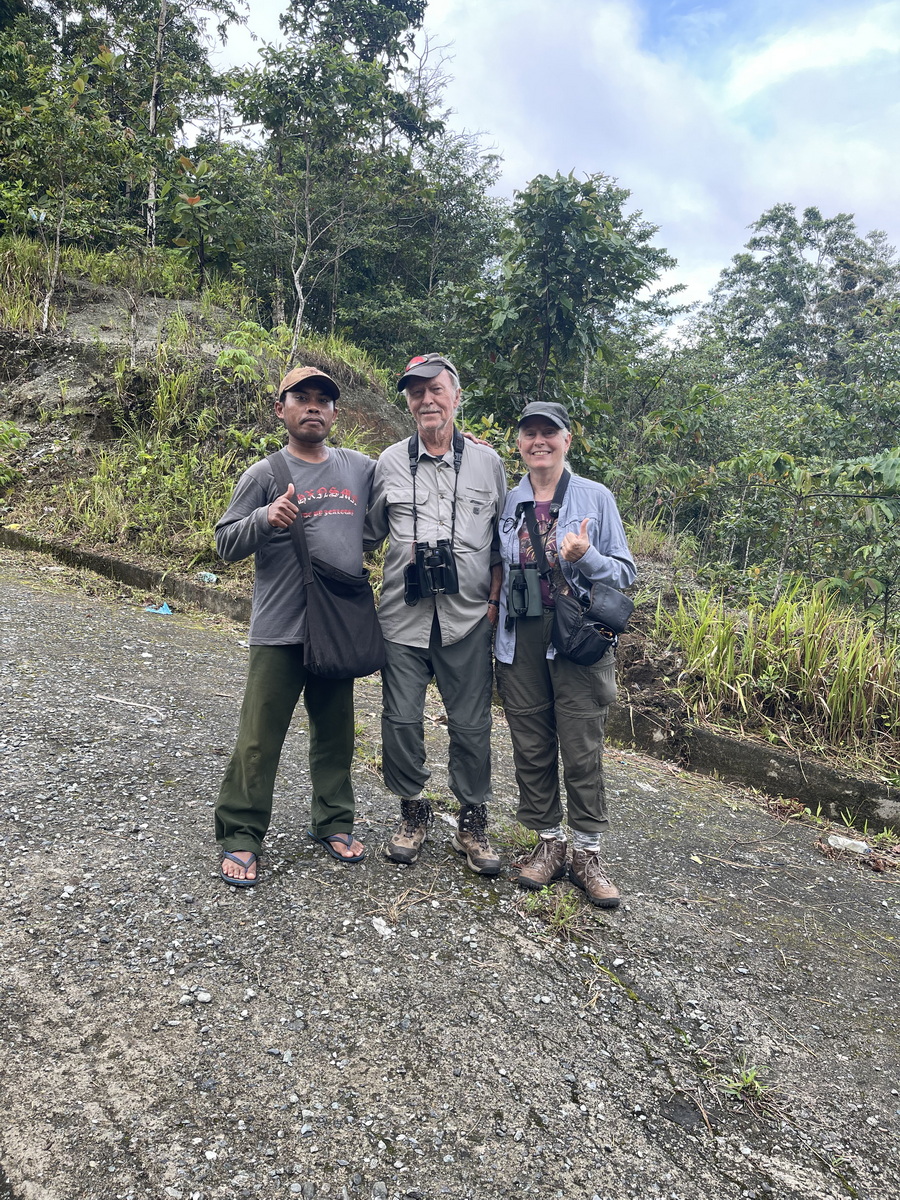
These two islands are both largely Muslim. They do not have the history of intensive tribal warfare found on Papua New Guinea. Indeed, people throughout these islands were extremely friendly and anxious to get acquainted with us! There also seemed to be quite a lot of entrepreneurial spirit and ingenuity at work here.
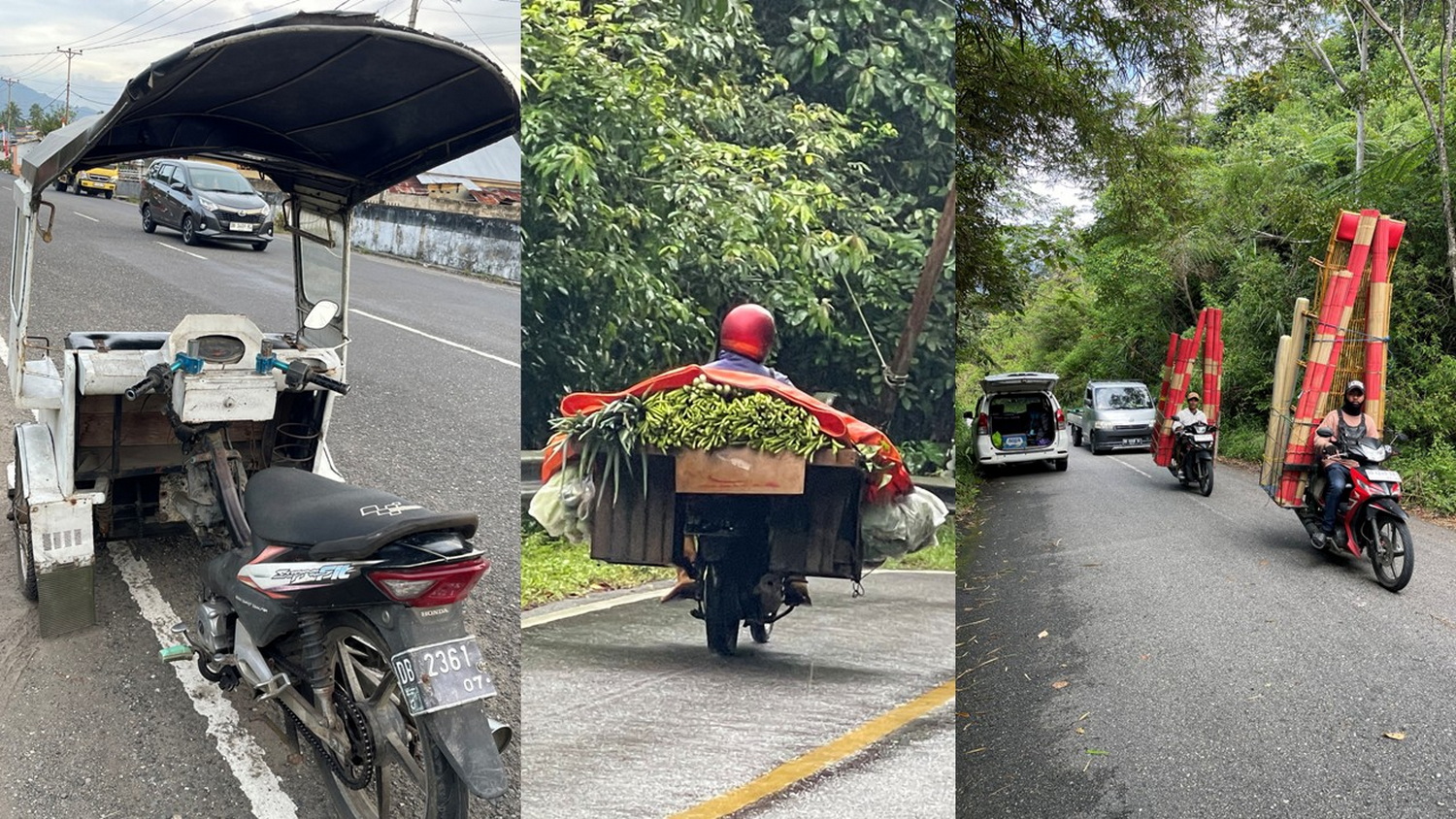
Locations We Visited in Sulawesi
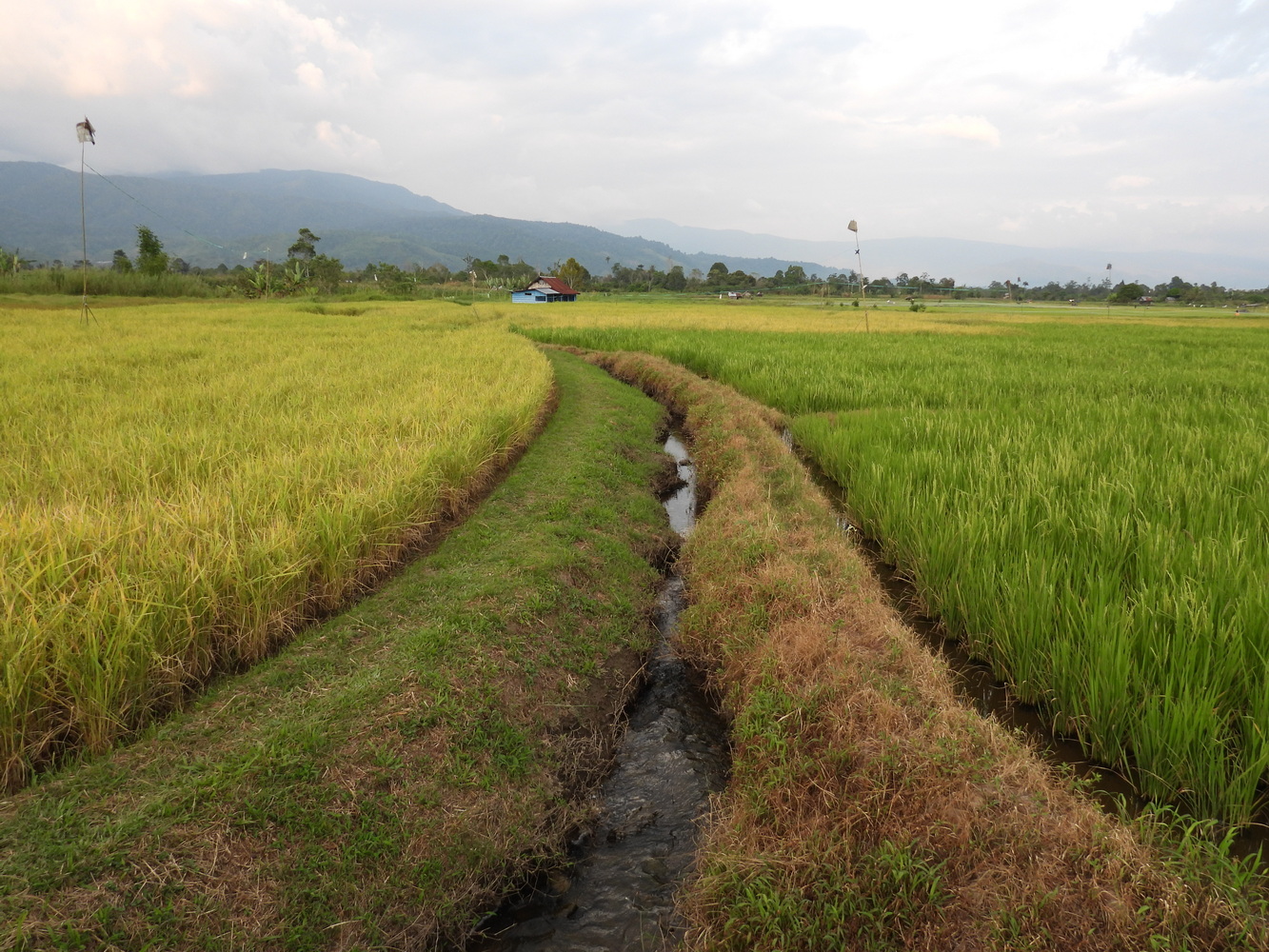
We spent the first several days on Sulawesi at locations outside Makassar, on the far southwestern ‘leg’ of this island. Much of the birding was done along busy roads or in agricultural areas.
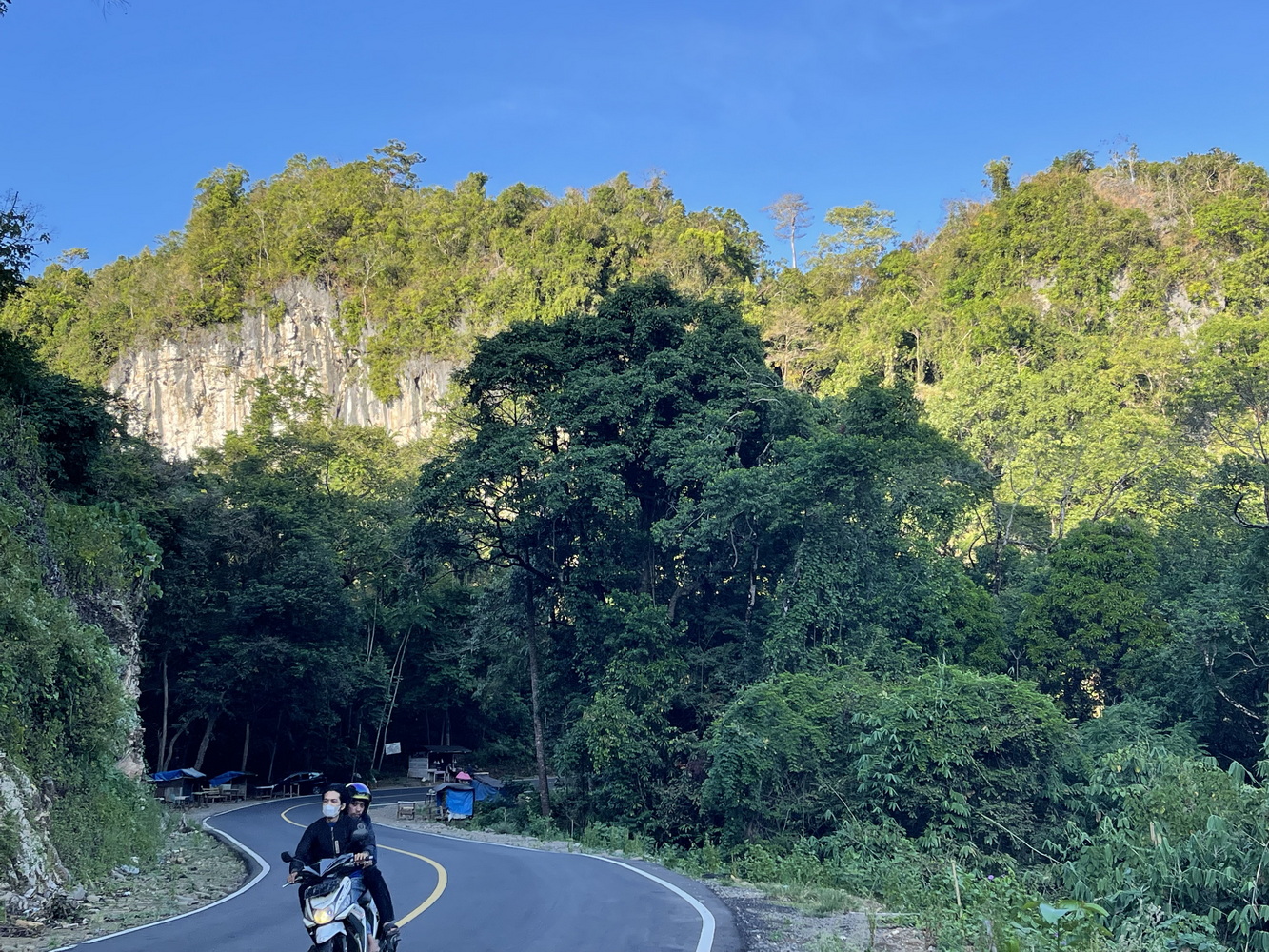
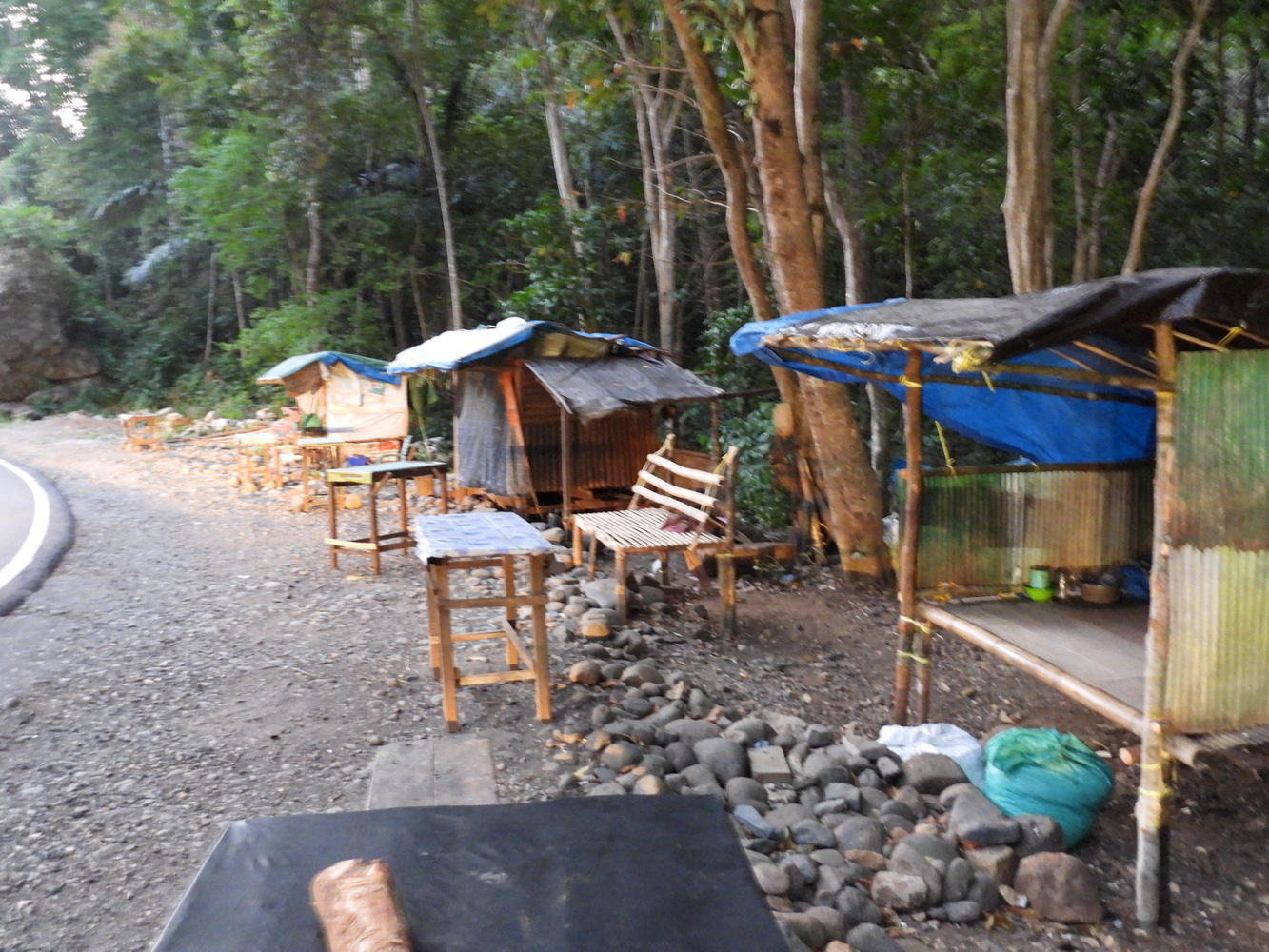
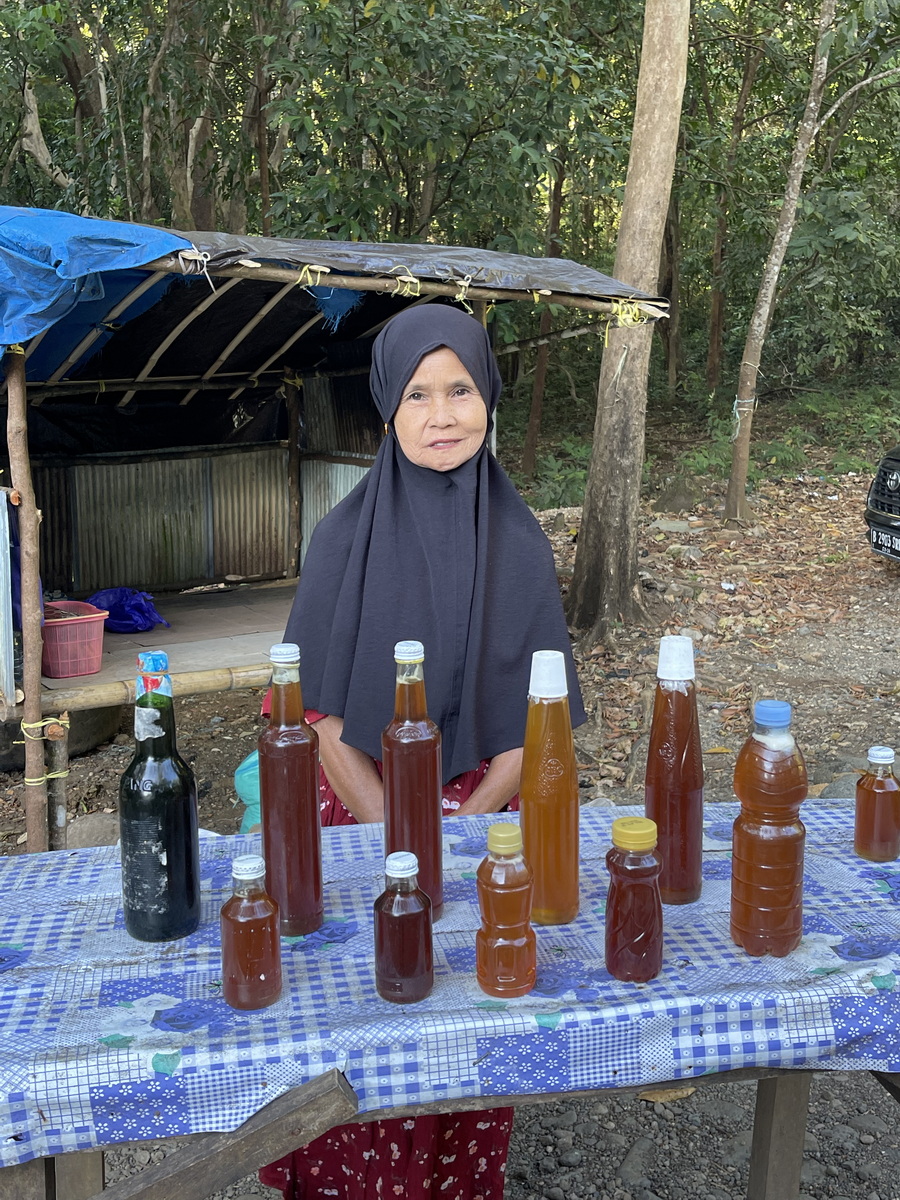
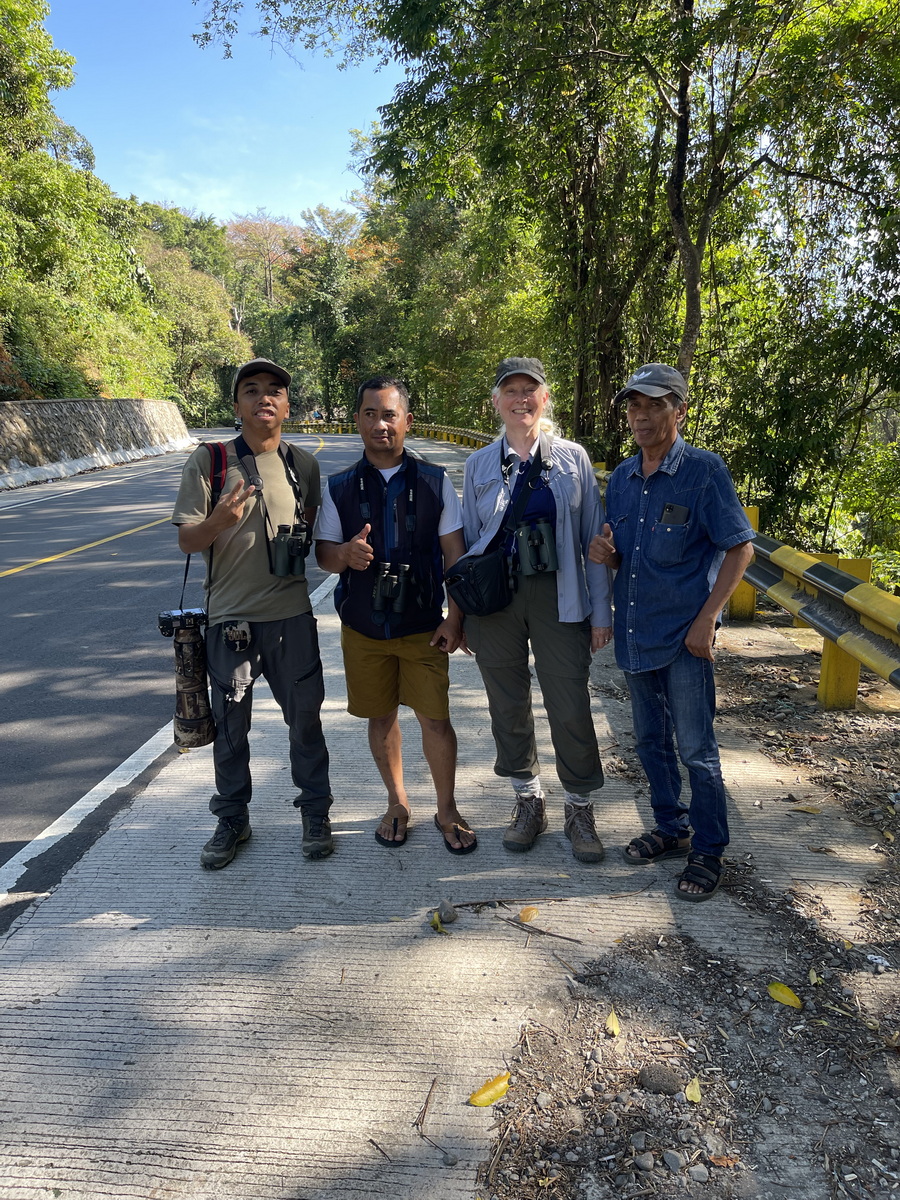
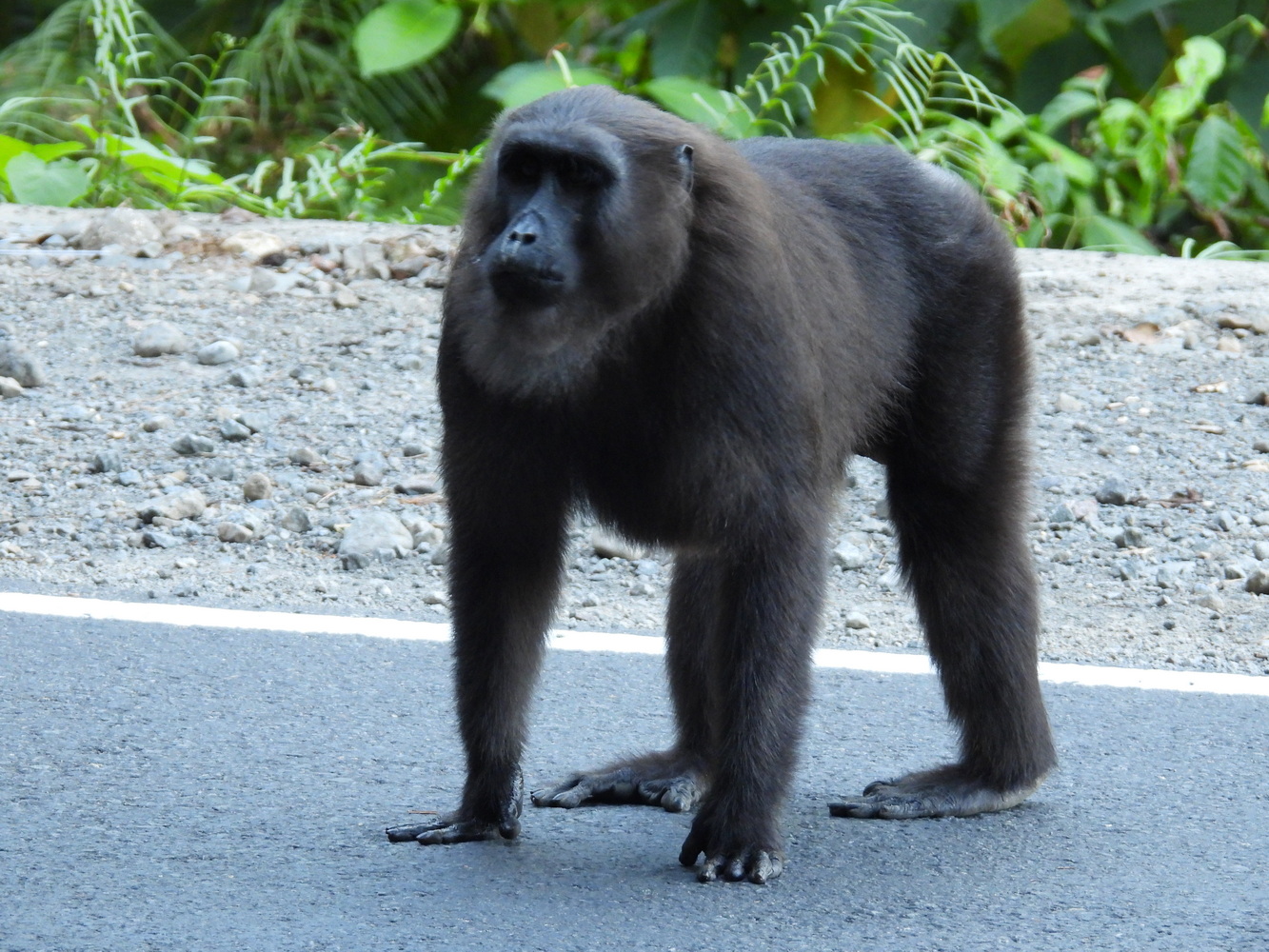
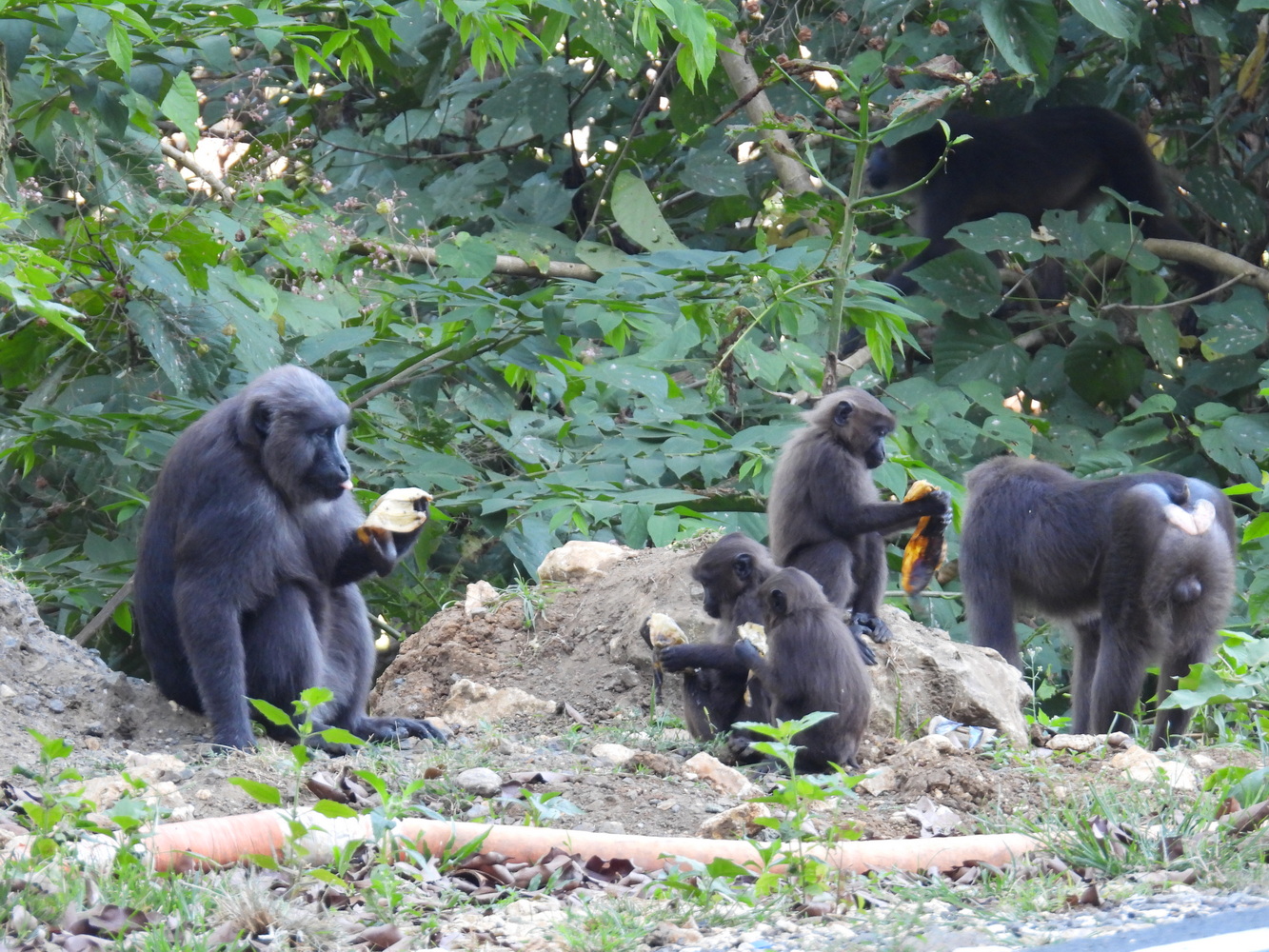
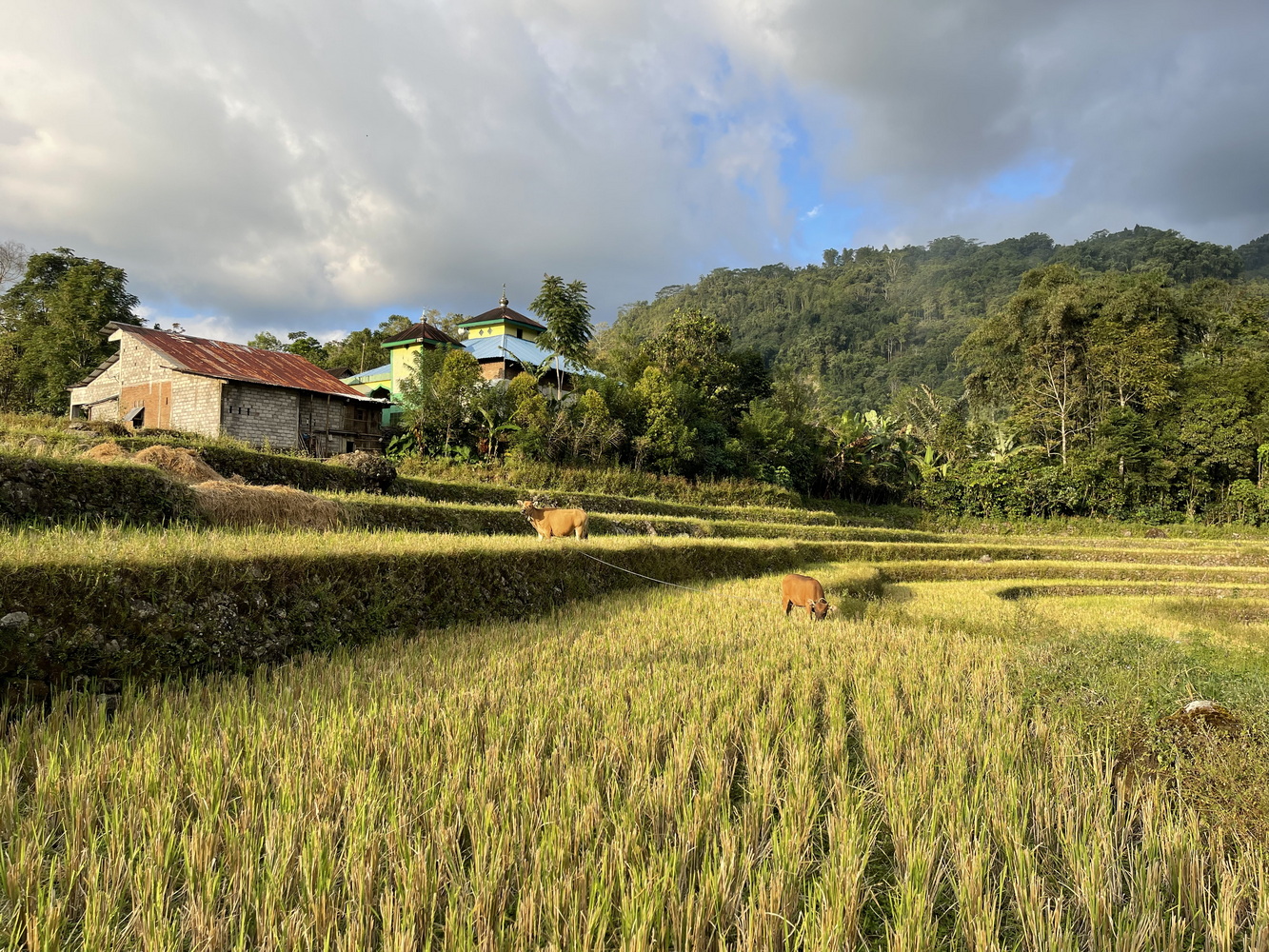
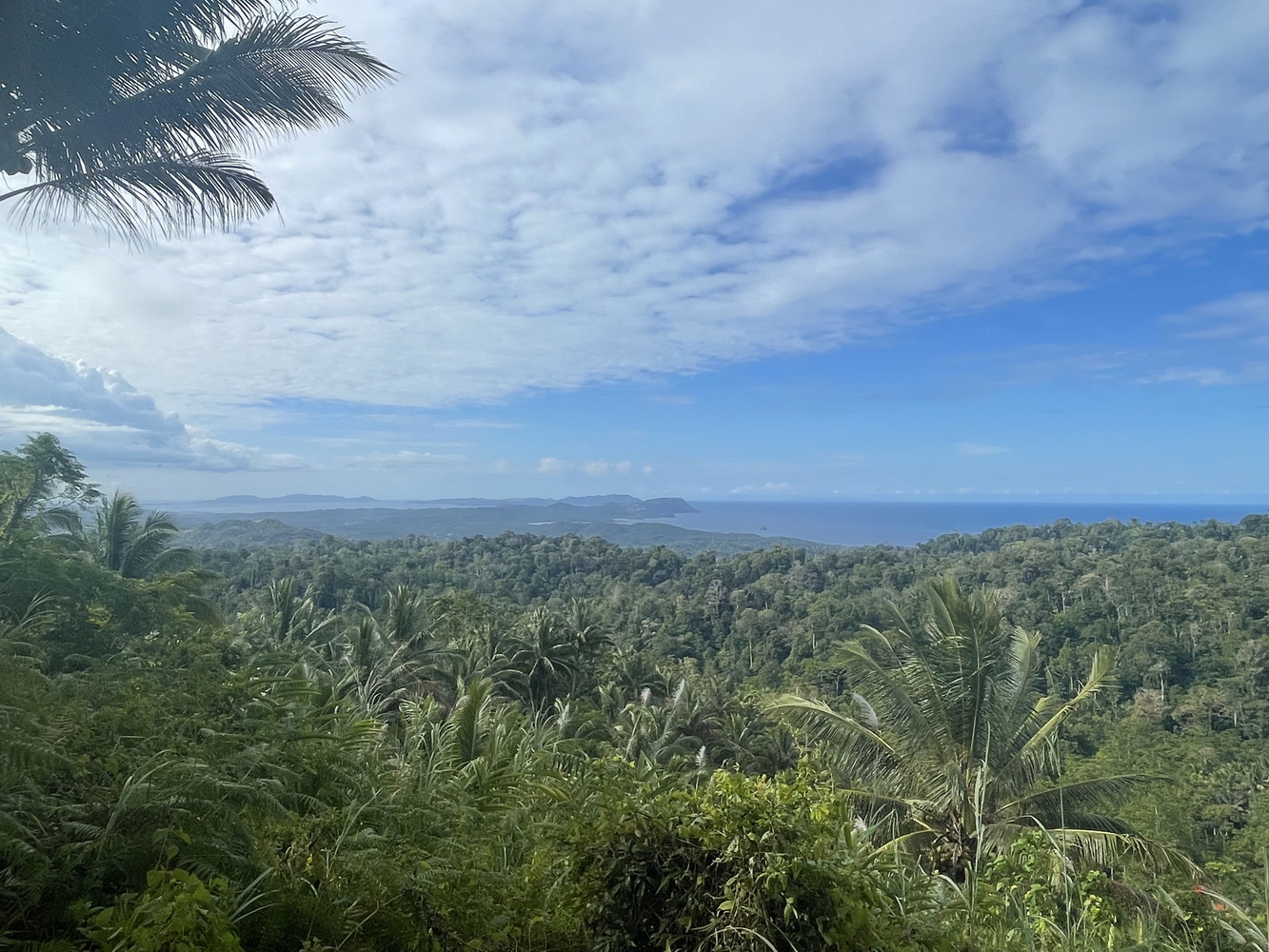
Next we flew to Palu, a community devastated in 2018 by a 7.6 magnitude earthquake, followed by a tsunami with waves over 5 meters (16.4 feet) high, and the largest soil liquefaction event recorded worldwide. There are some areas of rebuilding but many areas that are still in ruins. We drove from there to Lore Lindu National Park, an UNESCO Biosphere Reserve. Its 840 square miles hold amazing diversity, including 77 bird species endemic to Sulawesi (that is, they live nowhere else on earth).
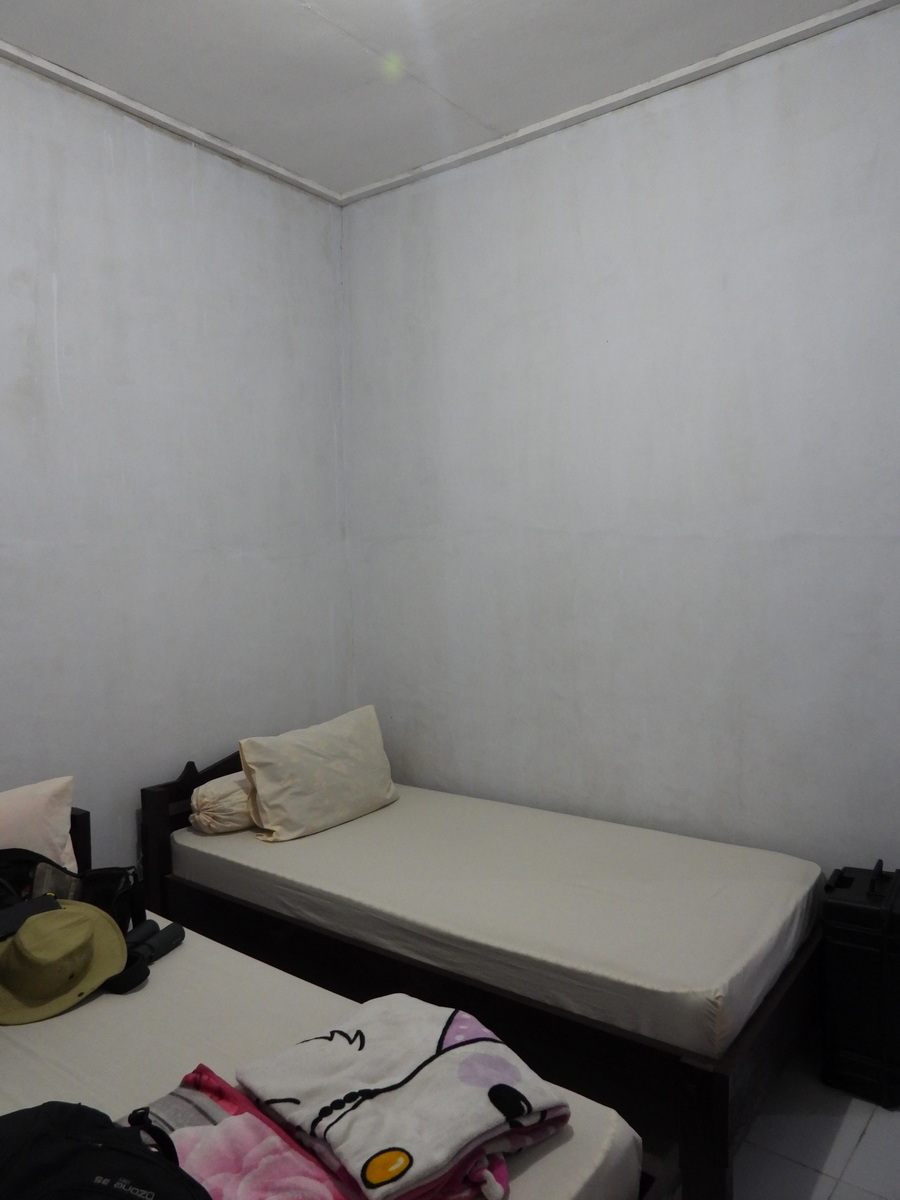
We stayed in a ‘penginapan’, which is a sort of lodging between a home stay and an inn. The manager Nolly took great care of us here. Despite some heavy rain and Terry being sick for a few days, we were able to see most of the birds we sought.
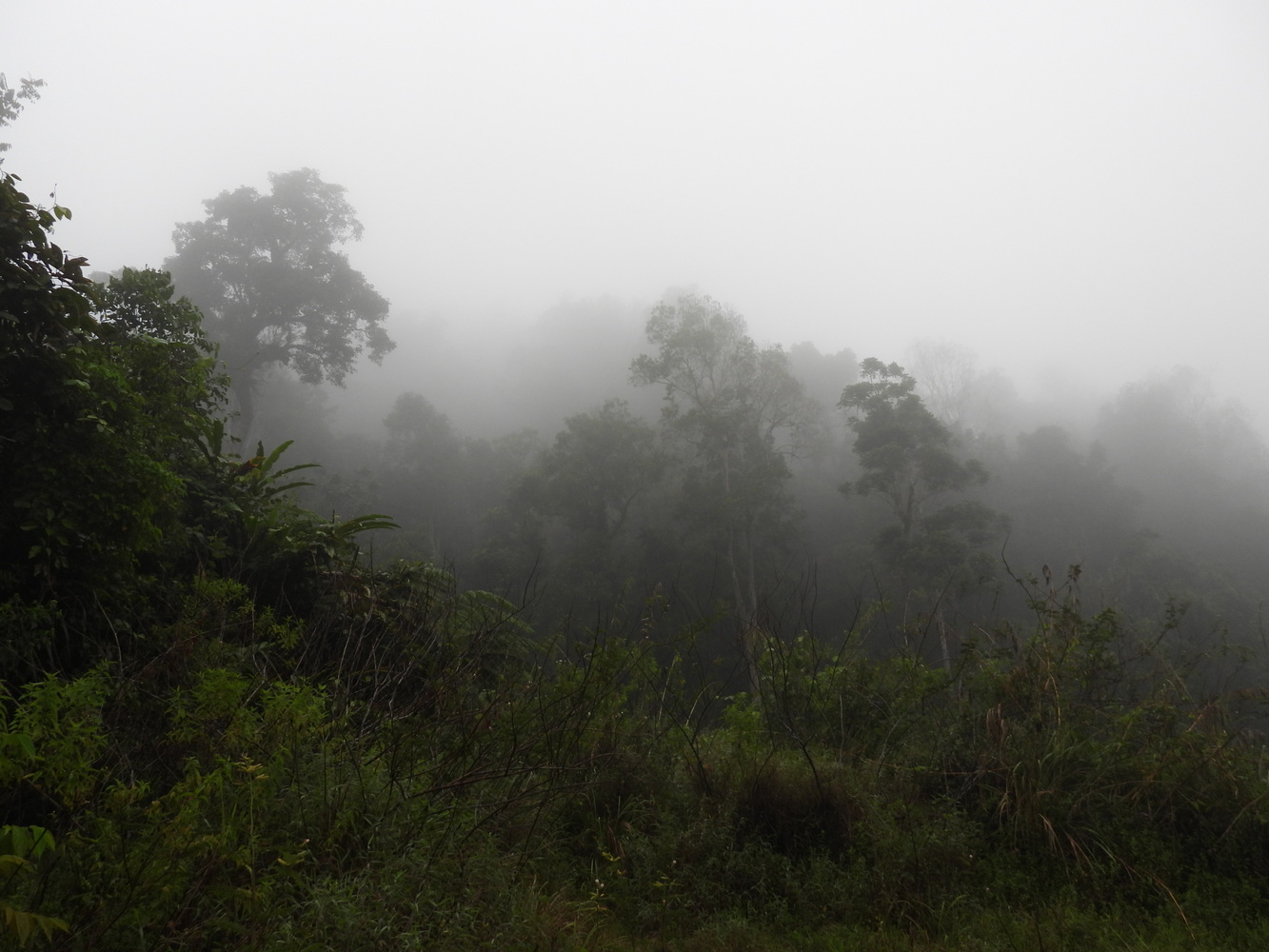
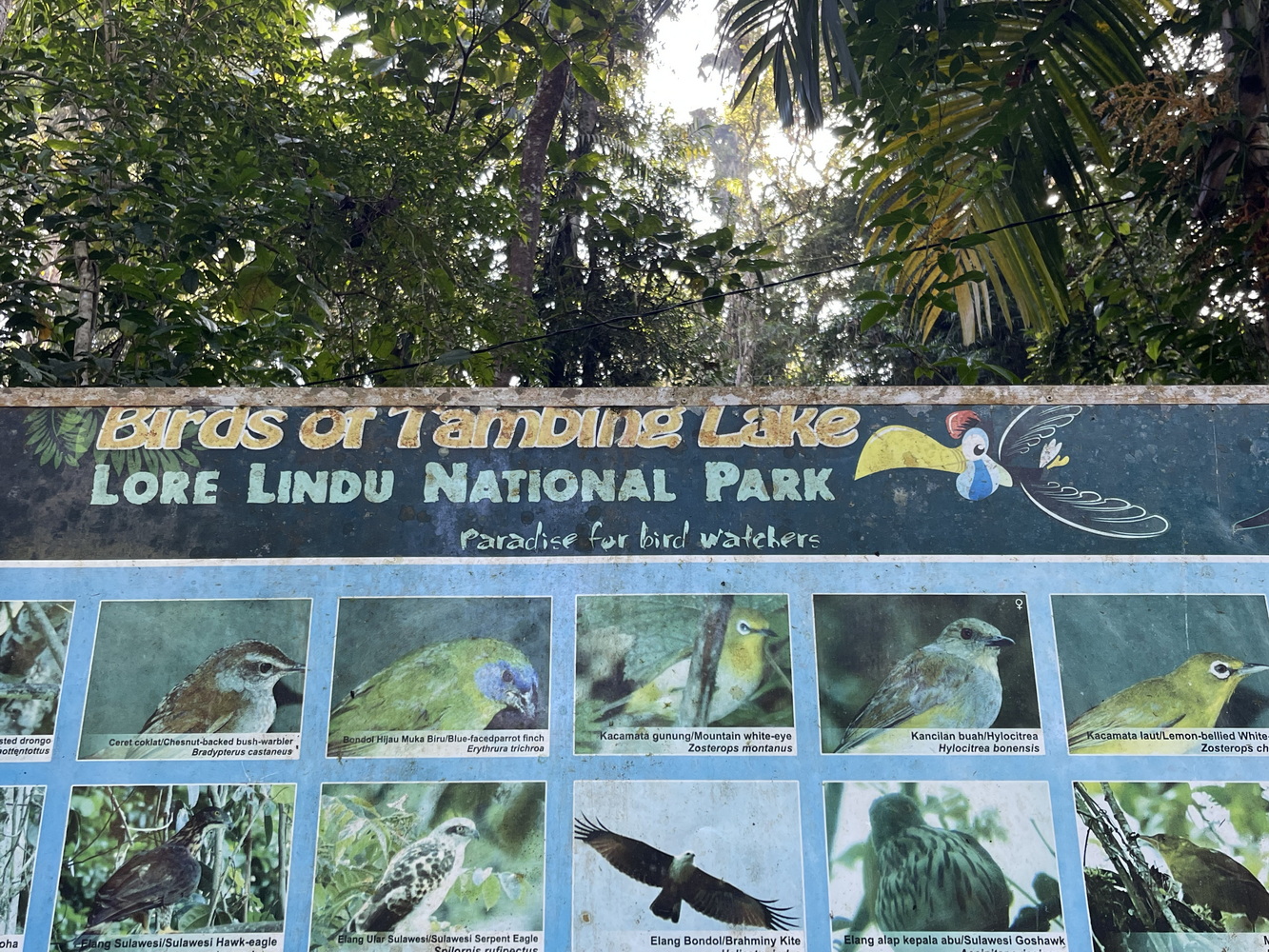
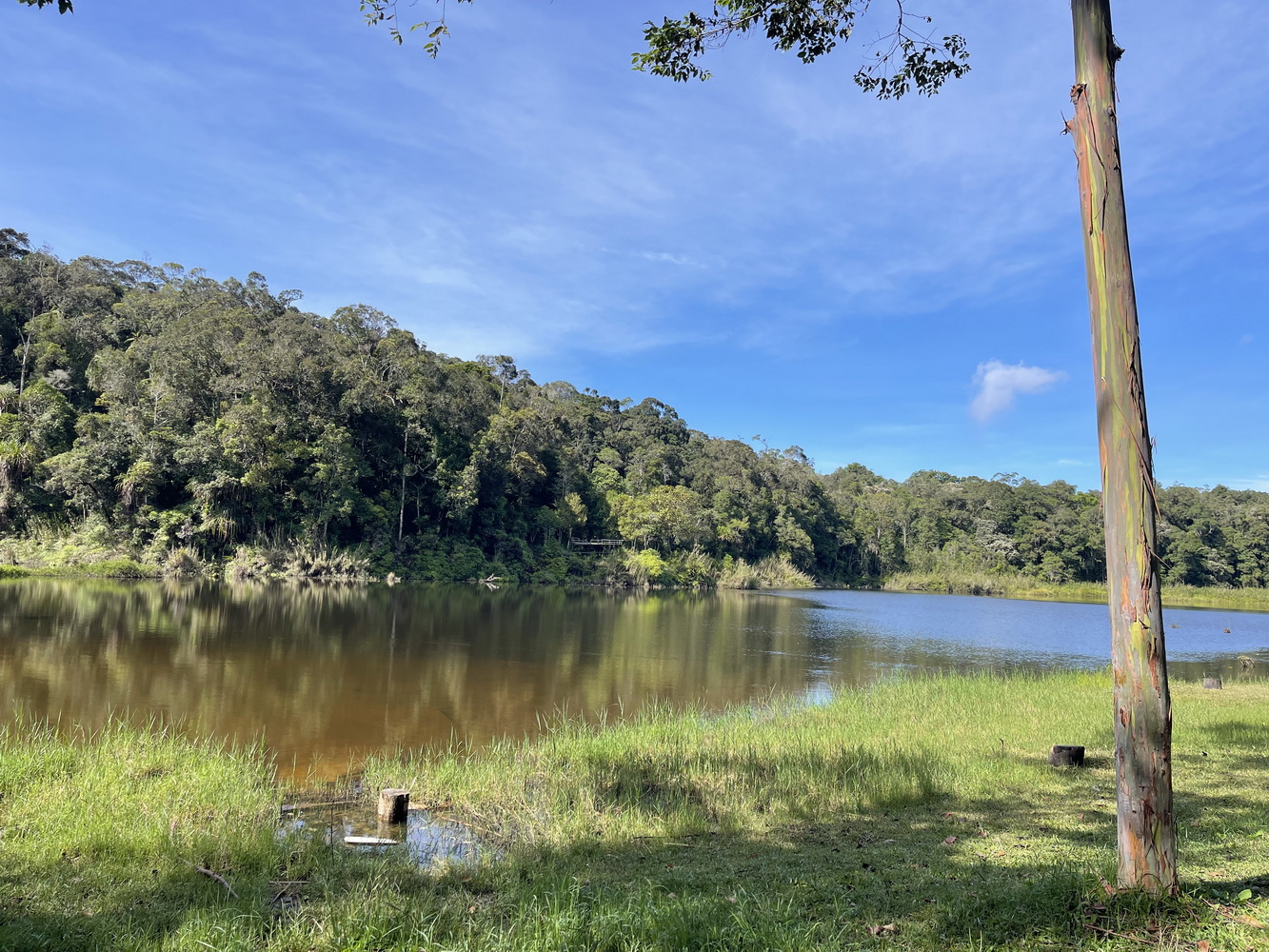
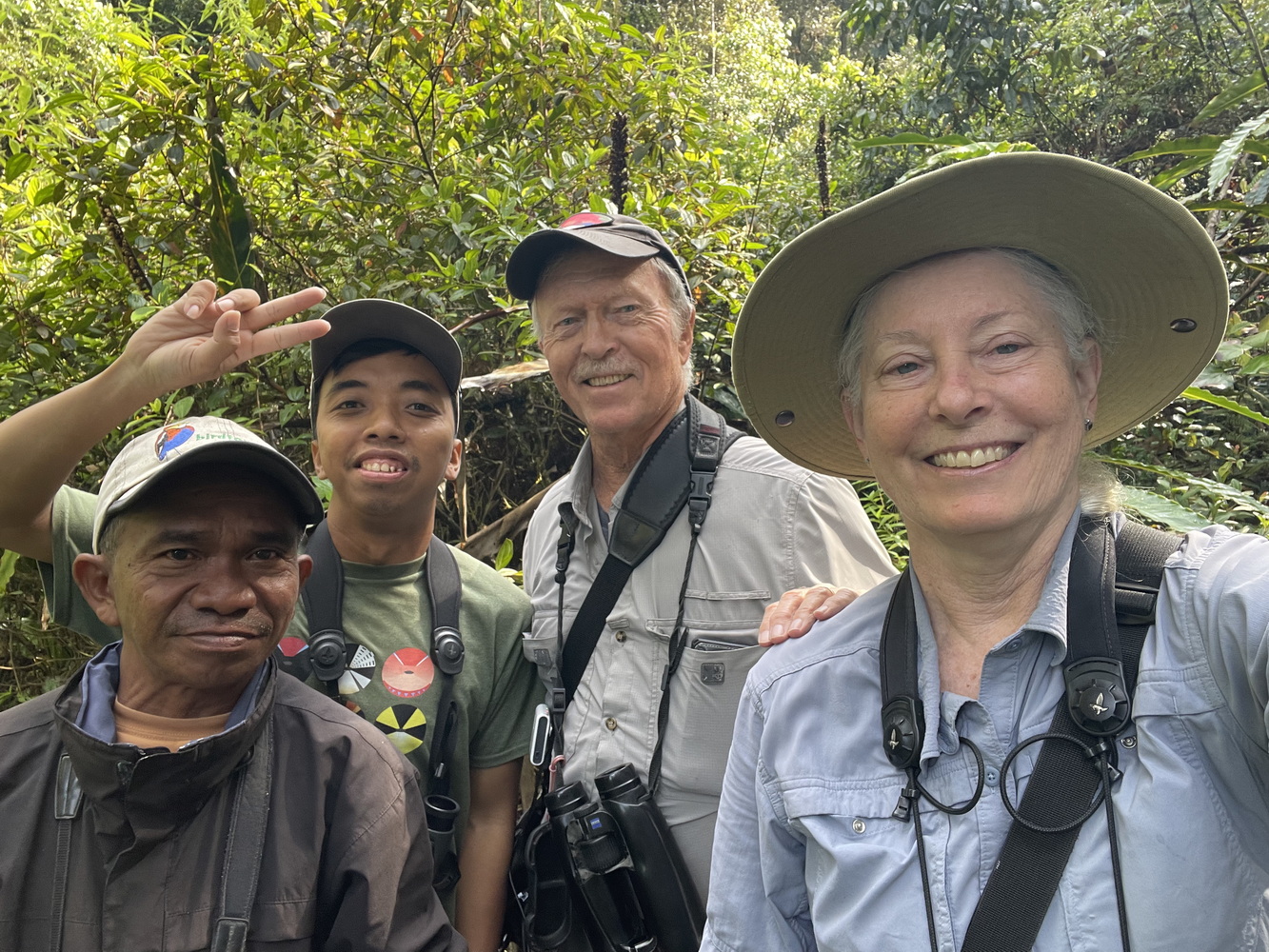
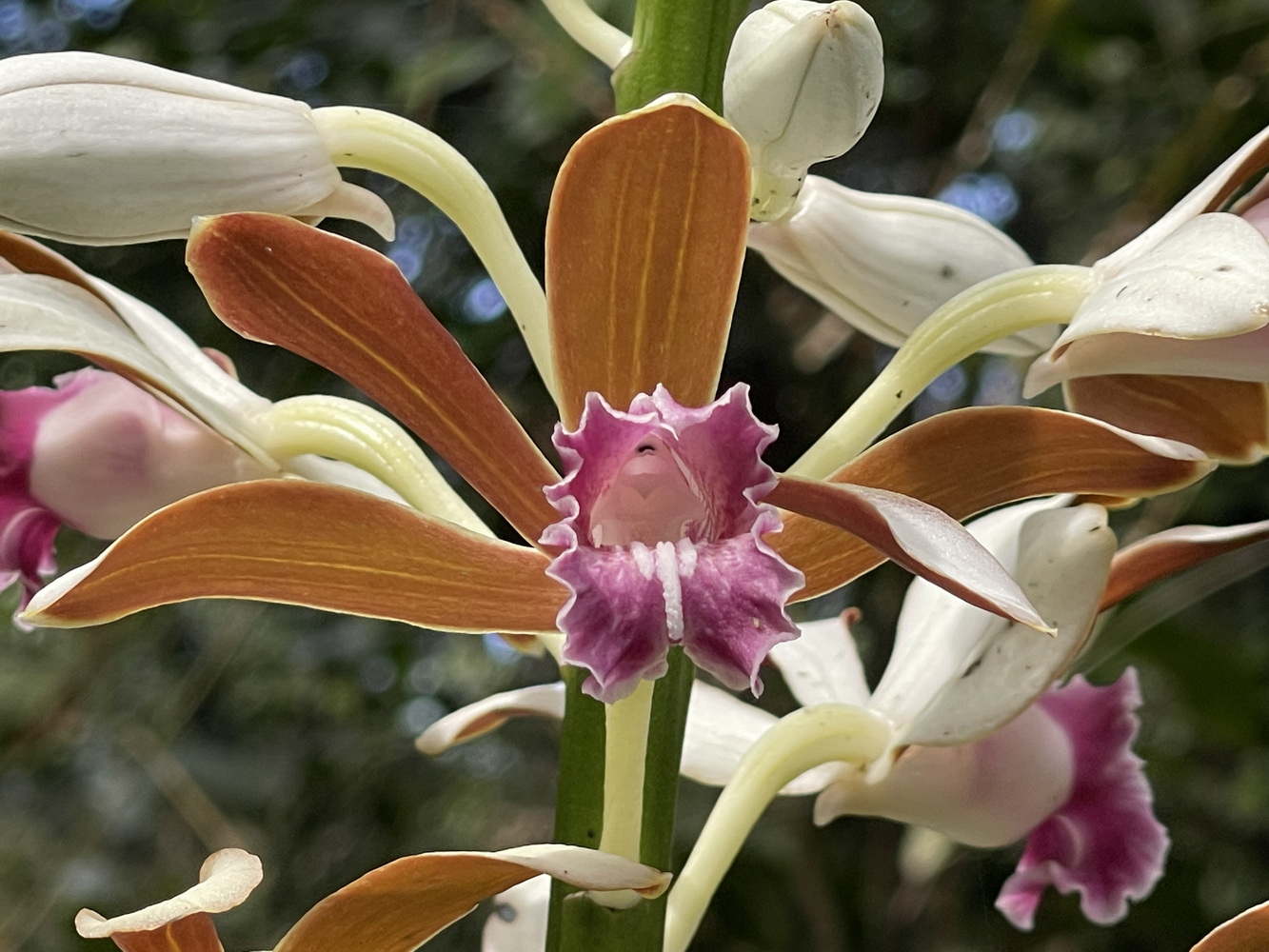
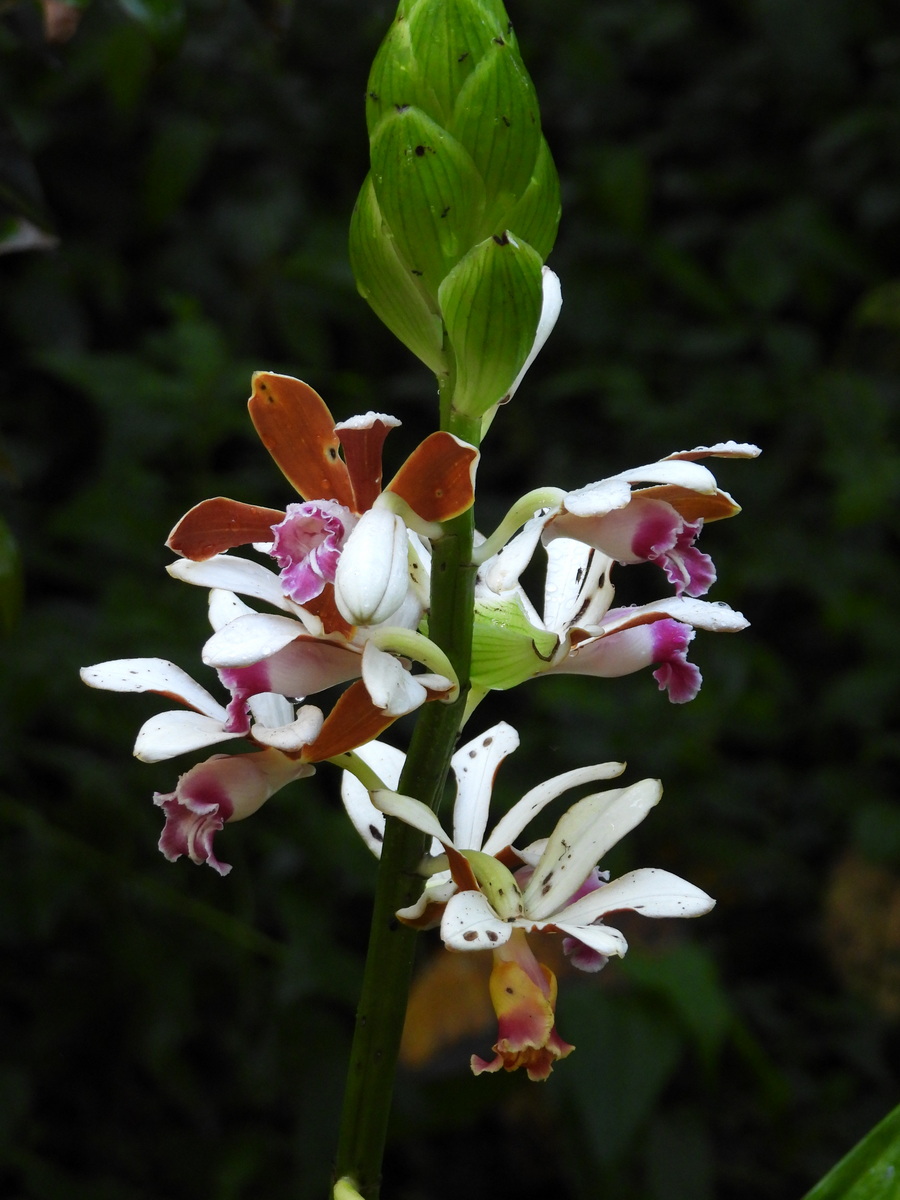
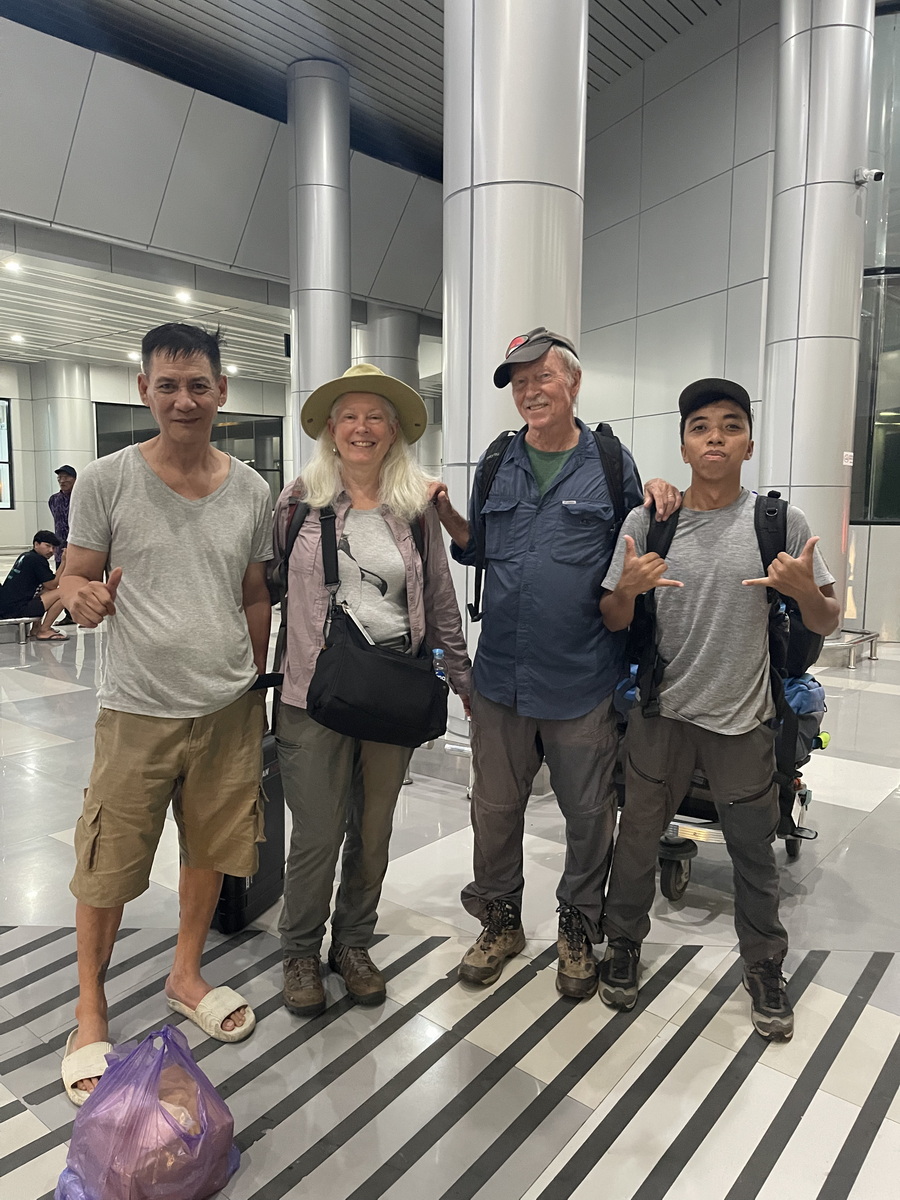
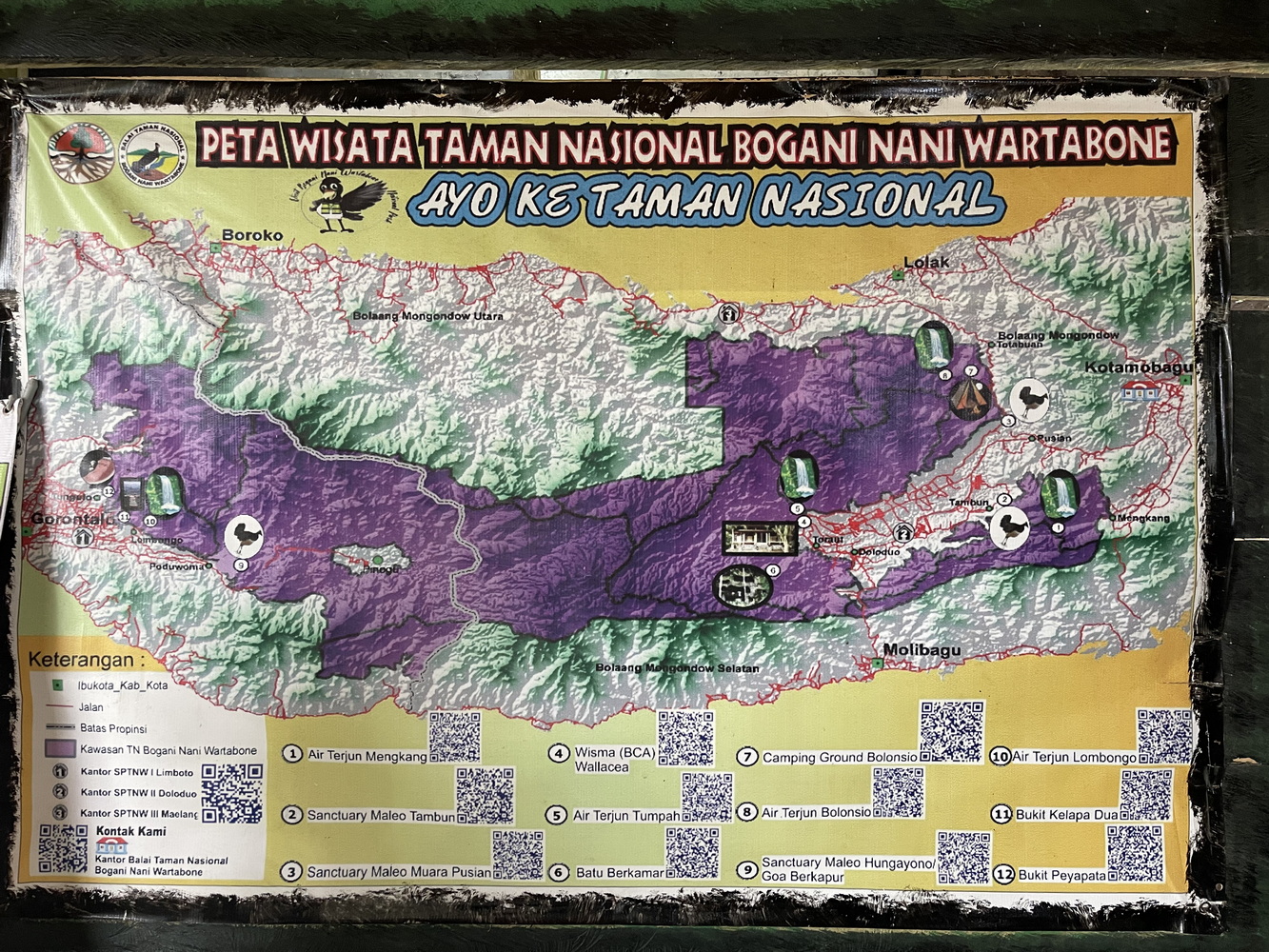
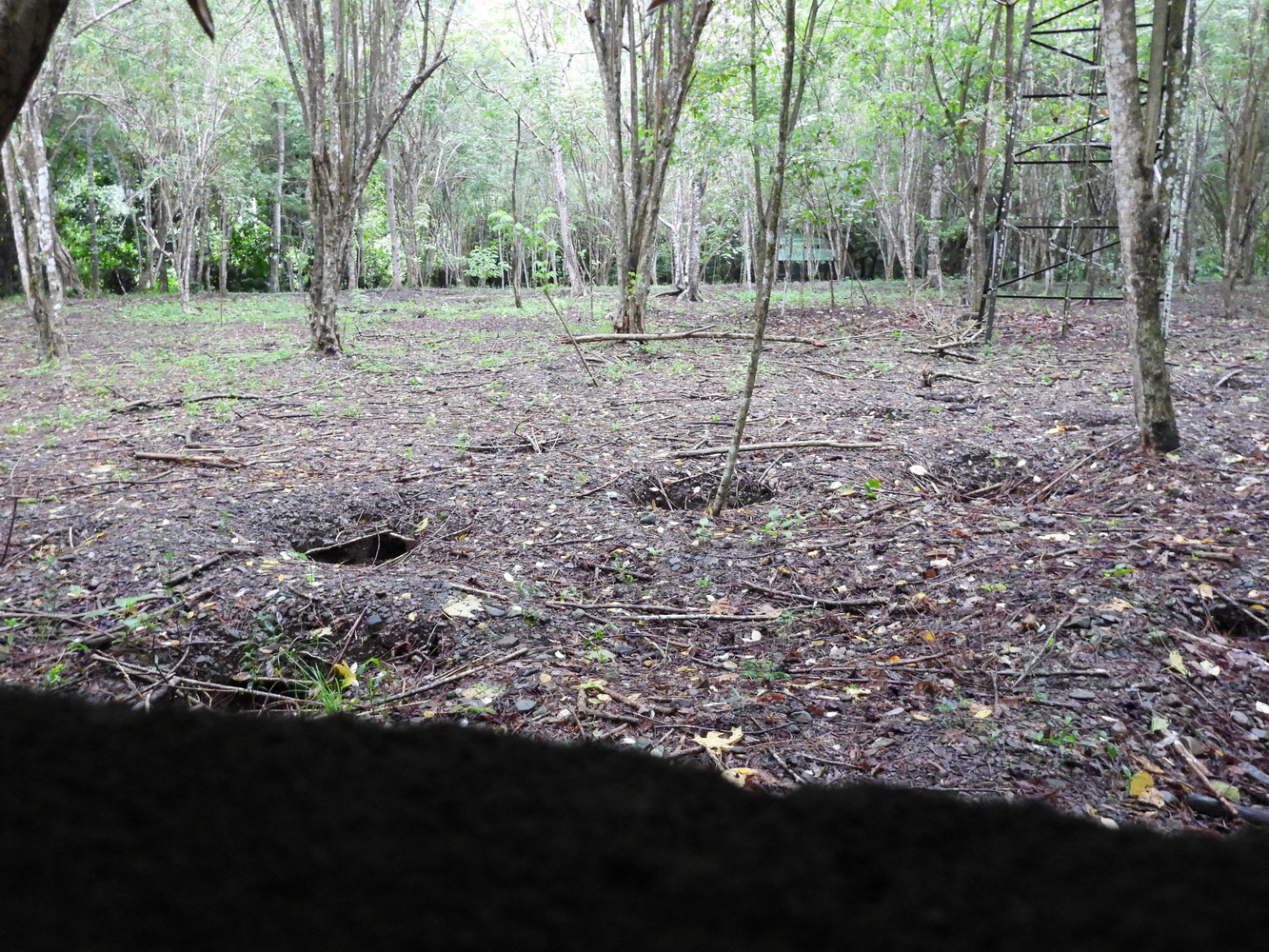
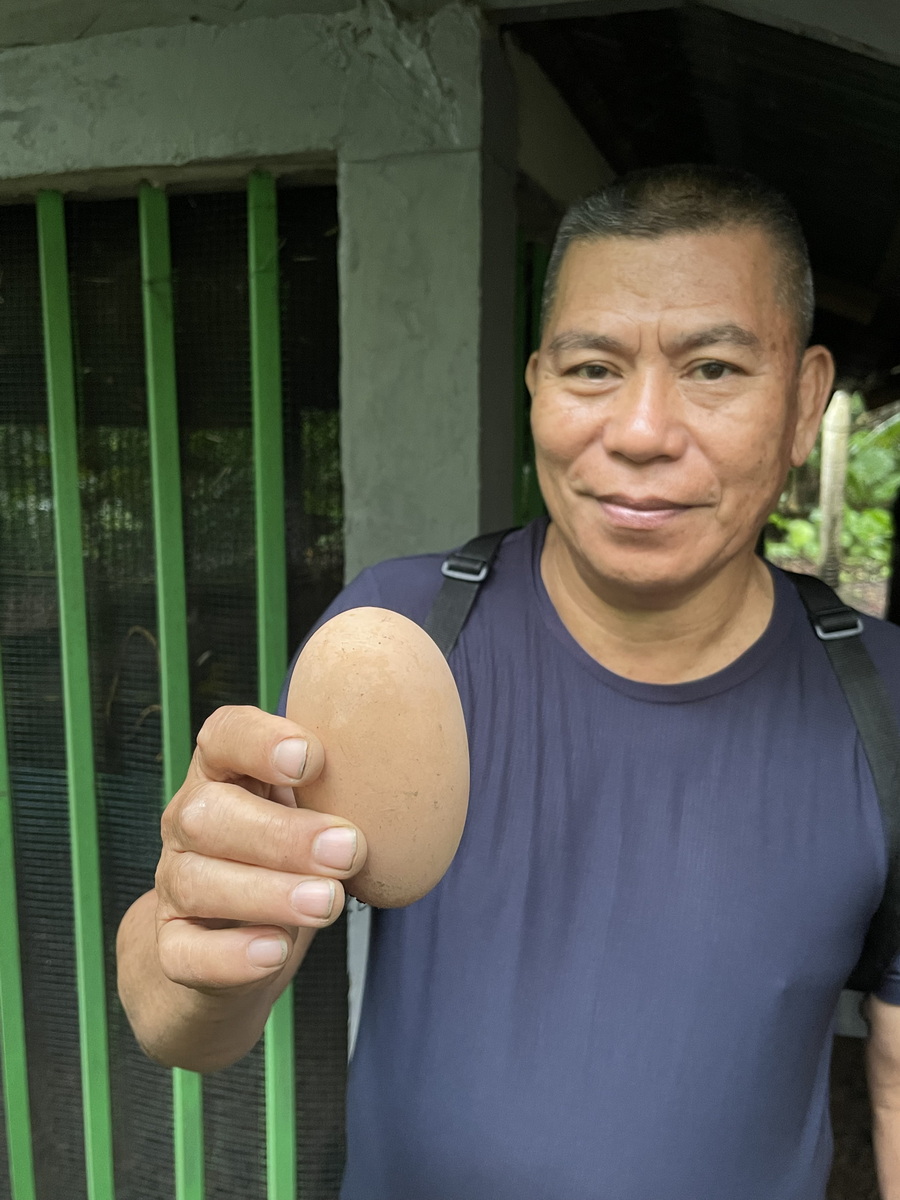
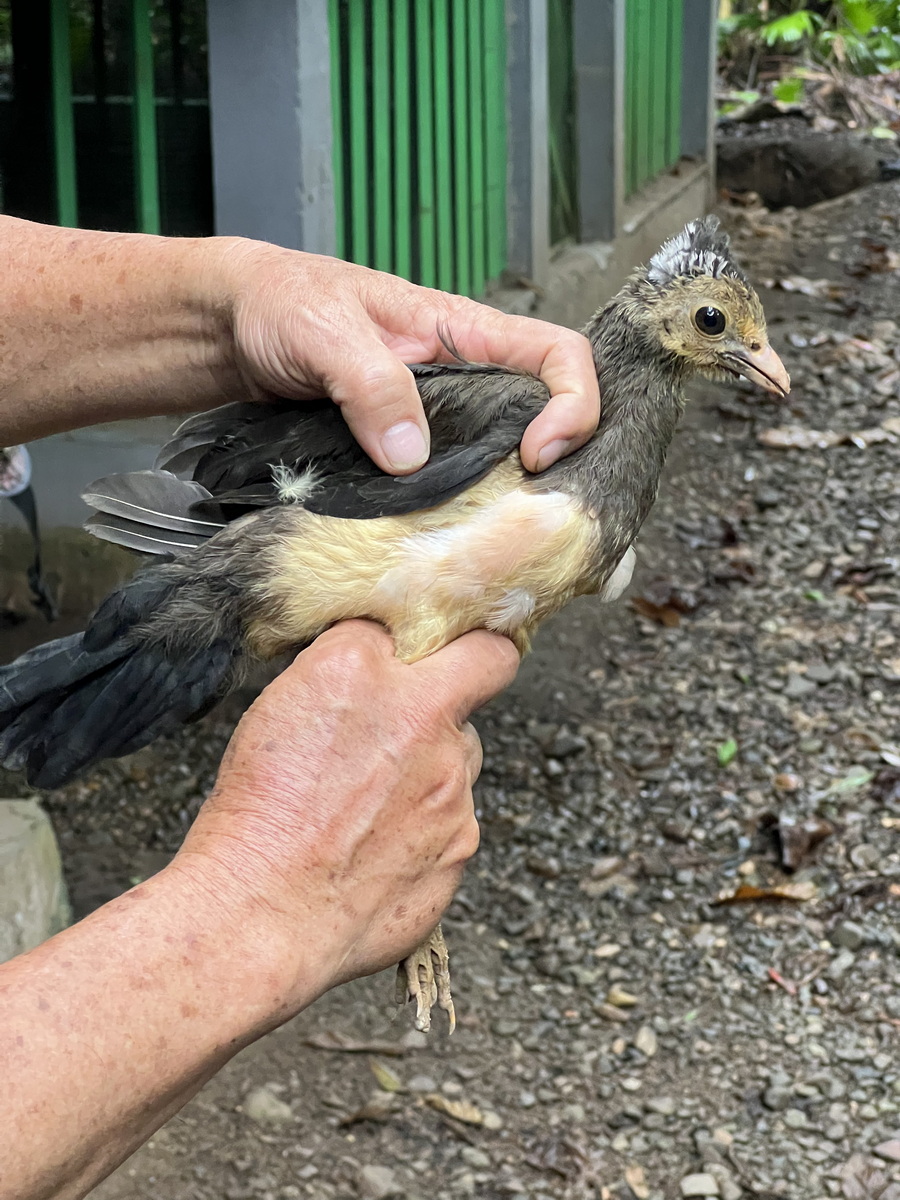
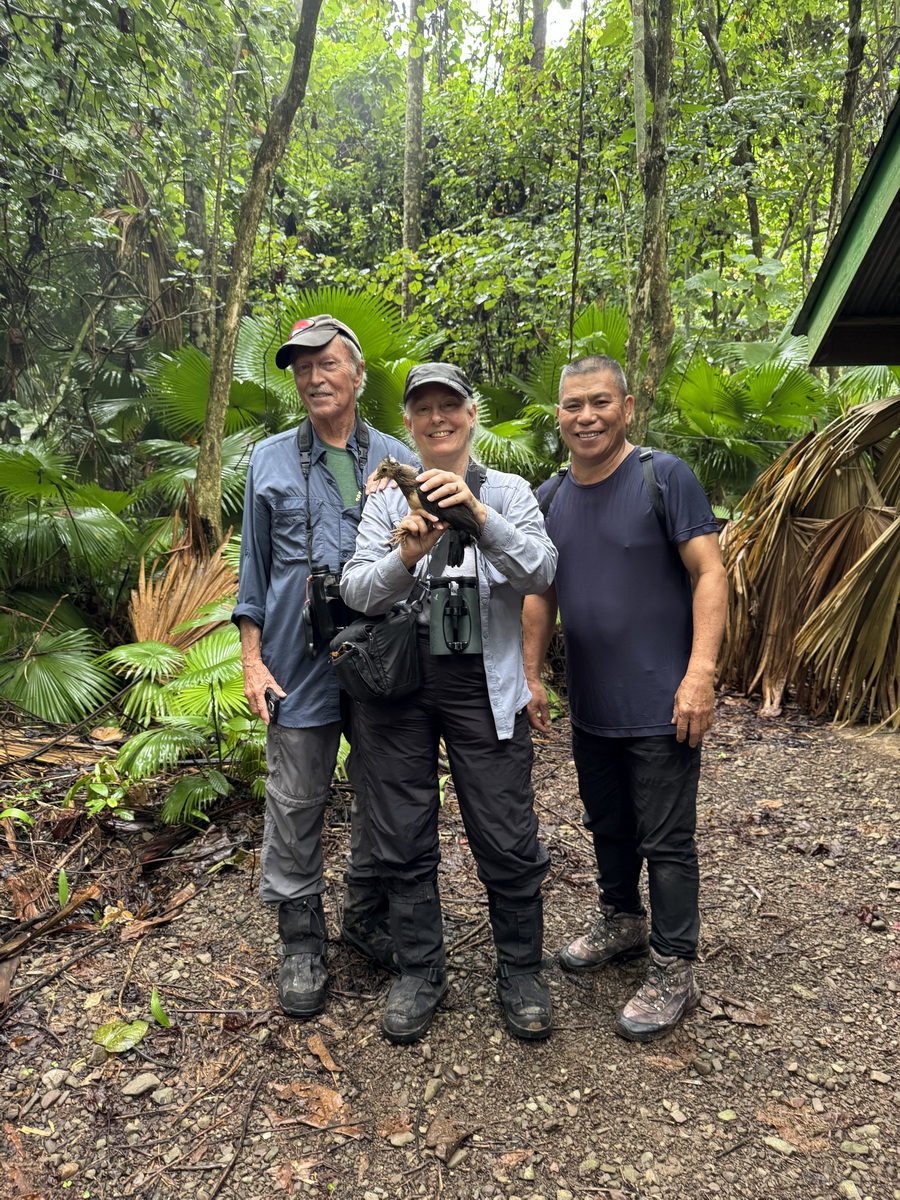
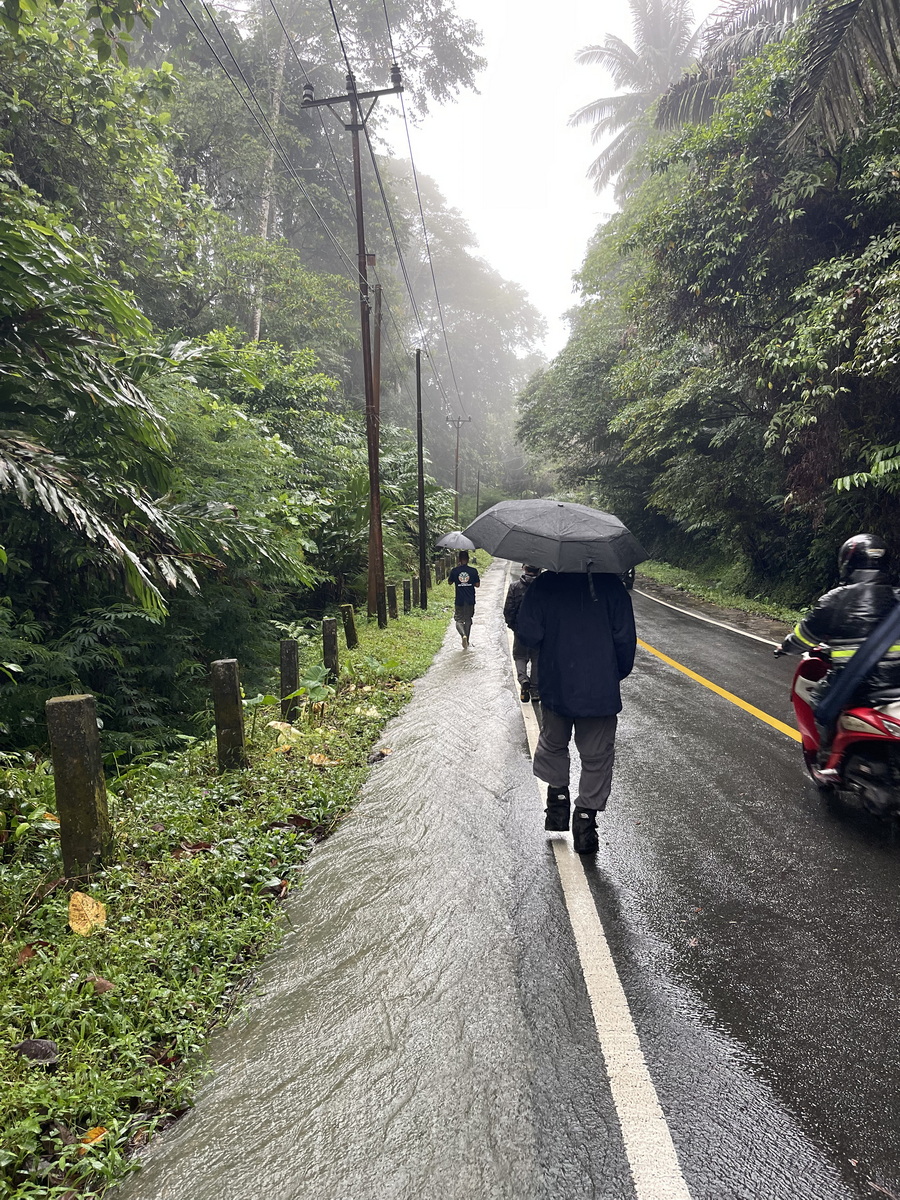
We returned to Palu and flew to the far northeastern ‘arm’ of Sulawesi – the Minahasa peninsula. We stayed briefly in Manado before heading to the smaller towns of Kotamobagu and Tangkoko. One of our most memorable experiences happened here, at Bugani-Nani-Wartabone National Park. Its Tambuan Maleo Sanctuary is one of only 12 sites where the endangered, ground-dwelling Maleo nests. Max and his team of rangers have been working for decades to help restore their communal nesting grounds and improve their survival rates. Karen was able to release a Maleo chick from the nursery into the wild!
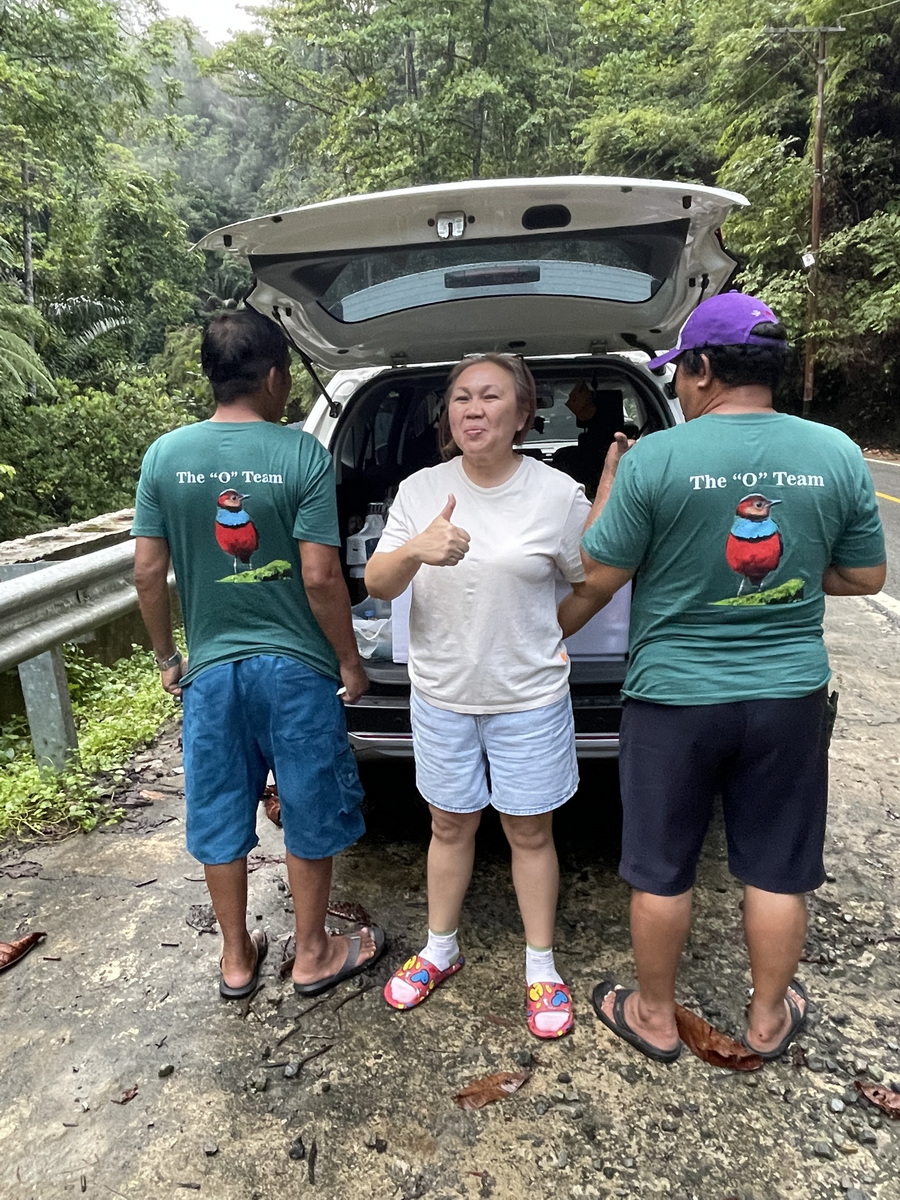
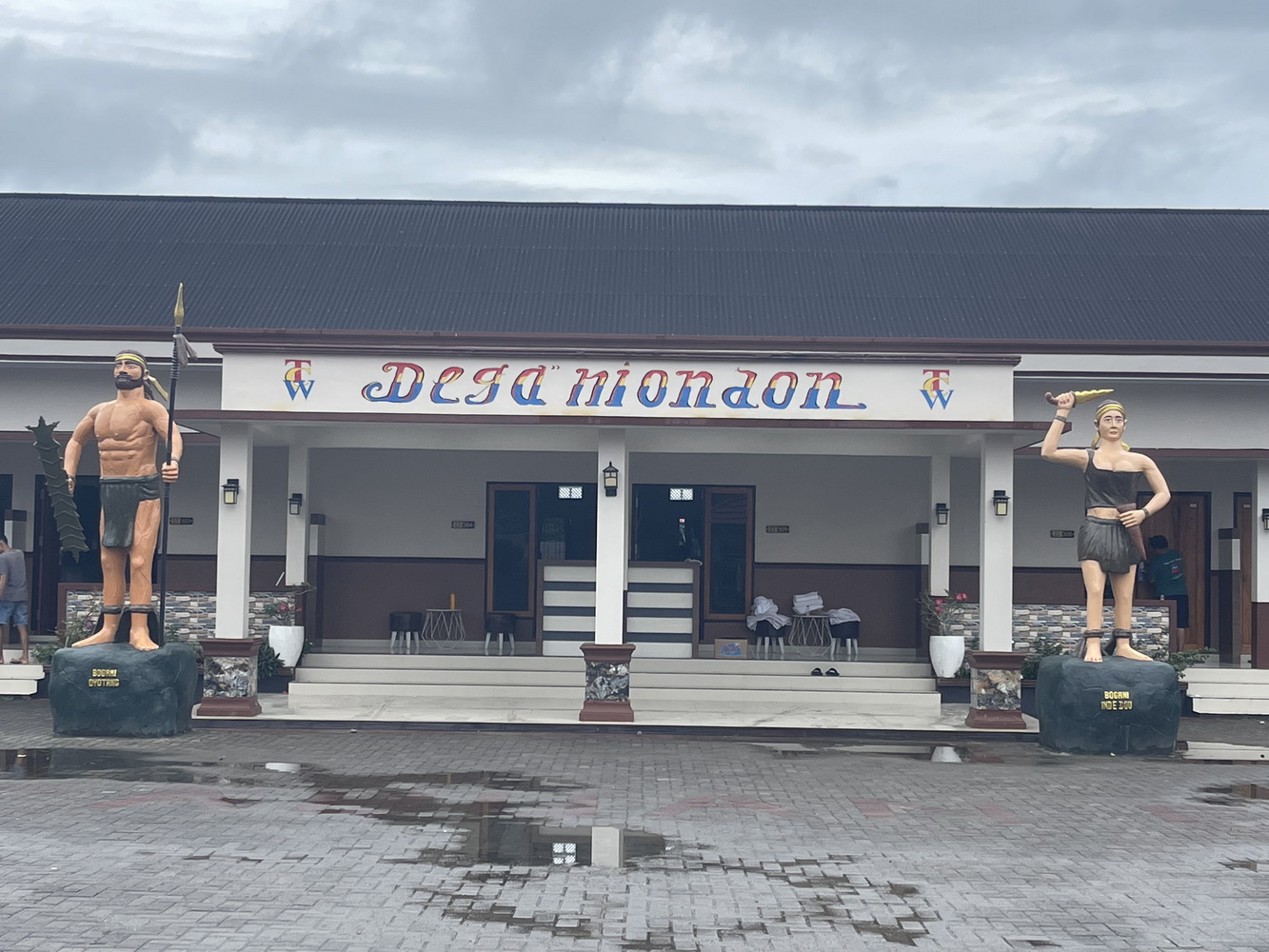
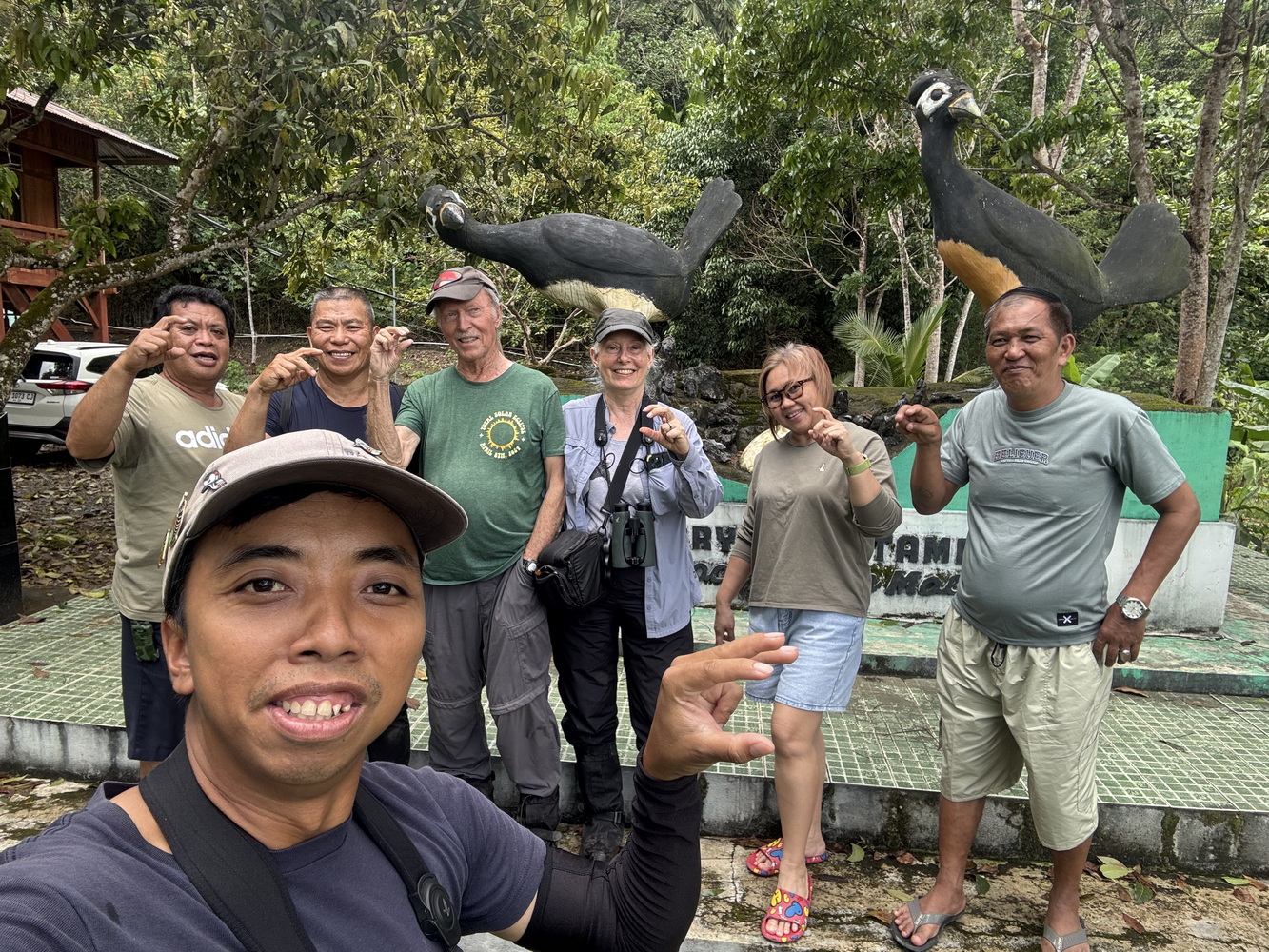
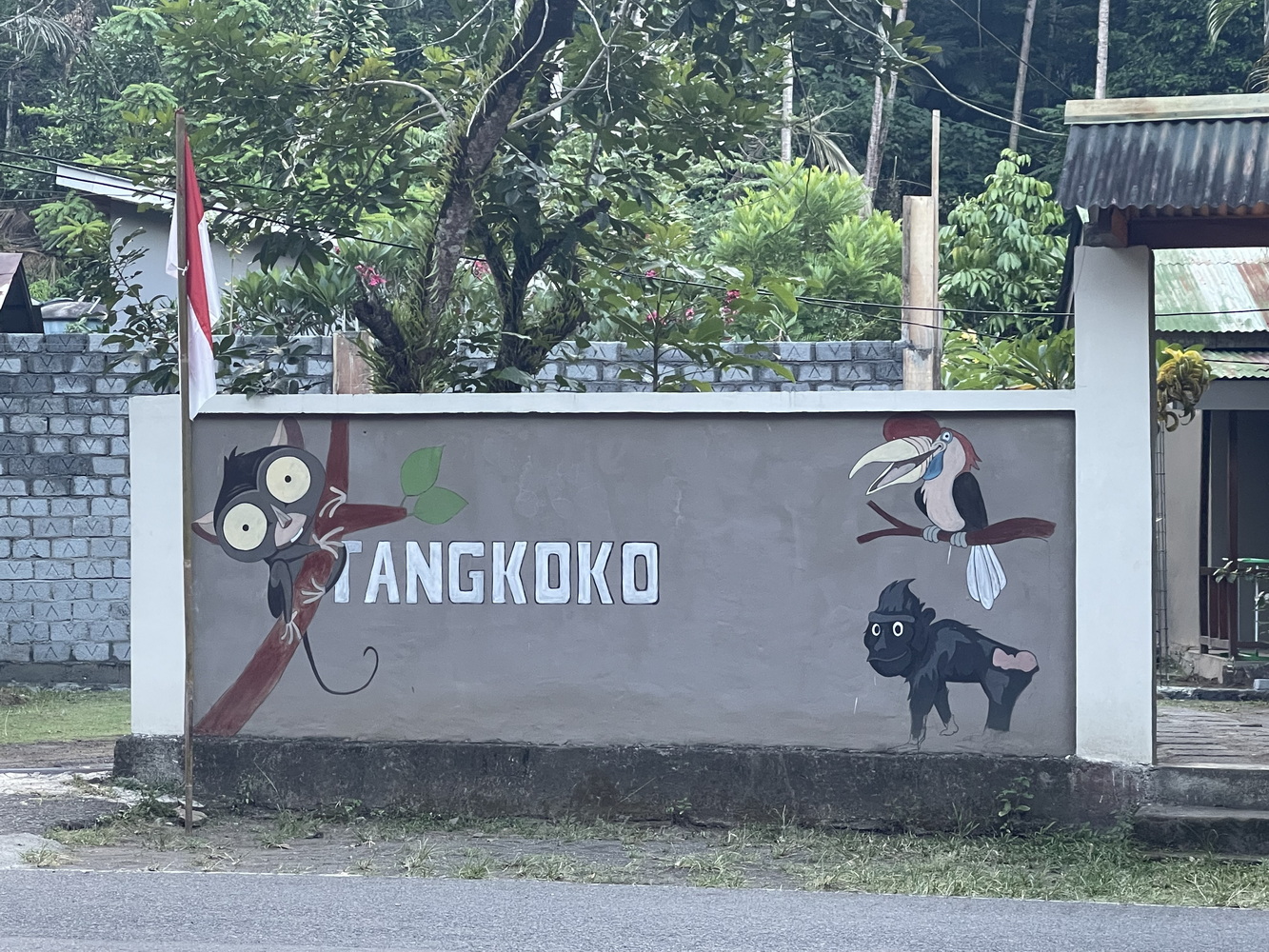
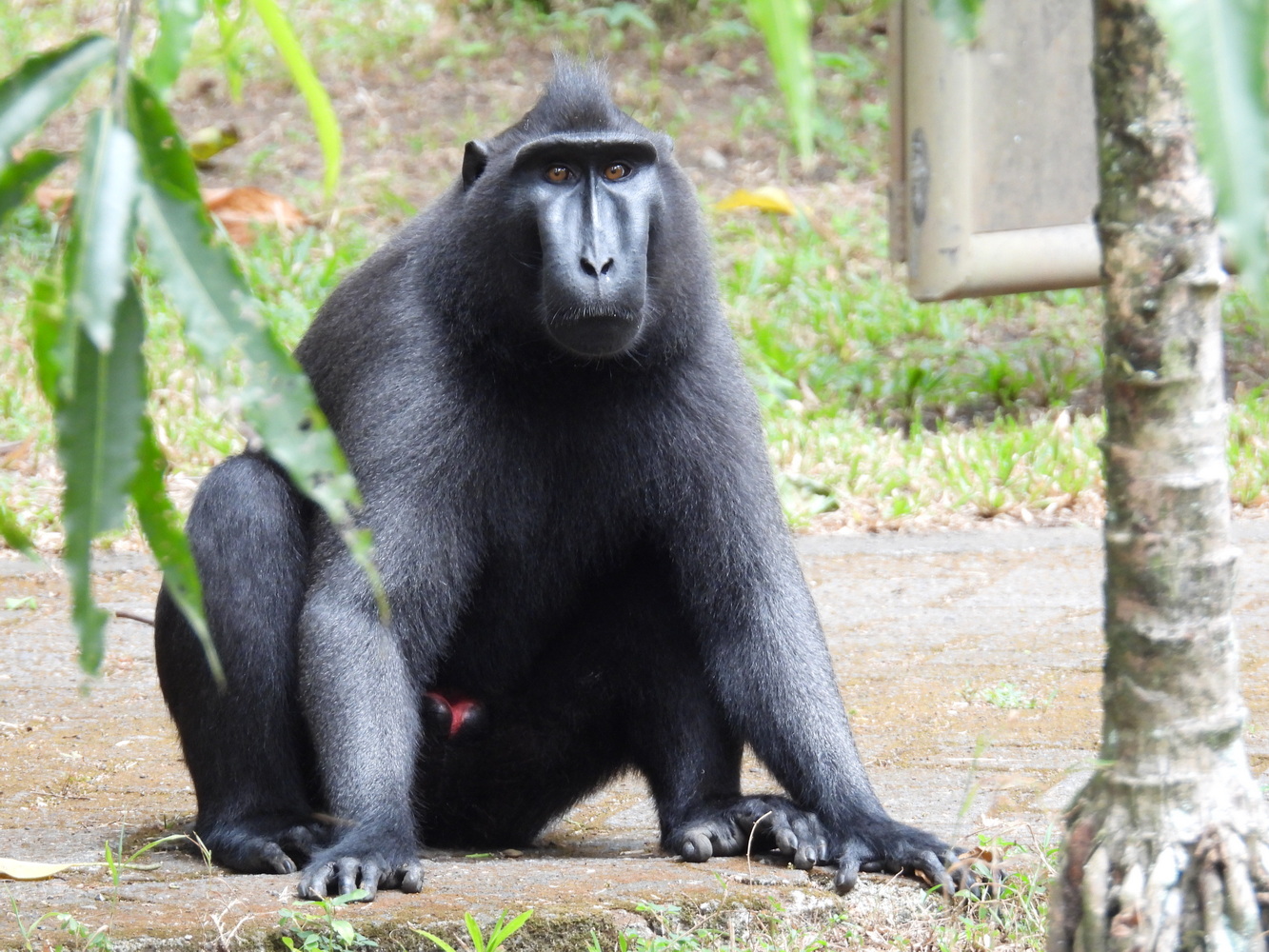
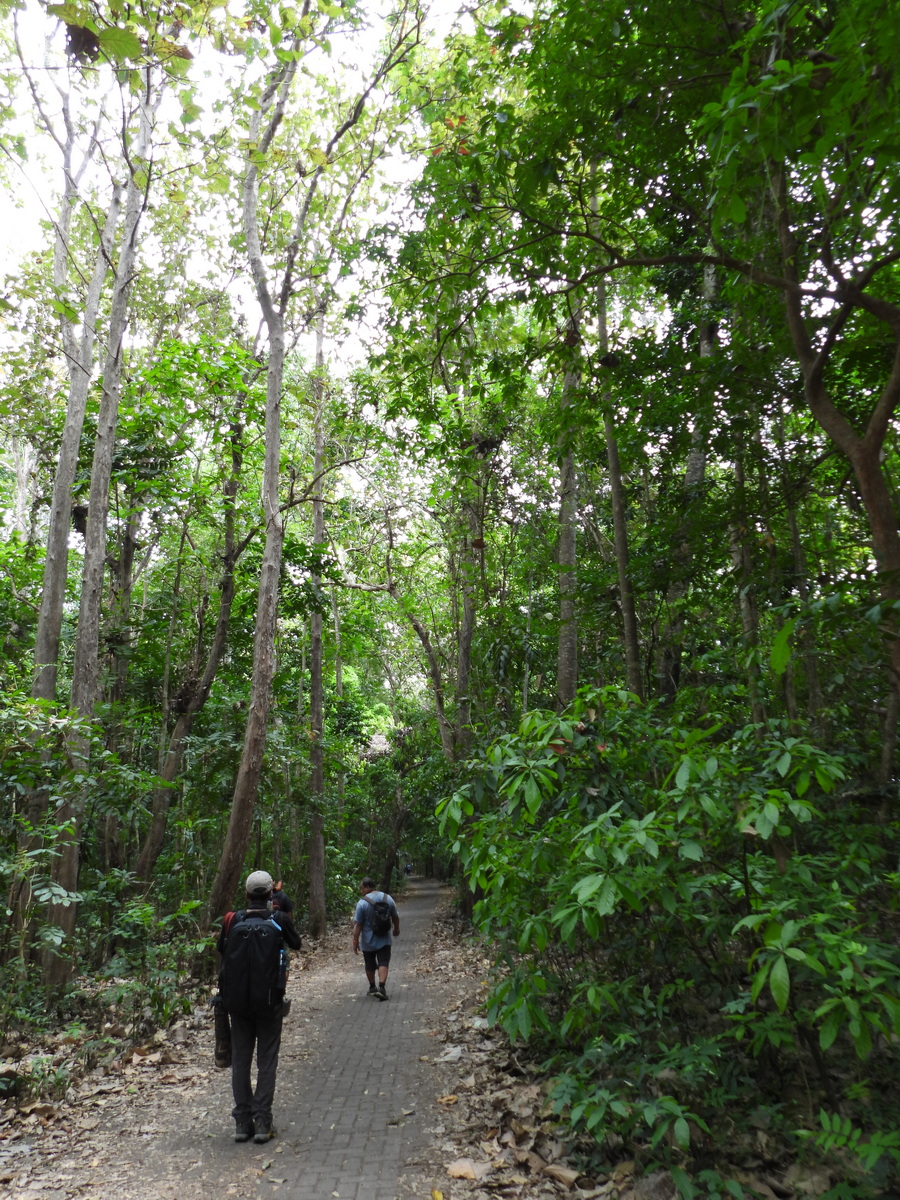
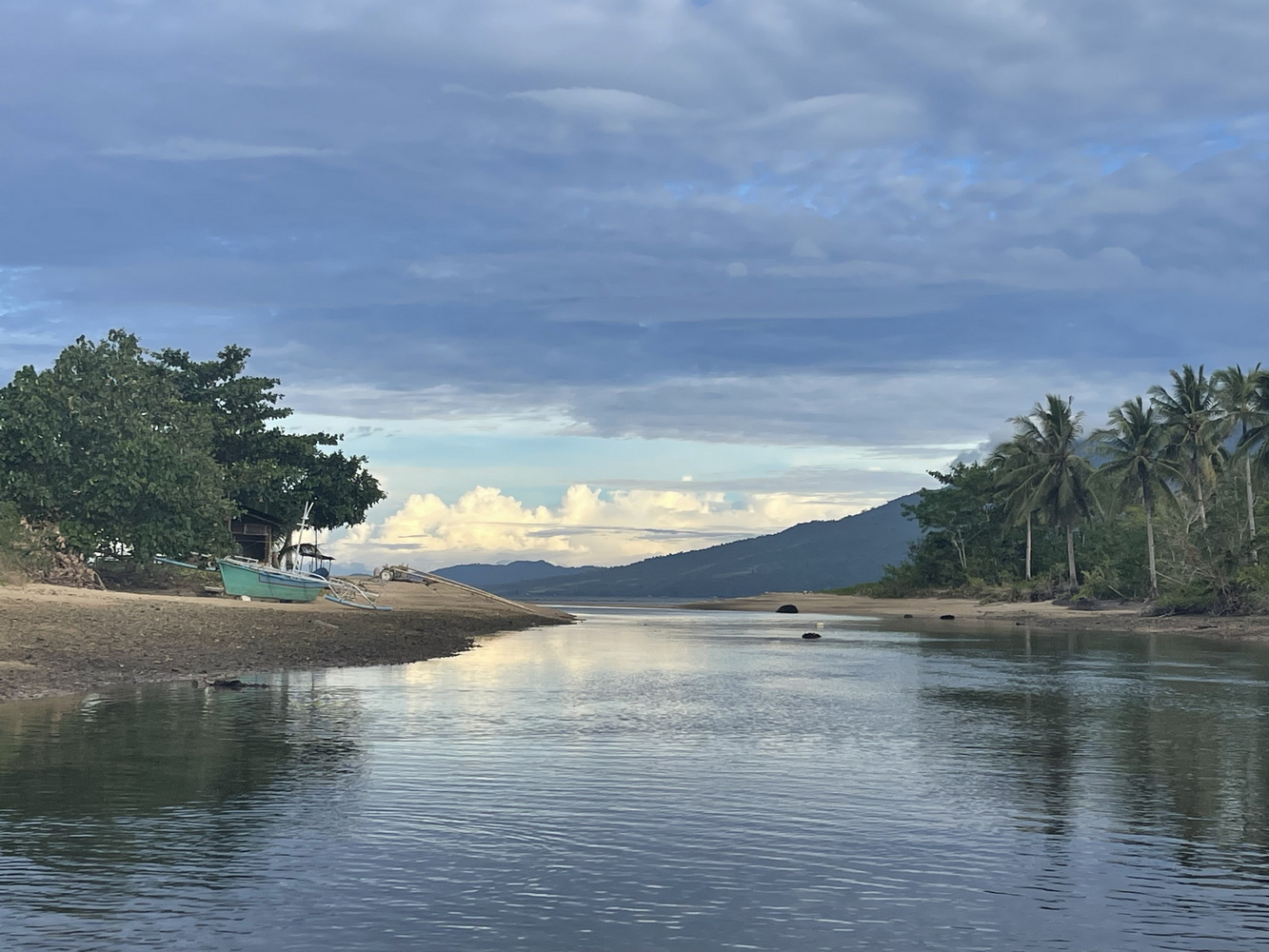
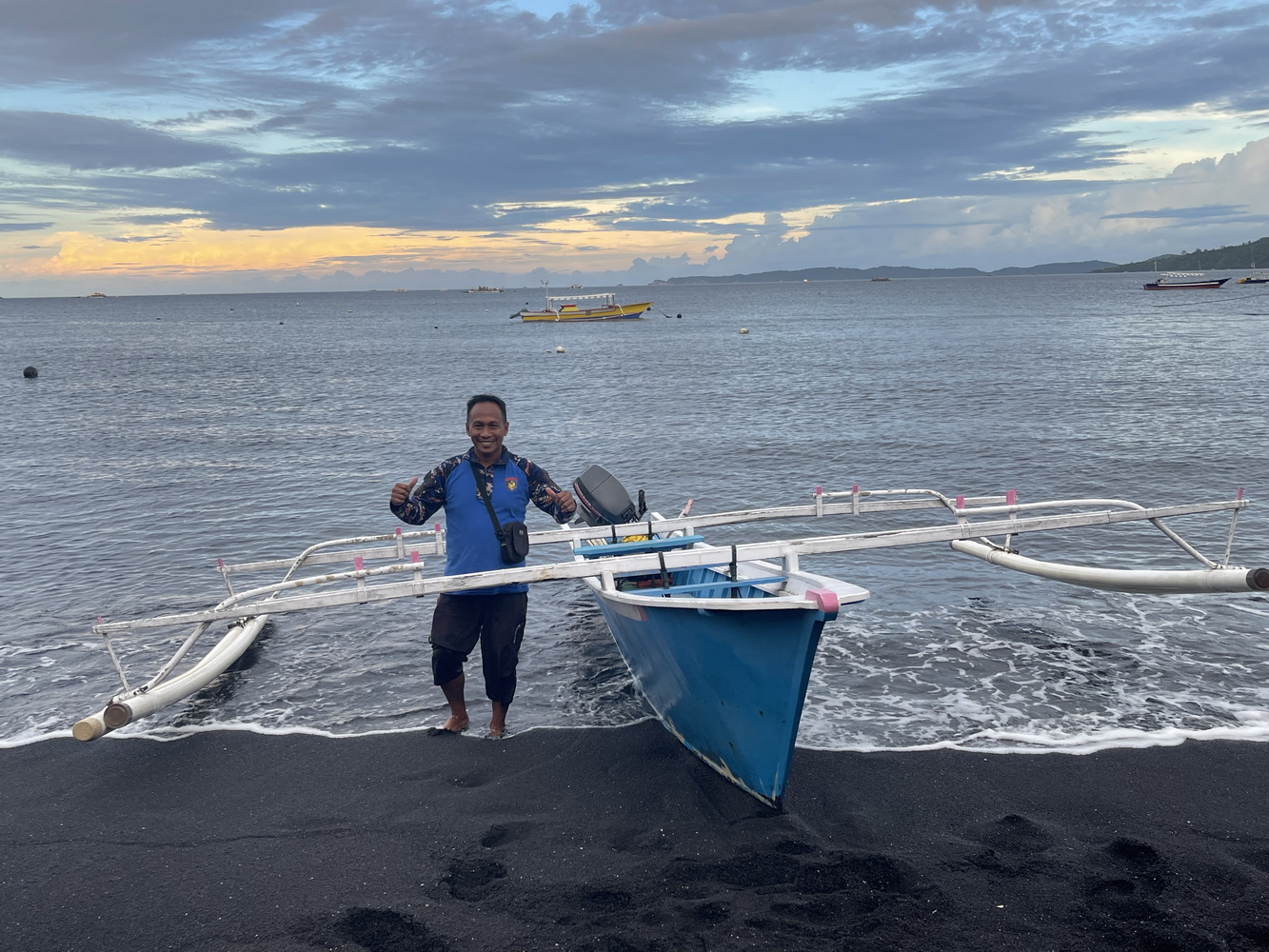
Our last area on Sulawesi was Tangkoko, on the eastern tip of this peninsula. Tangkoko Nature Reserve – a 100-year old private refuge – is home to some very unique mammals as well as birds, which we were able to see. We also enjoyed a short expedition by boat along the ocean shoreline and up a small river.
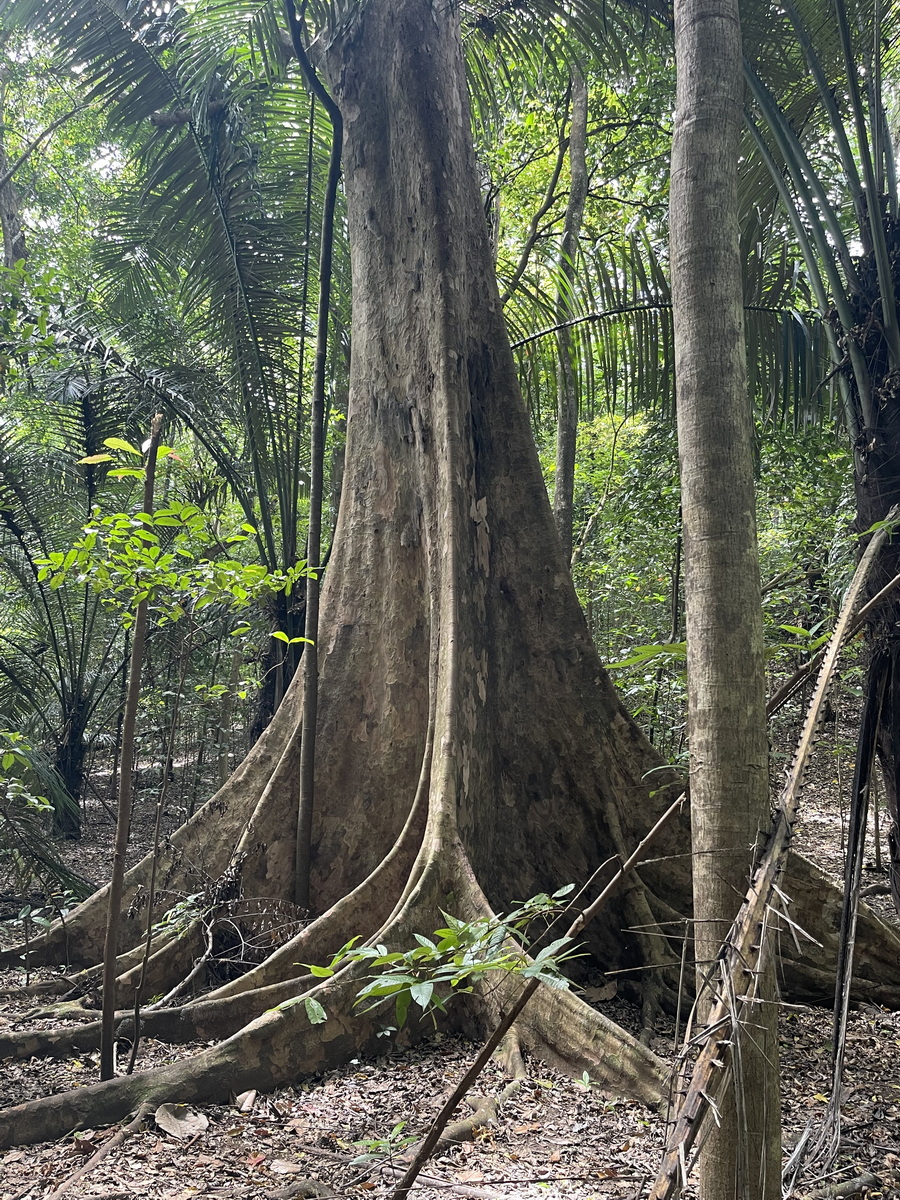
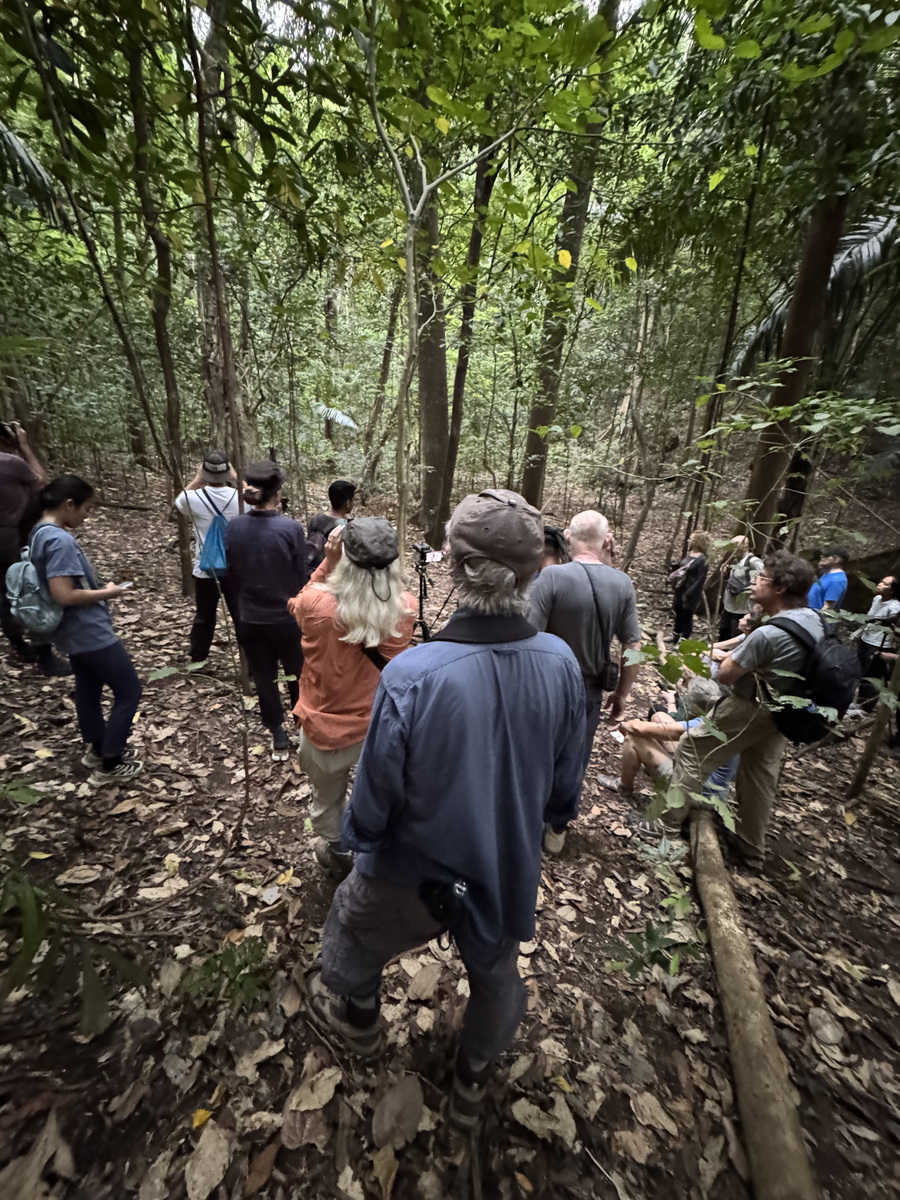
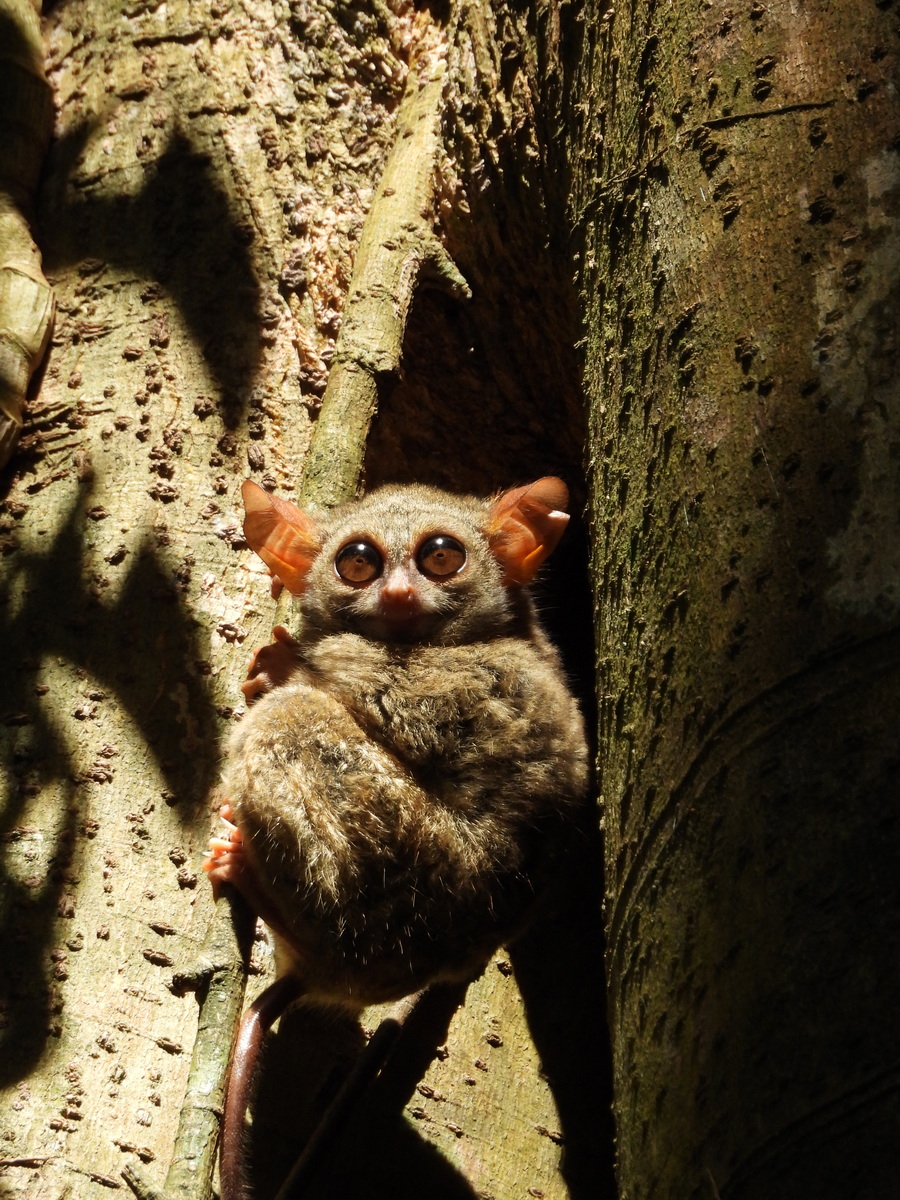
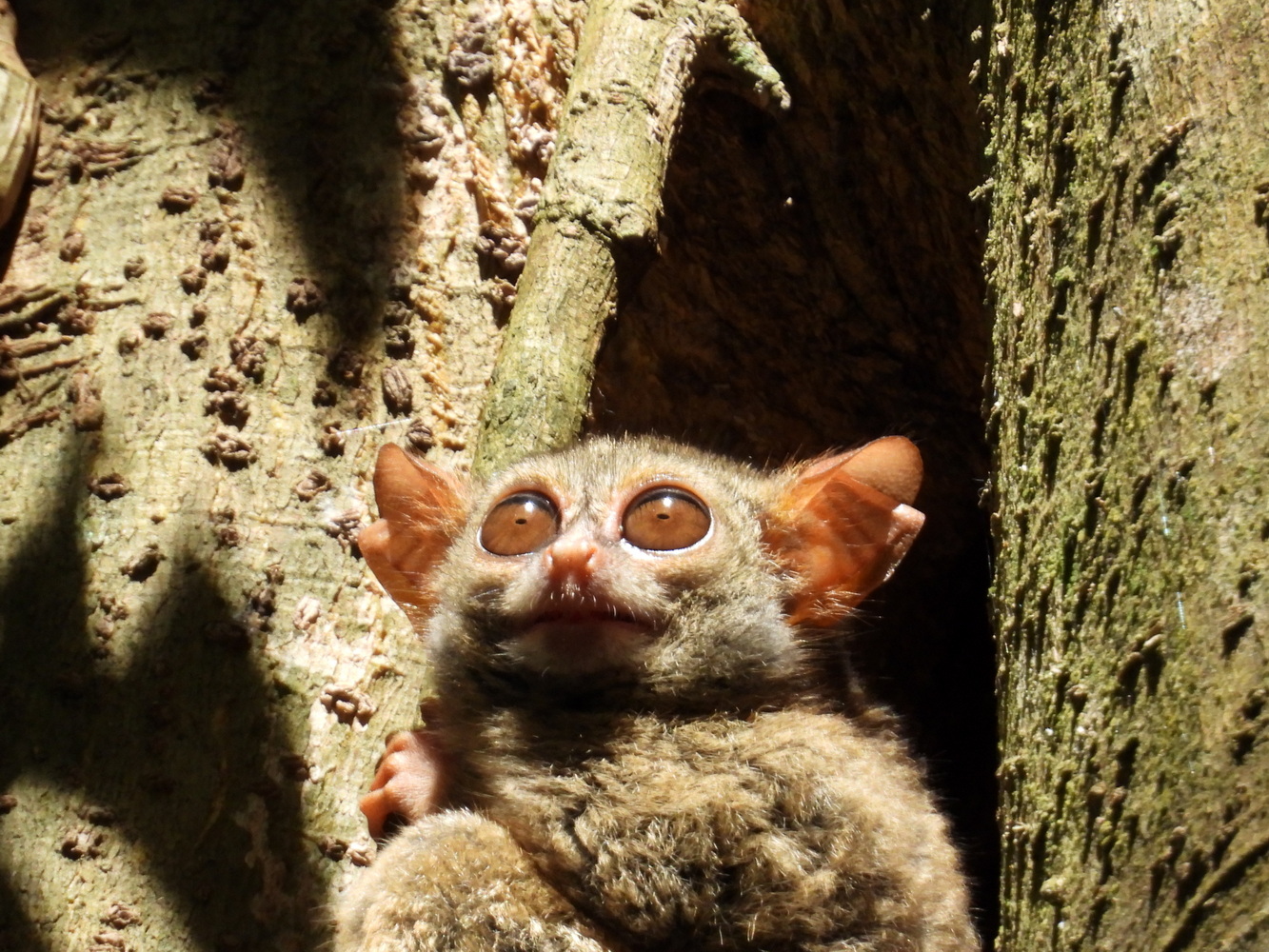
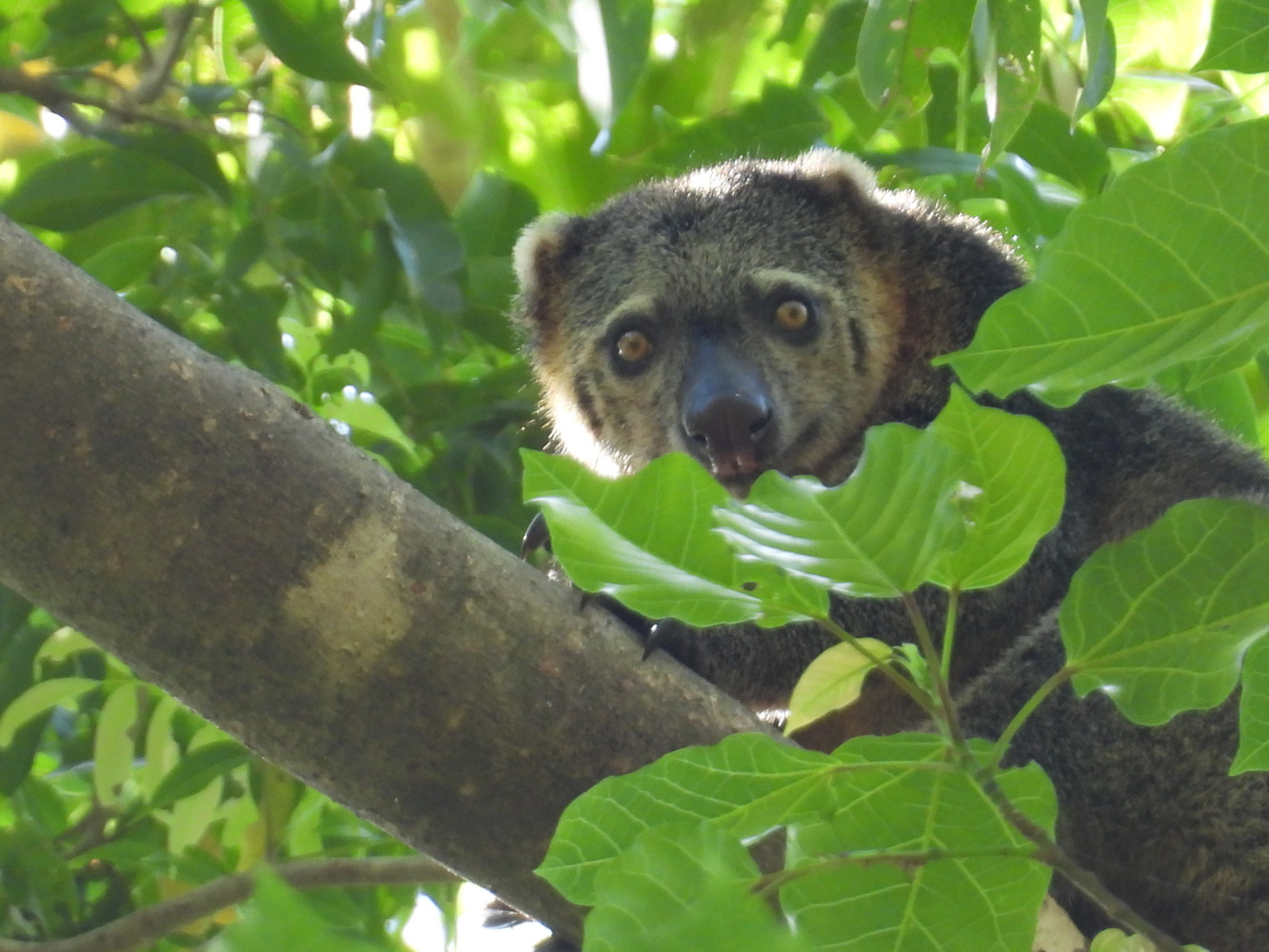
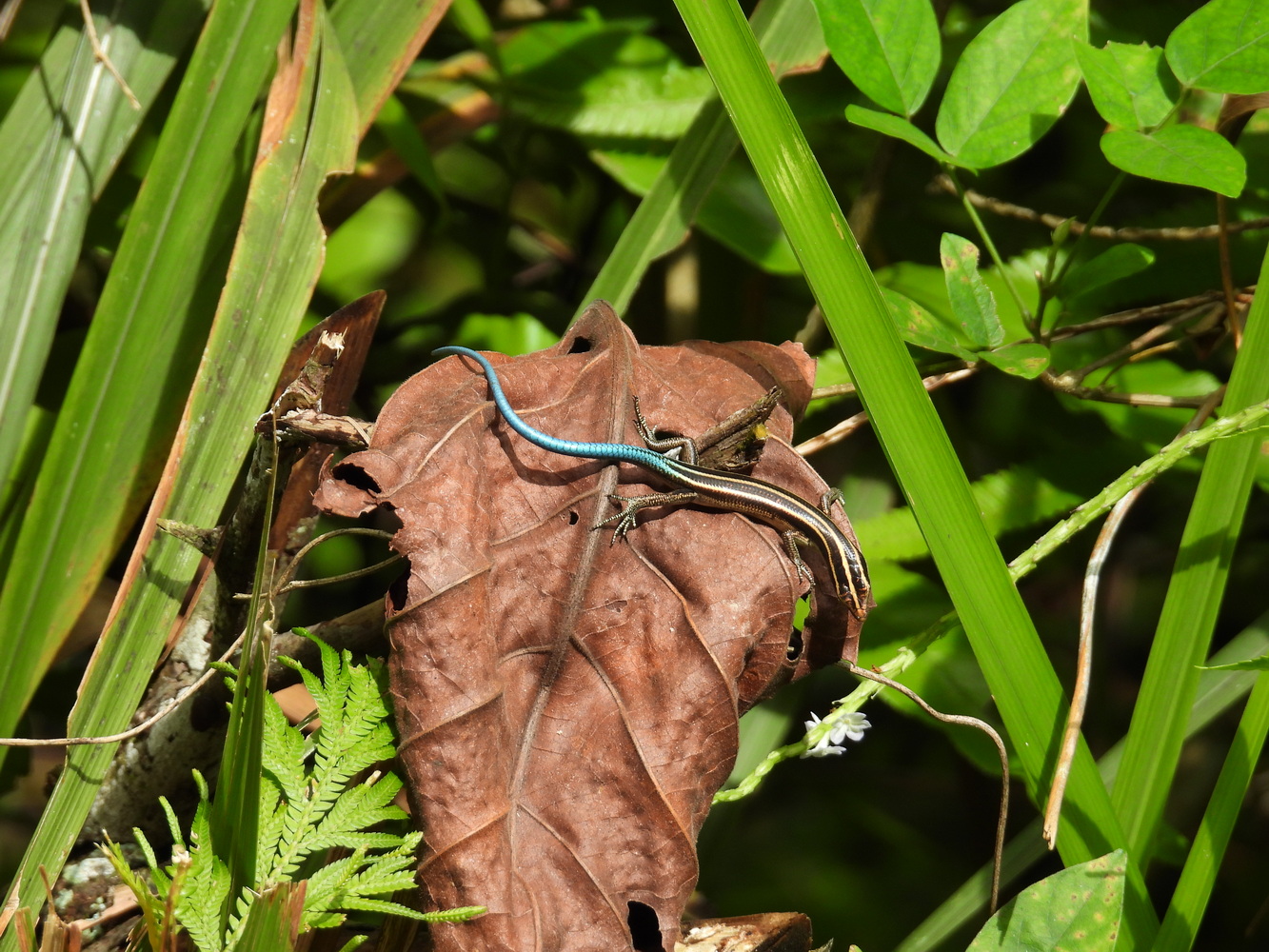
Sulawesi Birding Highlights
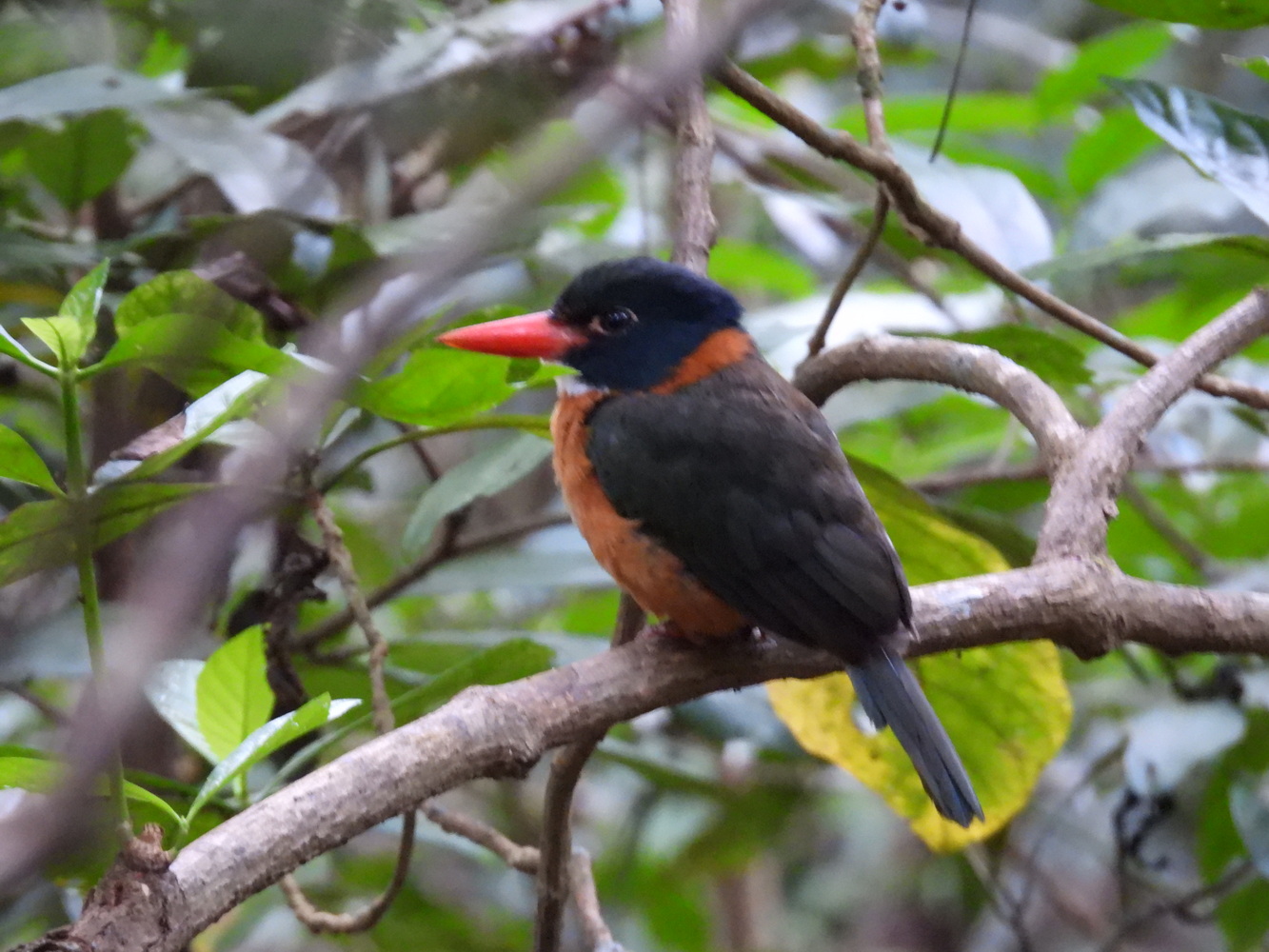
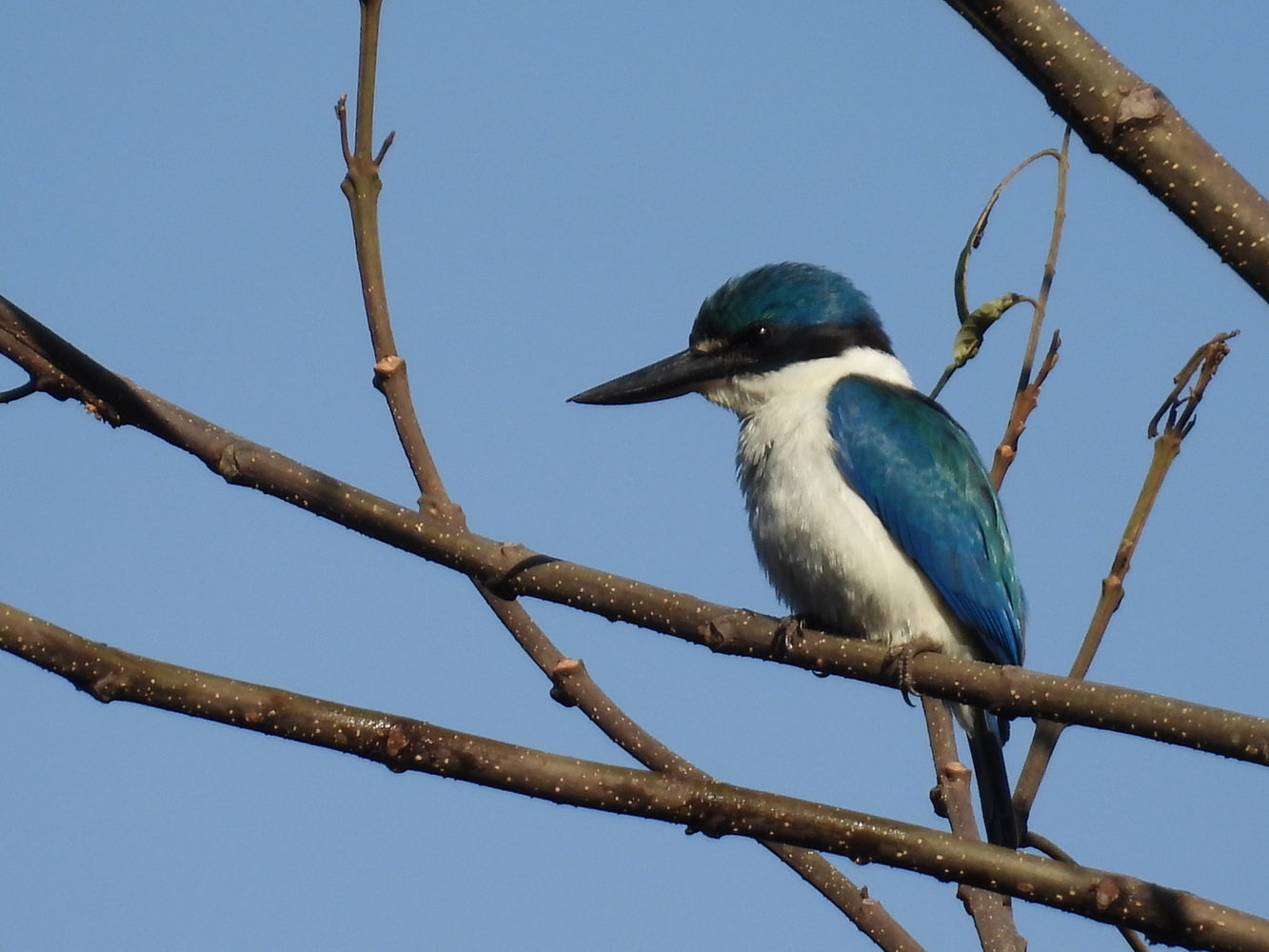
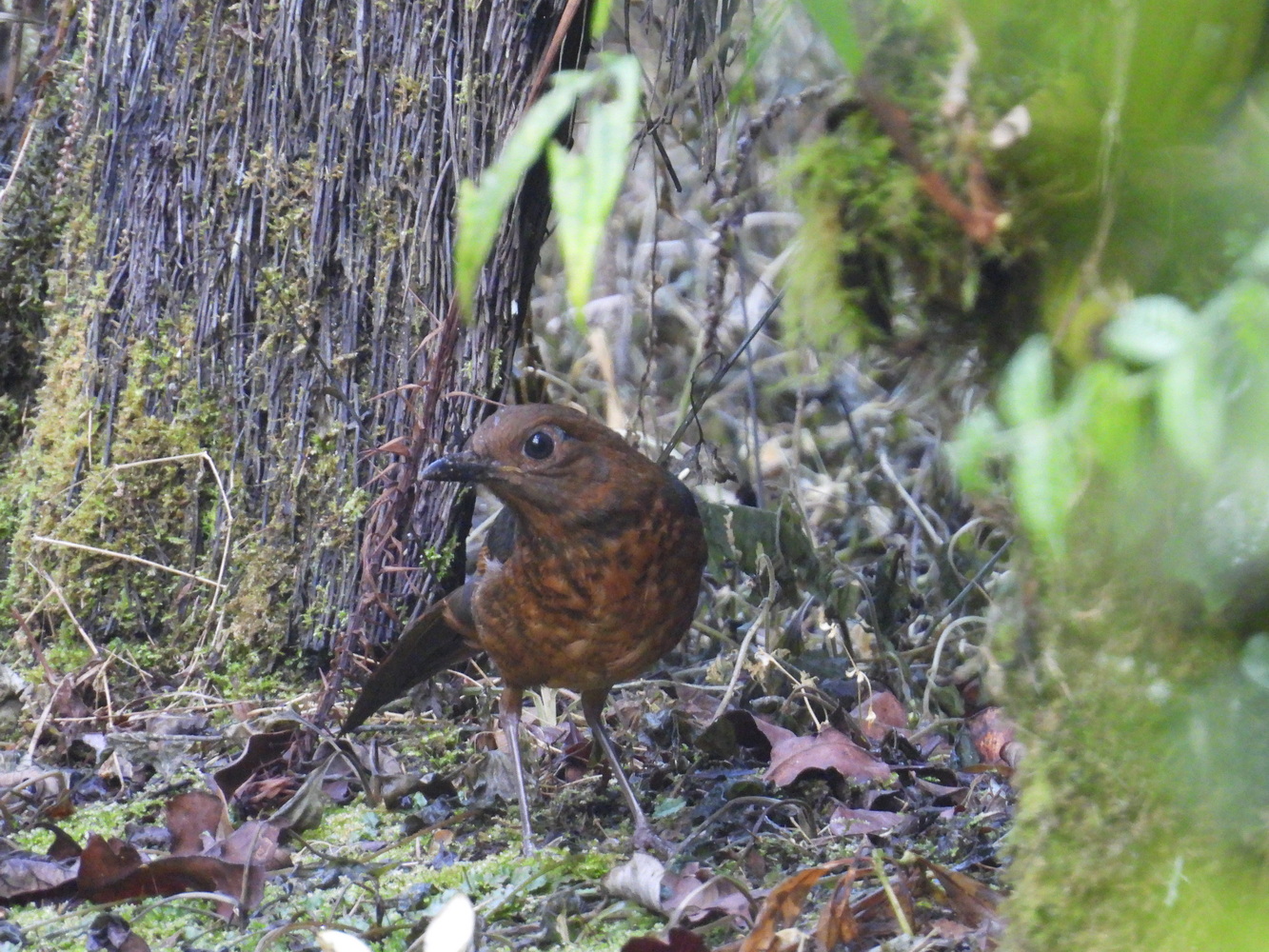
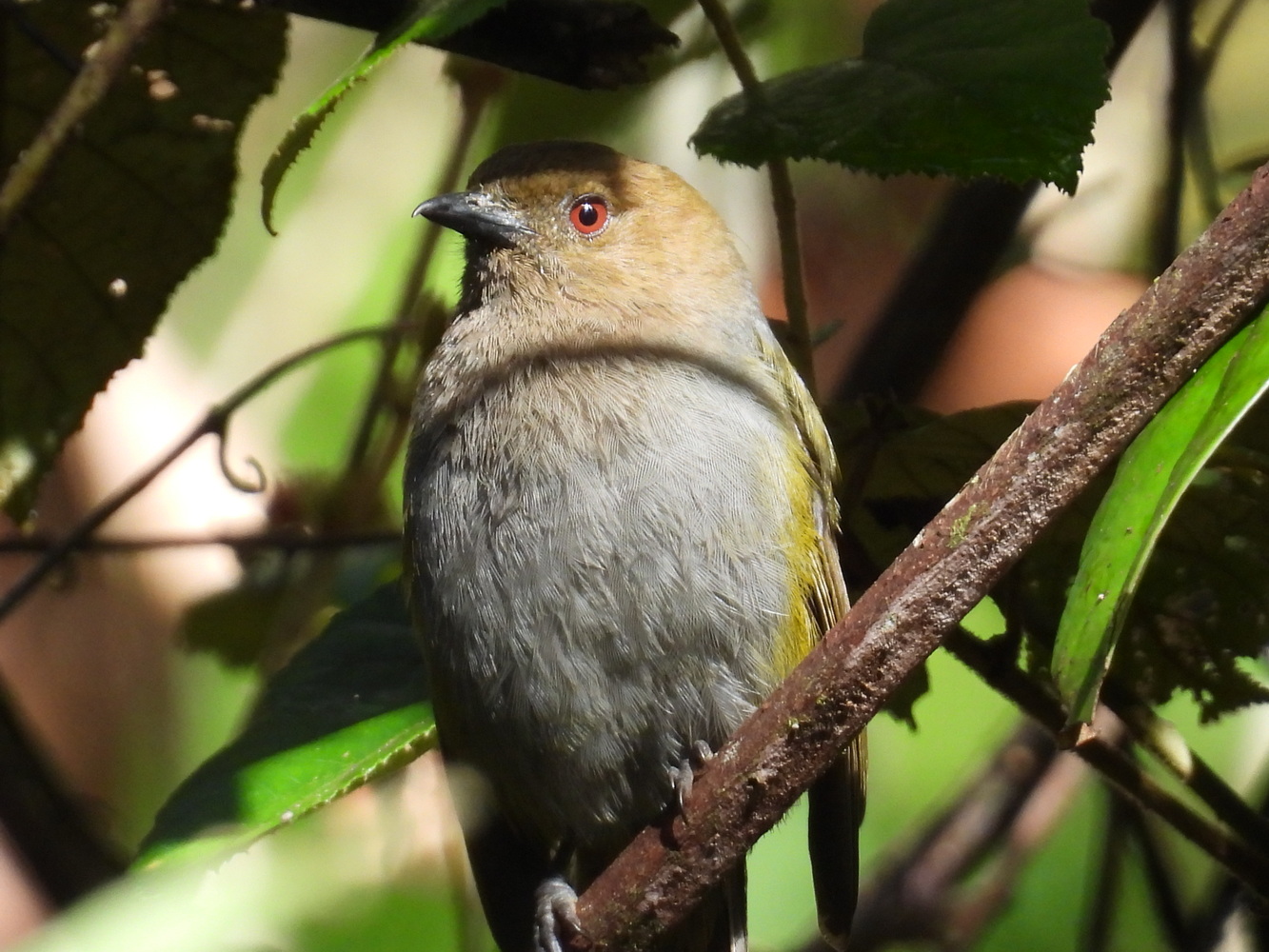
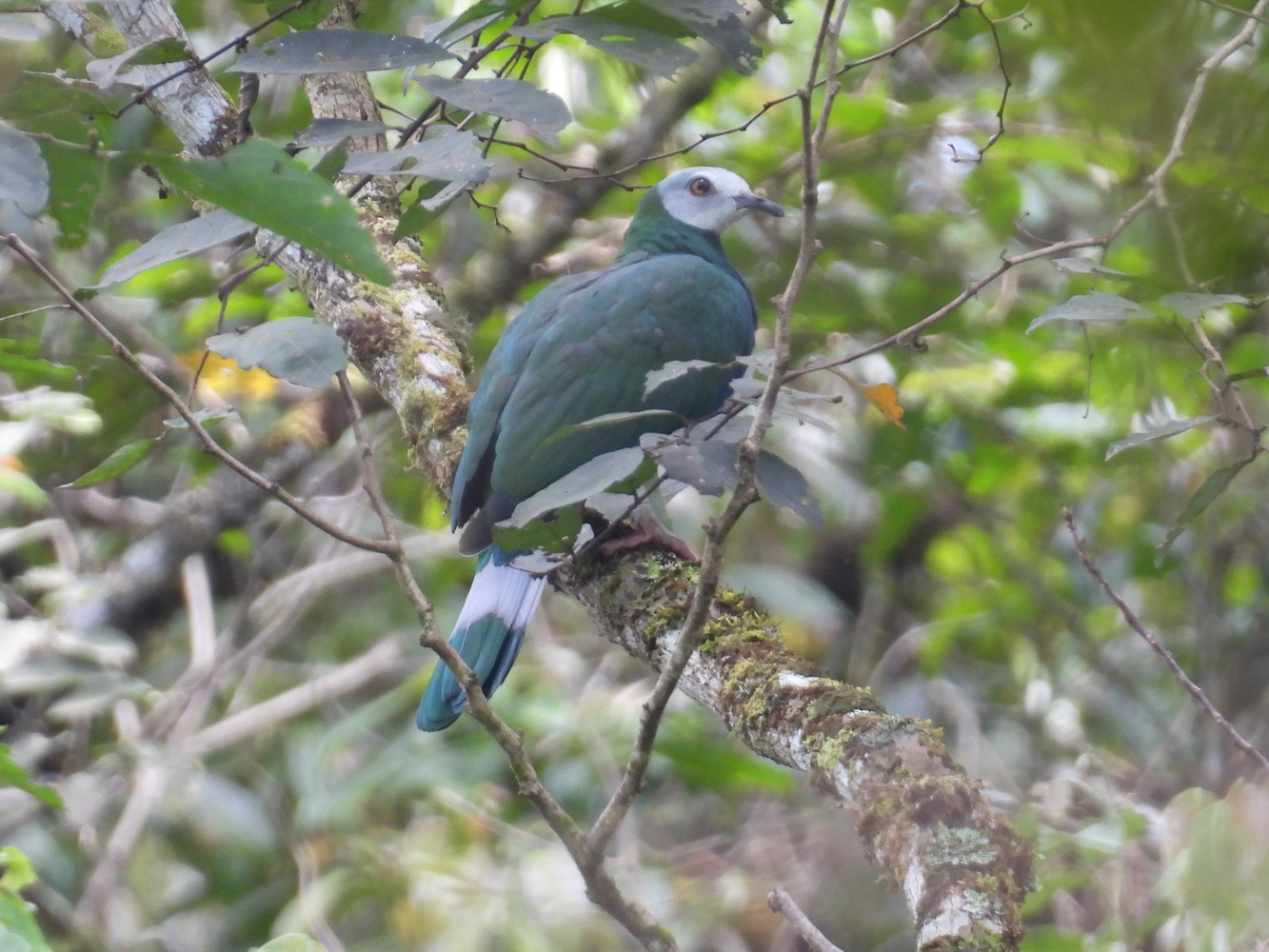
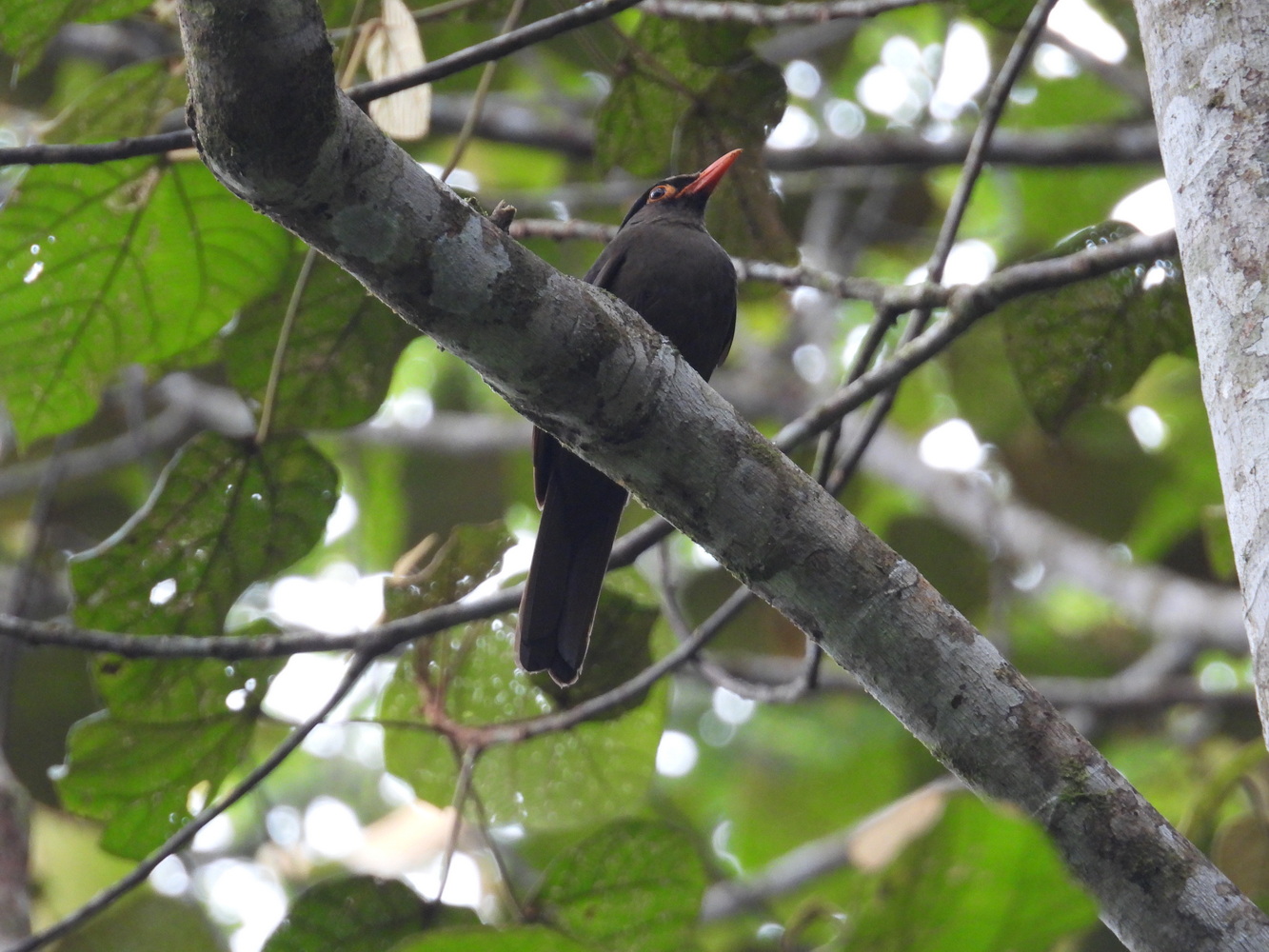
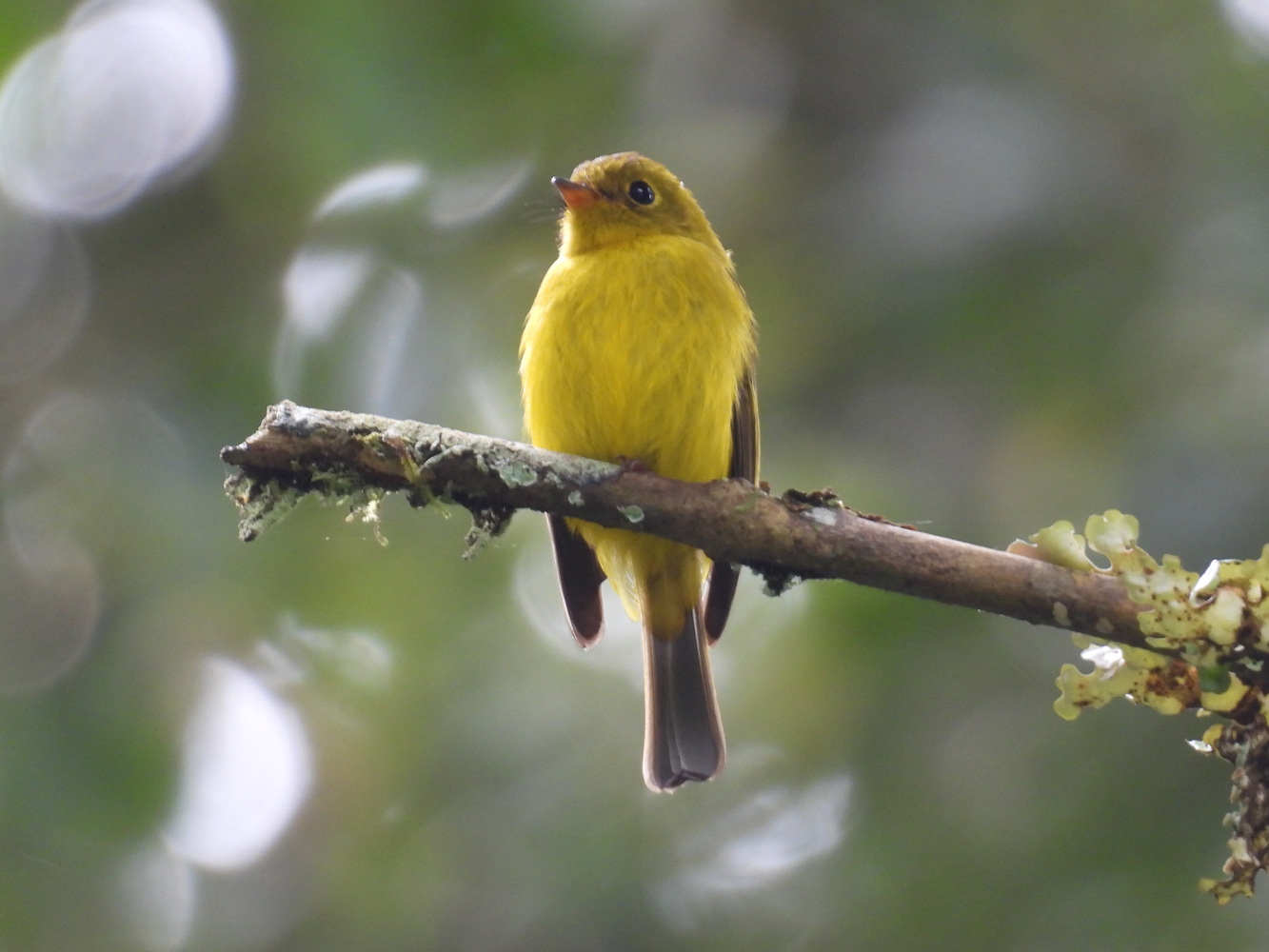
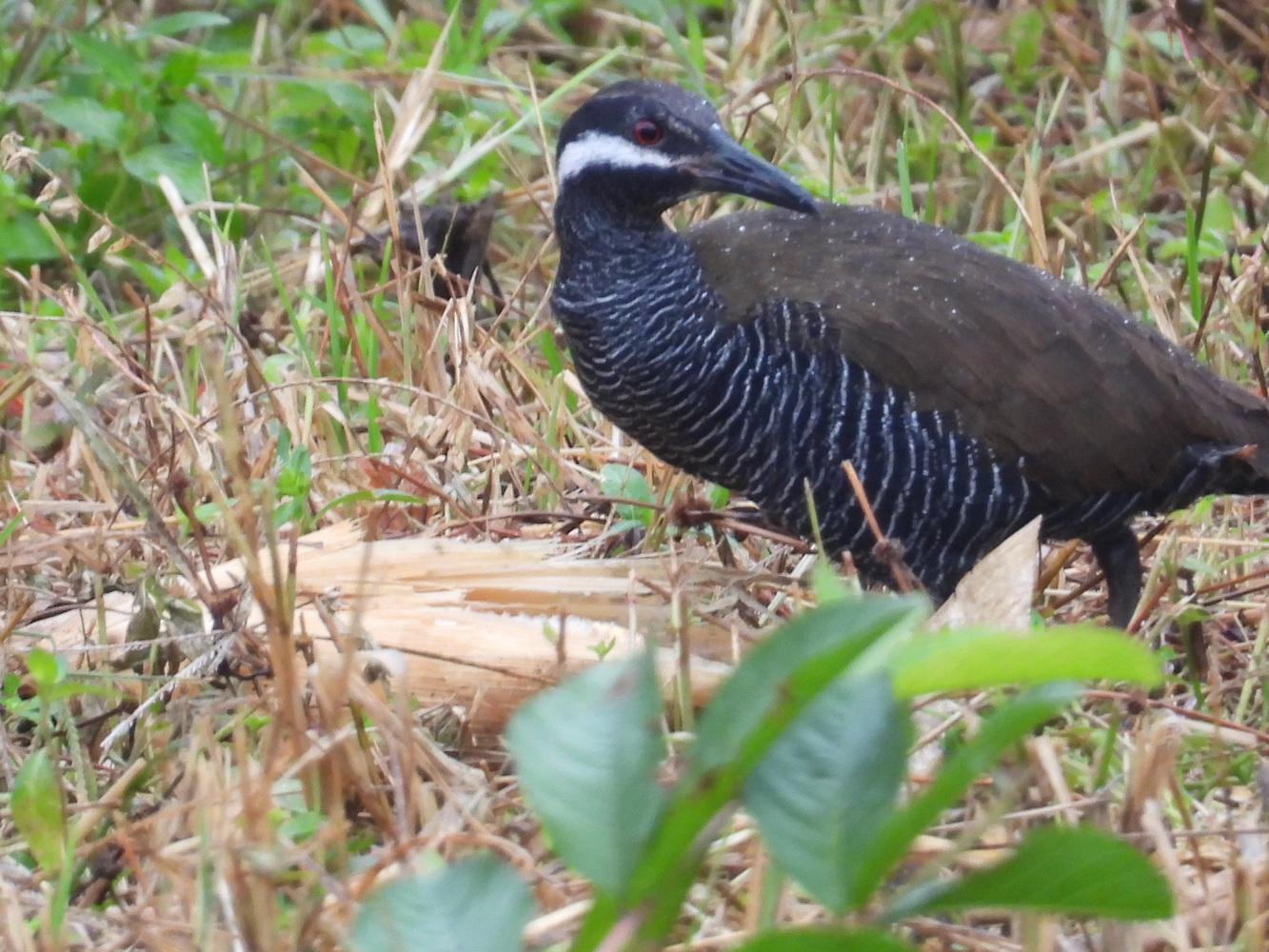
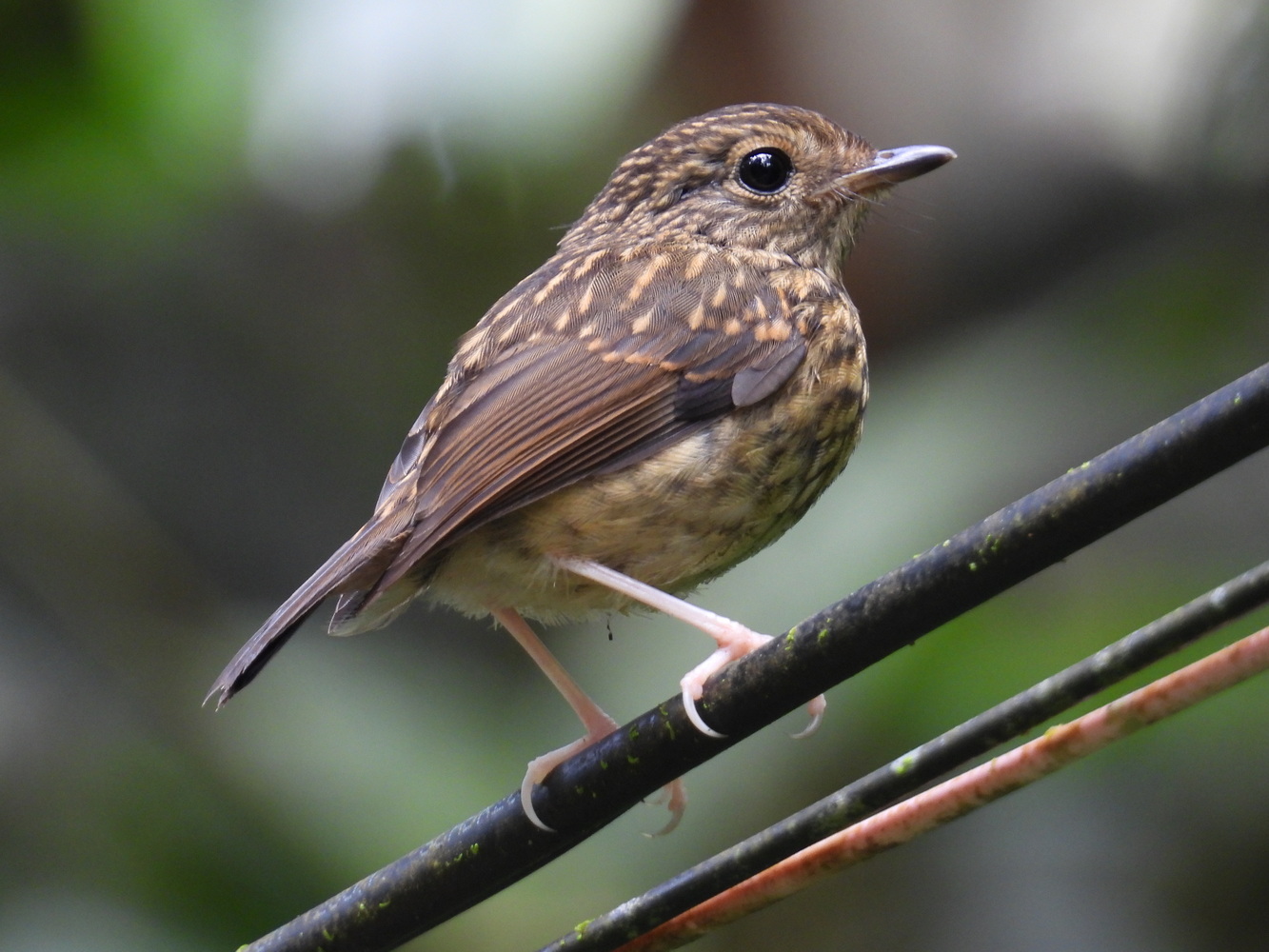
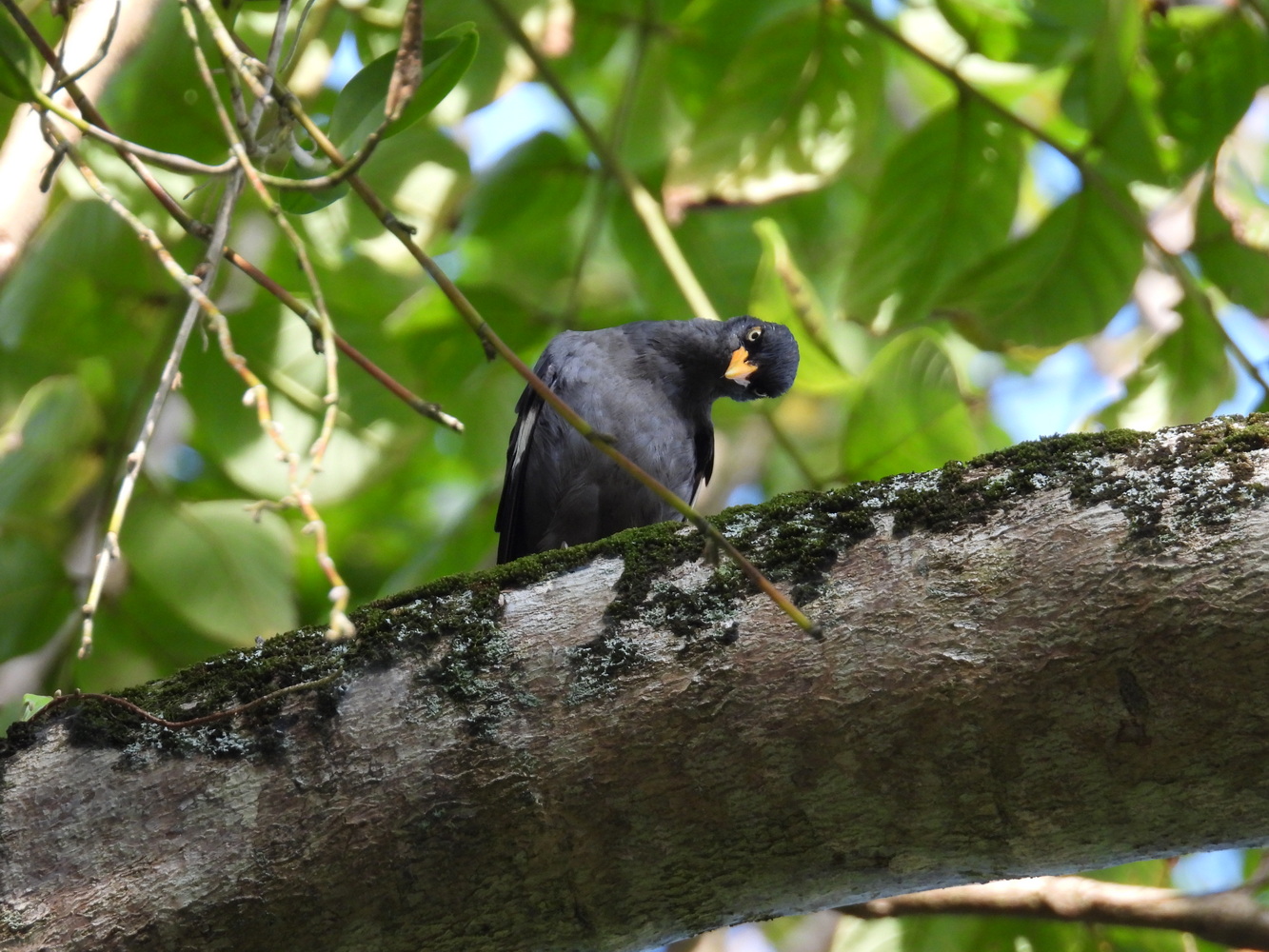
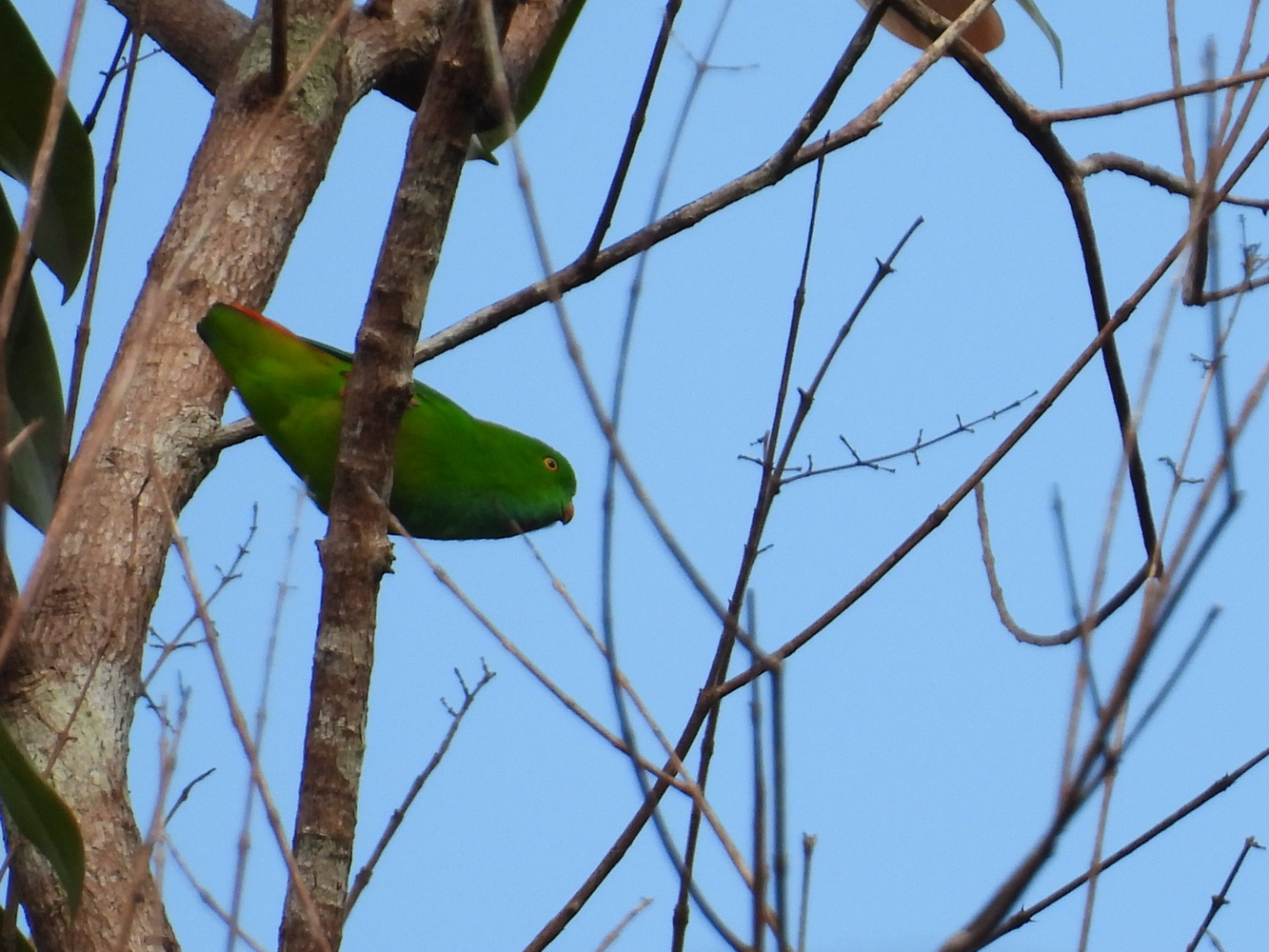
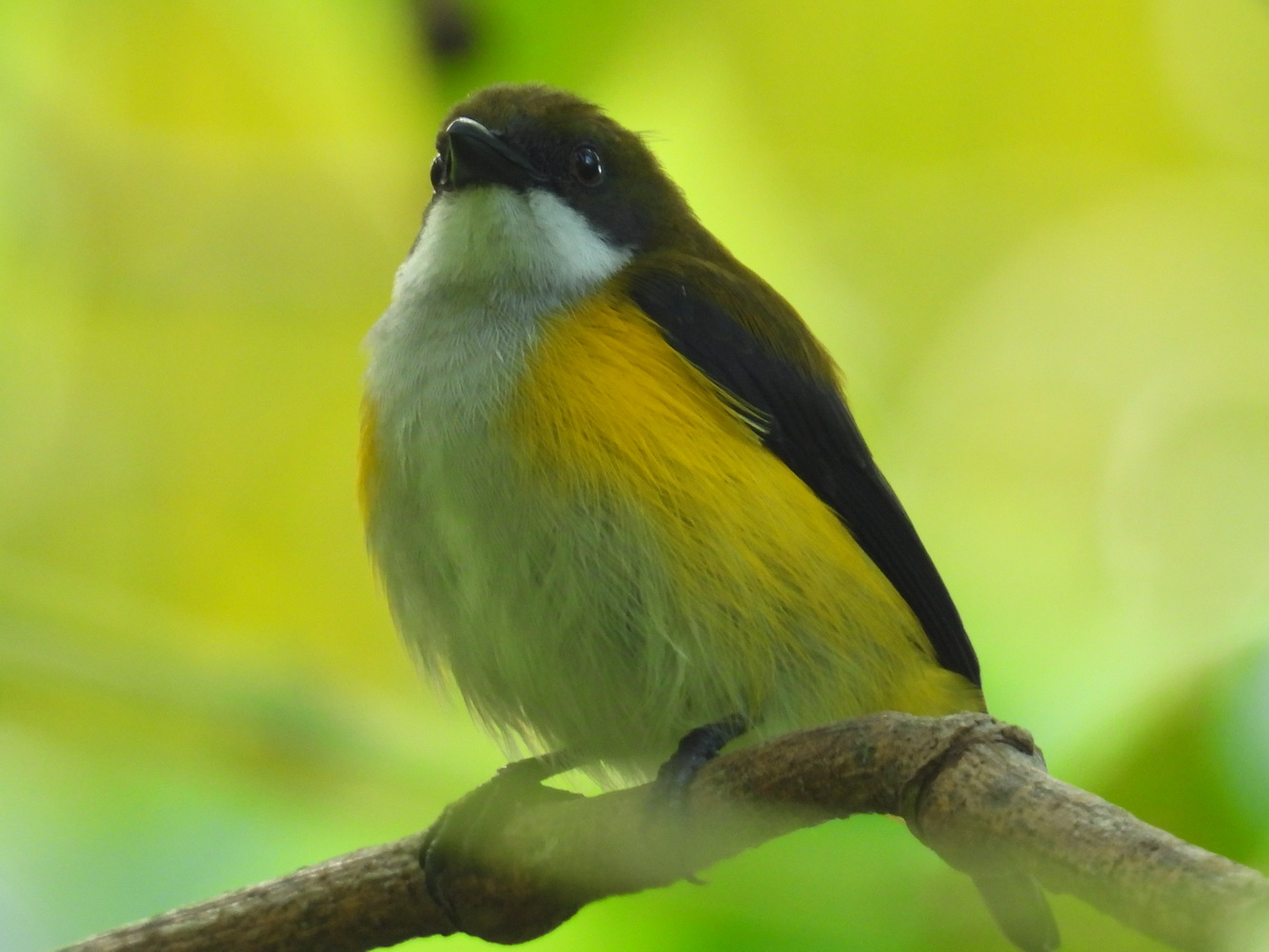
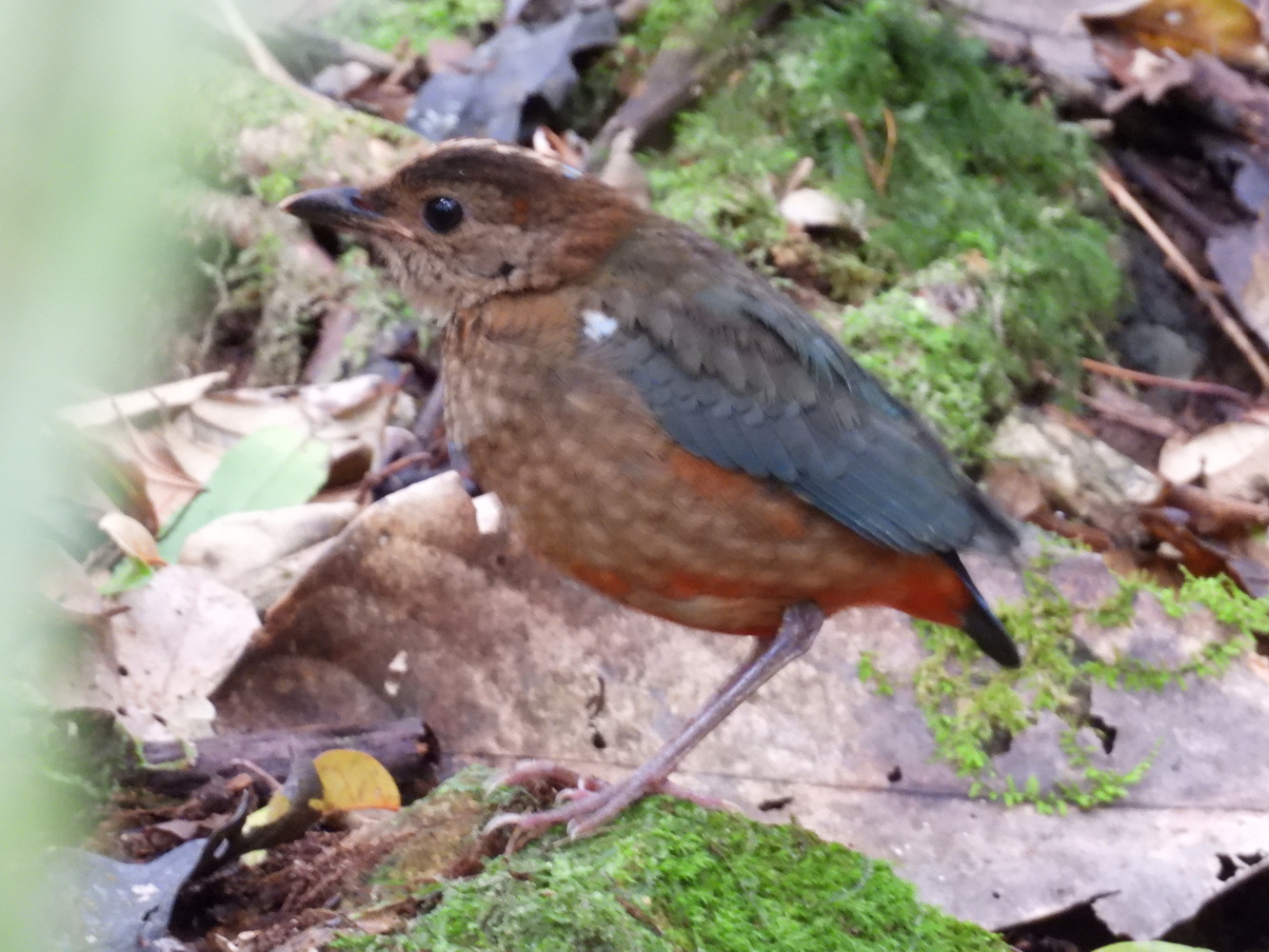
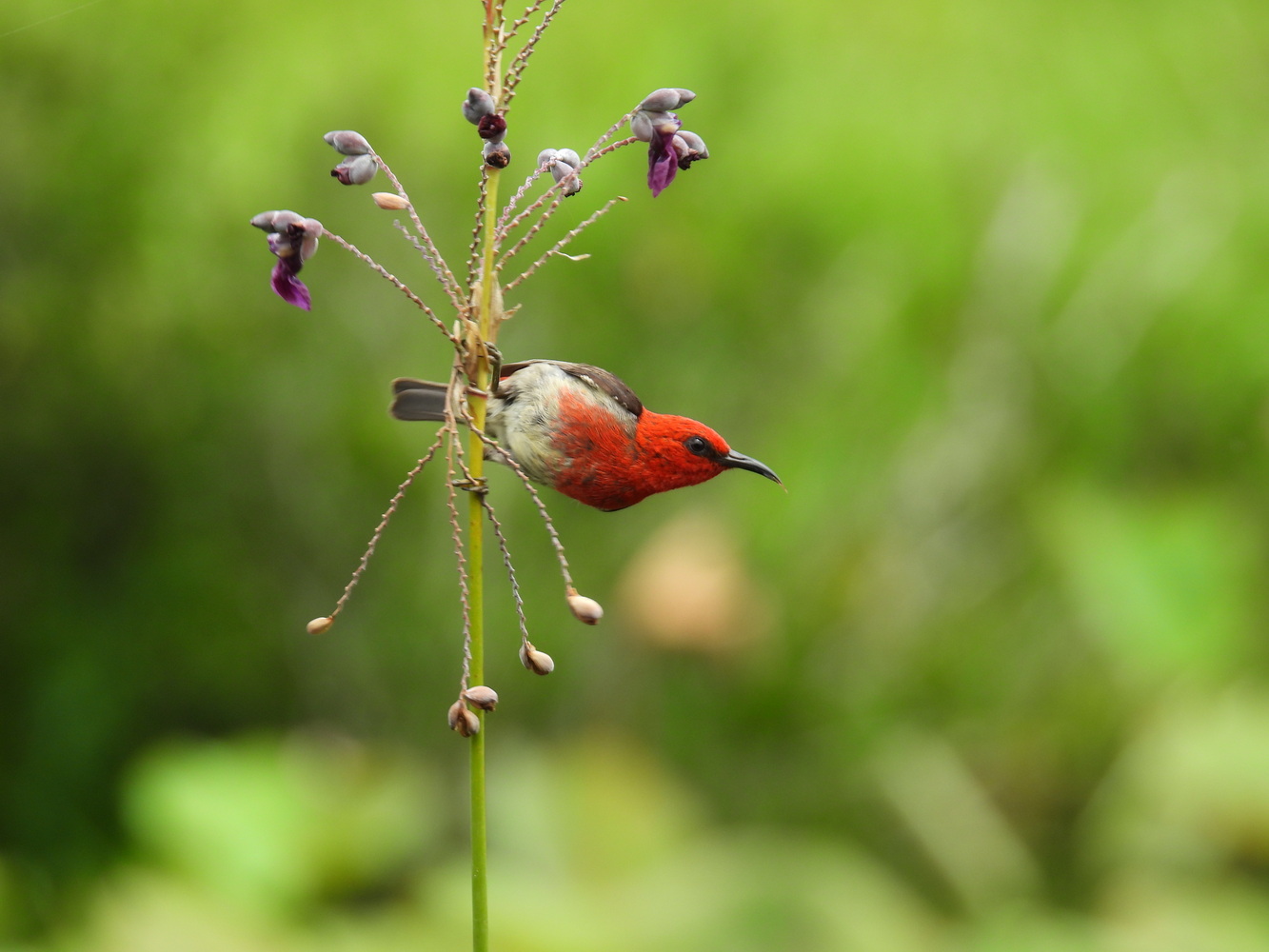
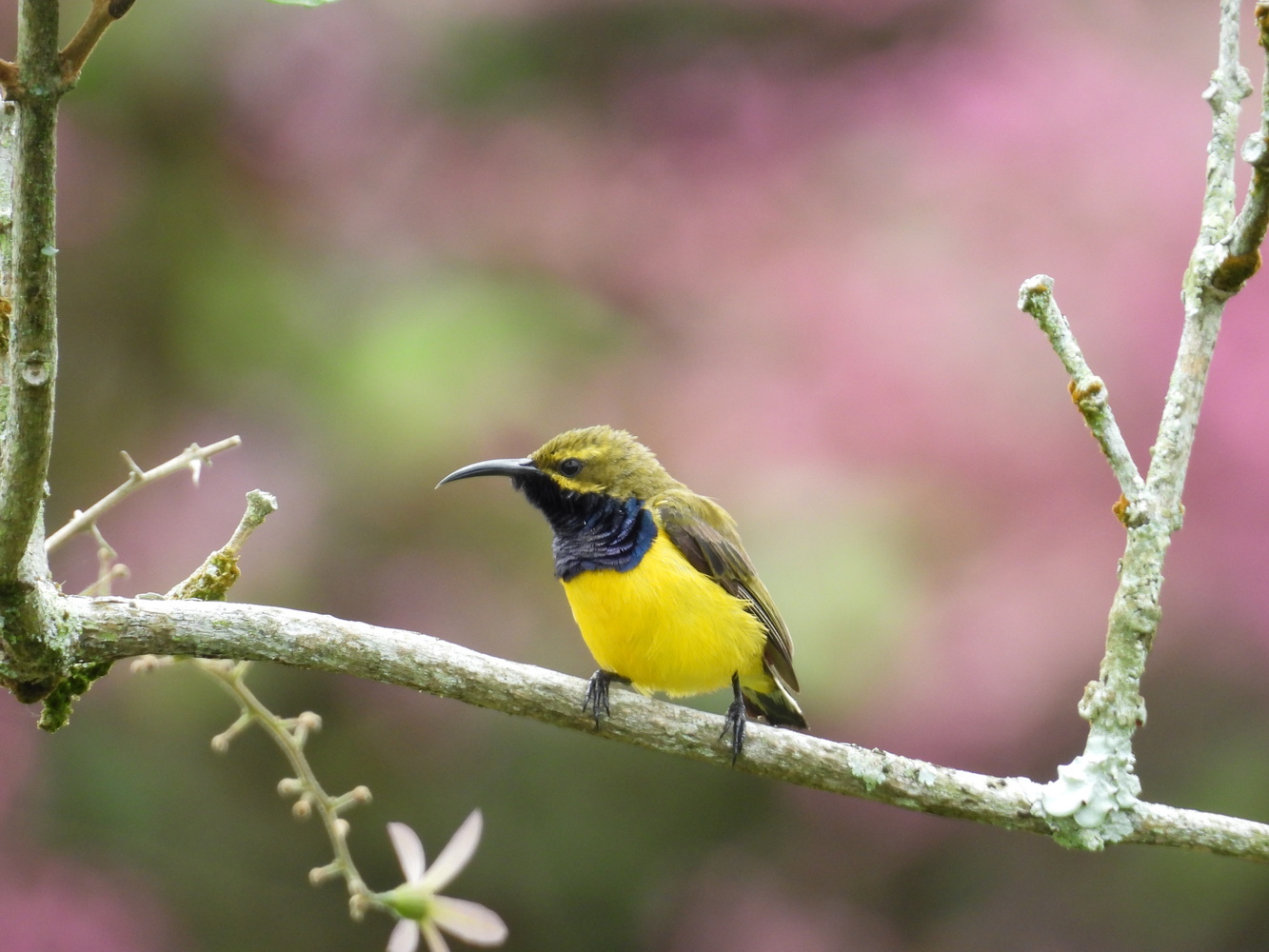
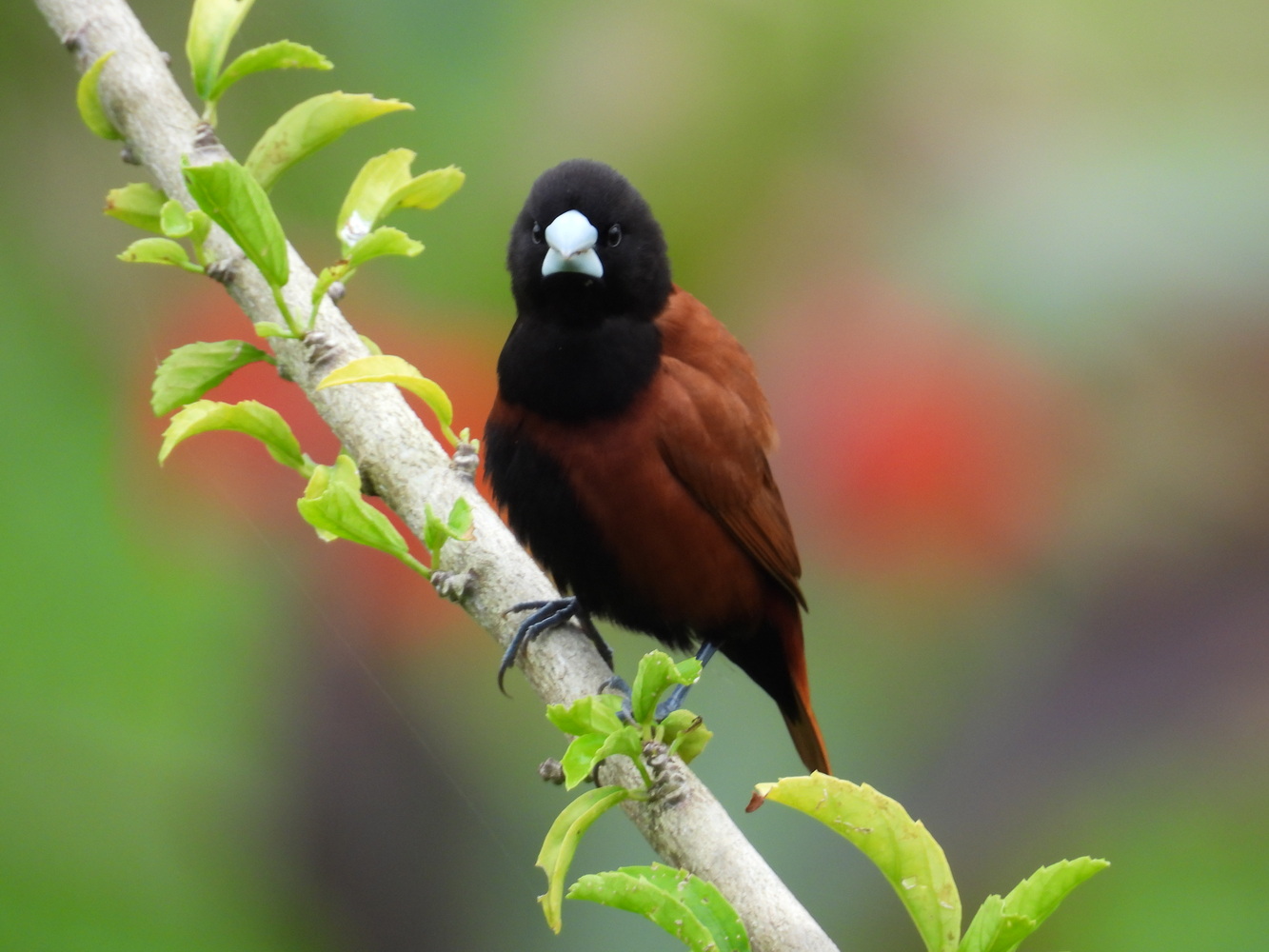
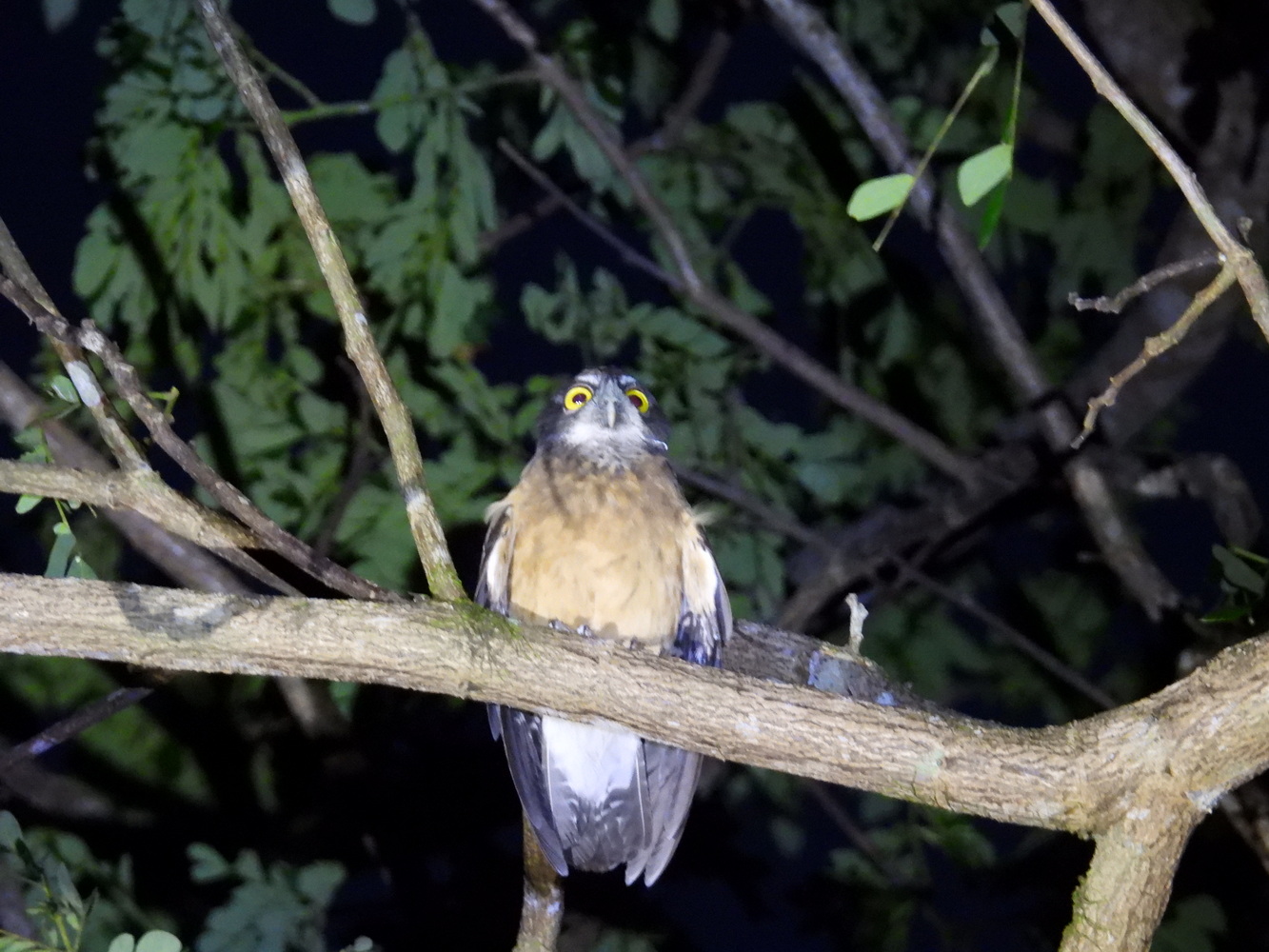
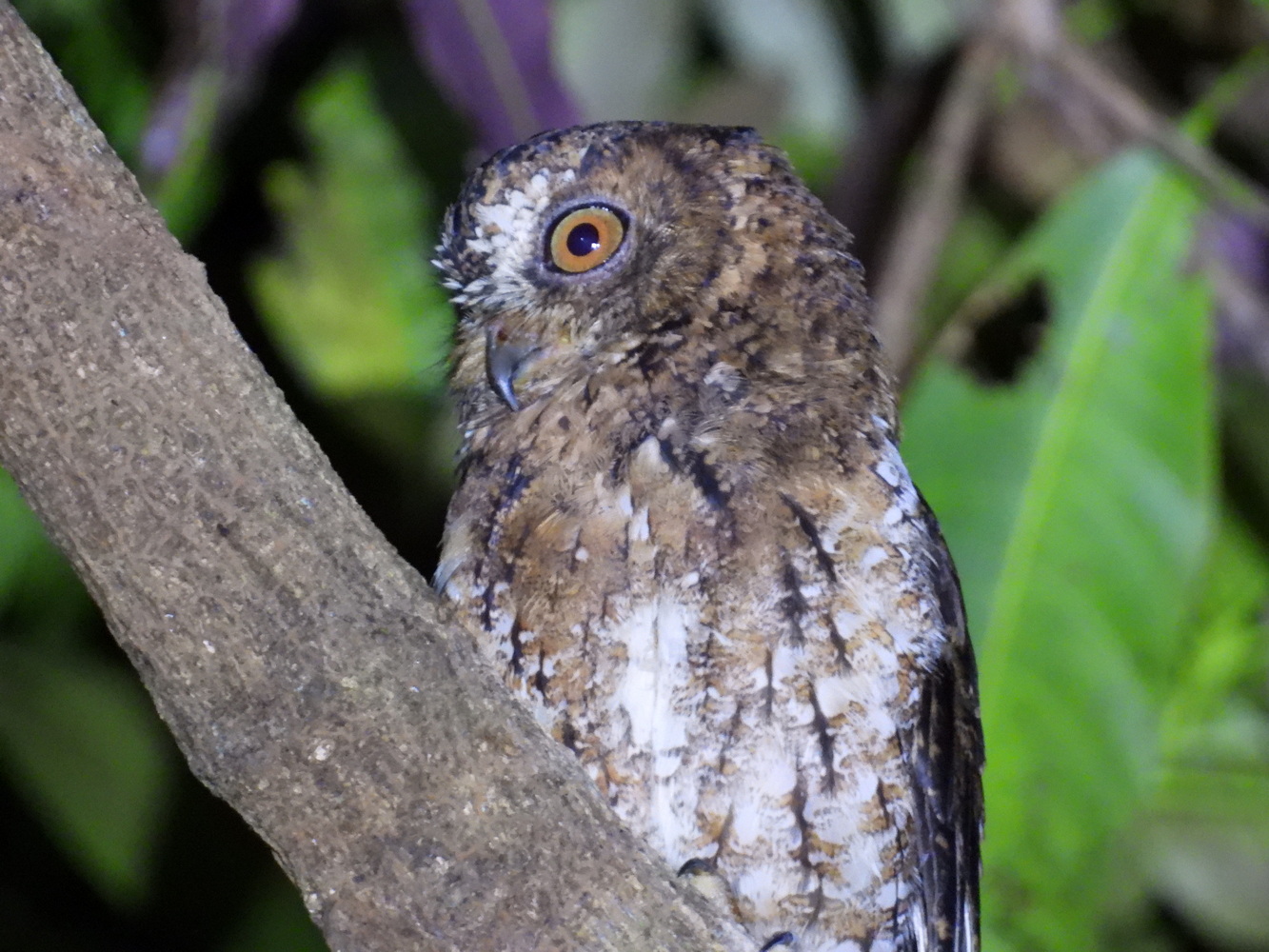
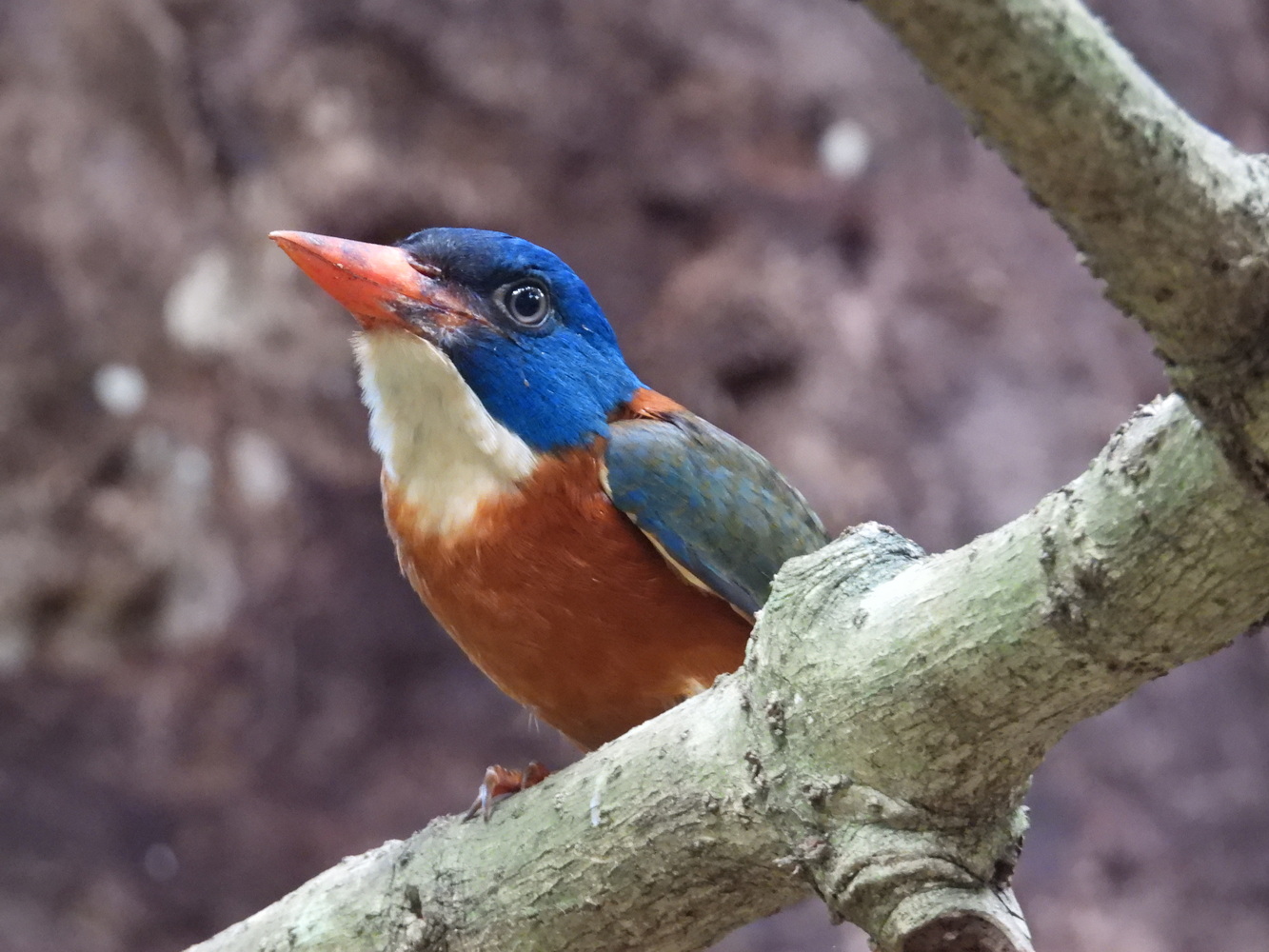
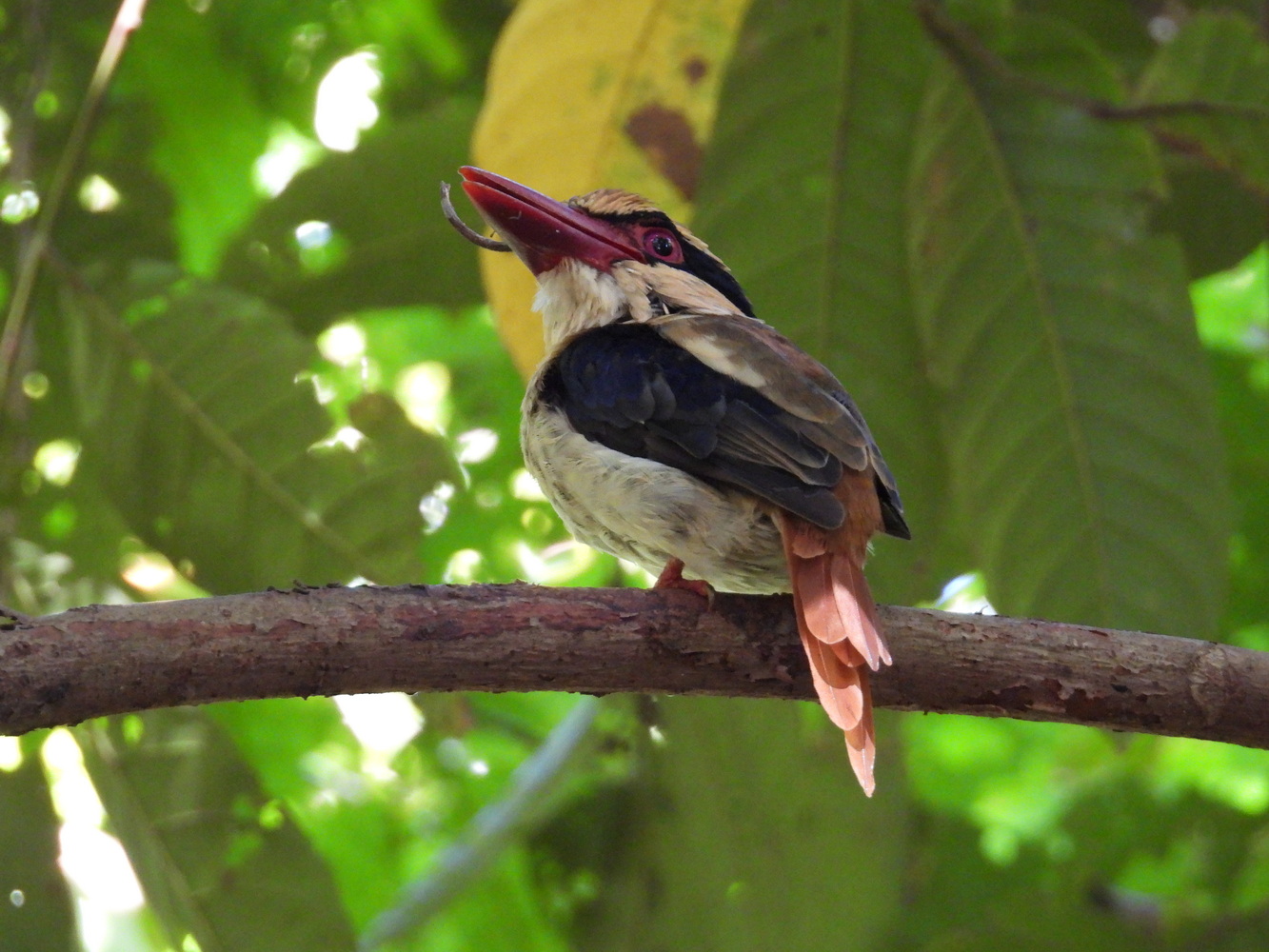
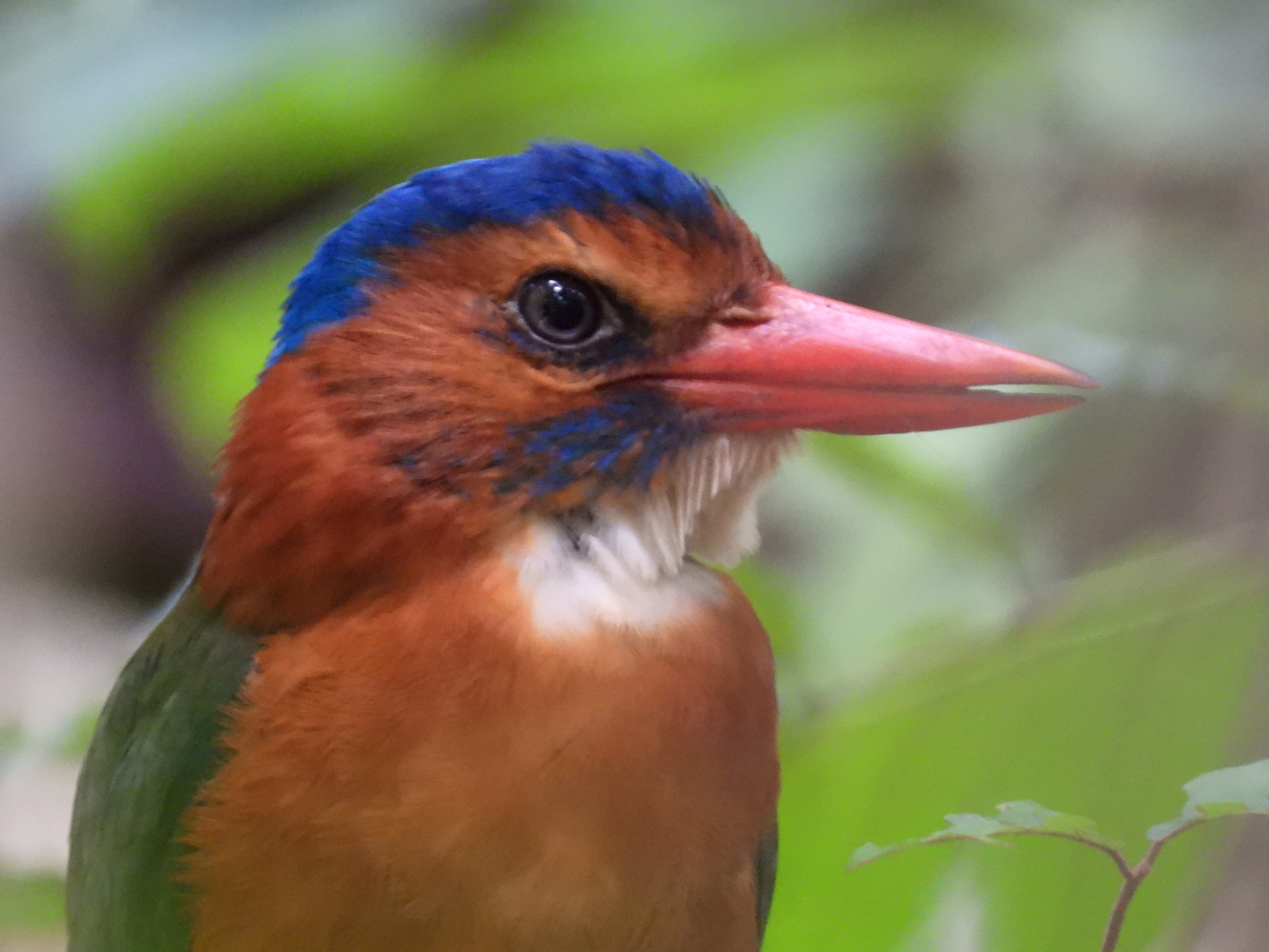
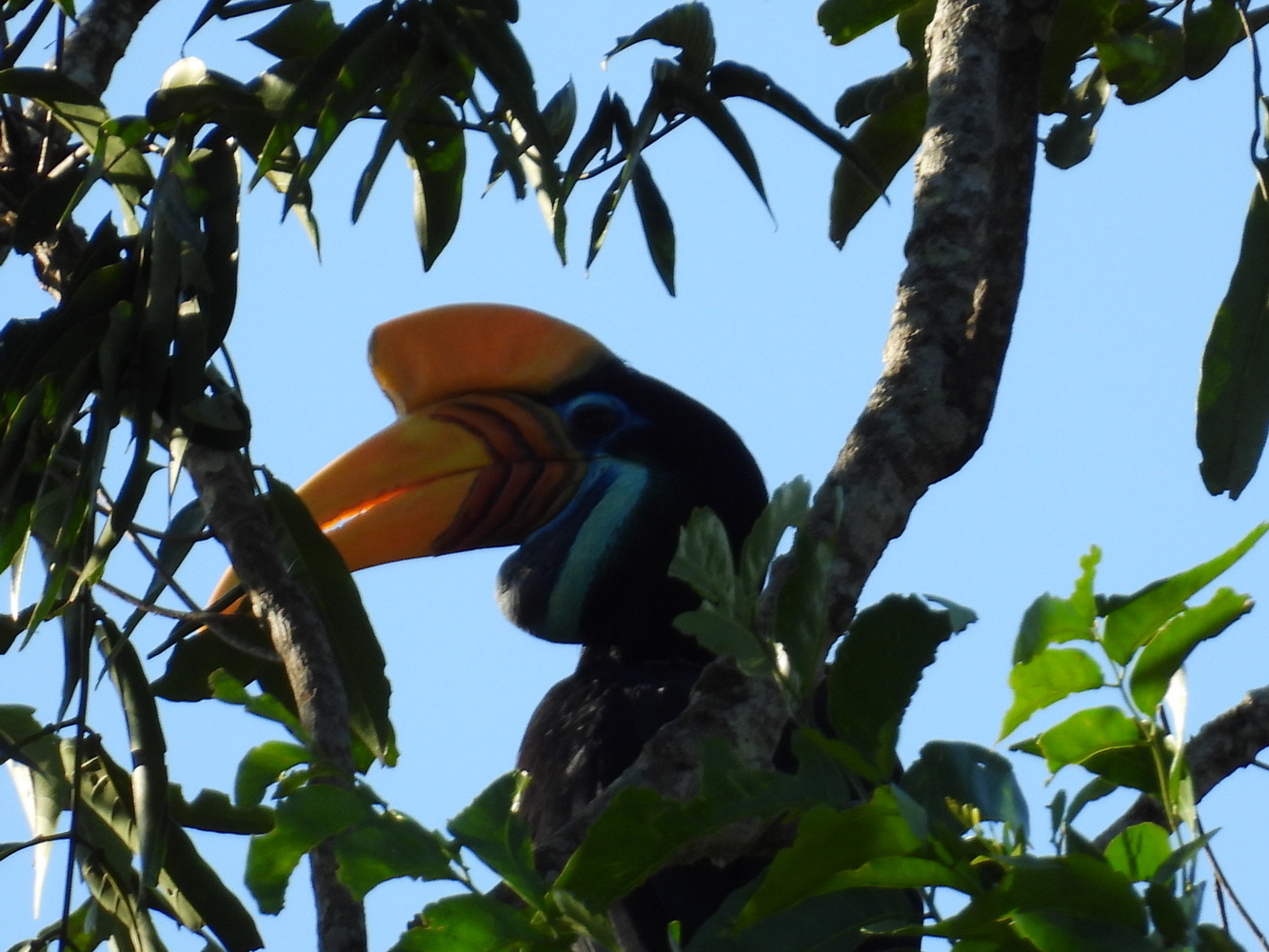
The Maleo was probably the top bird for this part of our trip! But there were many other beautiful and interesting ones. Many of these are endemic and most face threats from habitat destruction, hunting and the illegal bird trade.
Locations We Visited in Halmahera
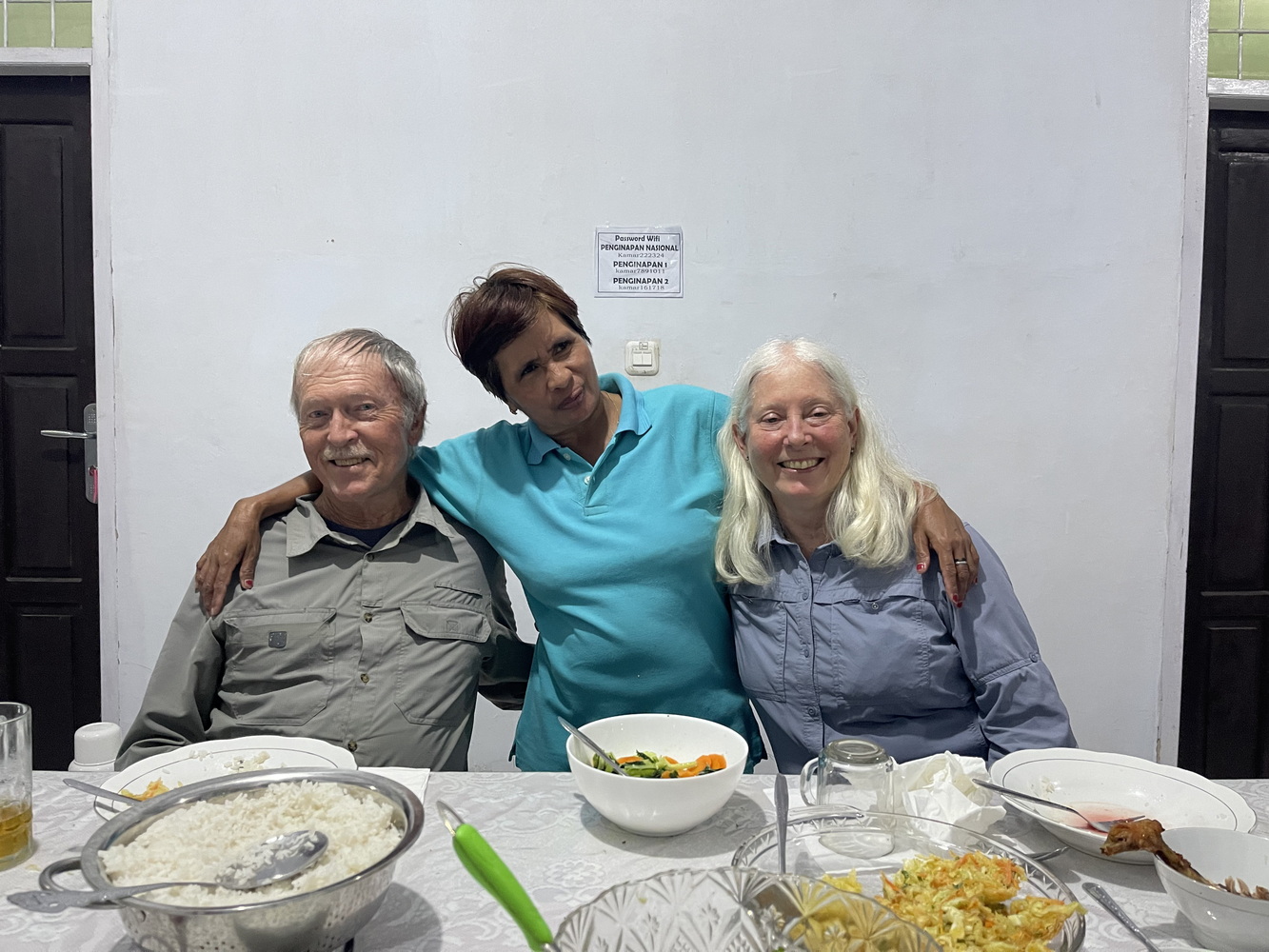
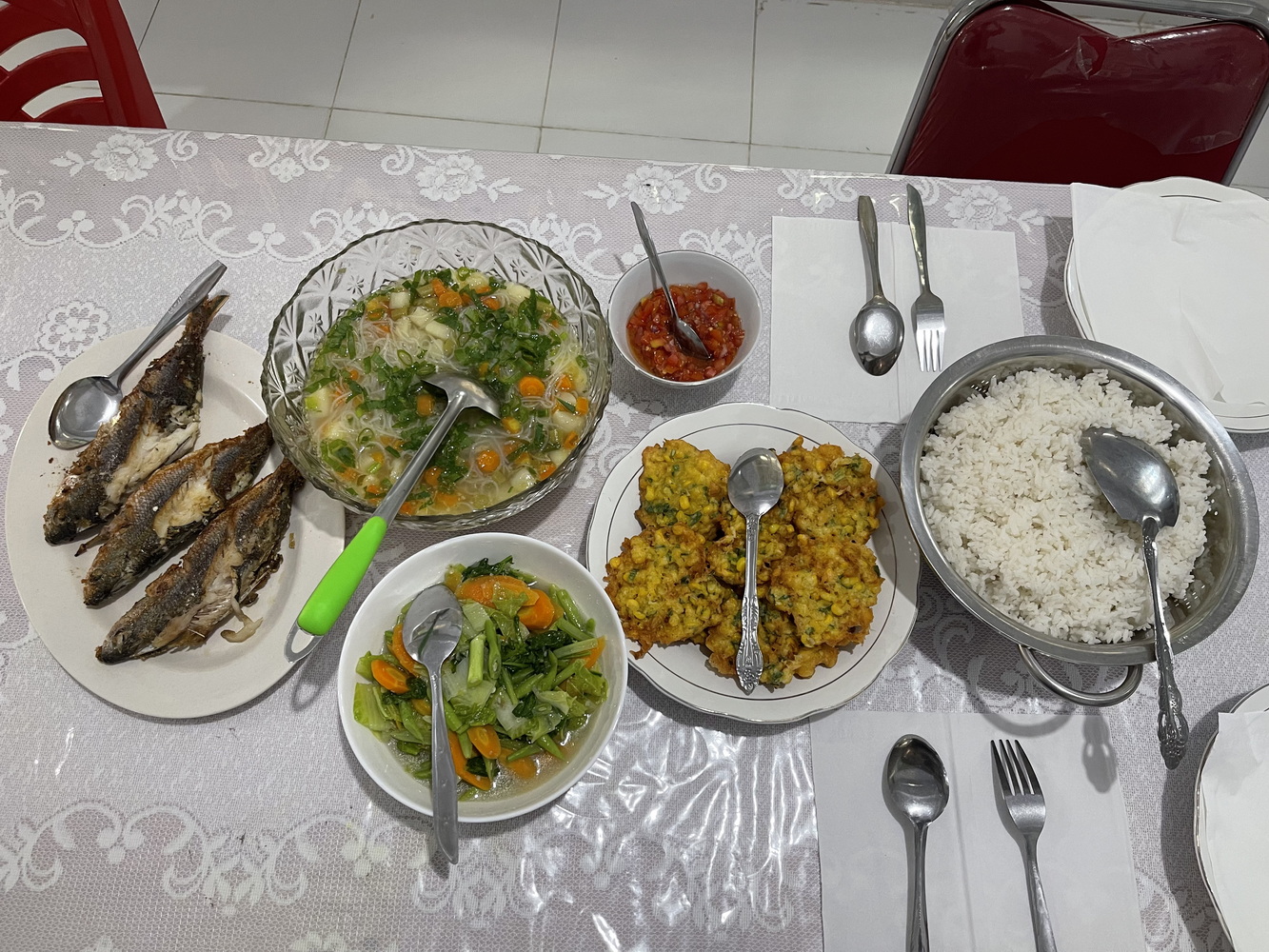
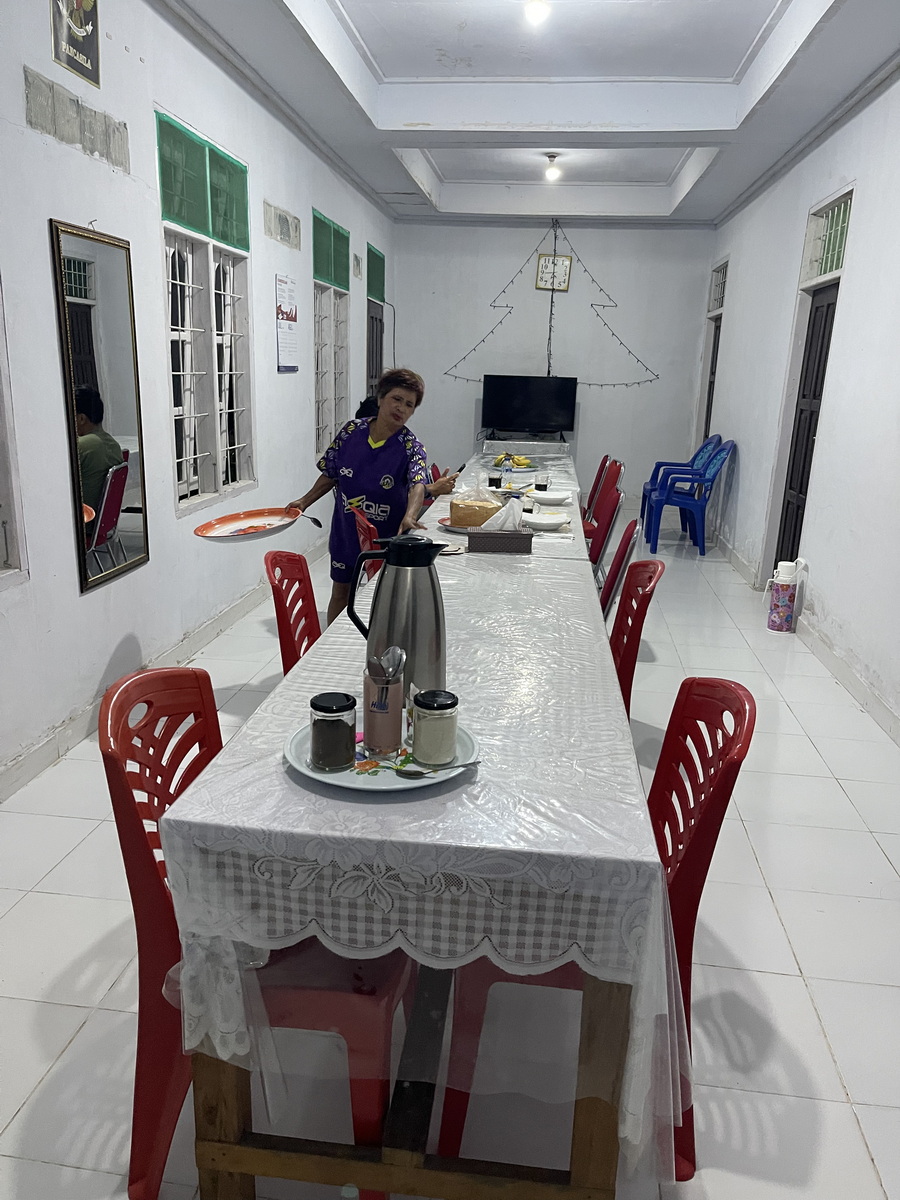
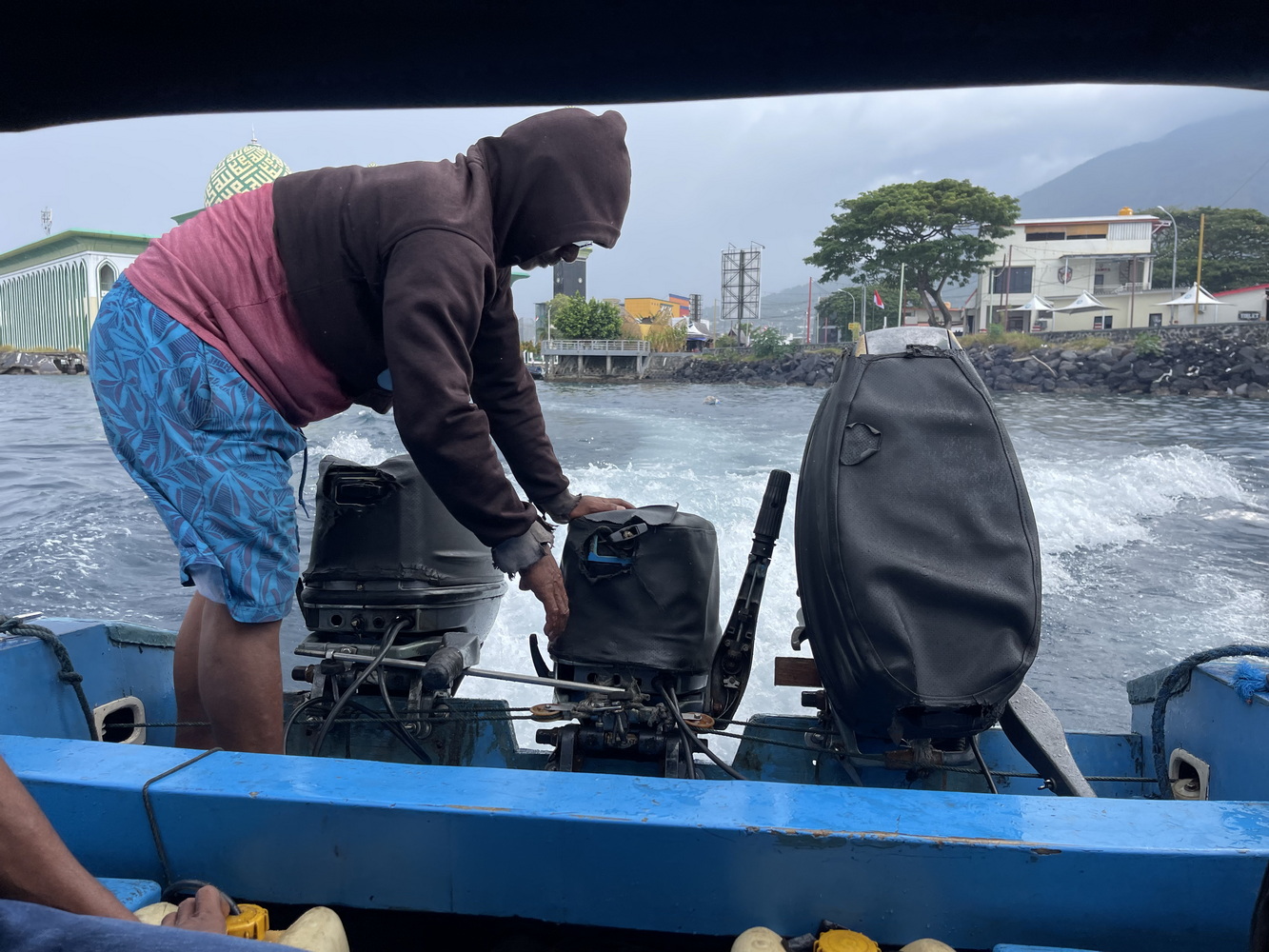
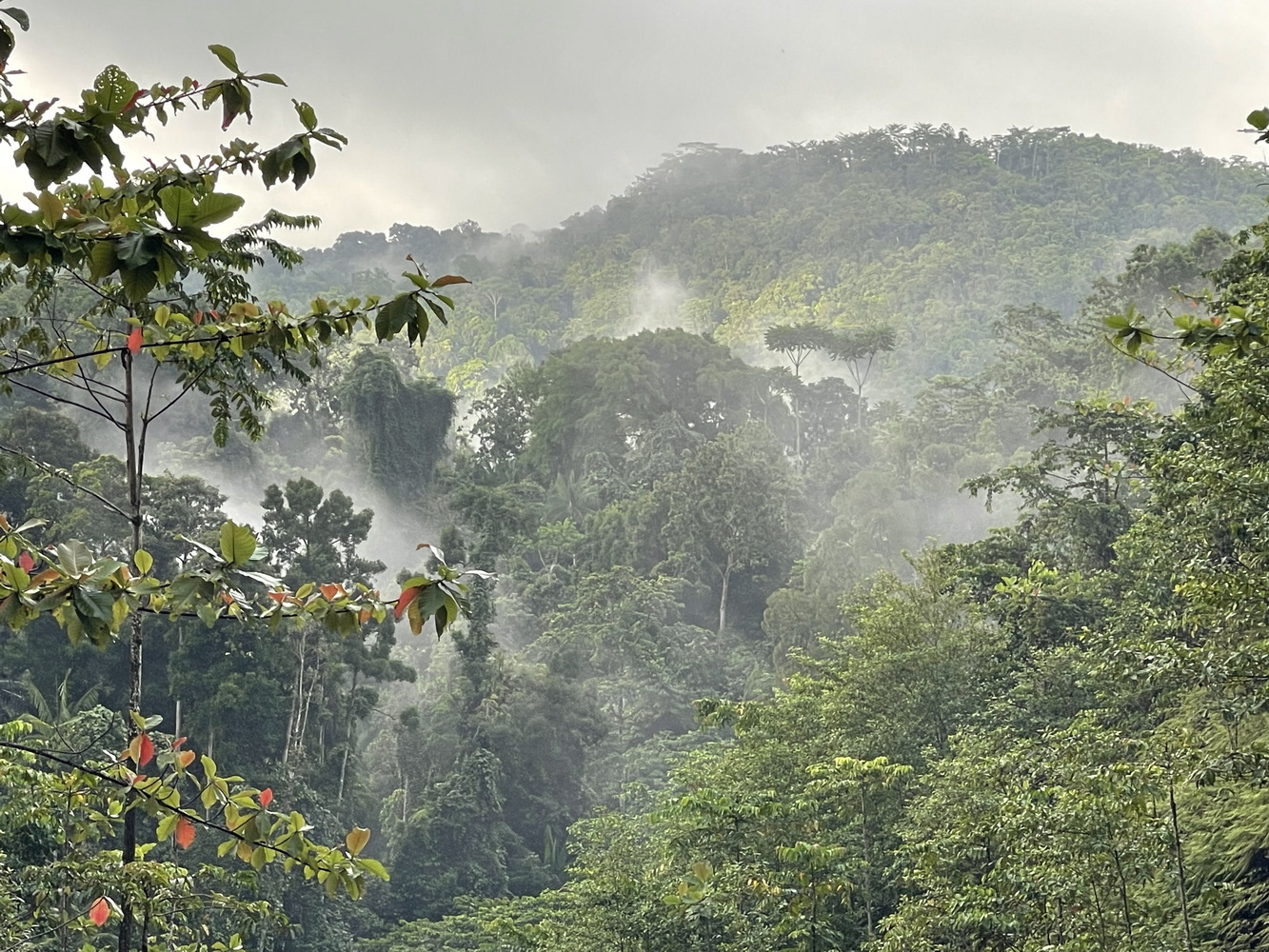
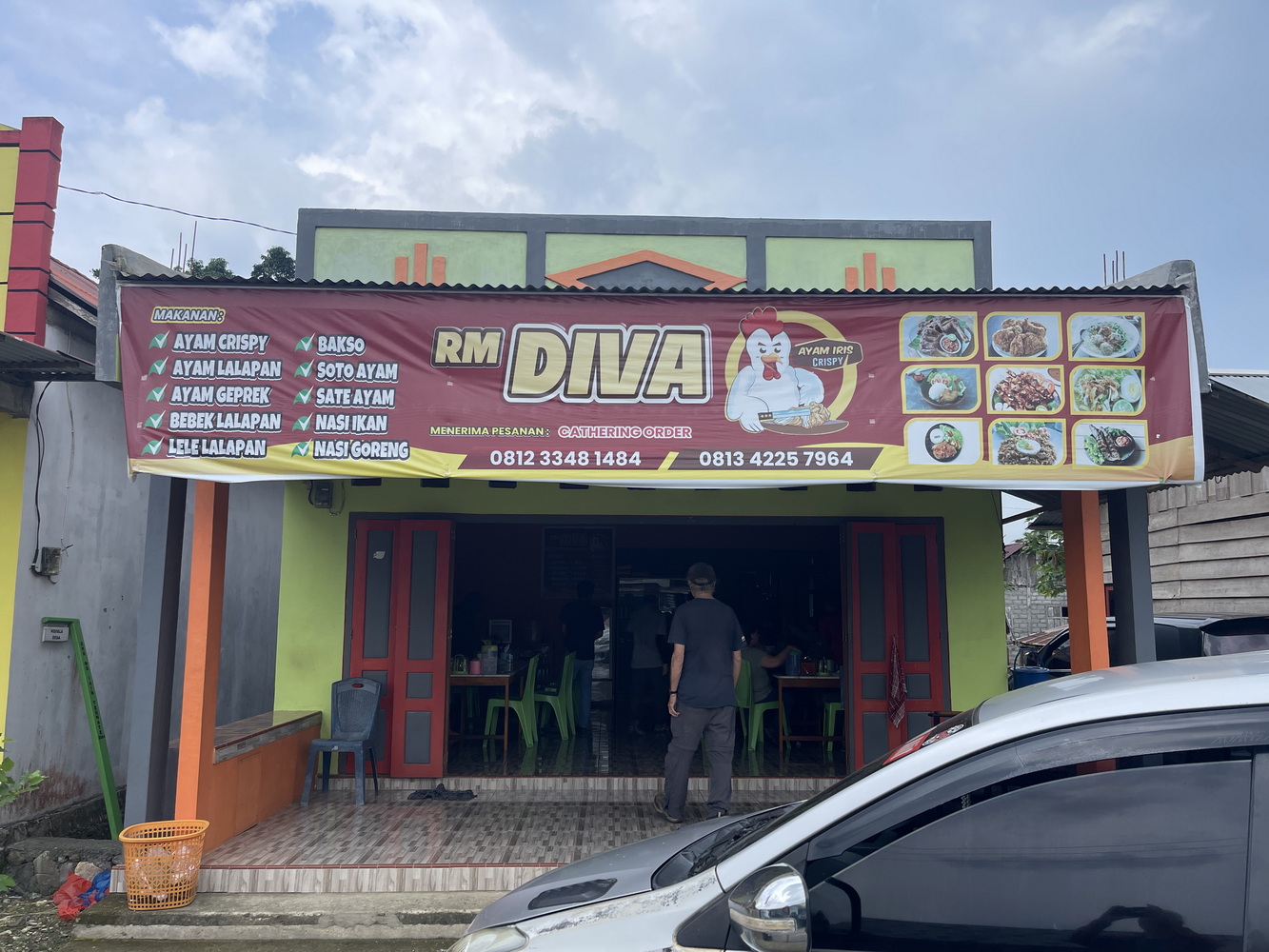
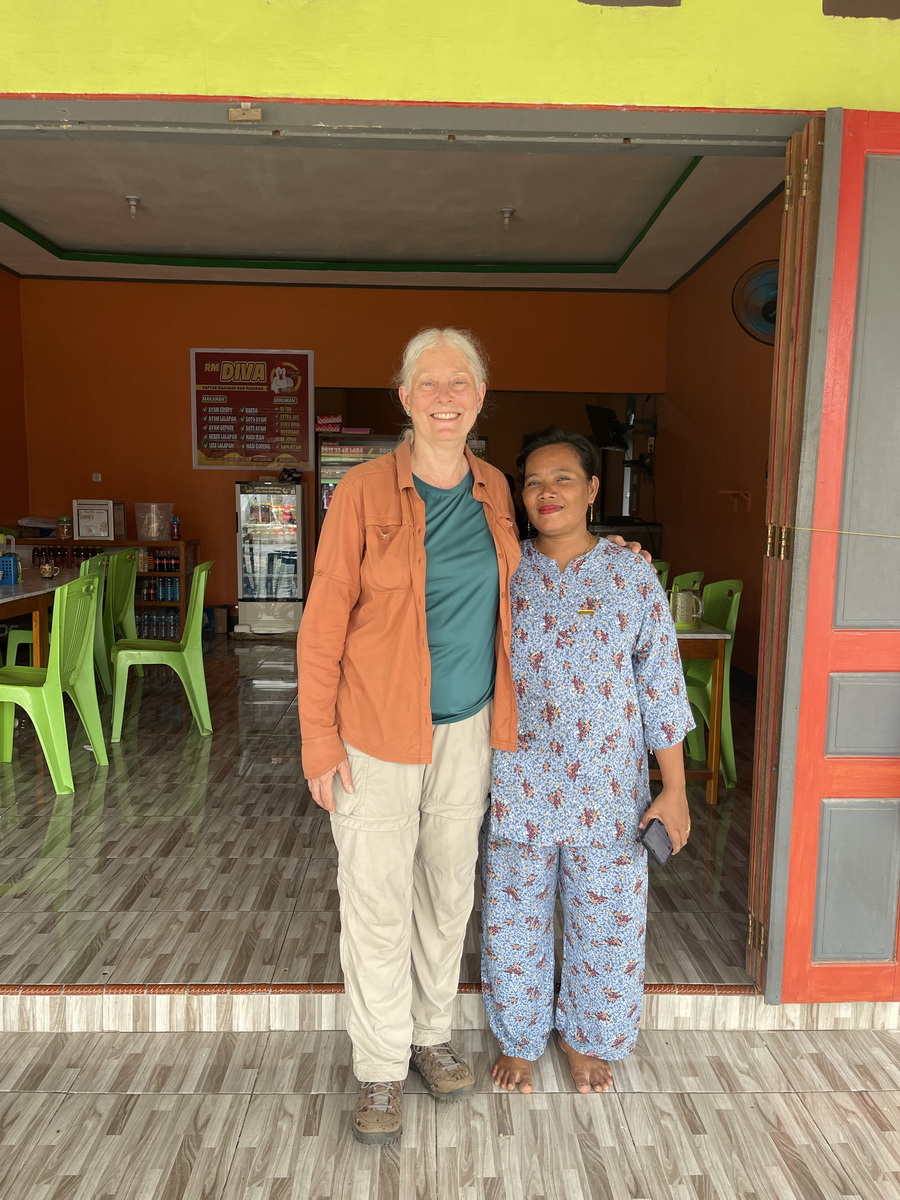
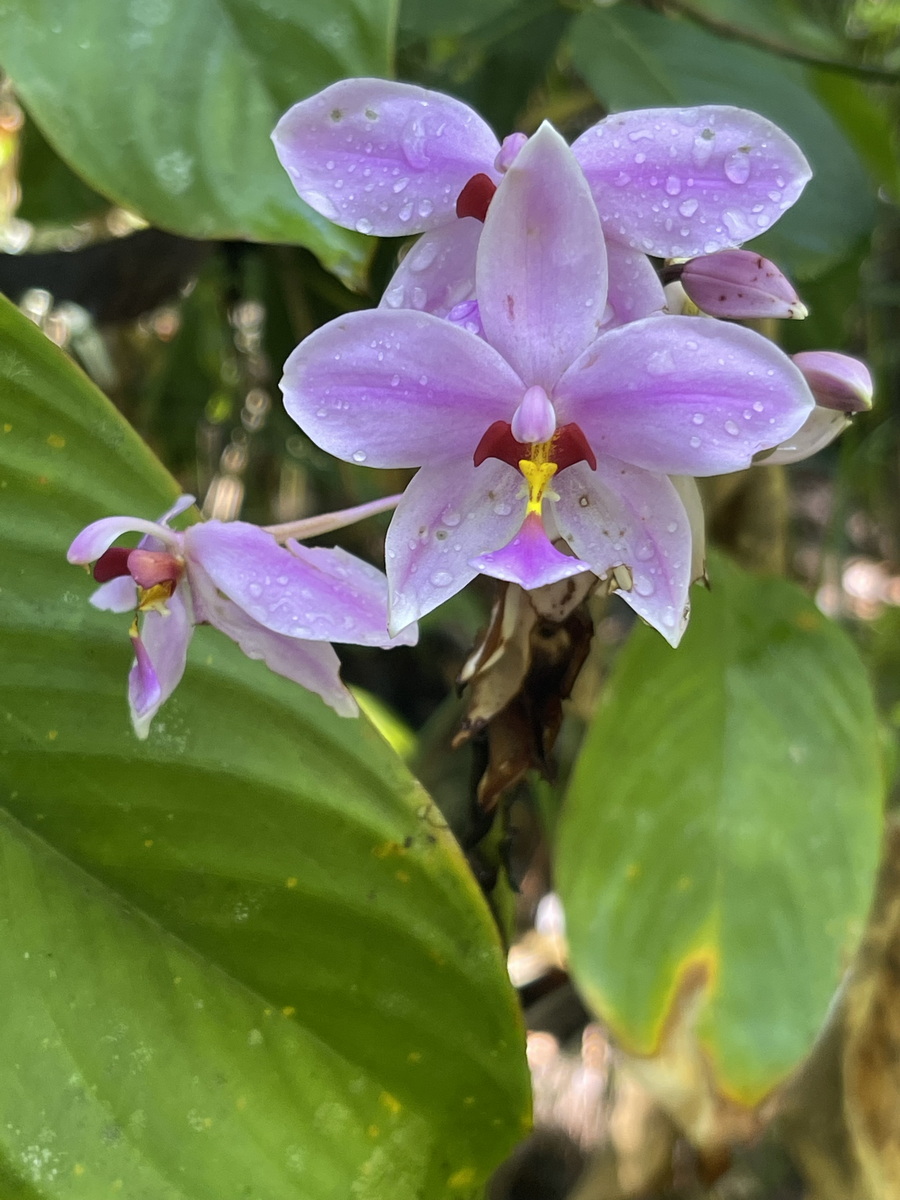
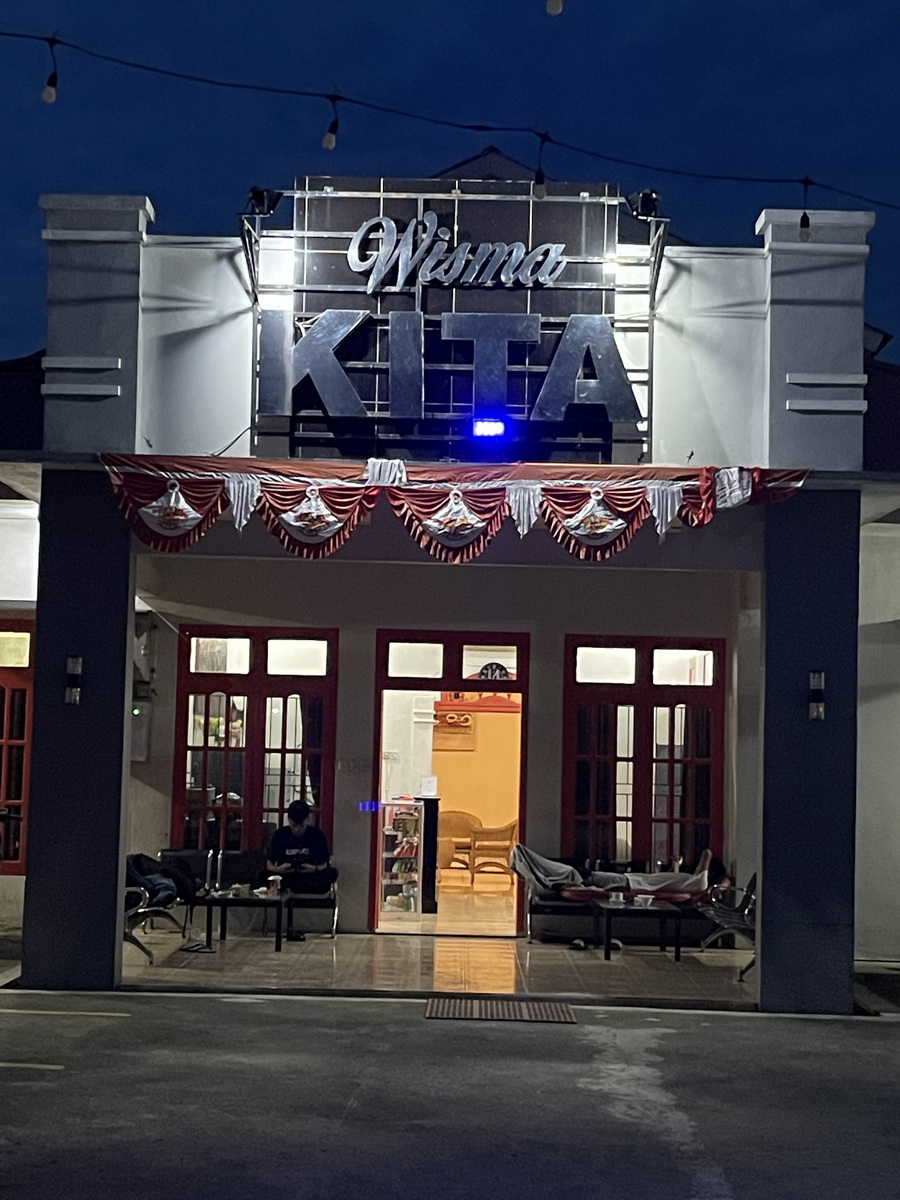
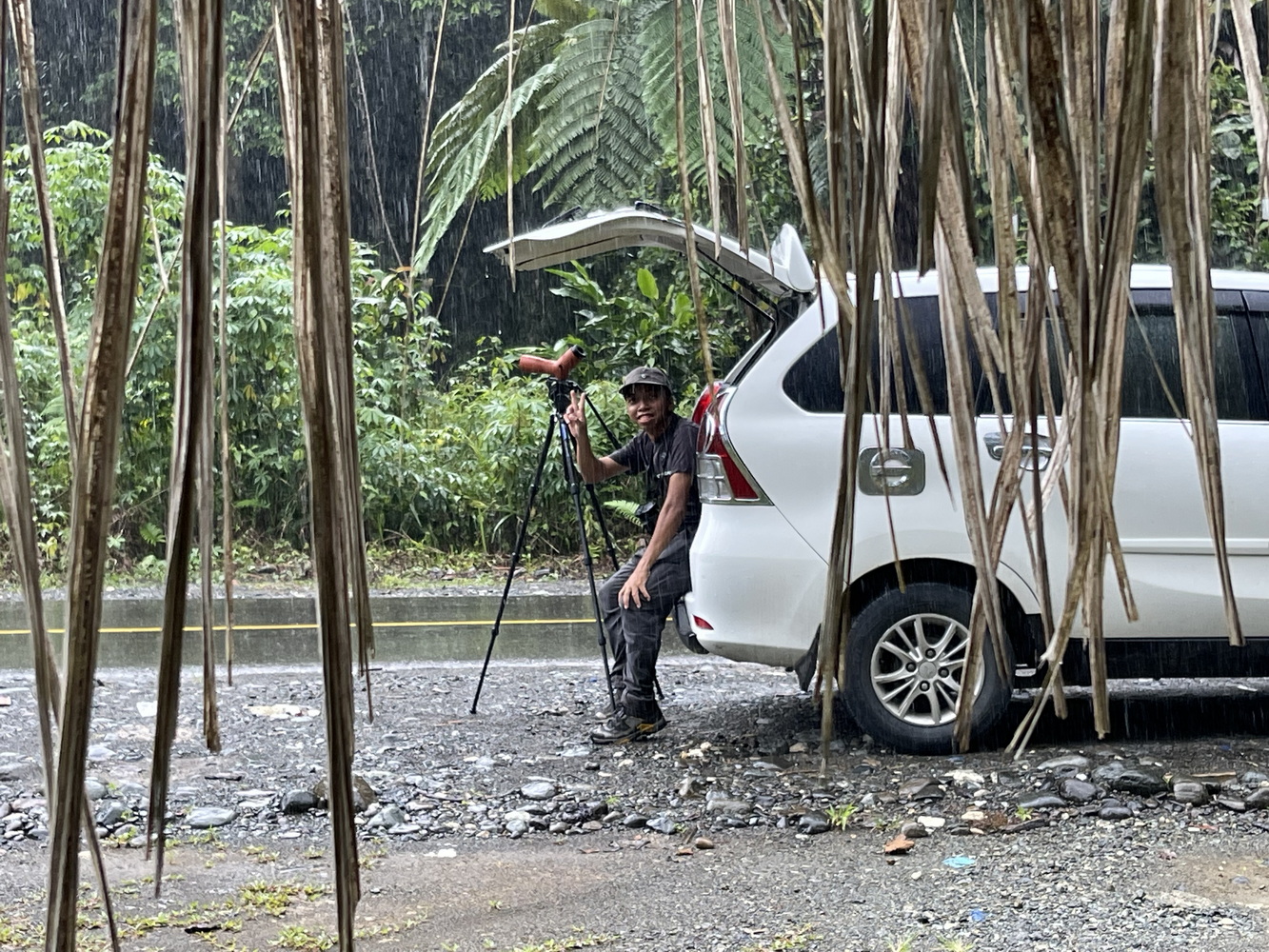
We drove from Tangkoko back to Manado, then flew to Ternate Island and took a small ferry to the island of Halmahera. After a night in Sofifi and an excursion to Aketajawe-Lolobata National Park, our base was the Wisma Kita Hotel in Subaim and our regular meals (either in the restaurant or in the field) were at Rumah Makan Mbak Nah. A ‘rumah makan’ is an eating house that’s a step up from Indonesia’s most basic restaurants, the ‘warung’; this one was owned by Mbak (or ‘aunty’) Nah – who was quite a character! Despite lots of rain, we made multiple trips to sites on Mount Roni and Mount Uni-Uni.
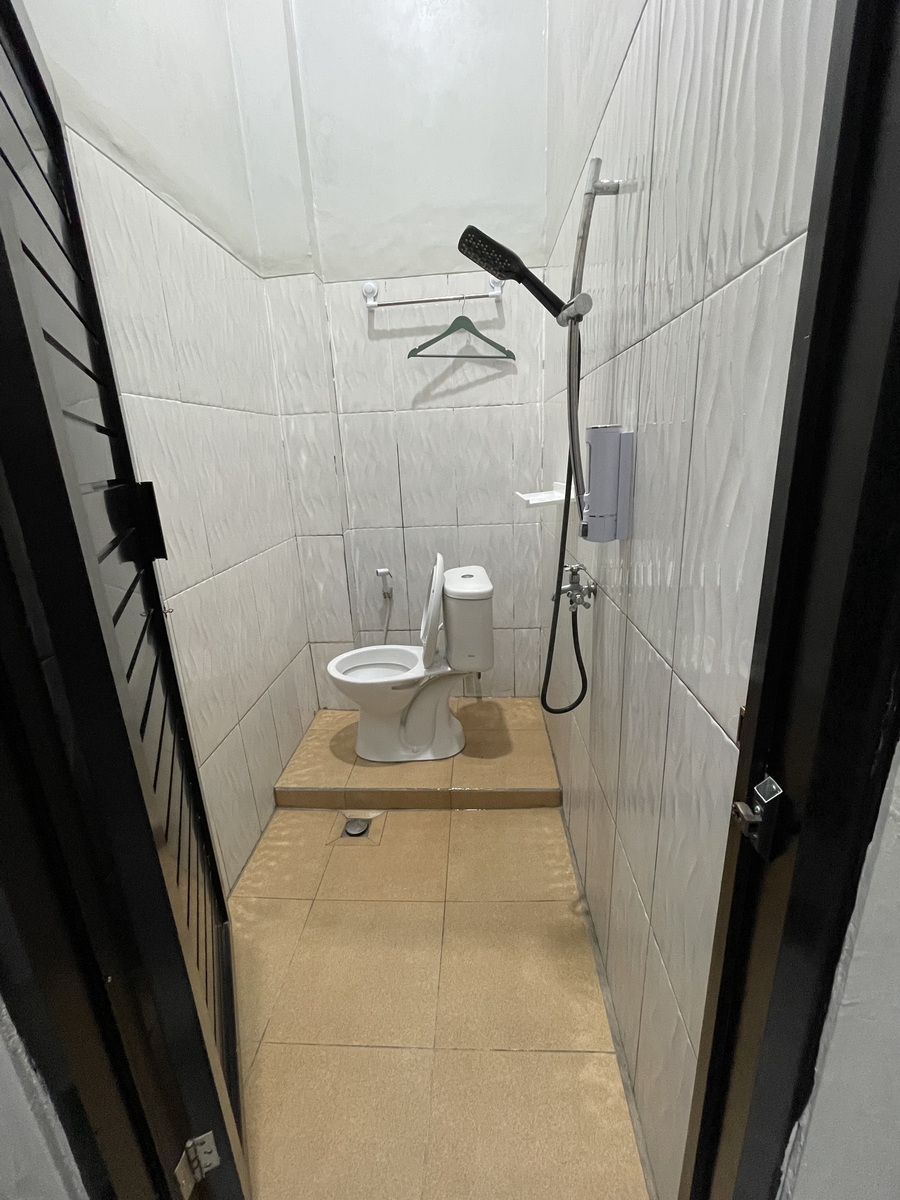
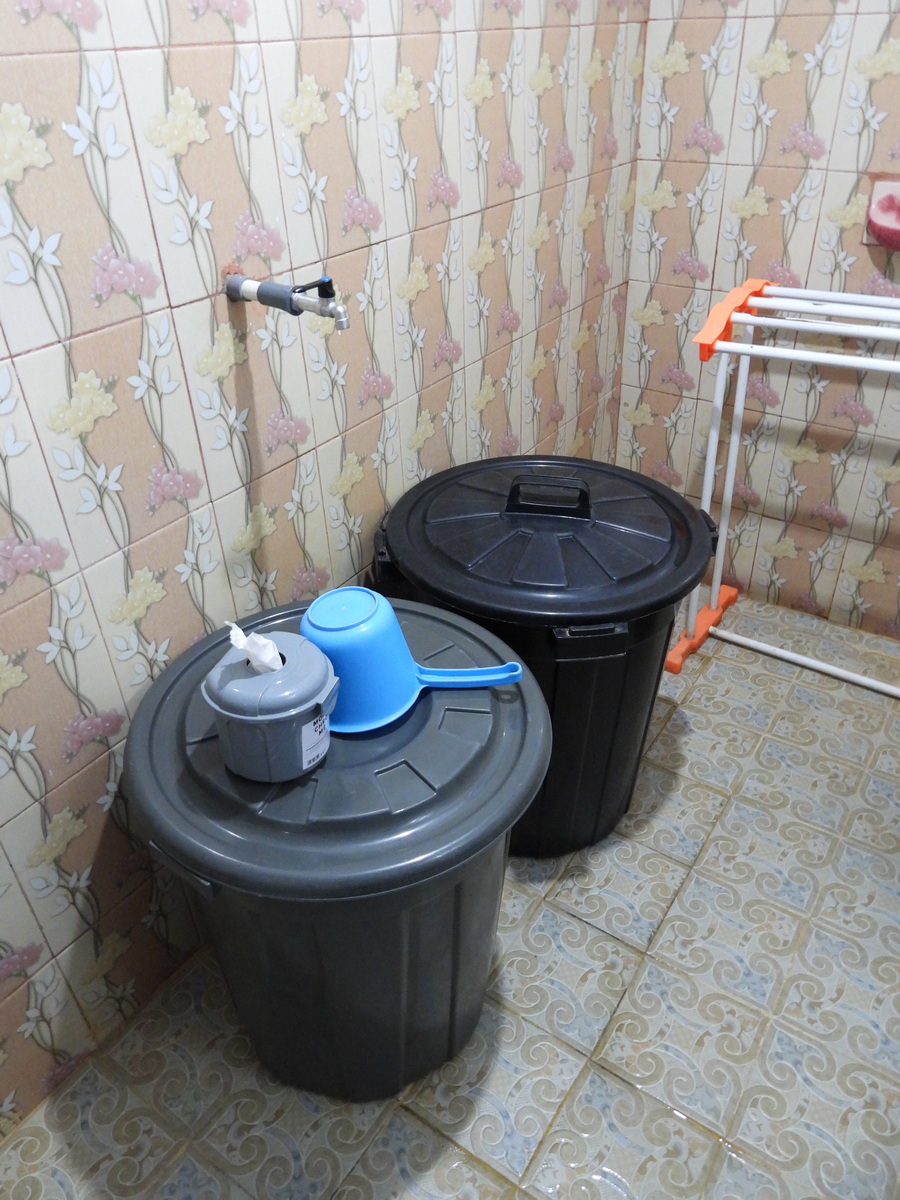
imagine sitting on this toilet!
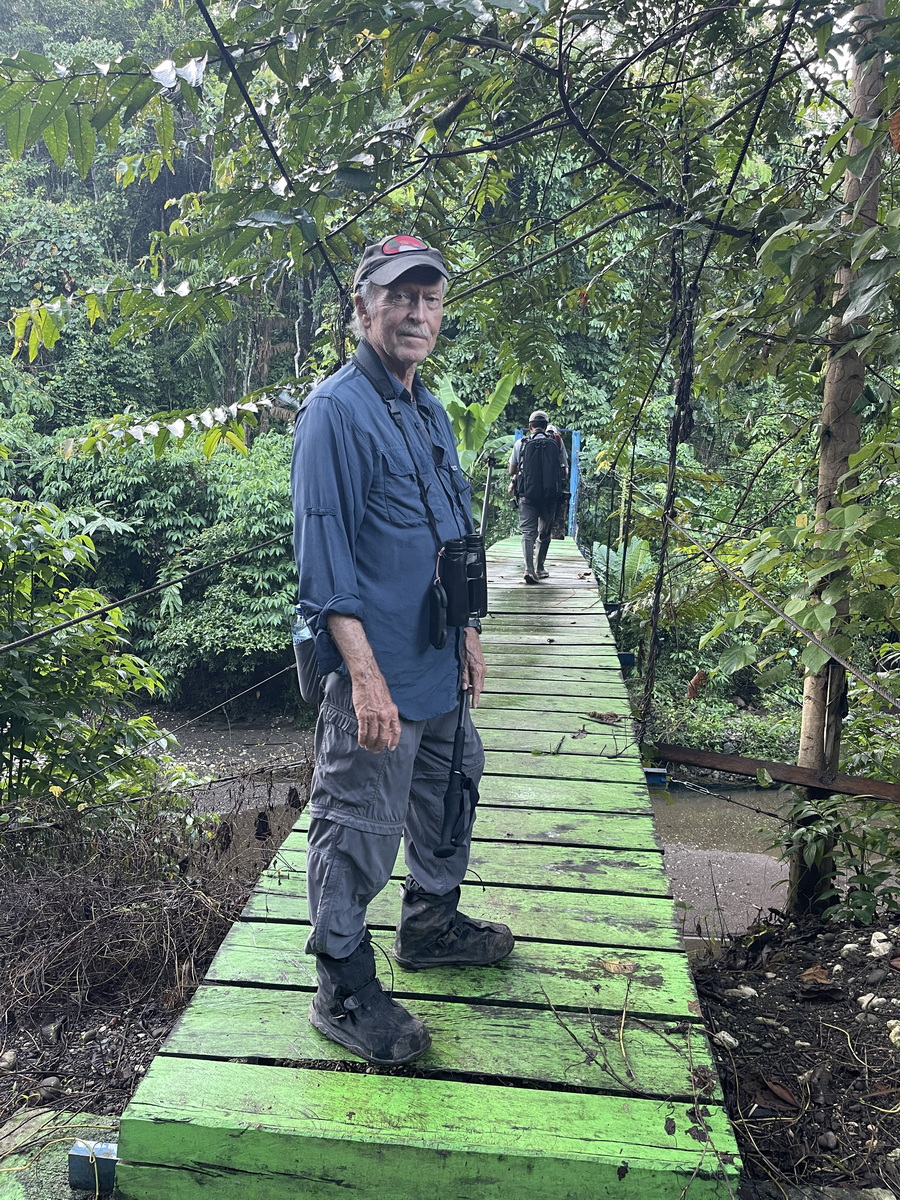
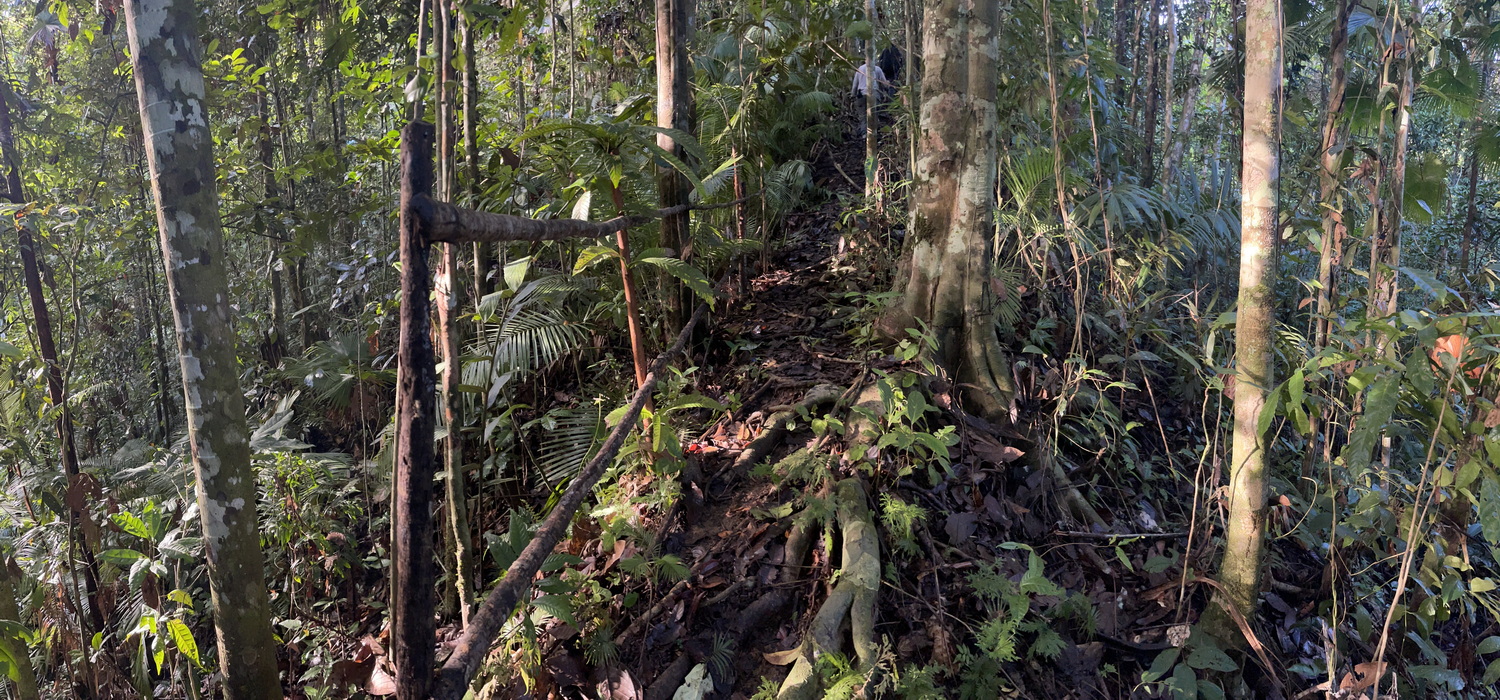
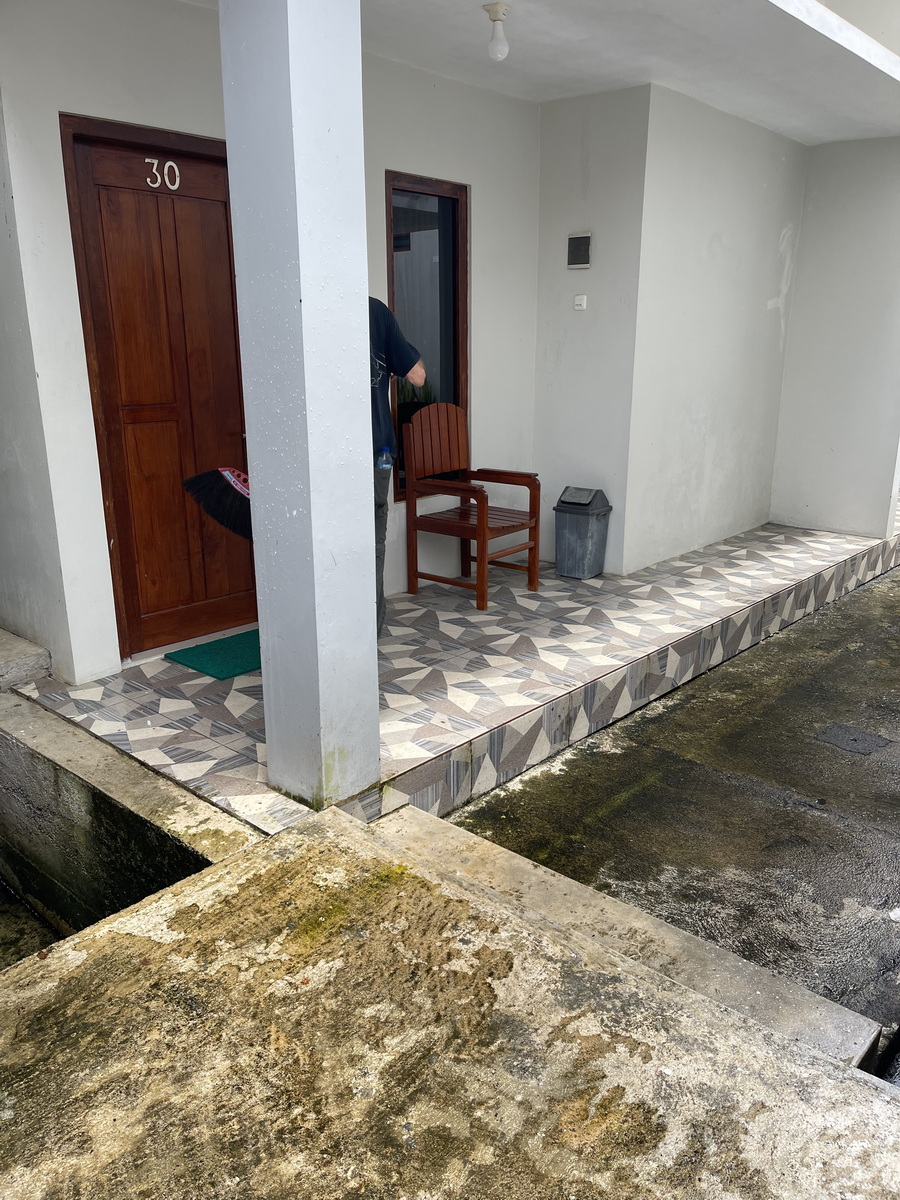
how to get from her to the door behind that column?
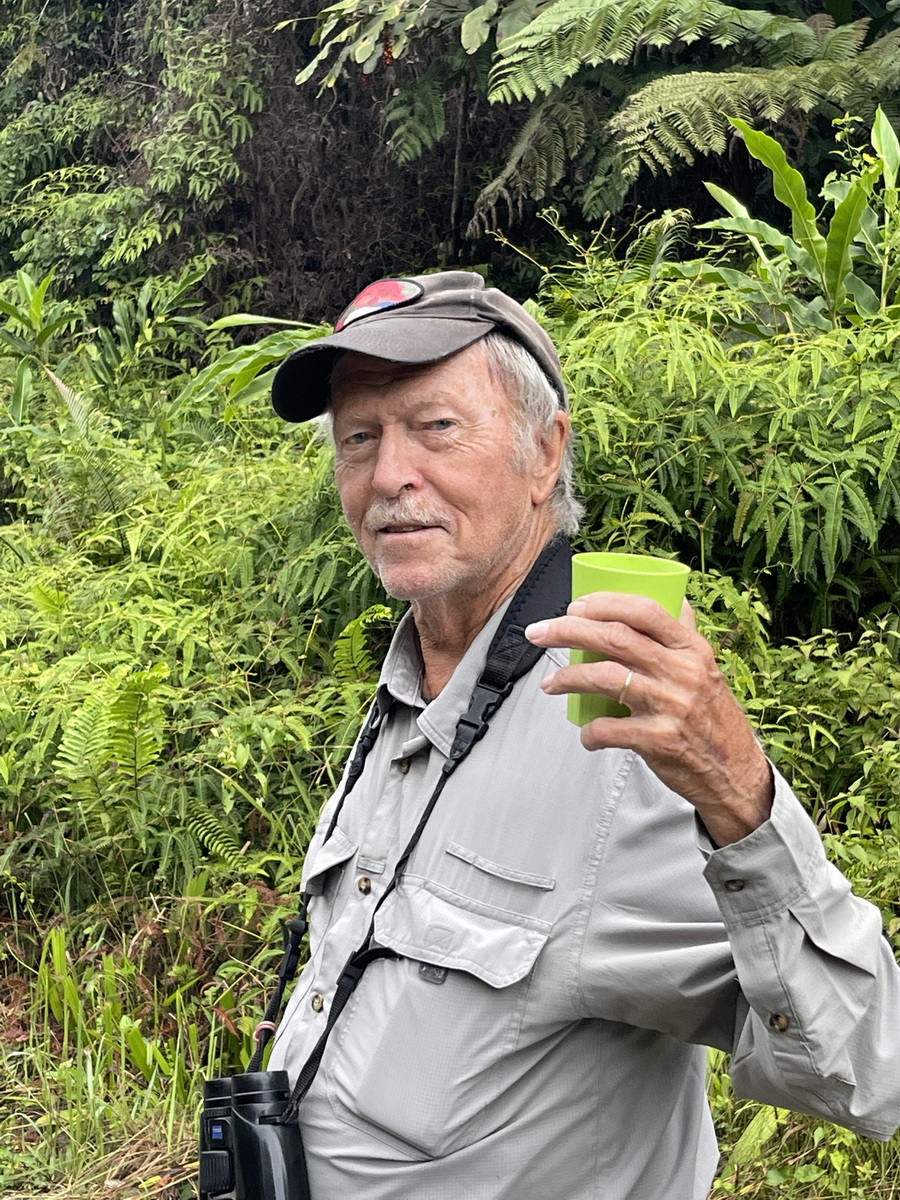
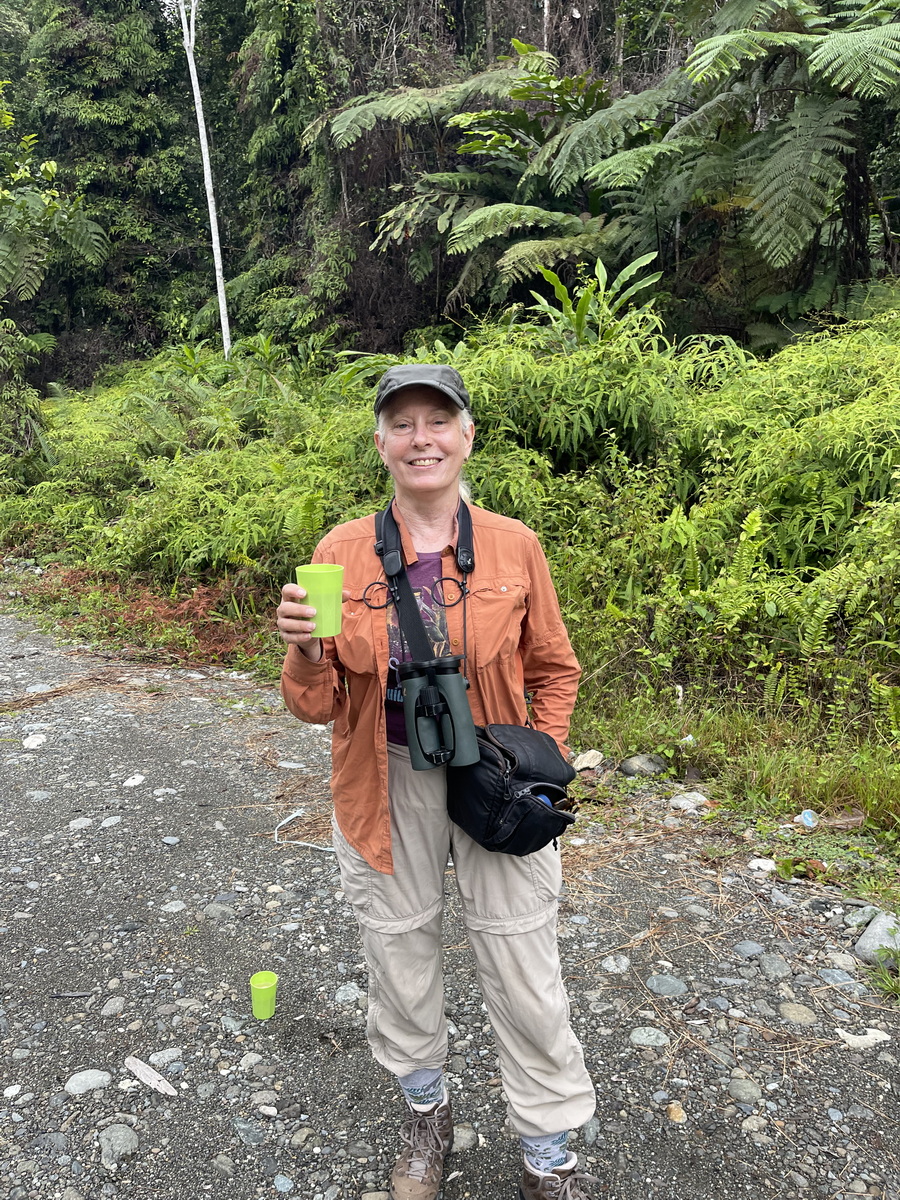
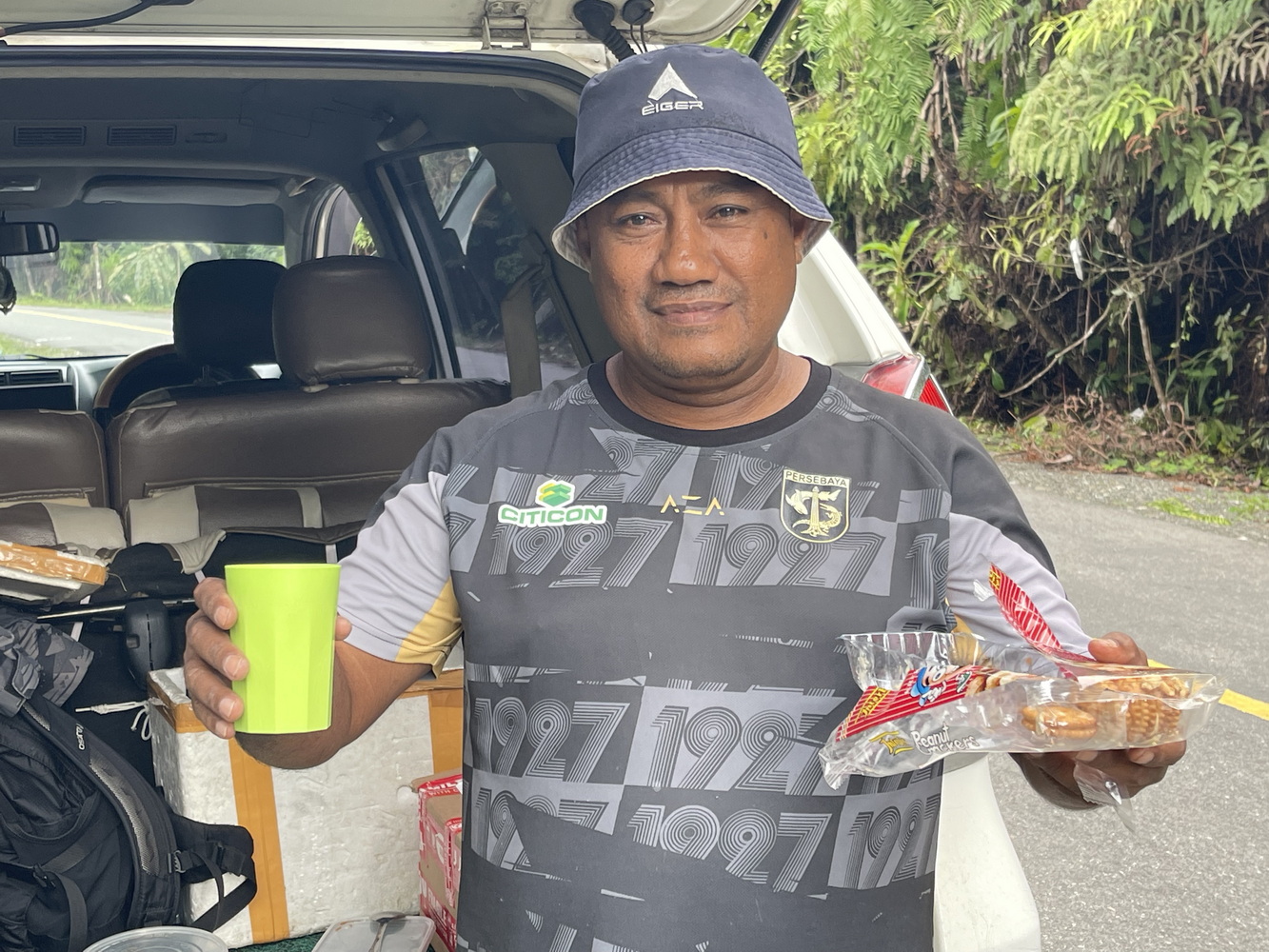
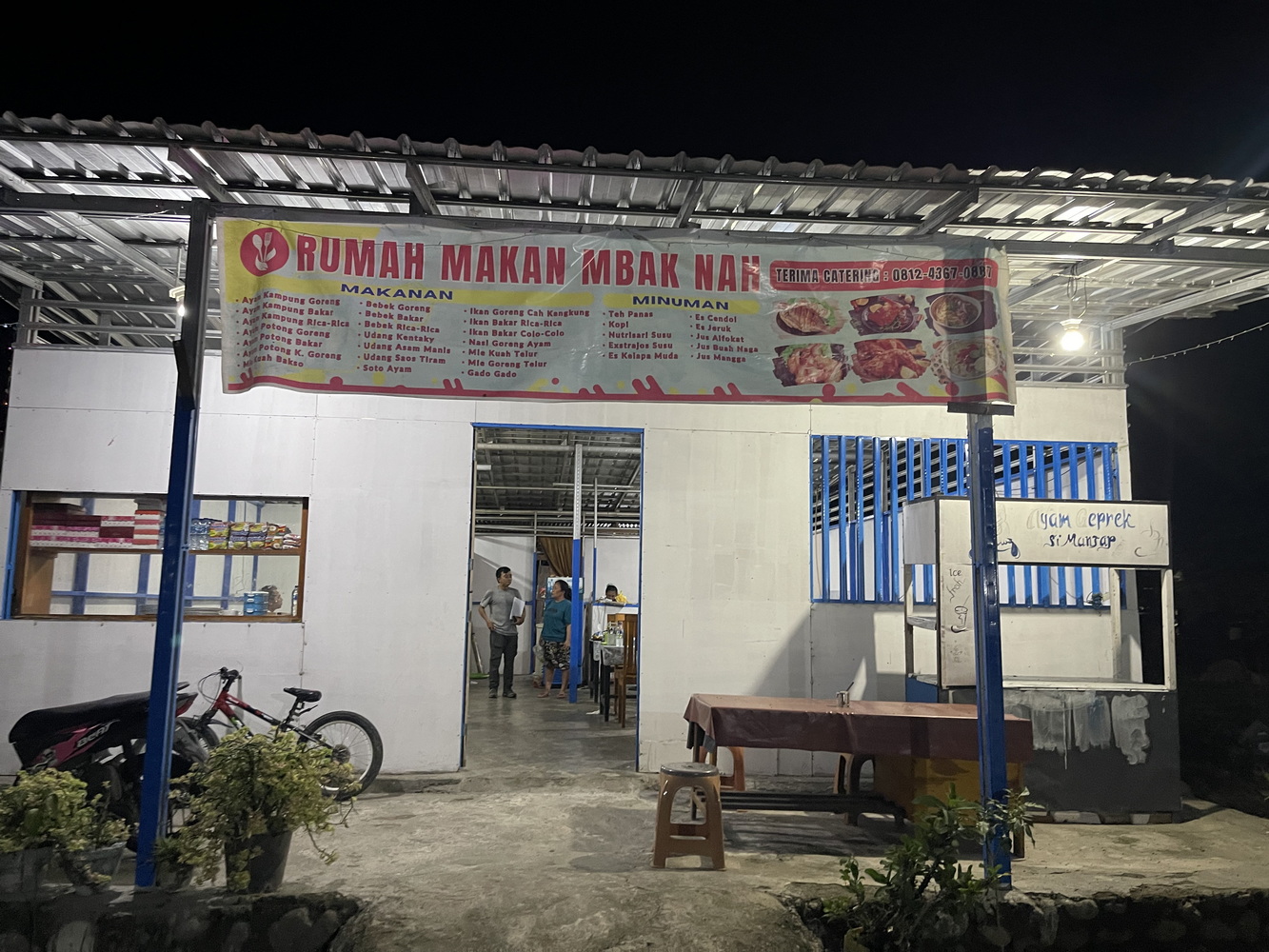
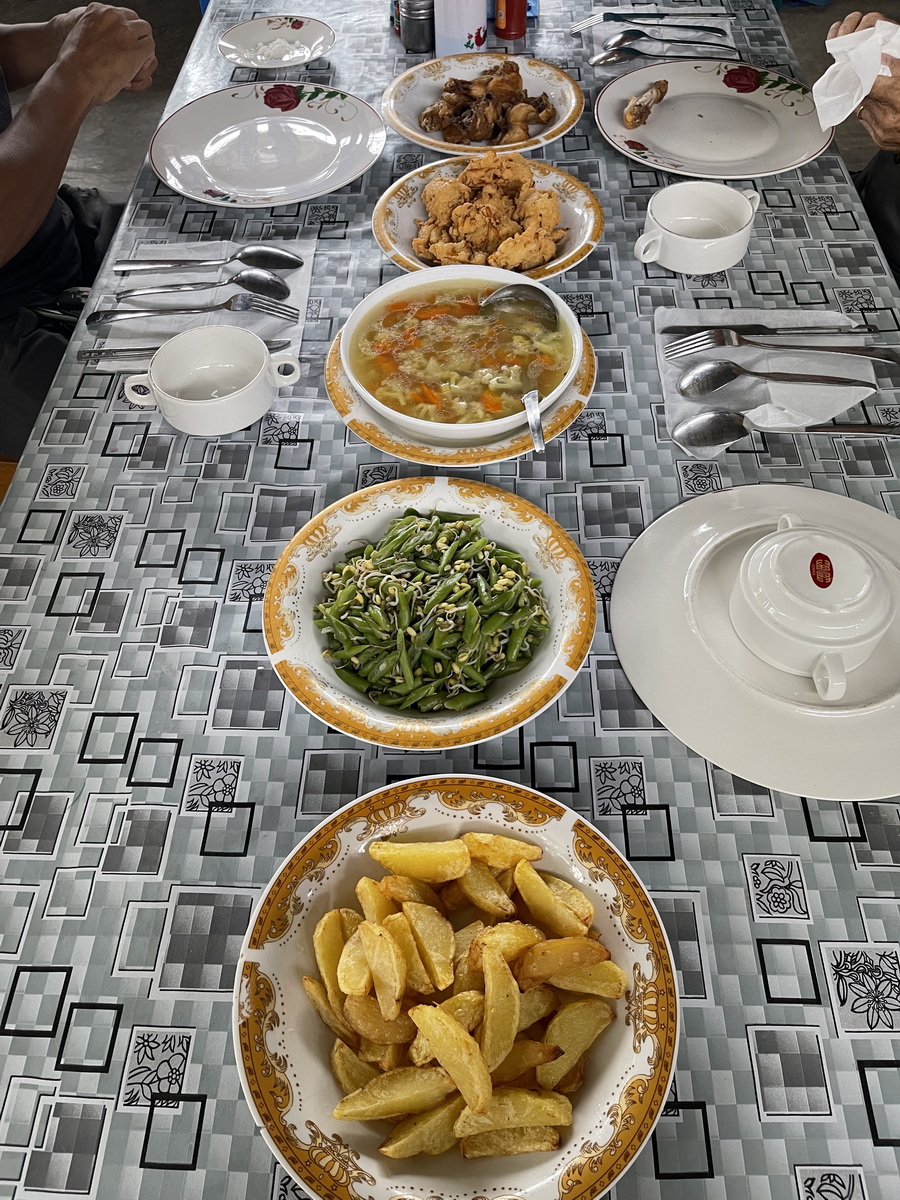
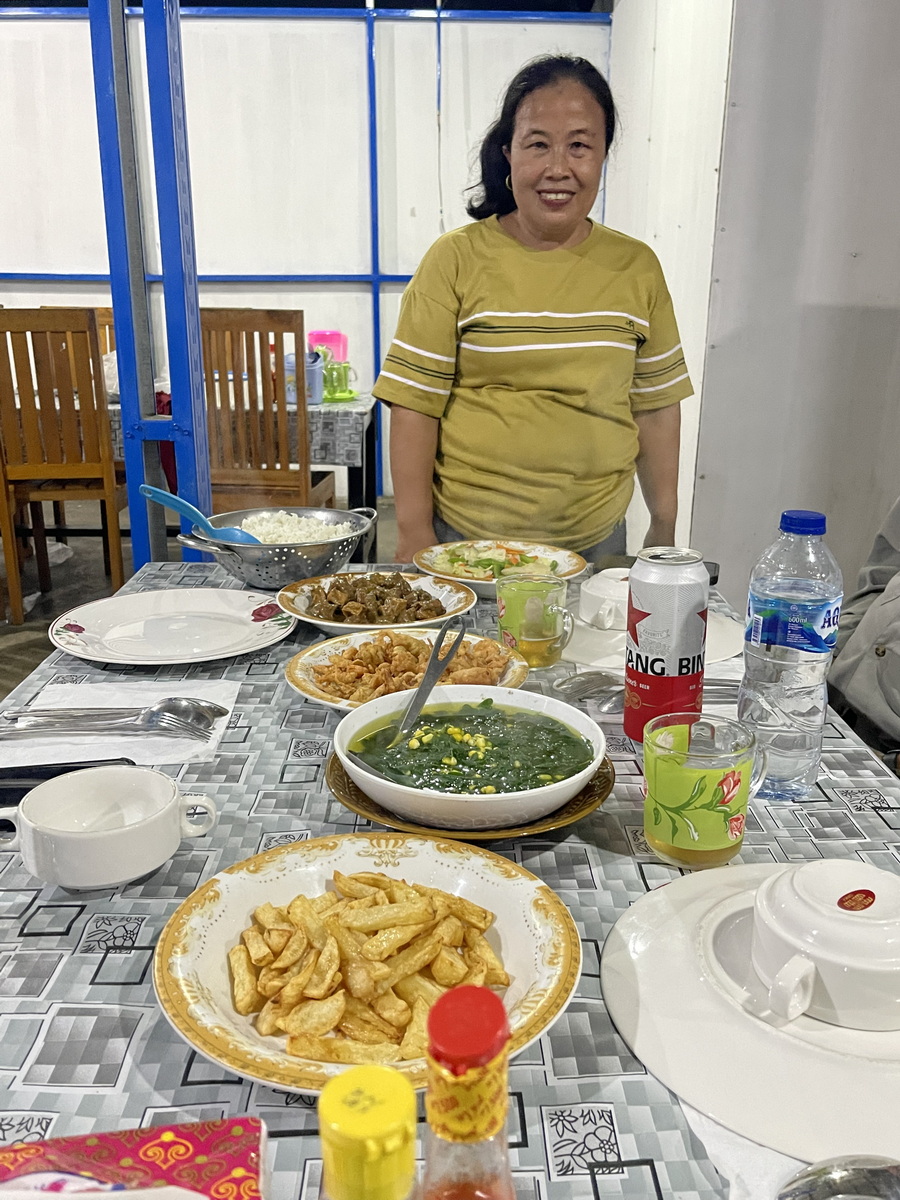
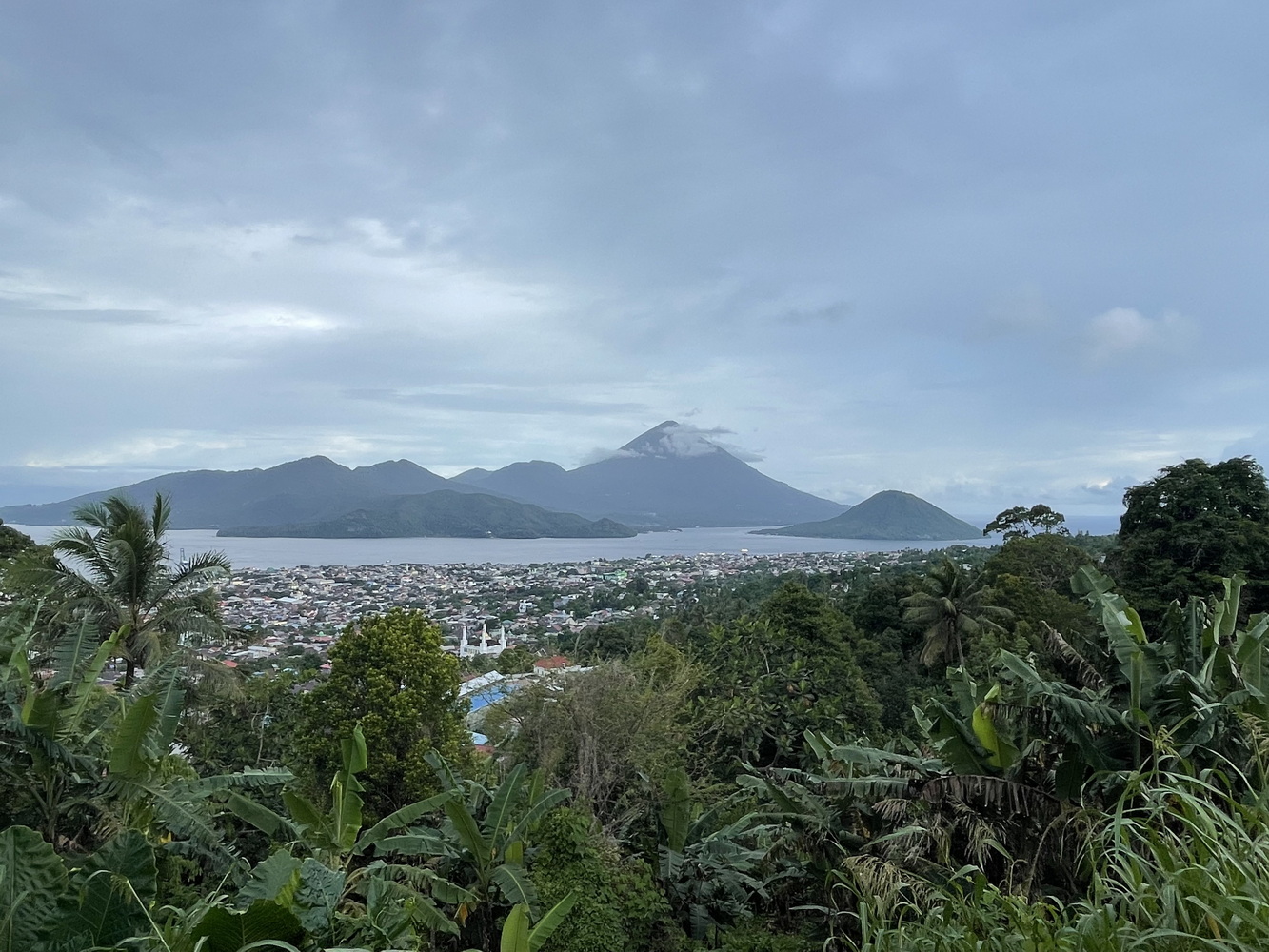
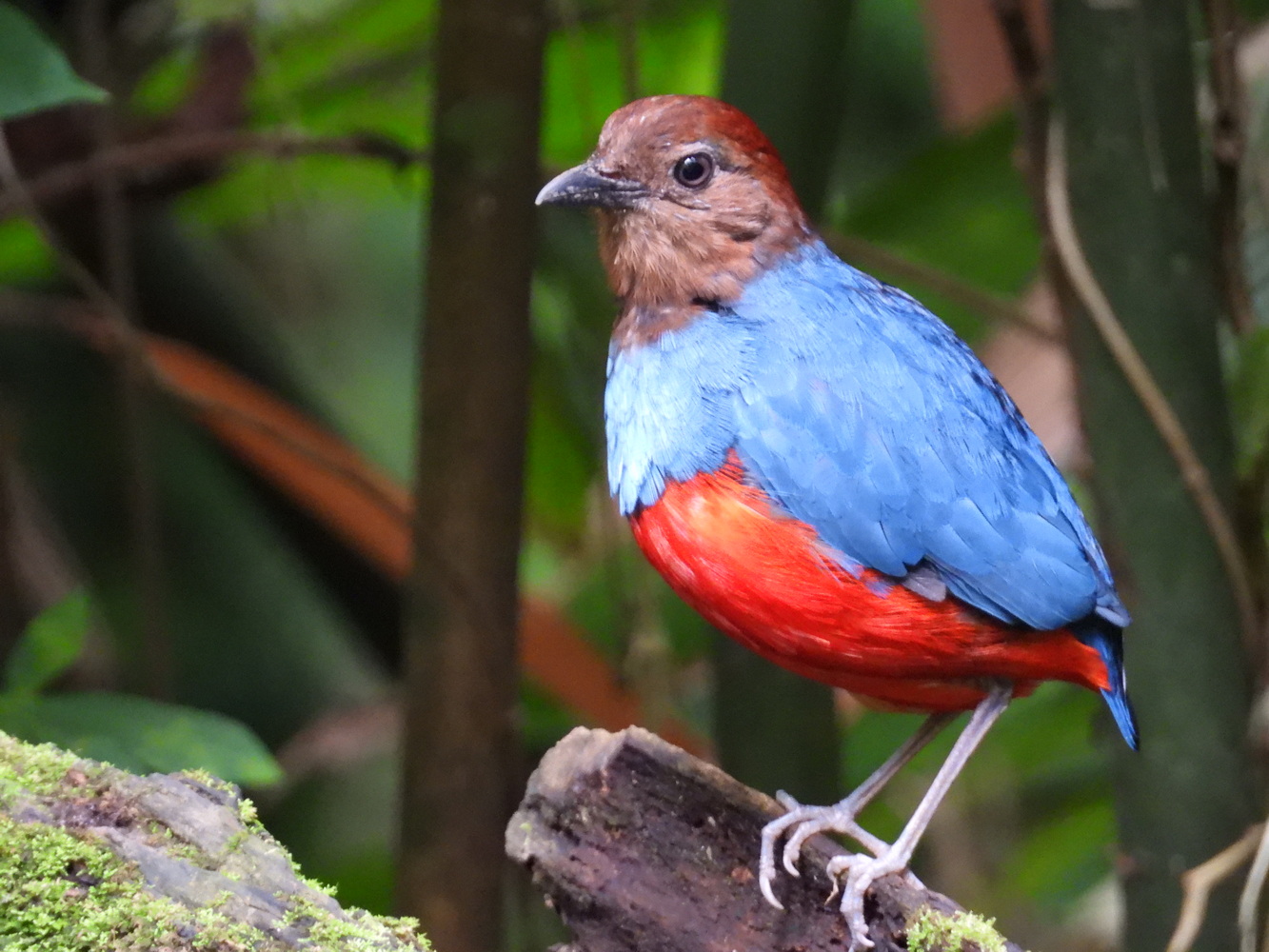
A small (but better equipped) ferry took us back to Ternate. We had time to visit a spice forest plantation above the city on Mount Gamalama (the strato-volcano that comprises the entire Ternate Island). There we found the North Moluccan Pitta with the help of local guide Irawan.
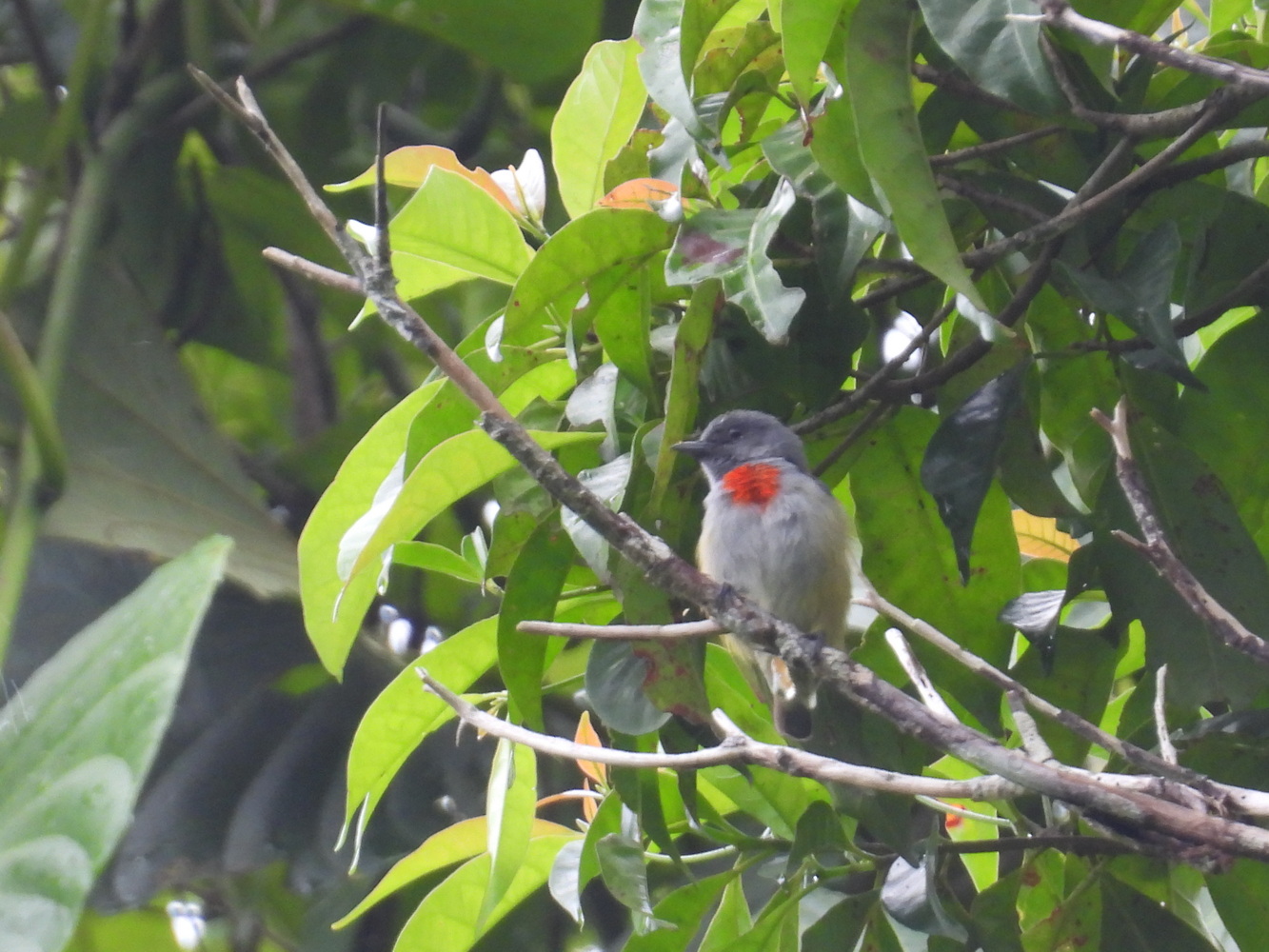
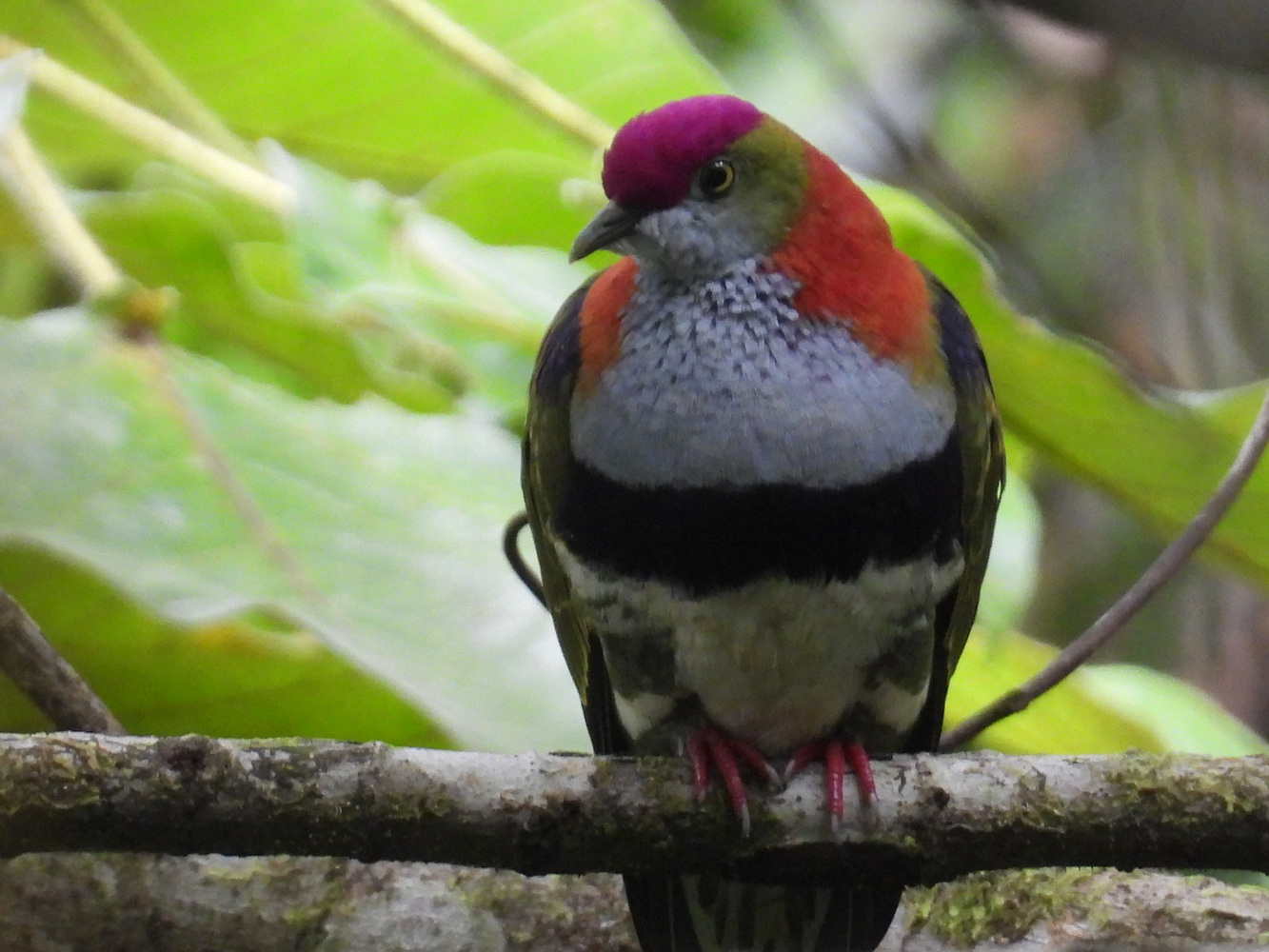
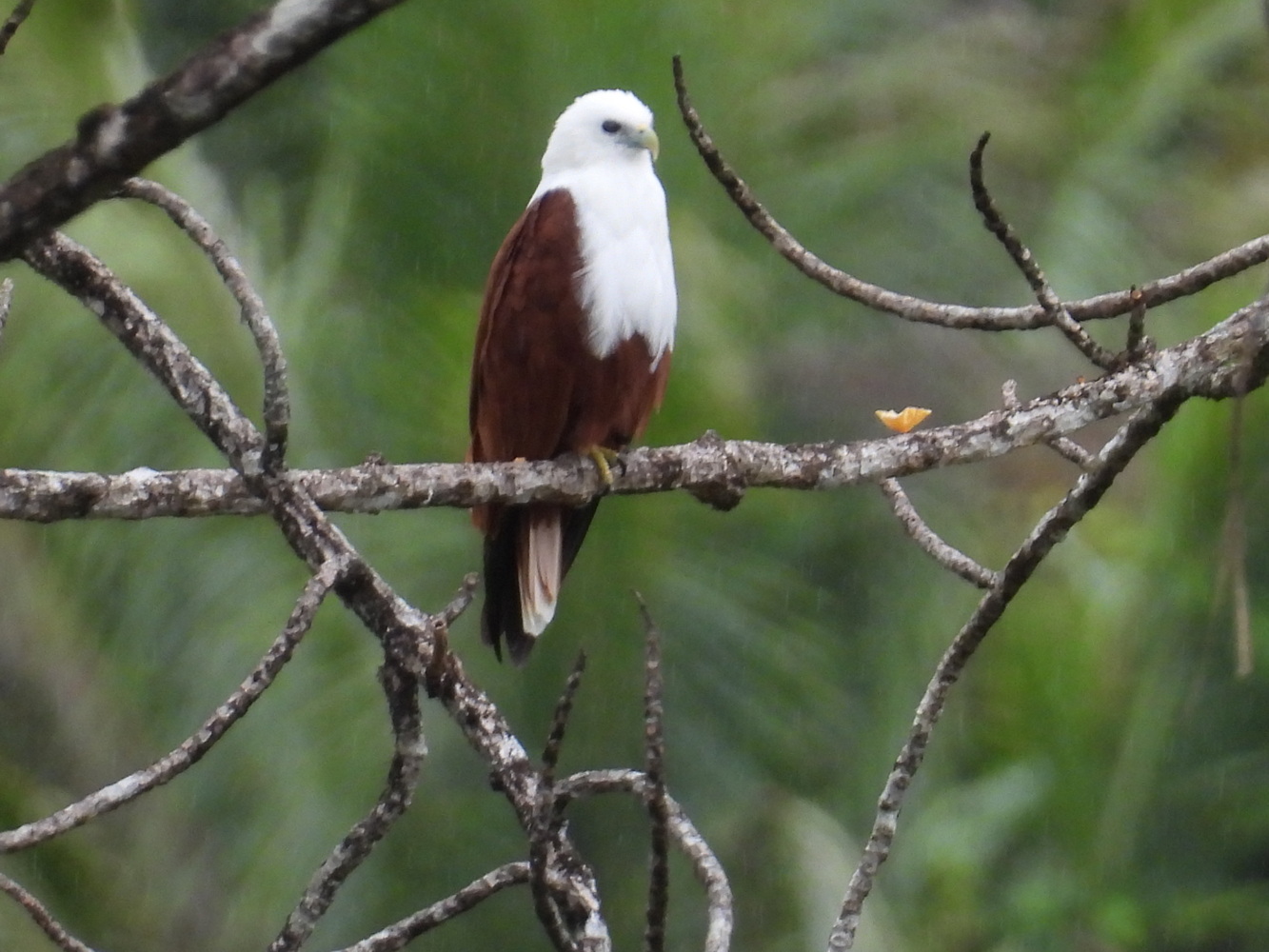
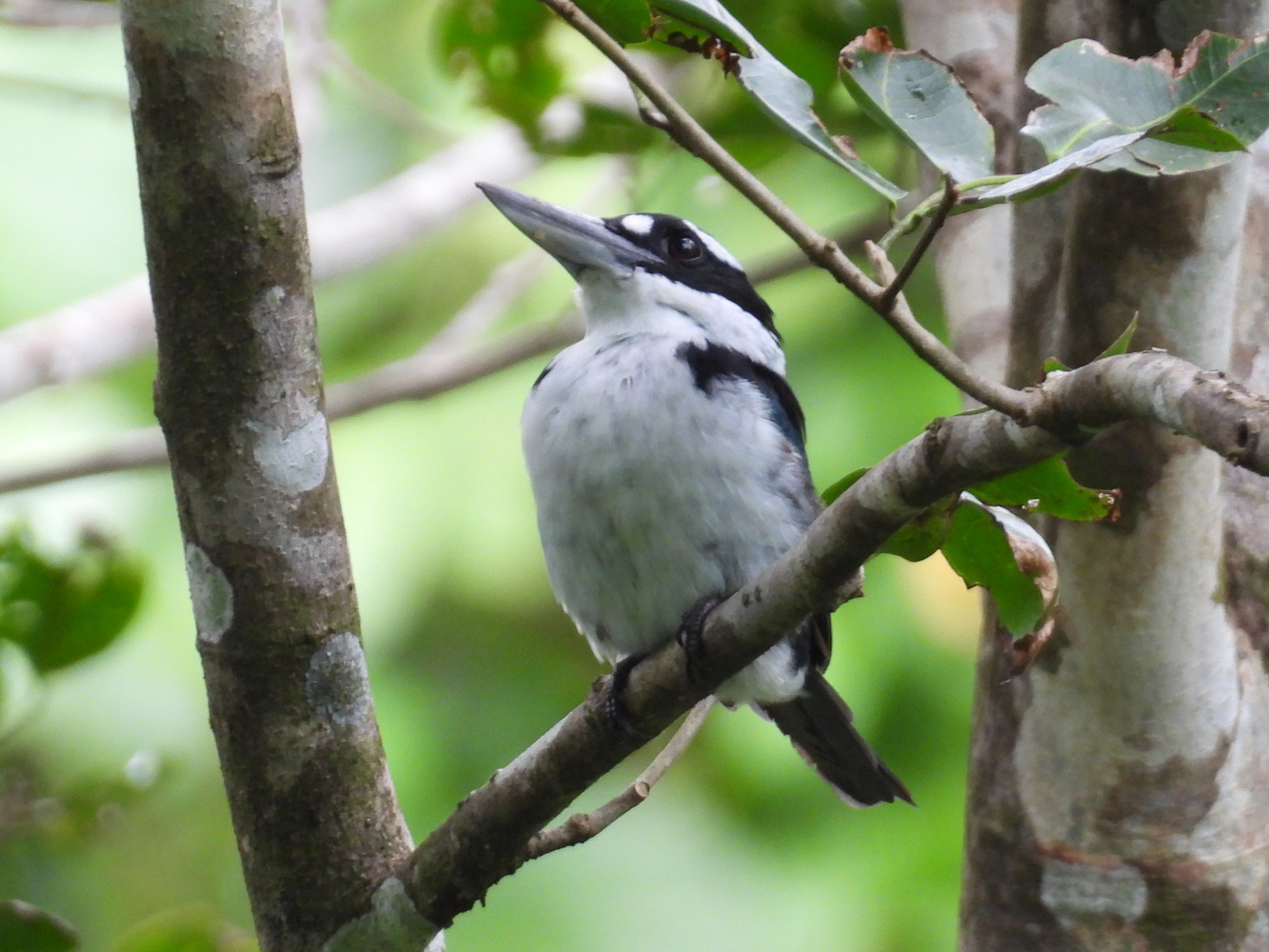
Halmahera Birding Highlights
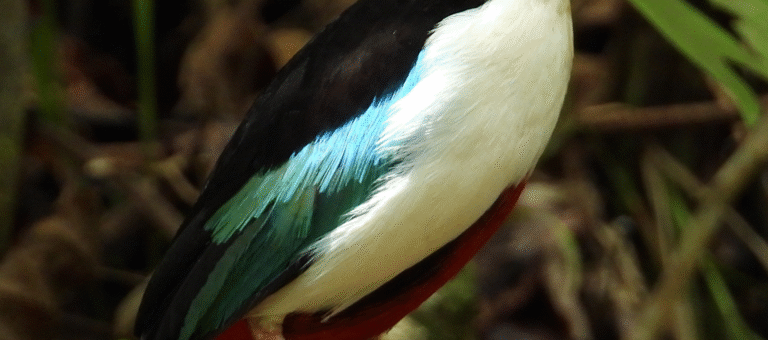
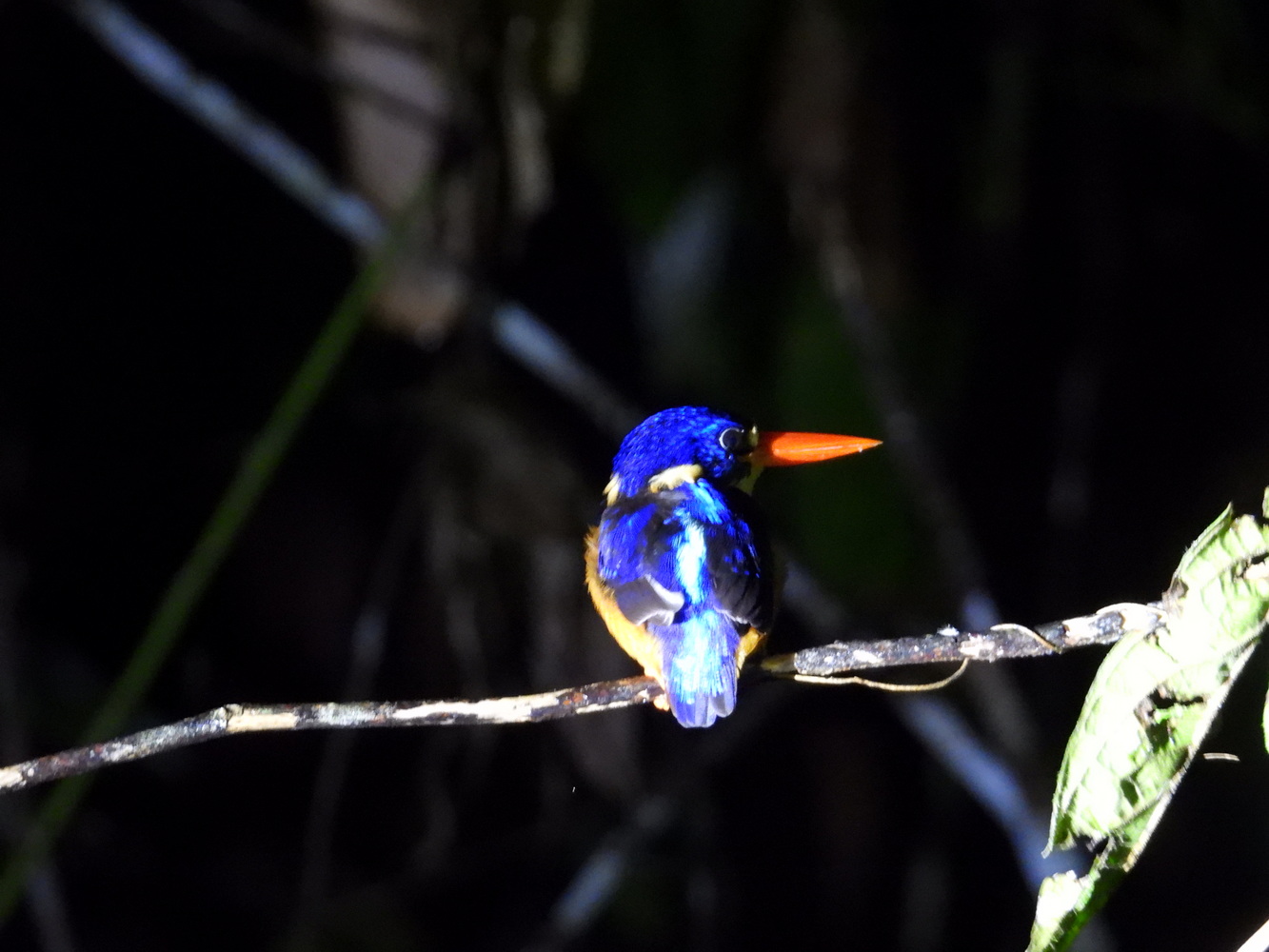
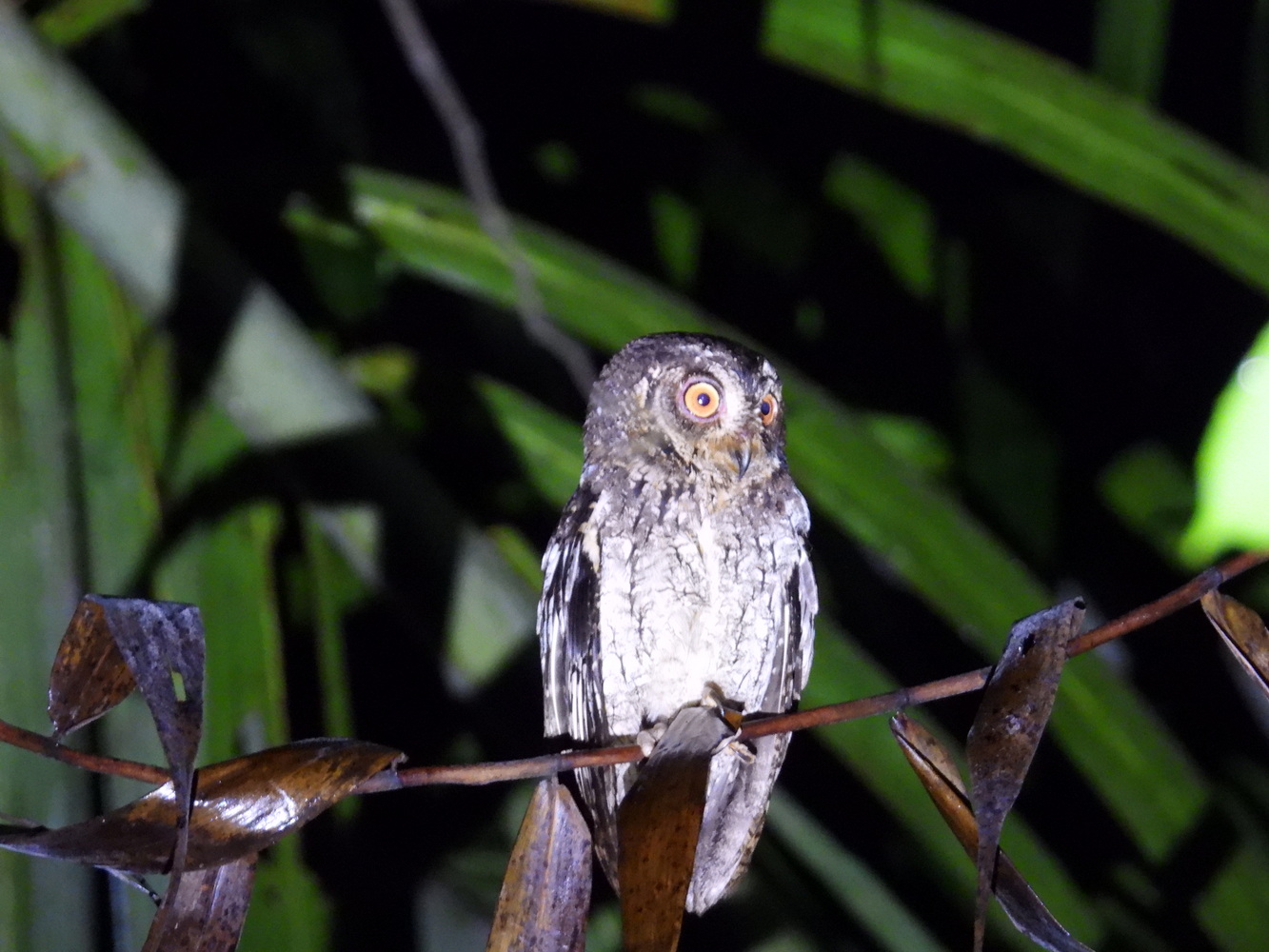
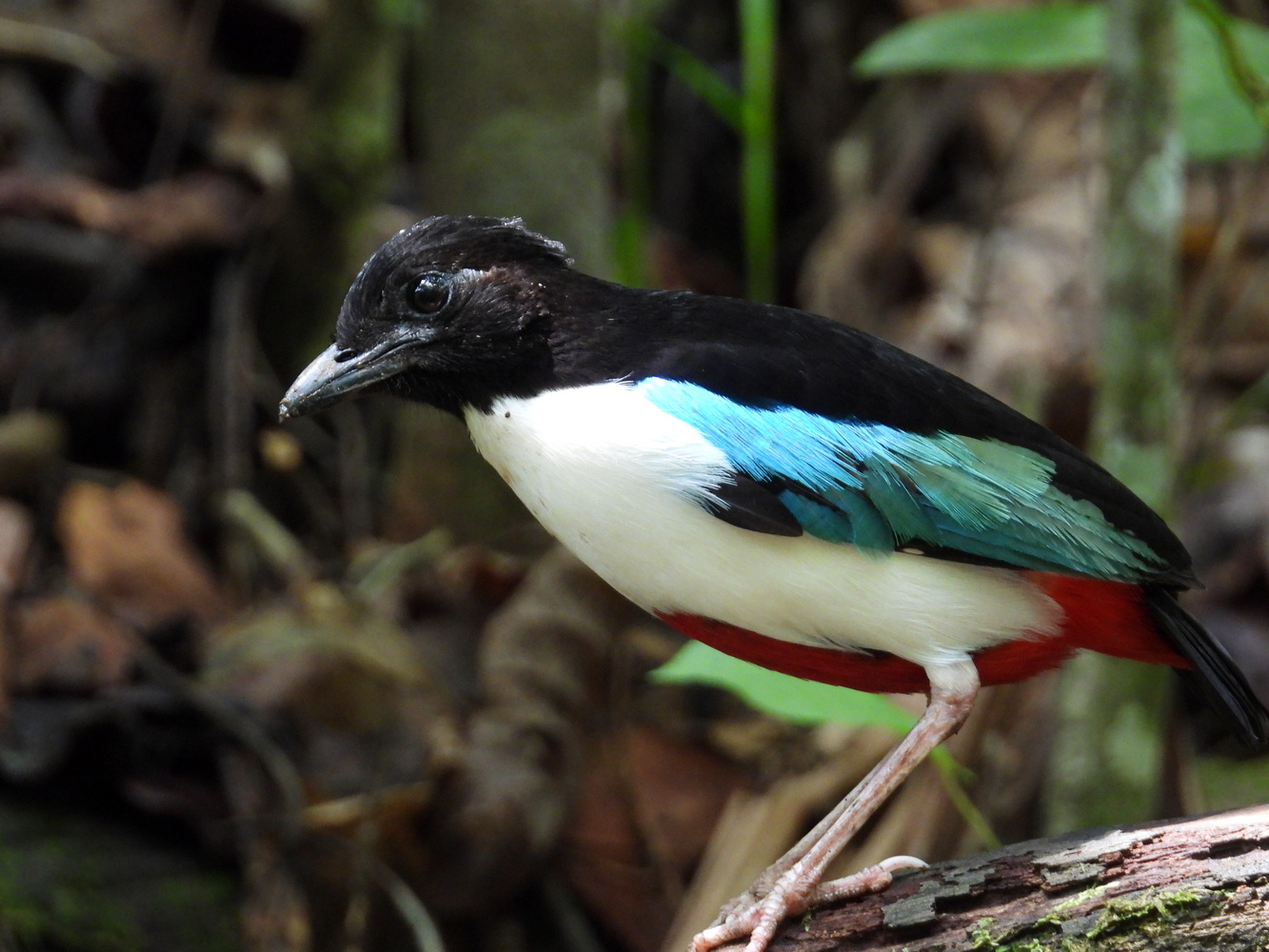
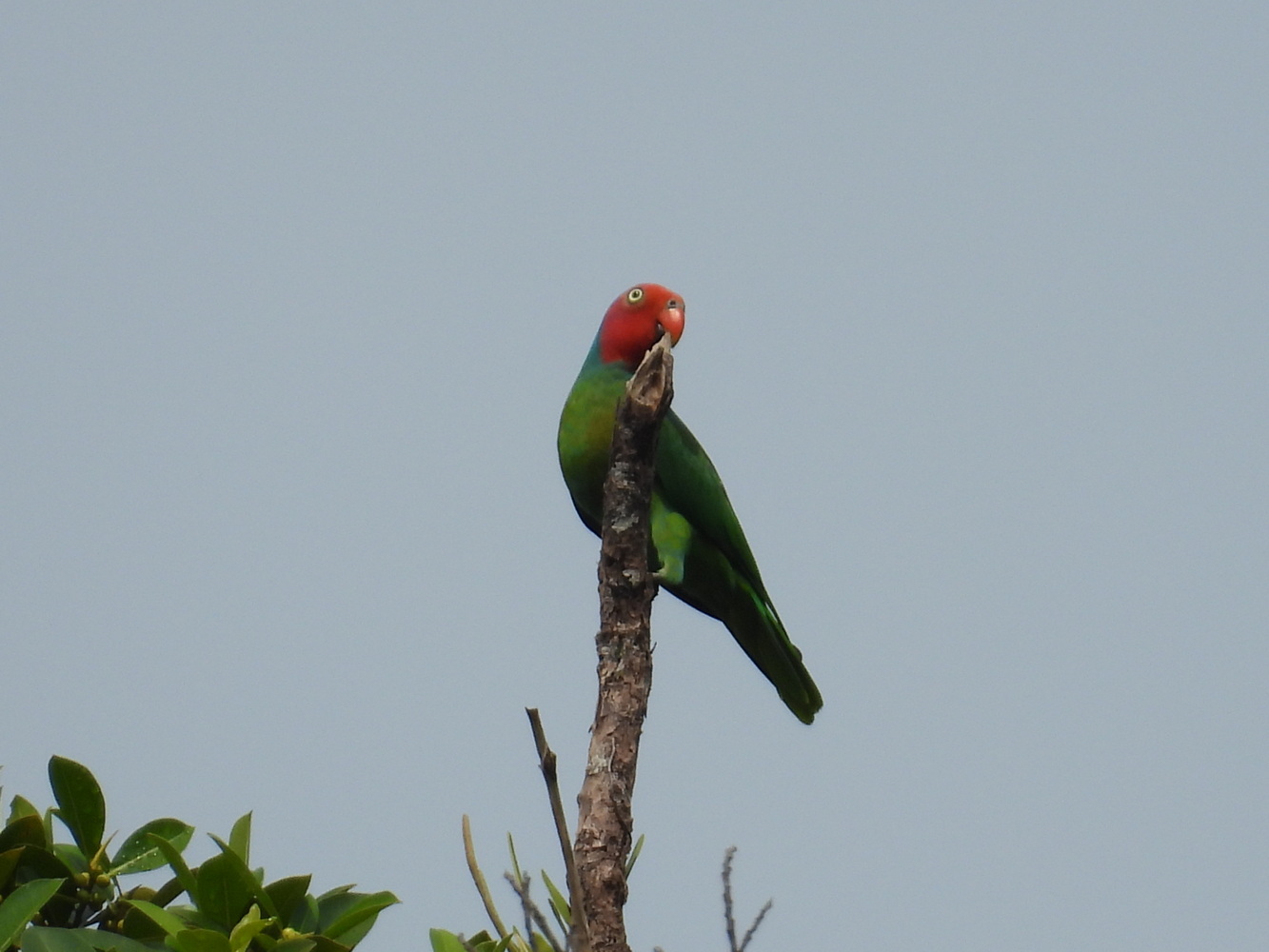
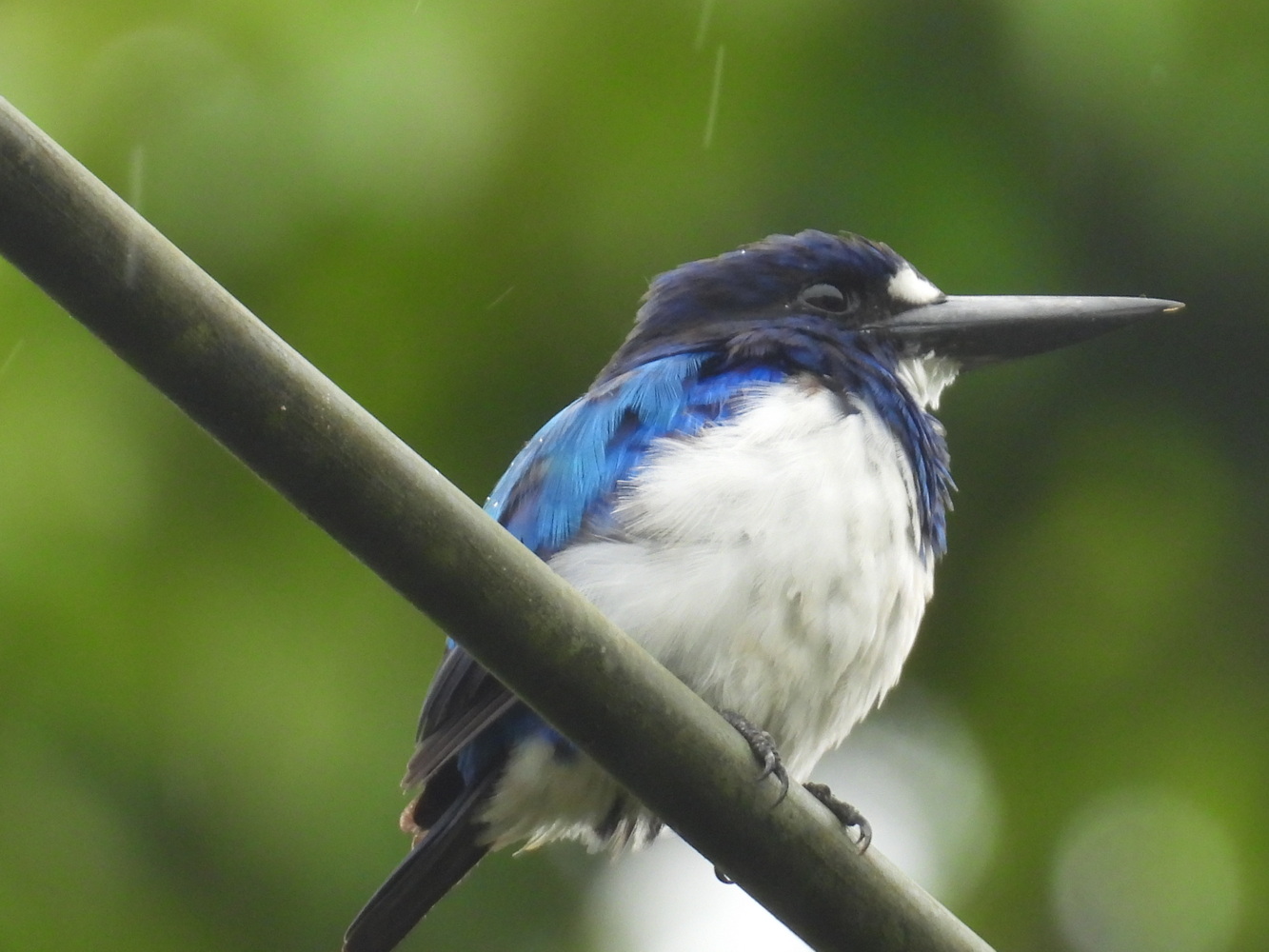
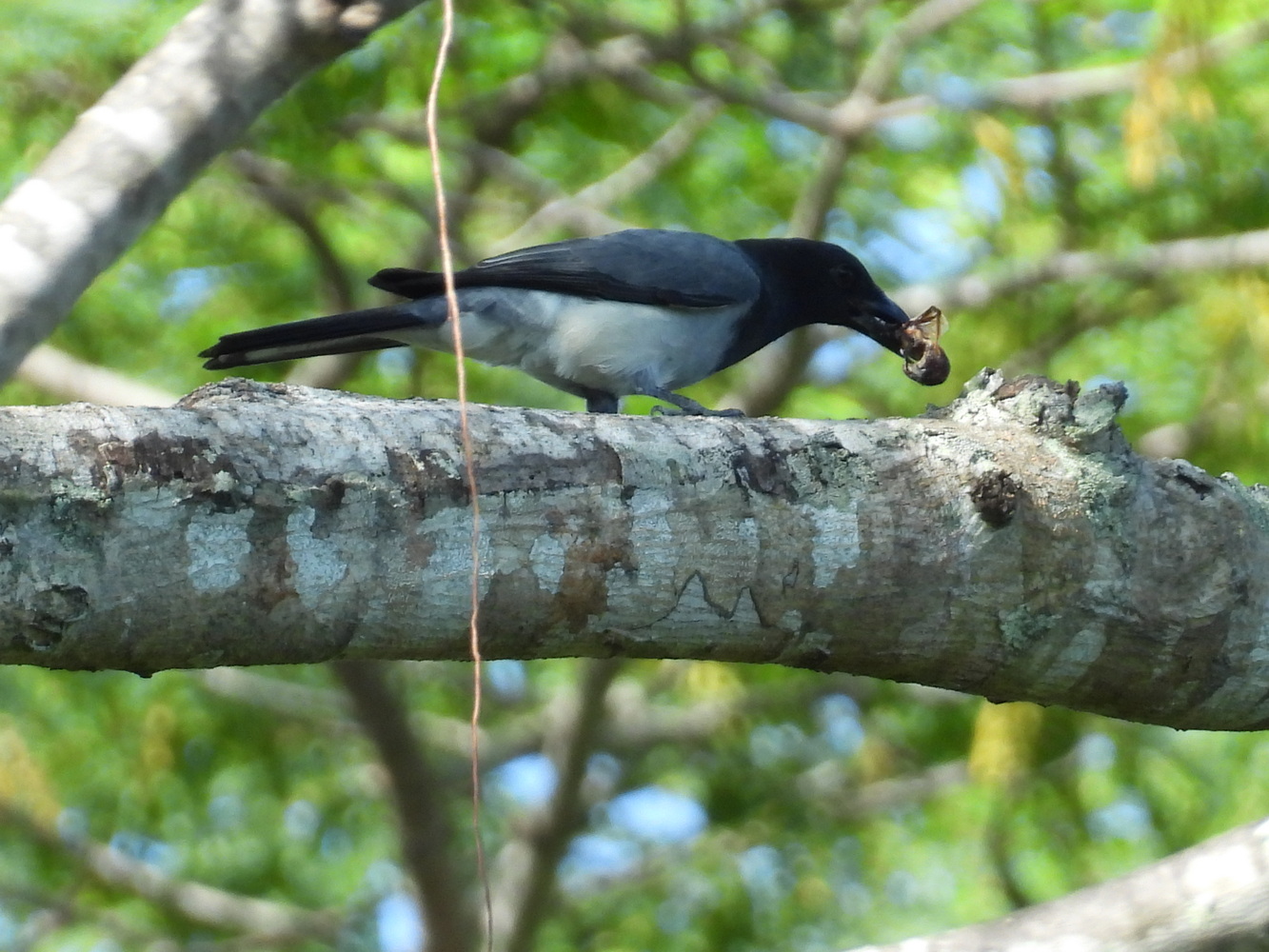
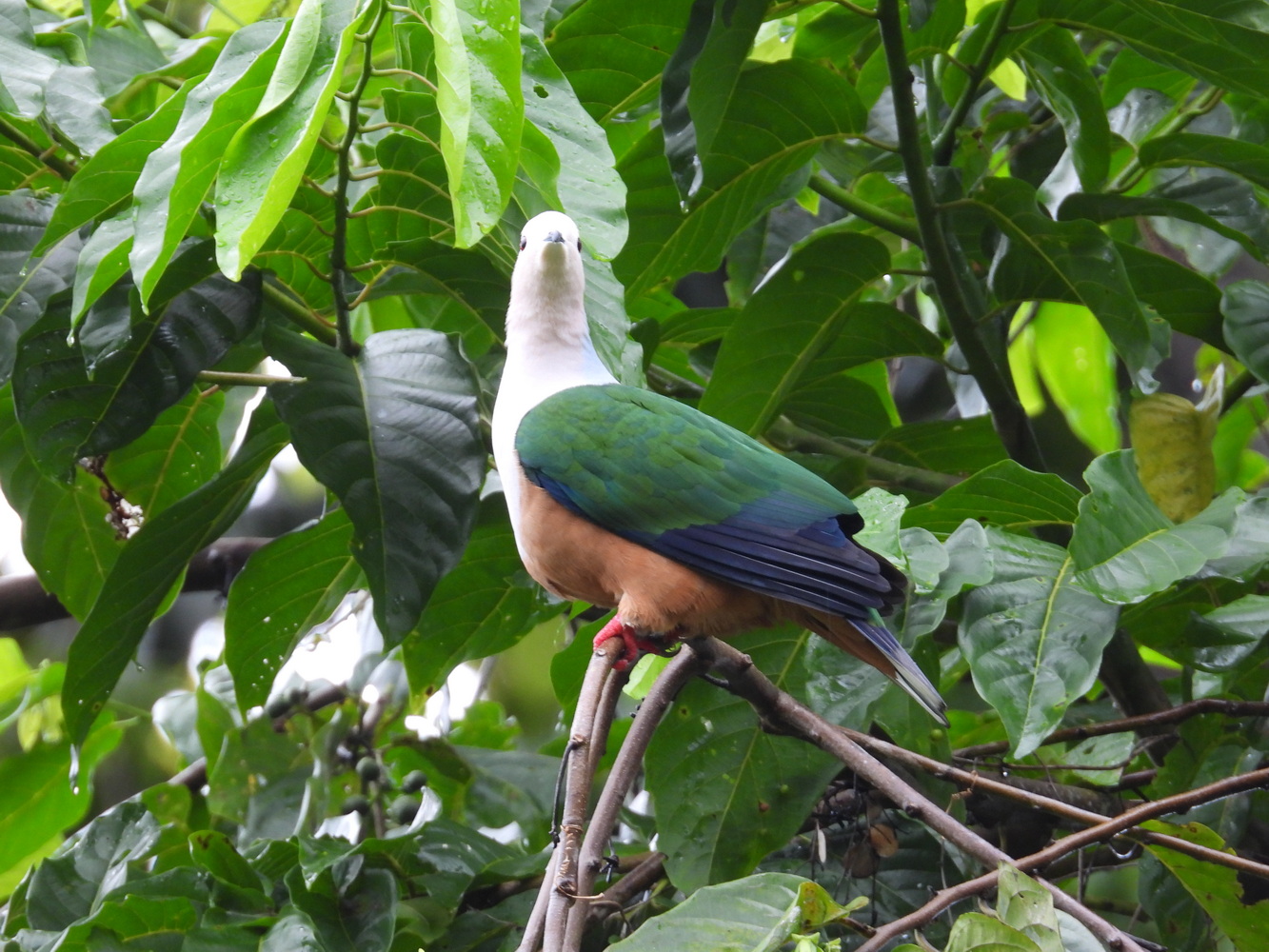
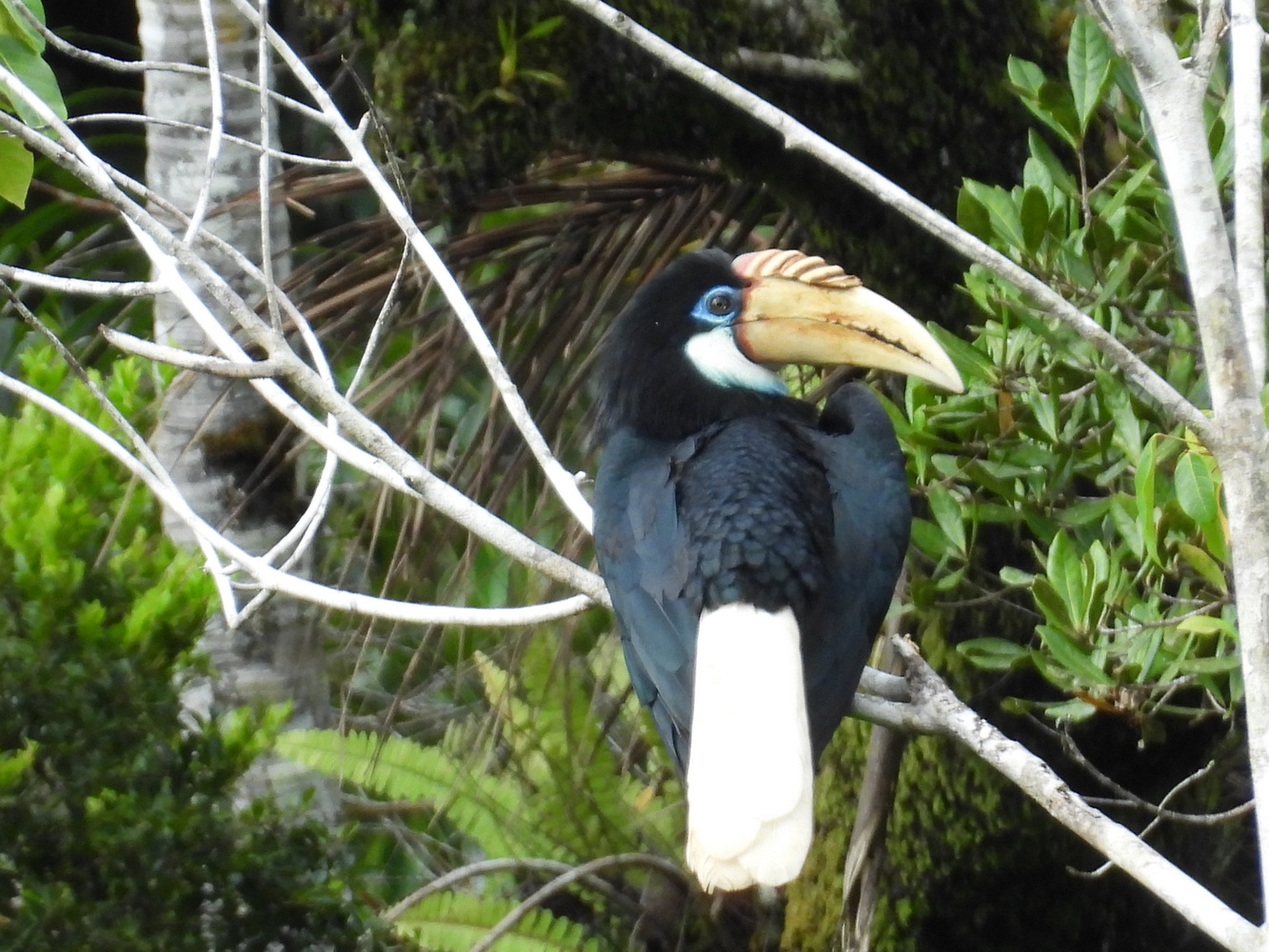
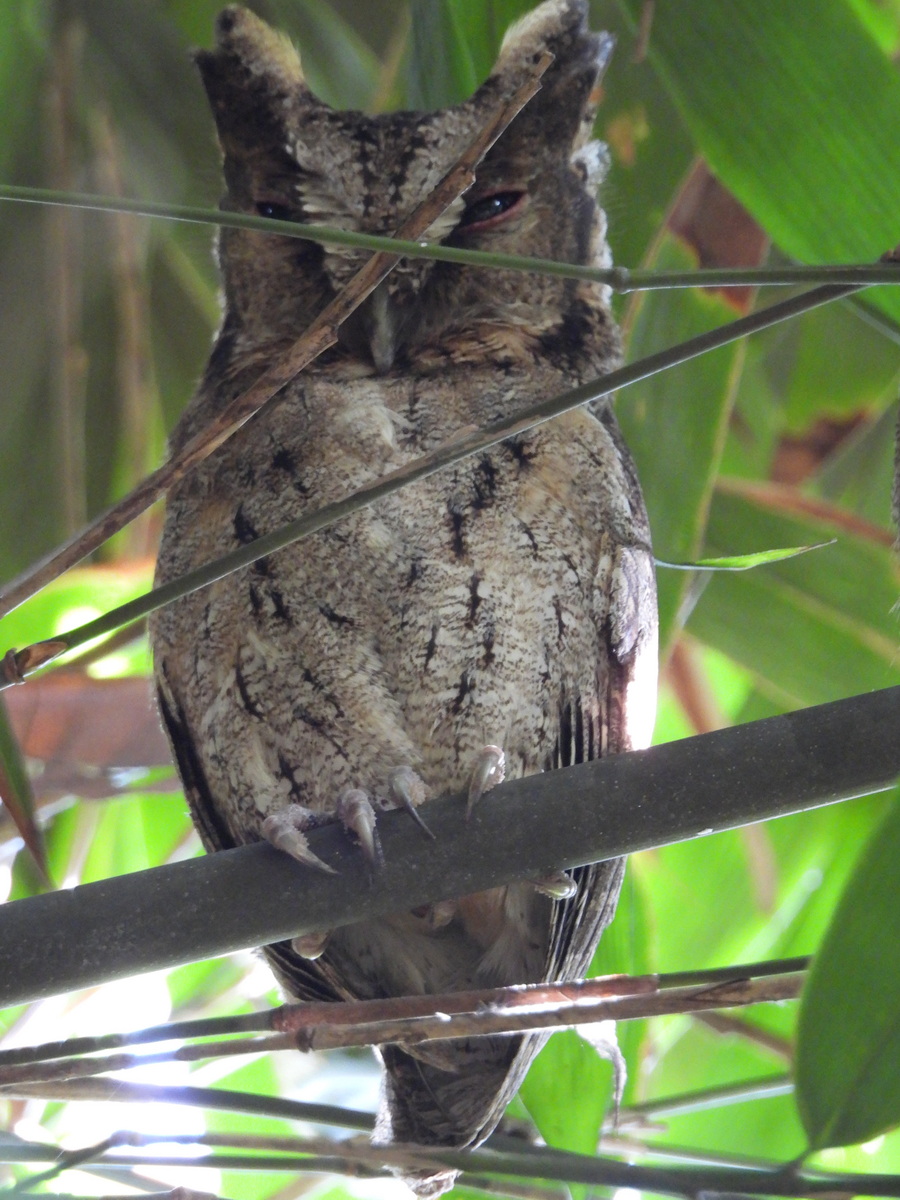
The top birds for Halmahera were probably the Ivory-breasted Pitta at Aketajawe-Lolobata National Park and the North Moluccan Pitta on Mount Gamalama. But there were lots more! These are a few highlights.
Part 3: Bali and East Java
Locations We Visited in Bali and East Java
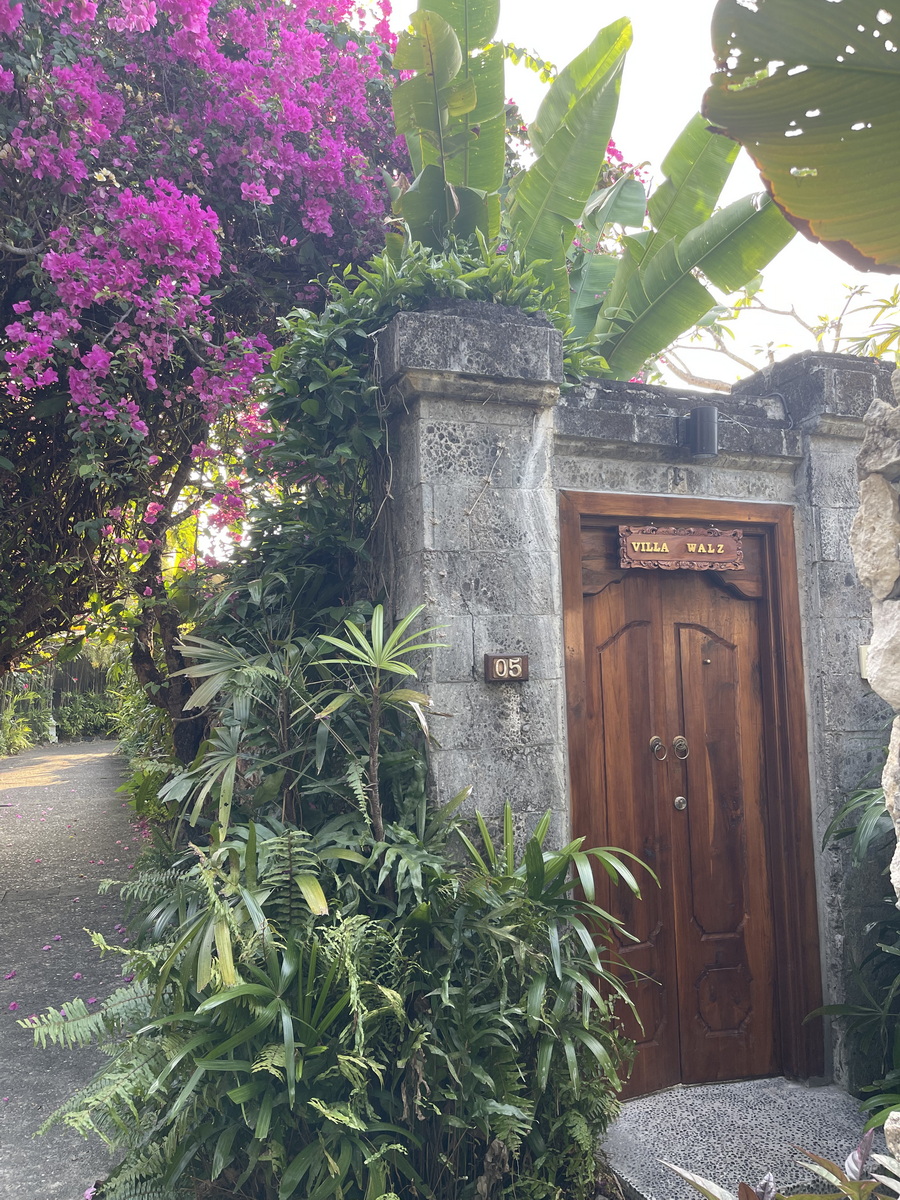
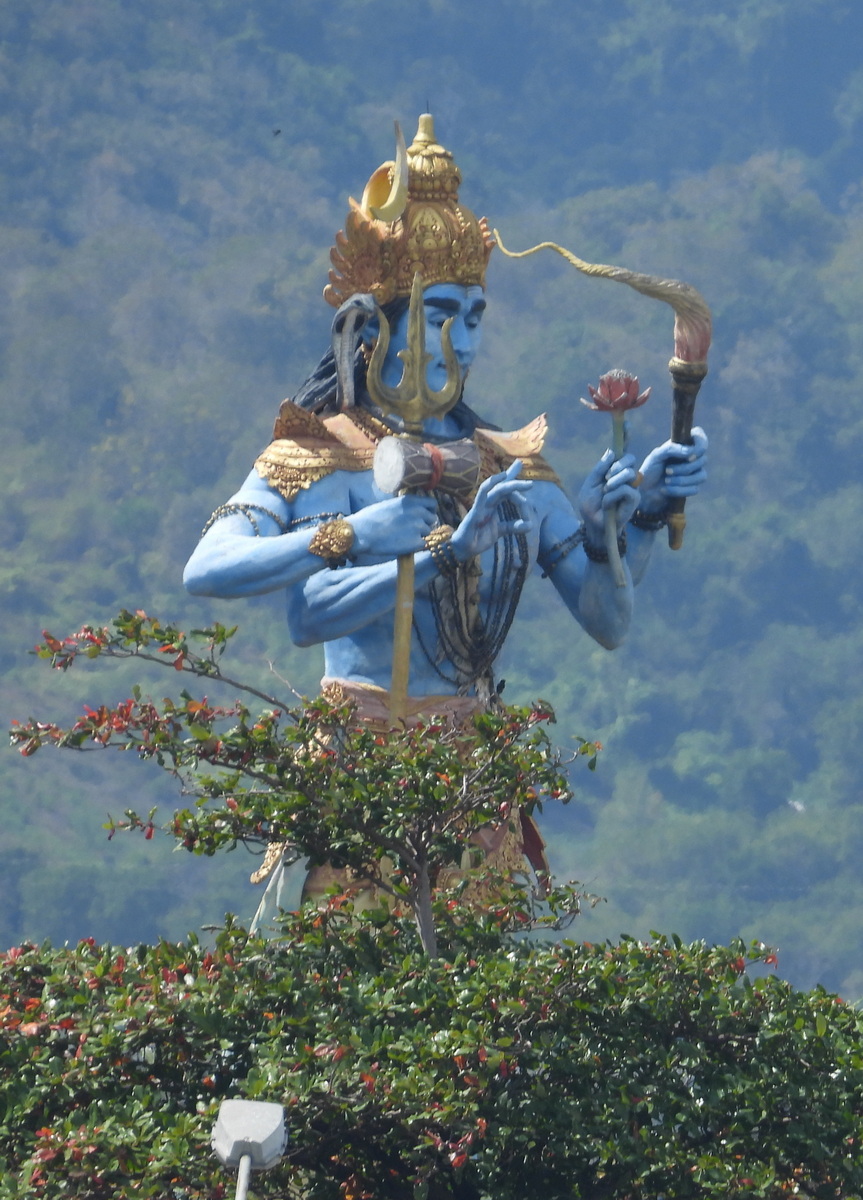
We flew with Boas back from Ternate to Jakarta, where we said our good-byes. Then we flew on to Denpasar, in the south-central part of Bali. We stayed at the Pavilions Sanur, on Sanur Beach, at the first luxurious resort of the trip. You could see their level of attention when we found that our room was the “Villa Walz”! This was the only part of our trip with a beach and we enjoyed great meals, massages and relaxation.
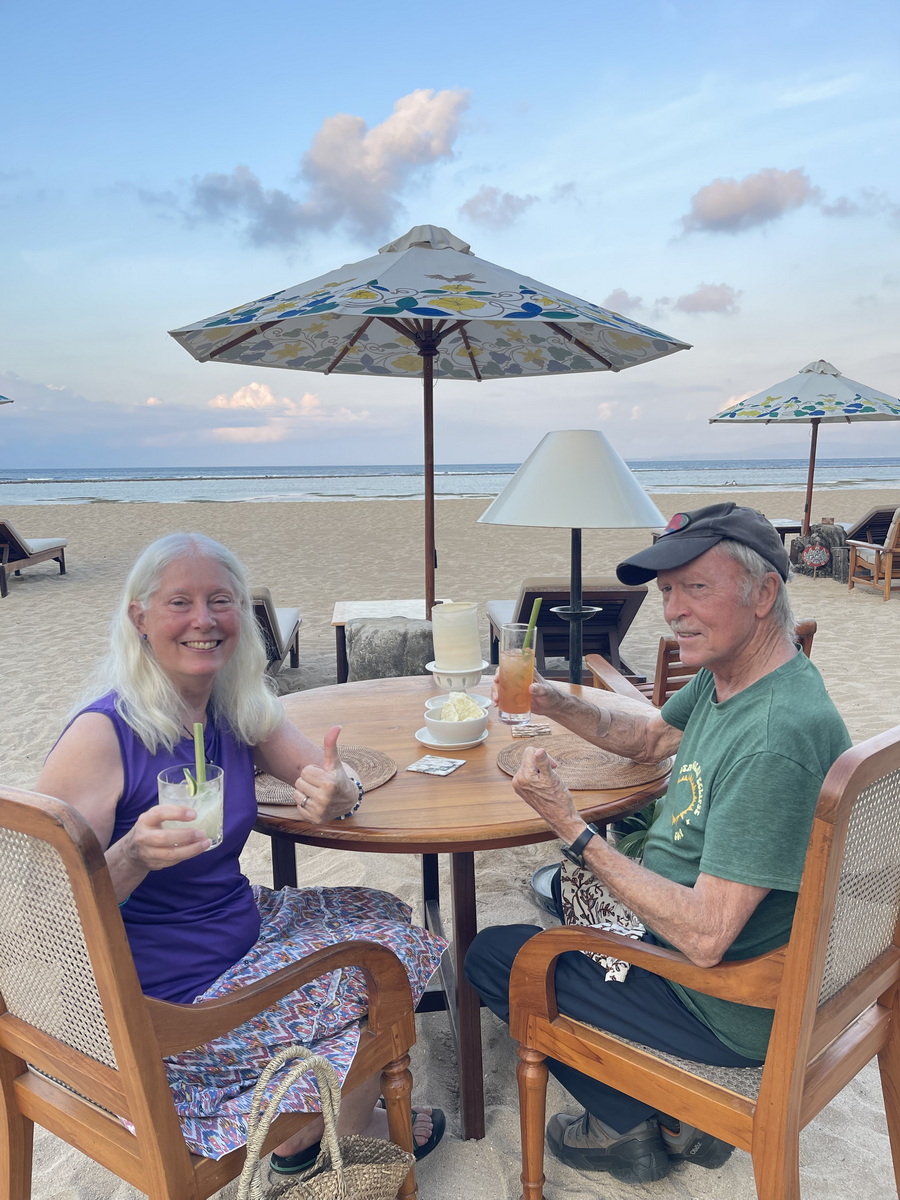
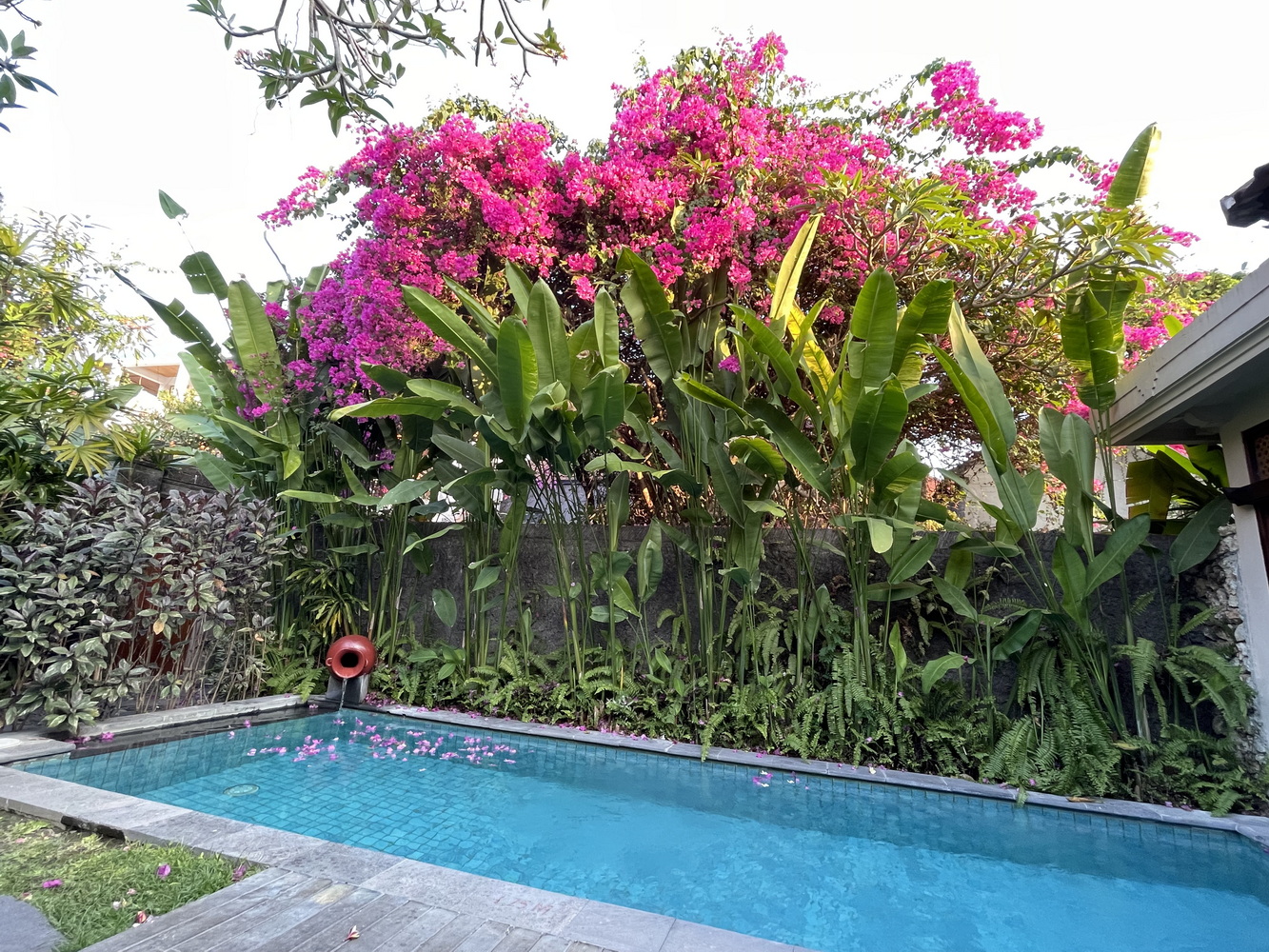
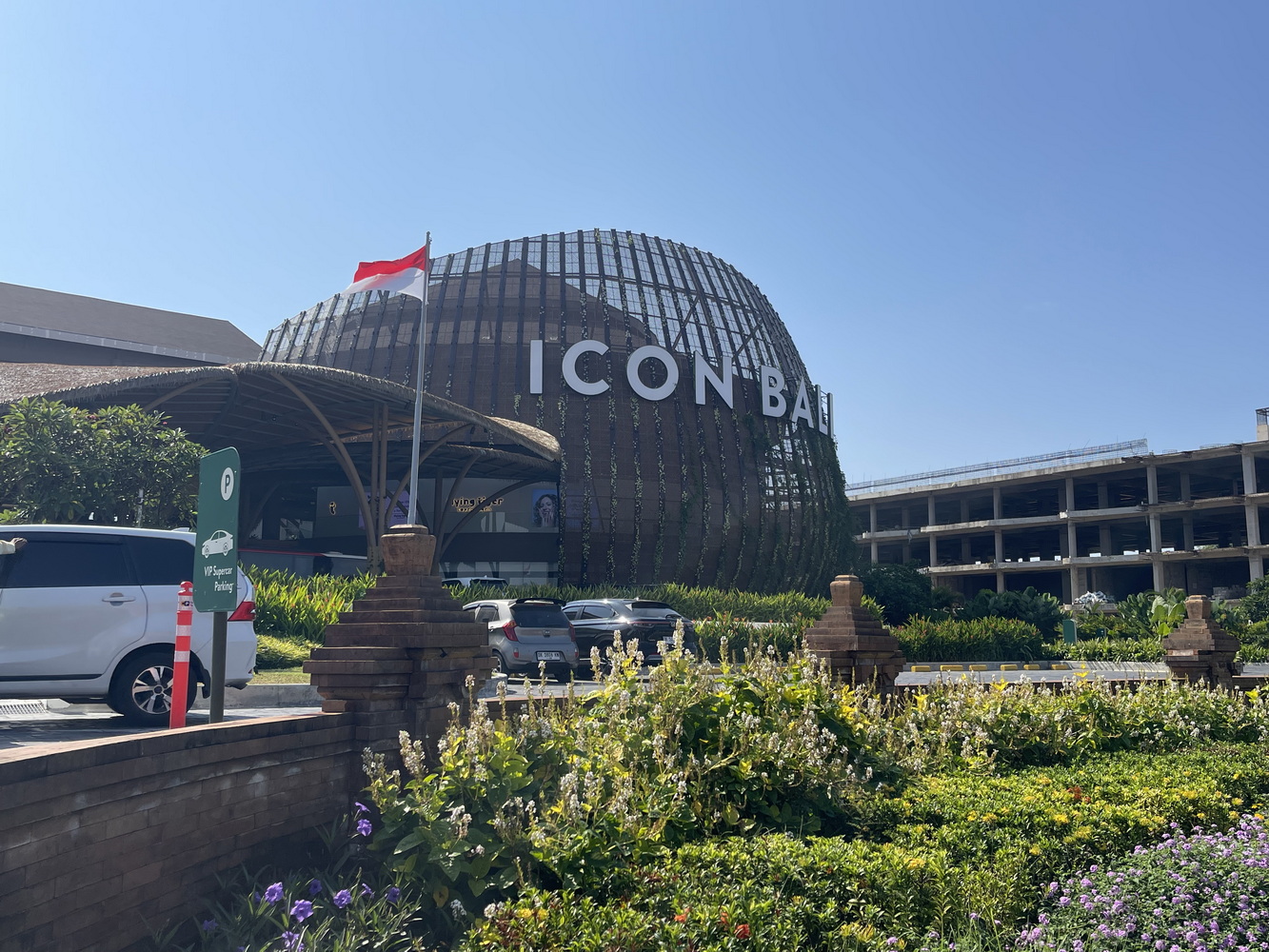
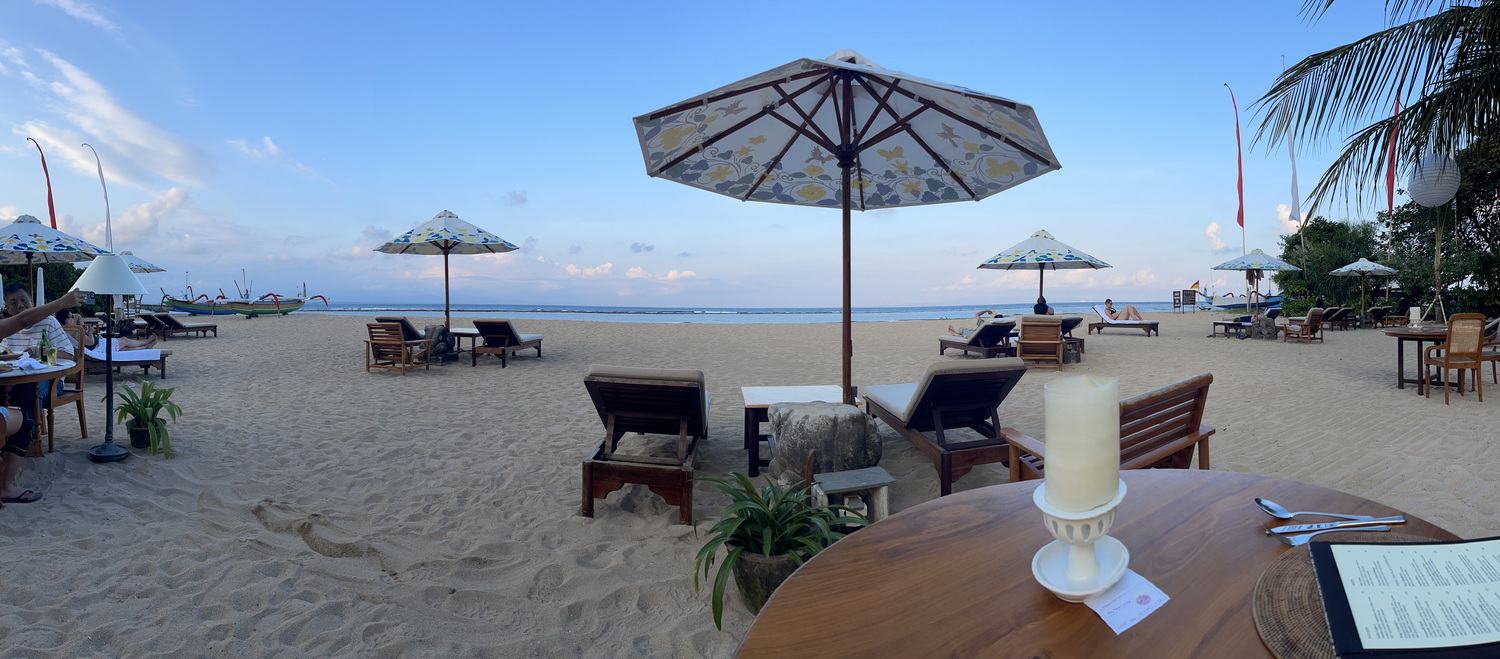
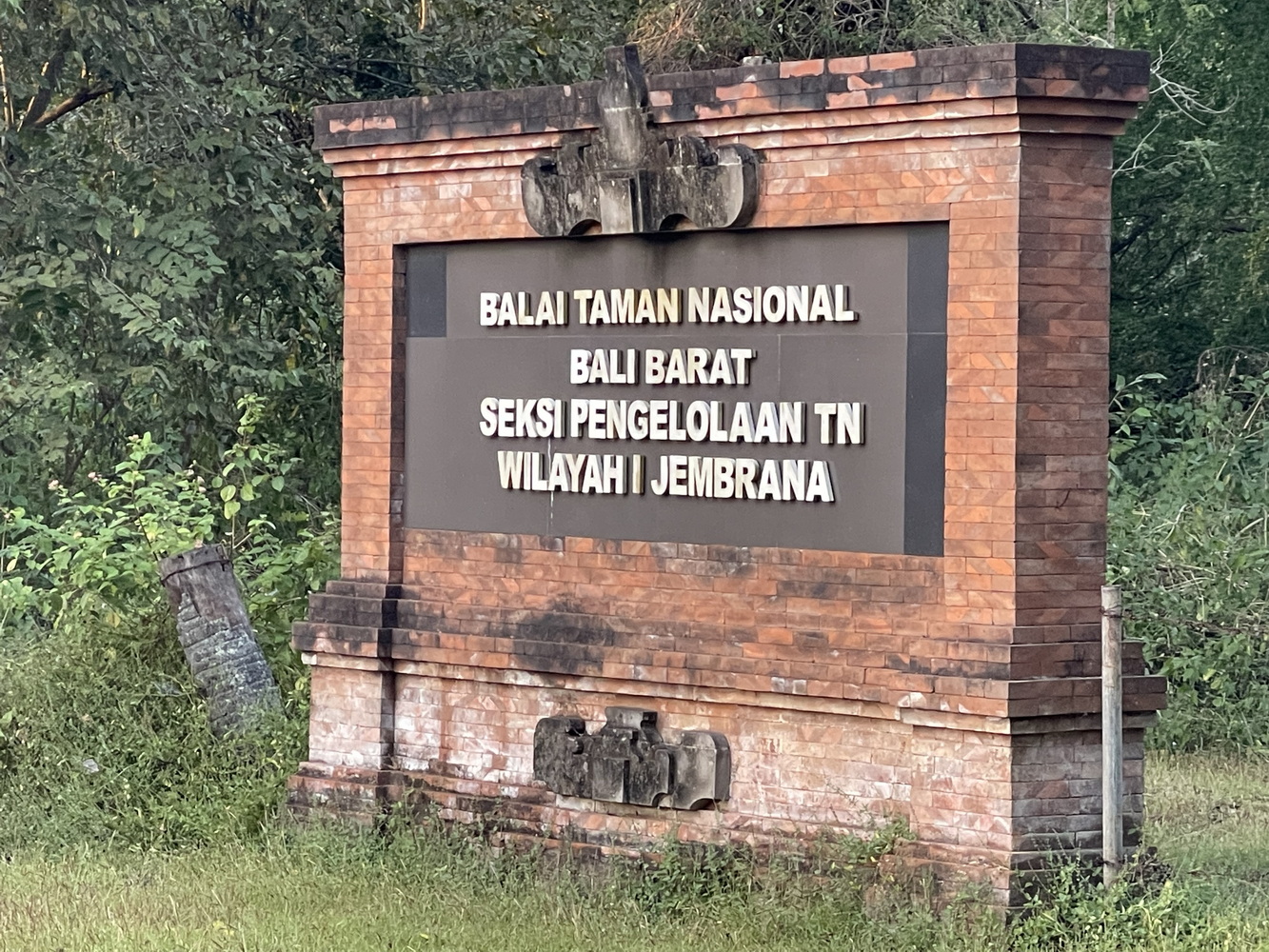
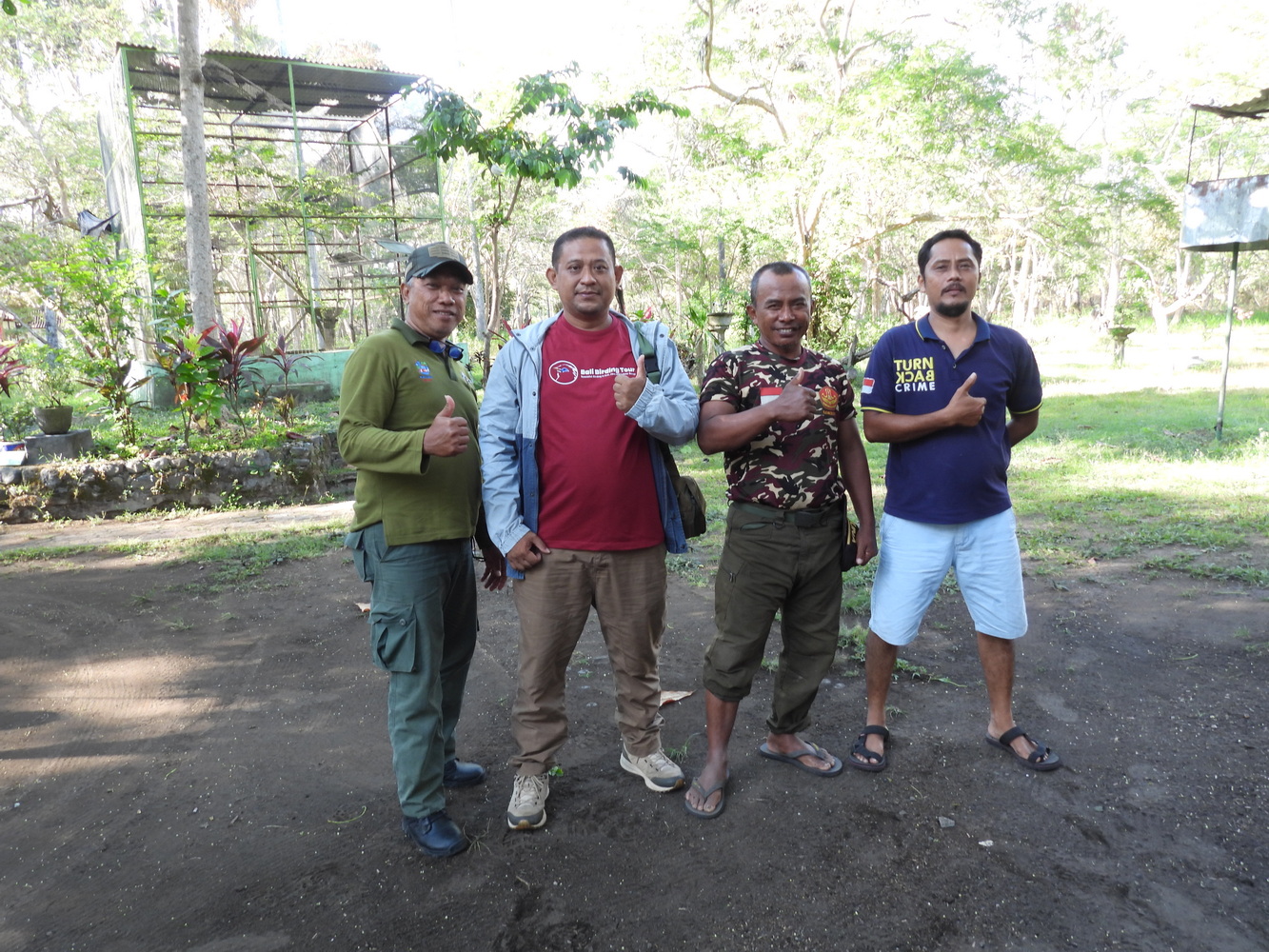
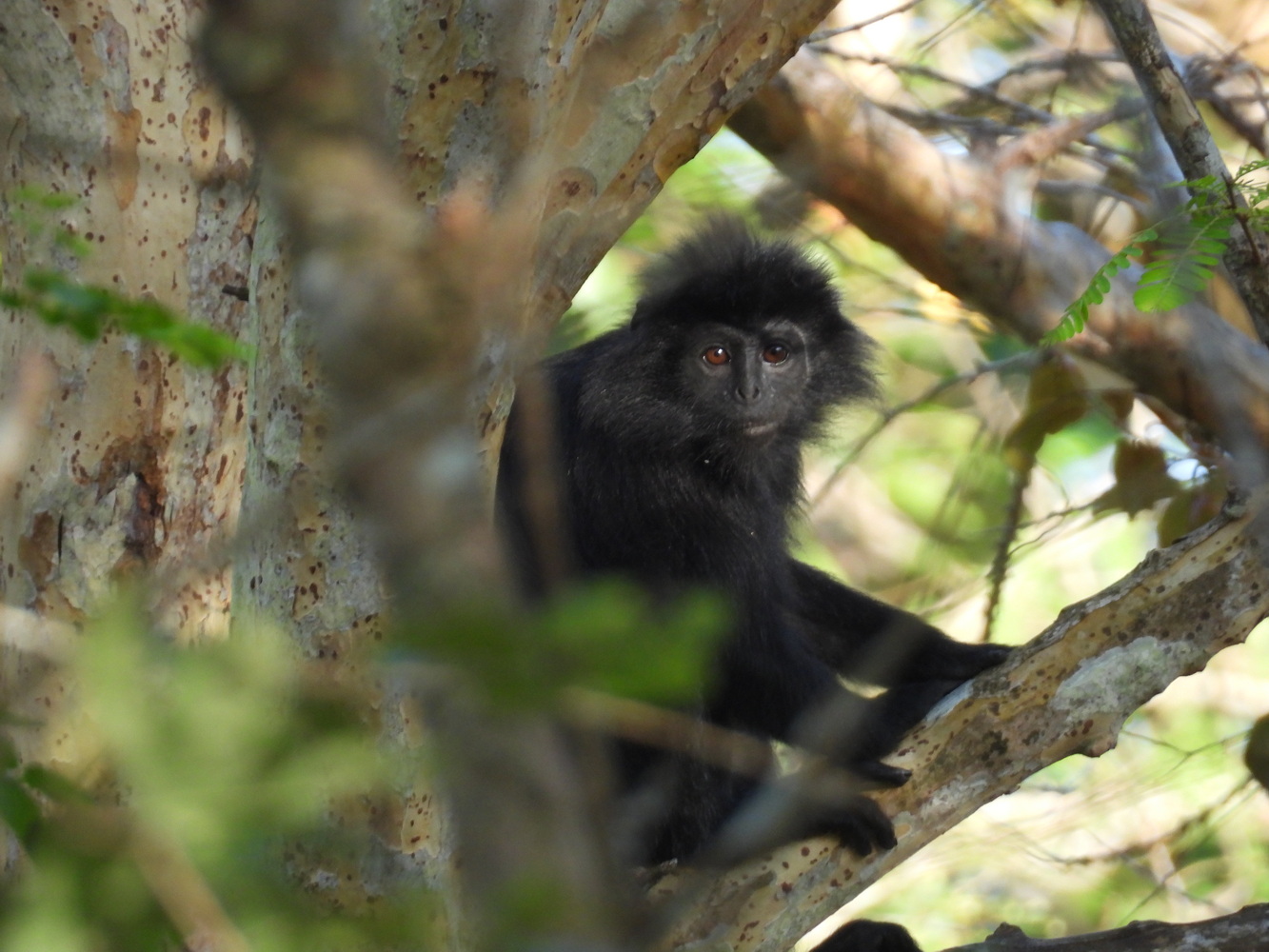
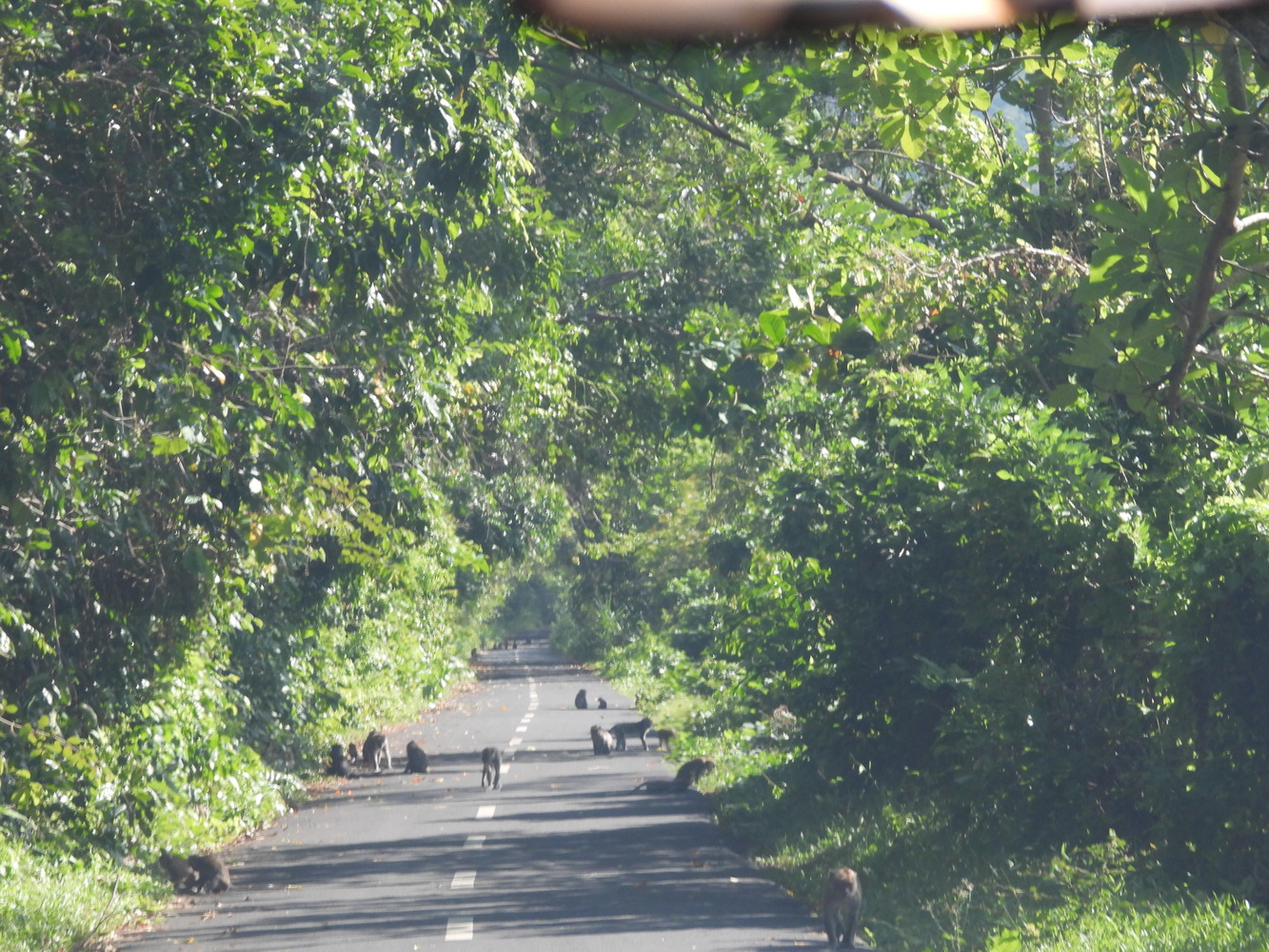
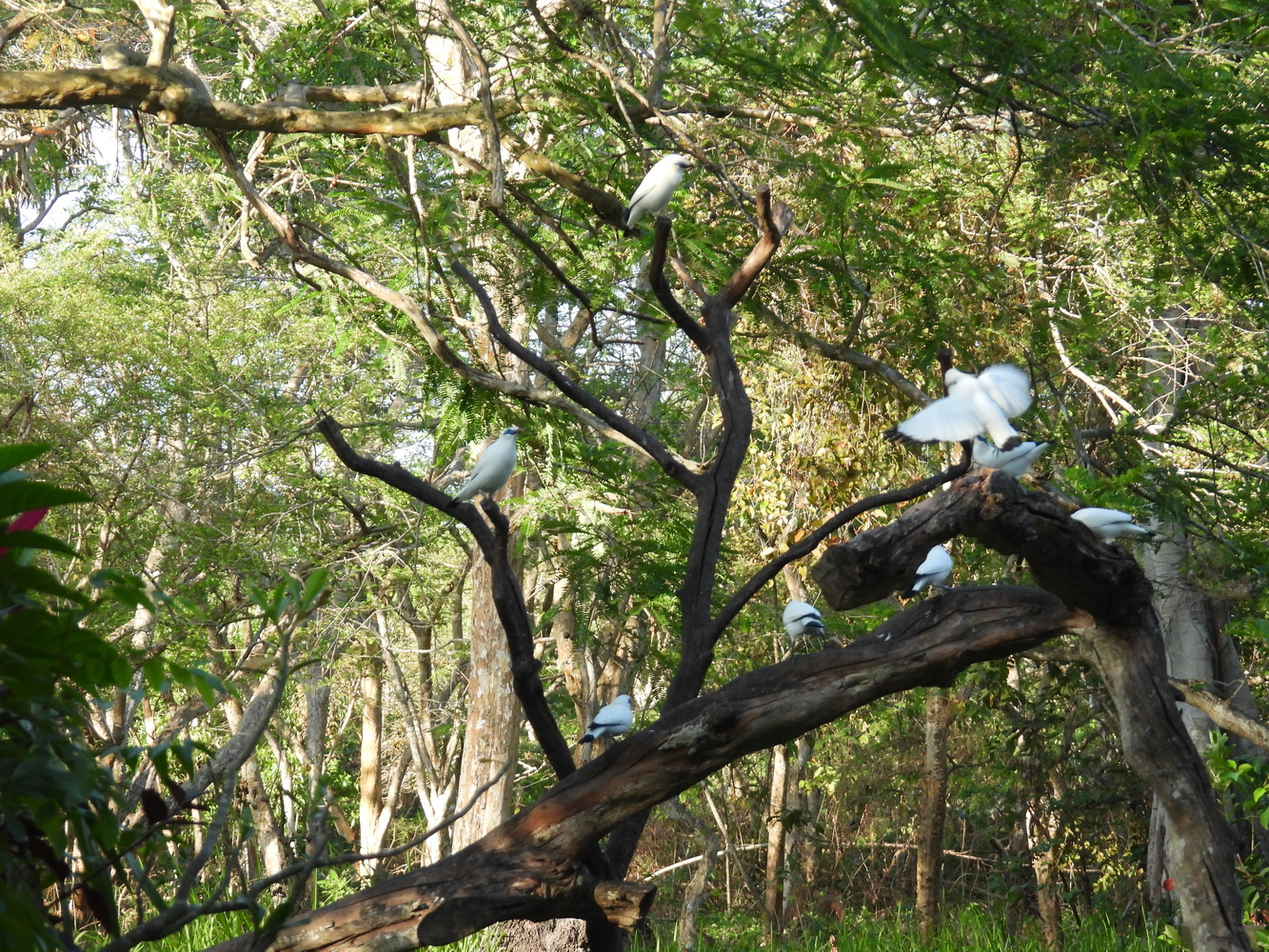
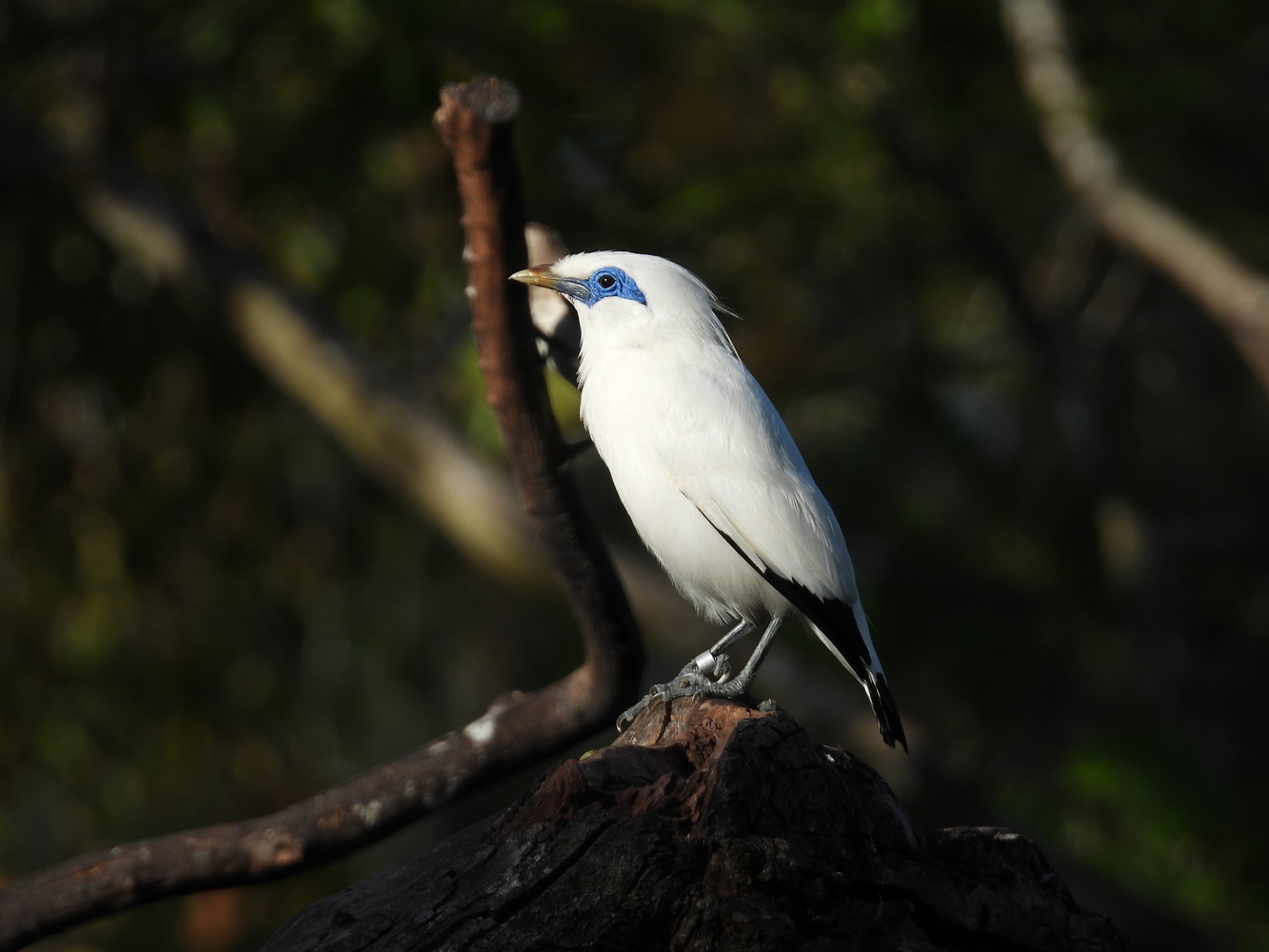
But then – back to birding! Our guide Bayu Hendra from Bali Birding Tour, picked us up and we drove to Bali Barat National Park in the northwestern part of the island. Hery Kusumanegara, founder of Bali Birding Tour, is also the head ranger there. We learned about the successful effort to restore the iconic Bali Myna.
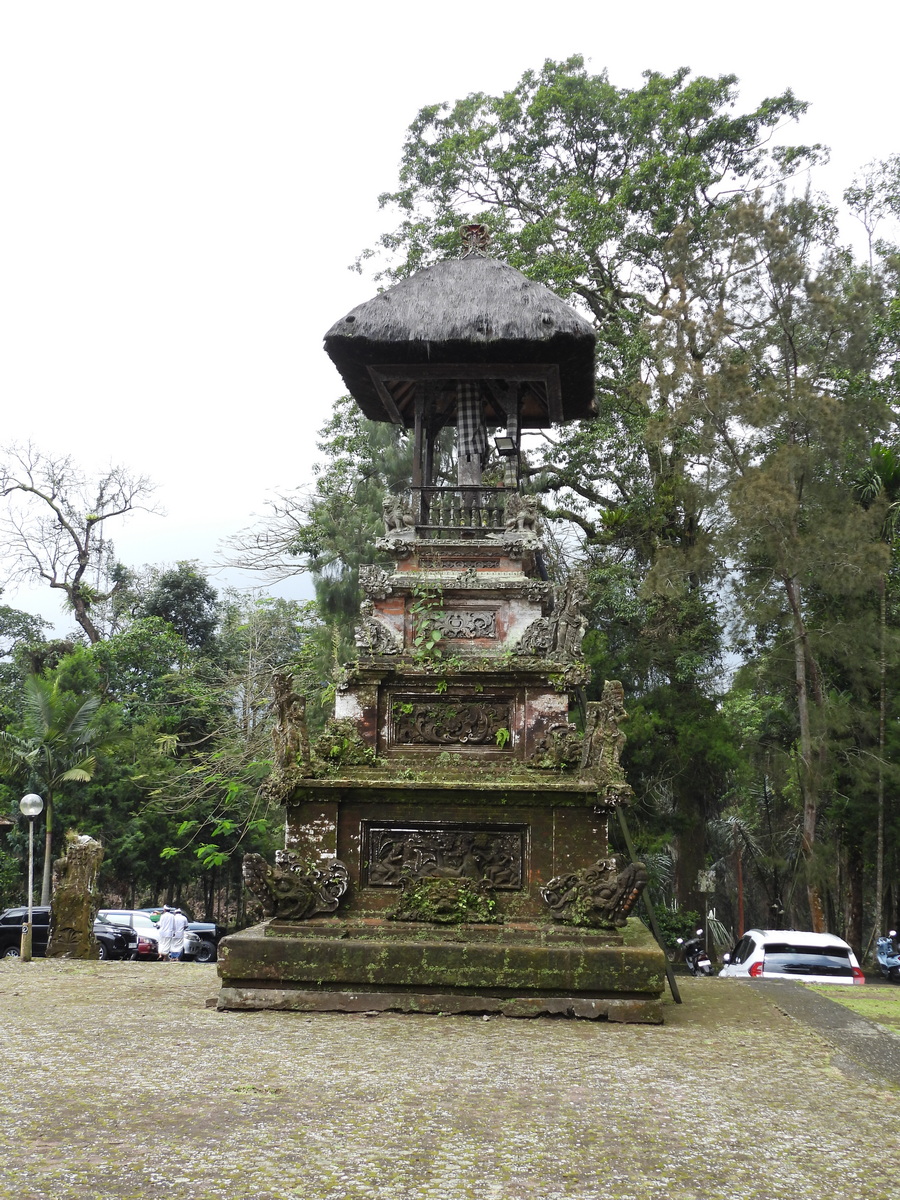
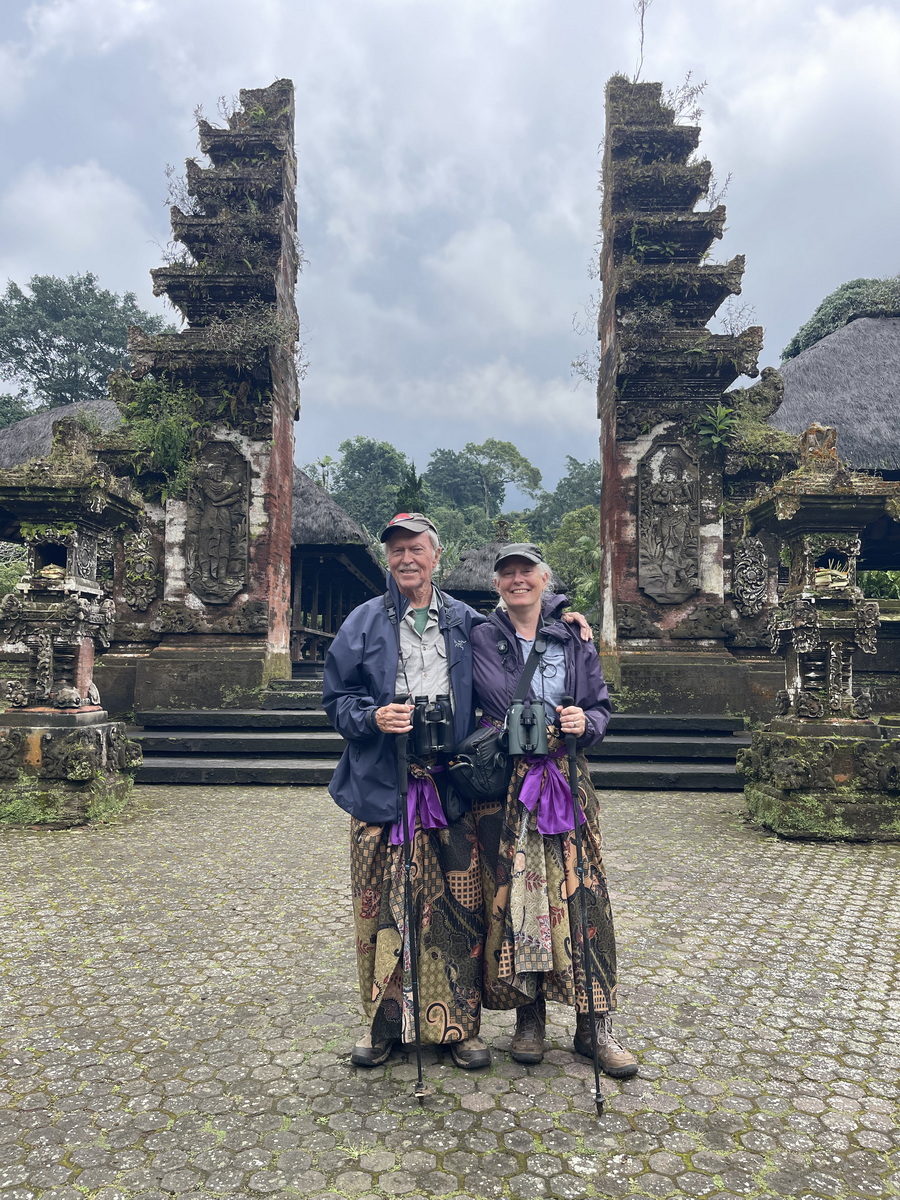
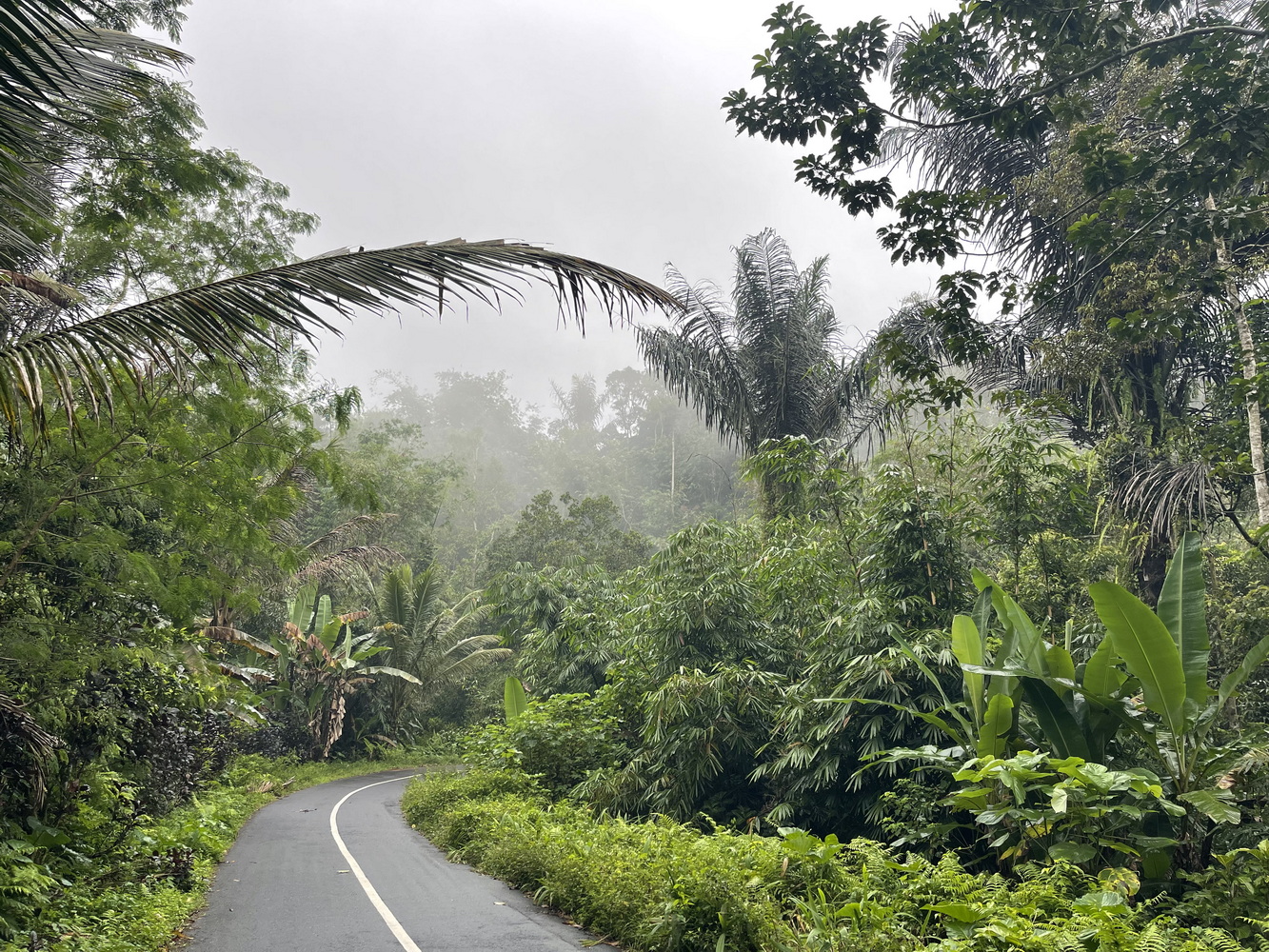
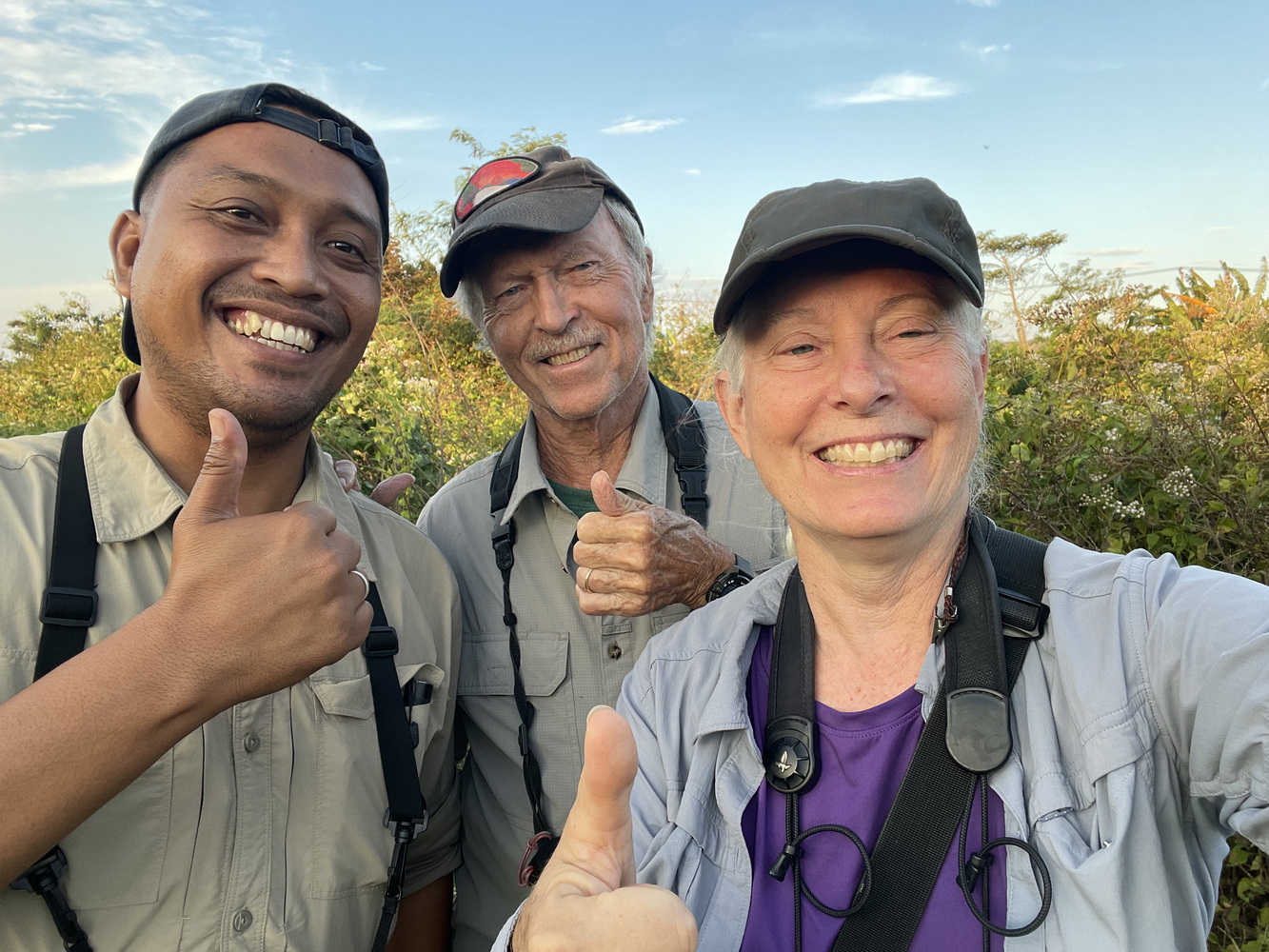
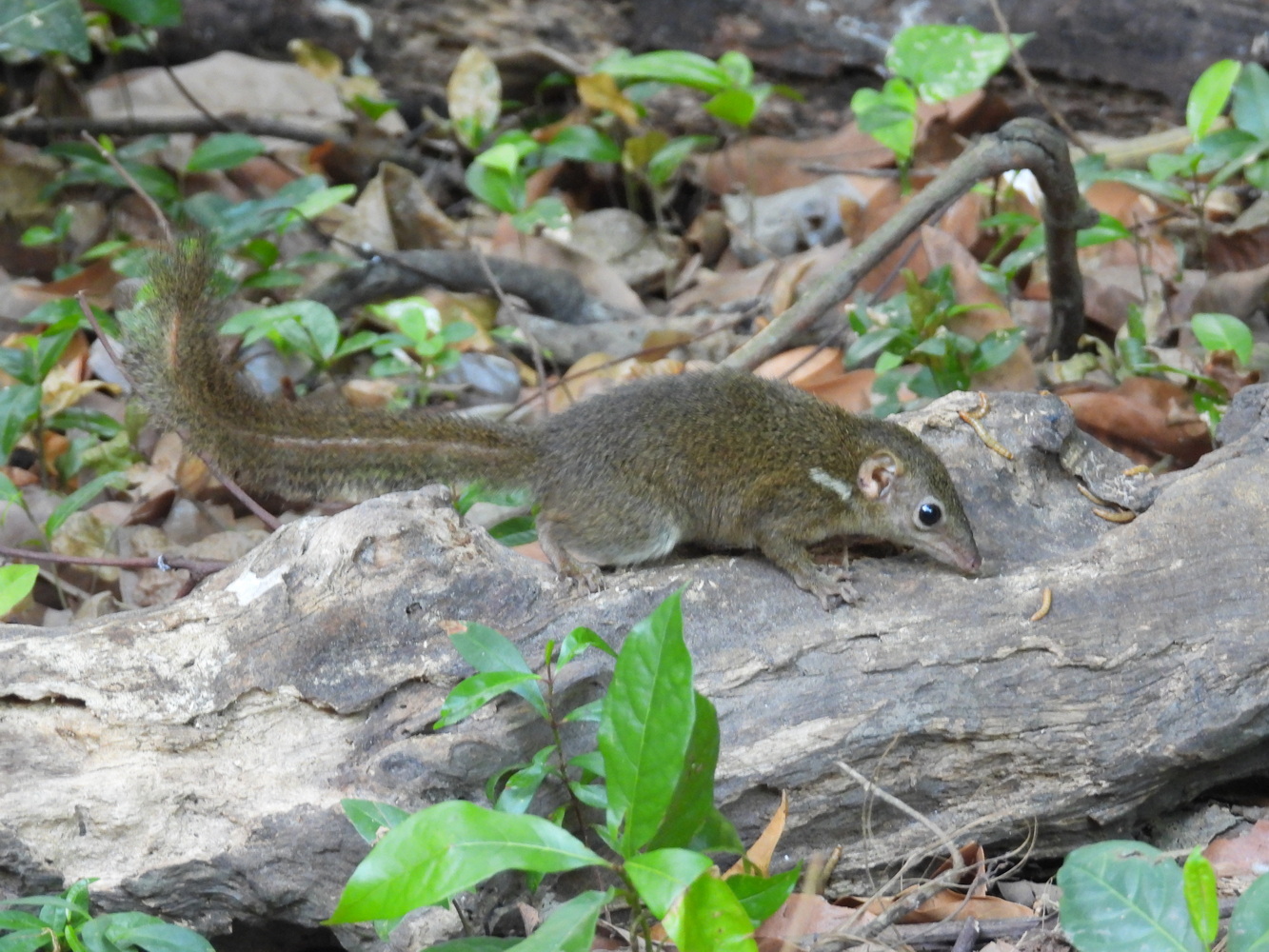
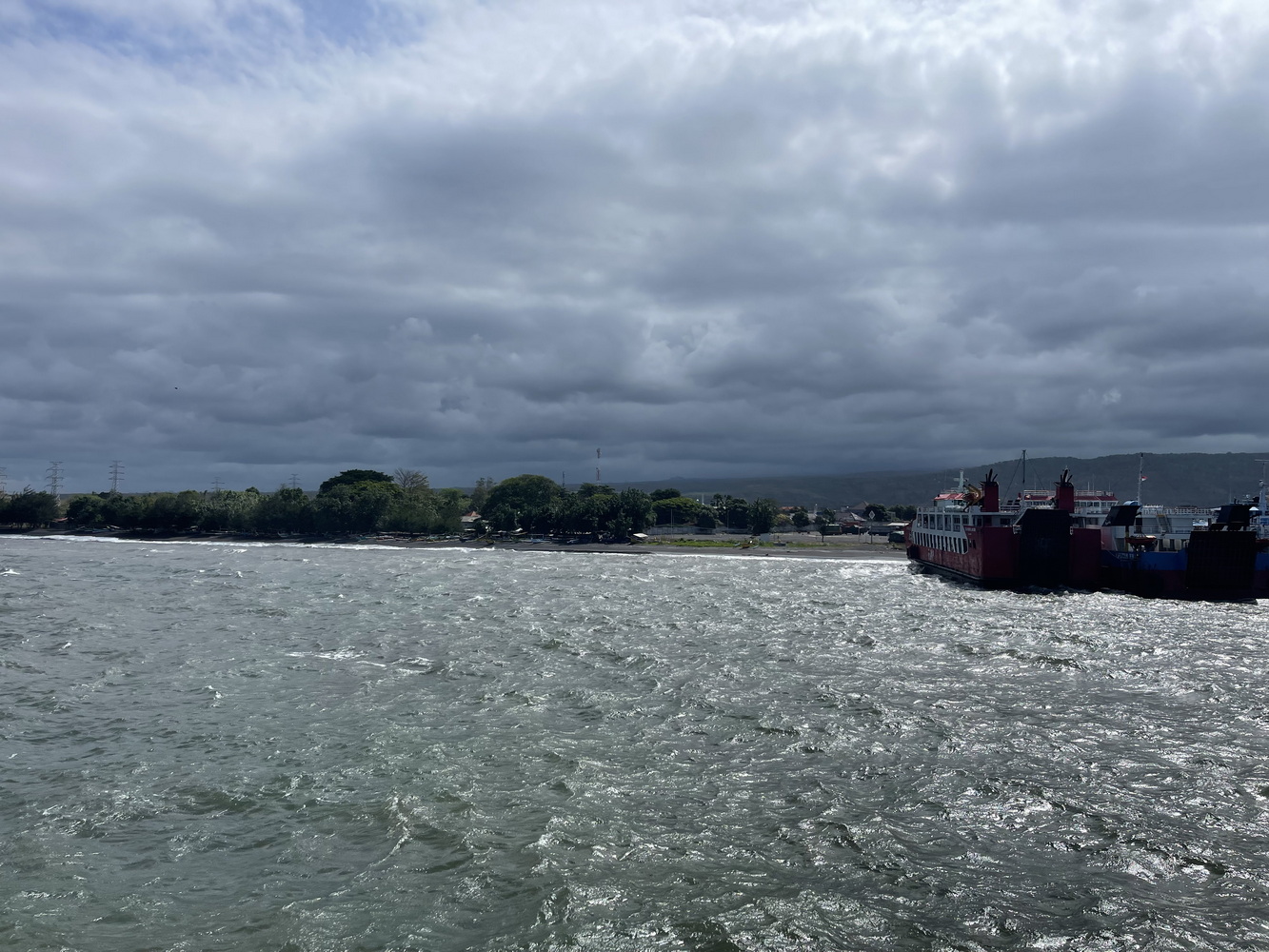
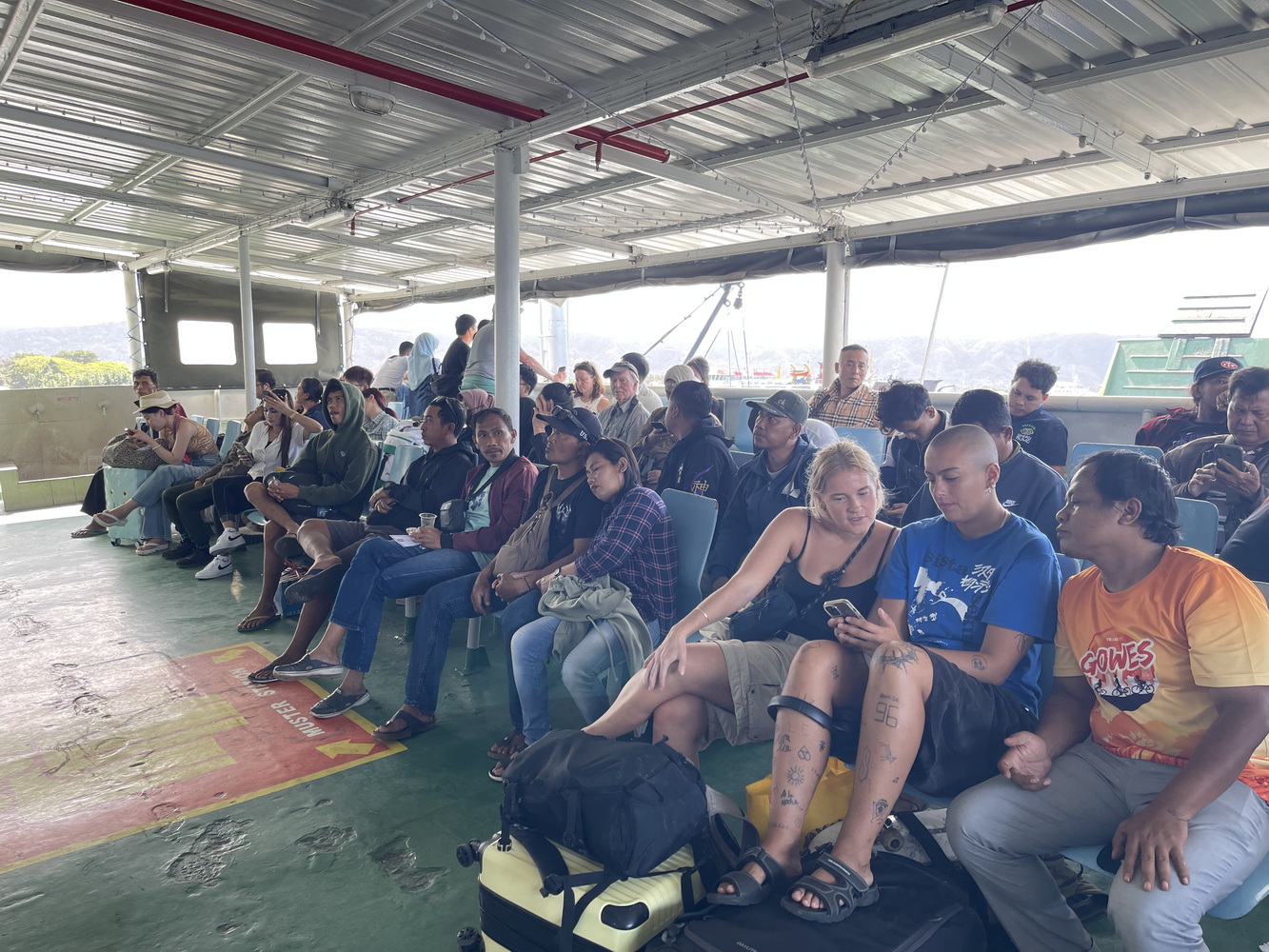
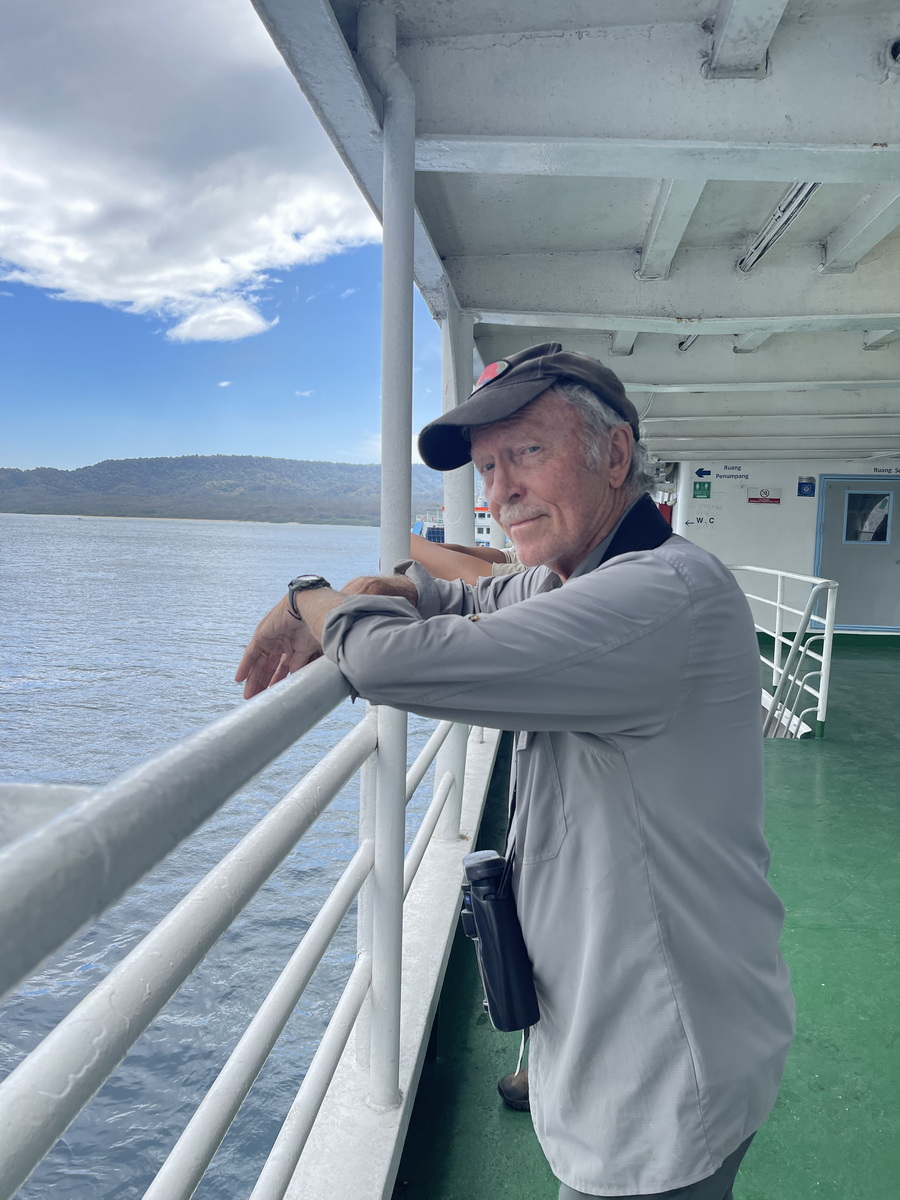
The next day, we took a ferry to Banyuwangi, on the eastern coast of Java. Lots of rain made the birding challenging here. We birded two distinct areas: the forested slopes of Mount Ijen, and the beach and grassland of Alas Purwo National Park. ‘Alas Purwo’ means ‘first forest’ – according to local beliefs, this was the first area of land to emerge from the ocean at the dawn of time.
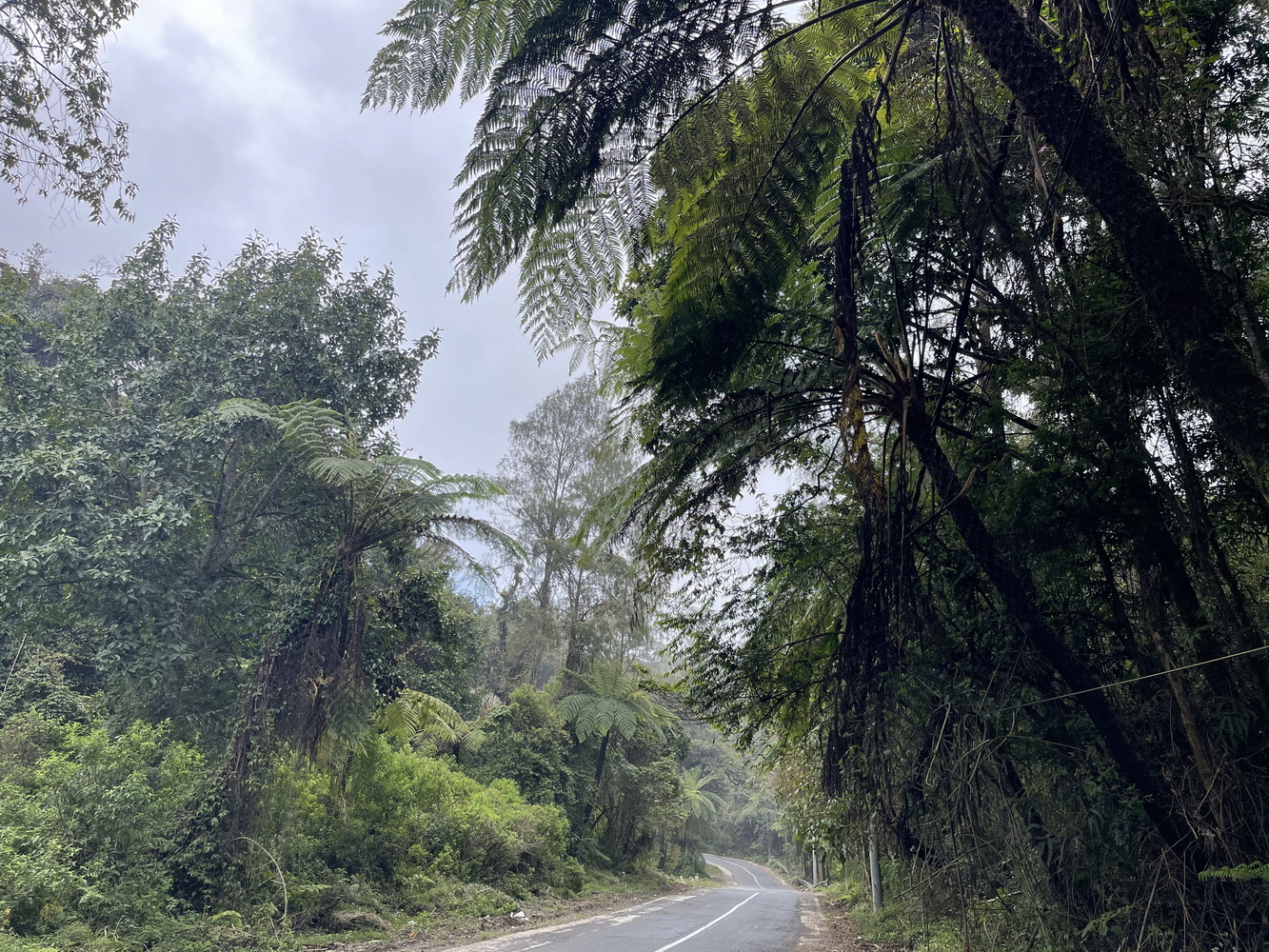
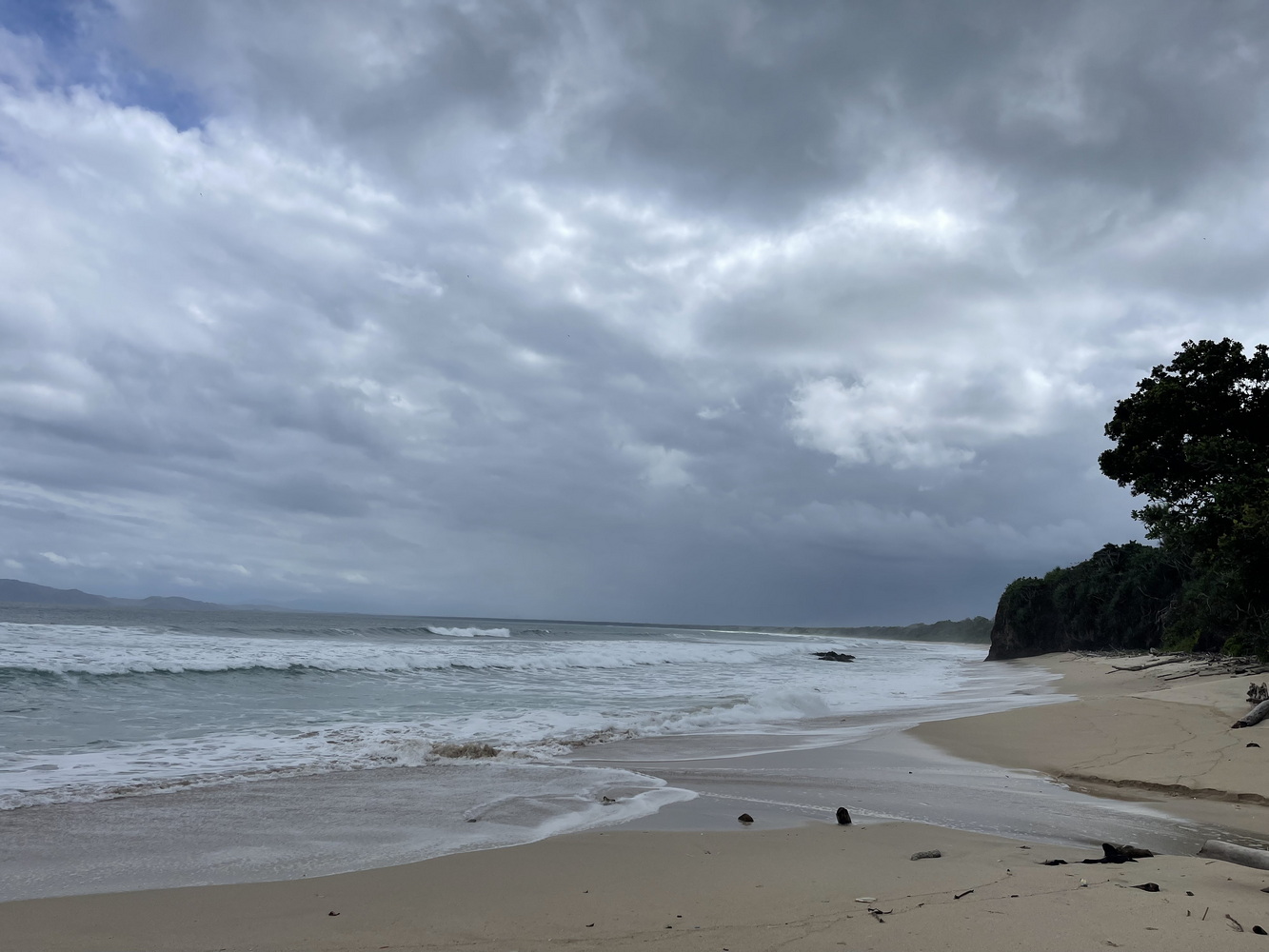
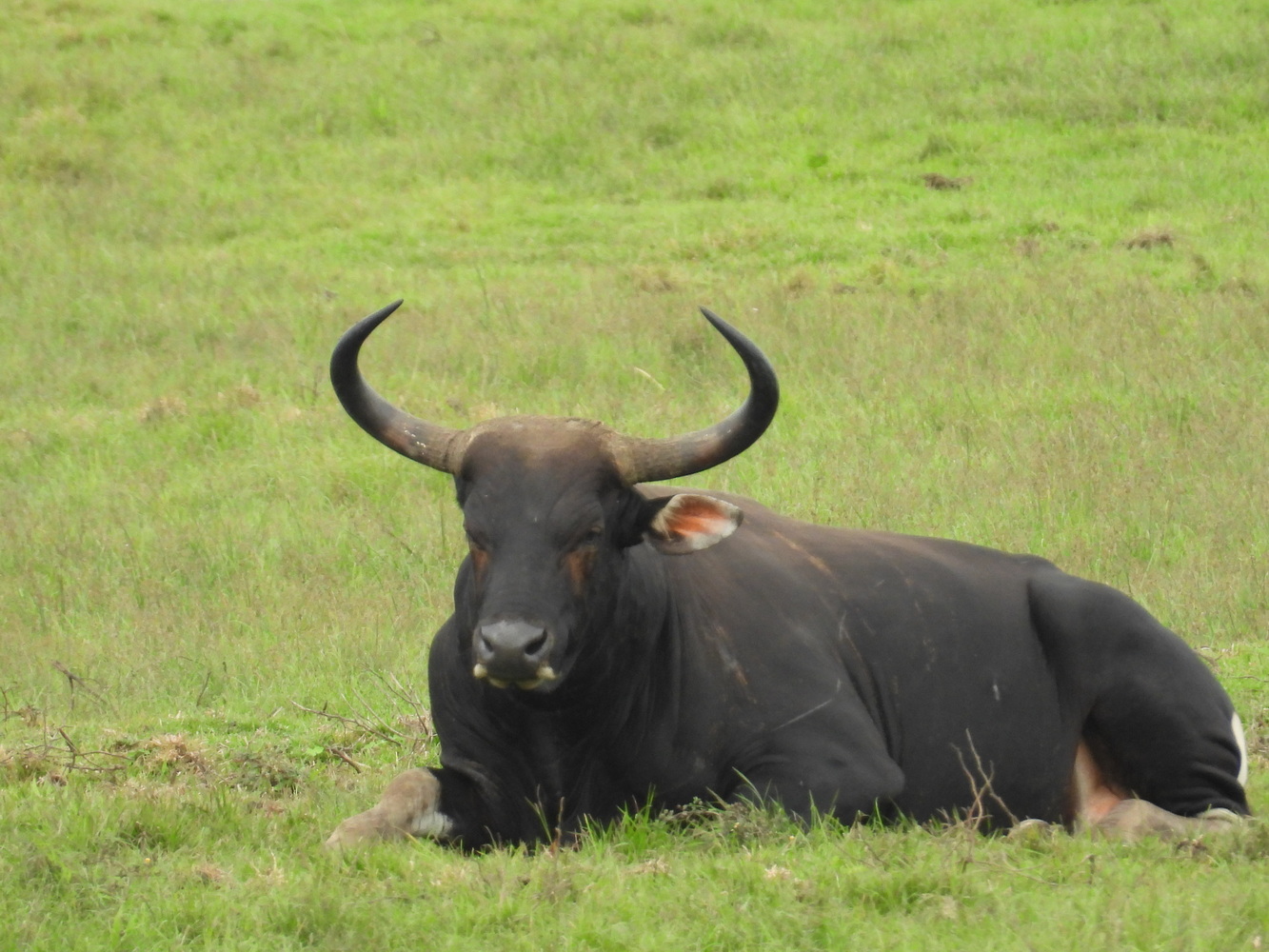
This is the bull.
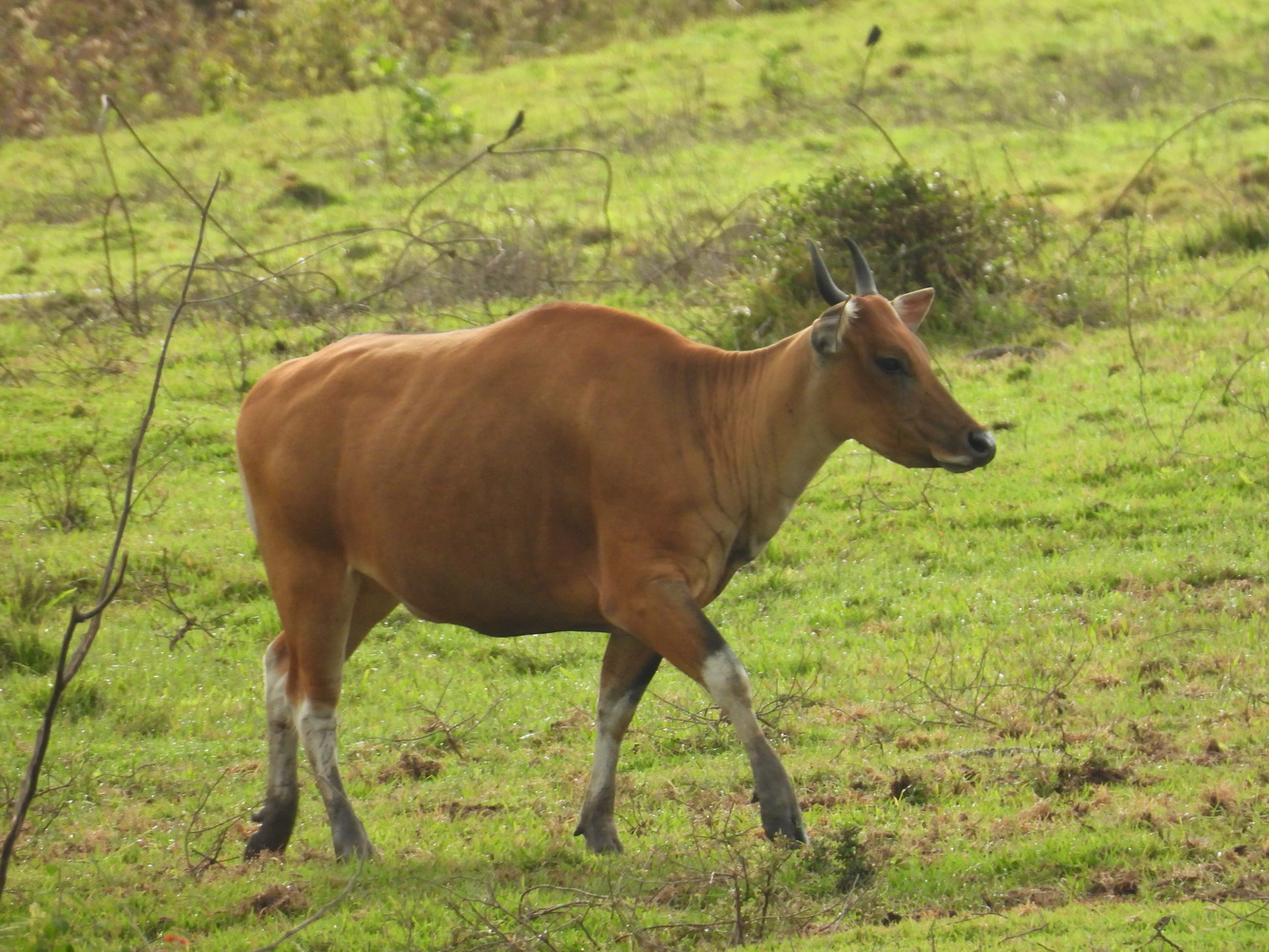
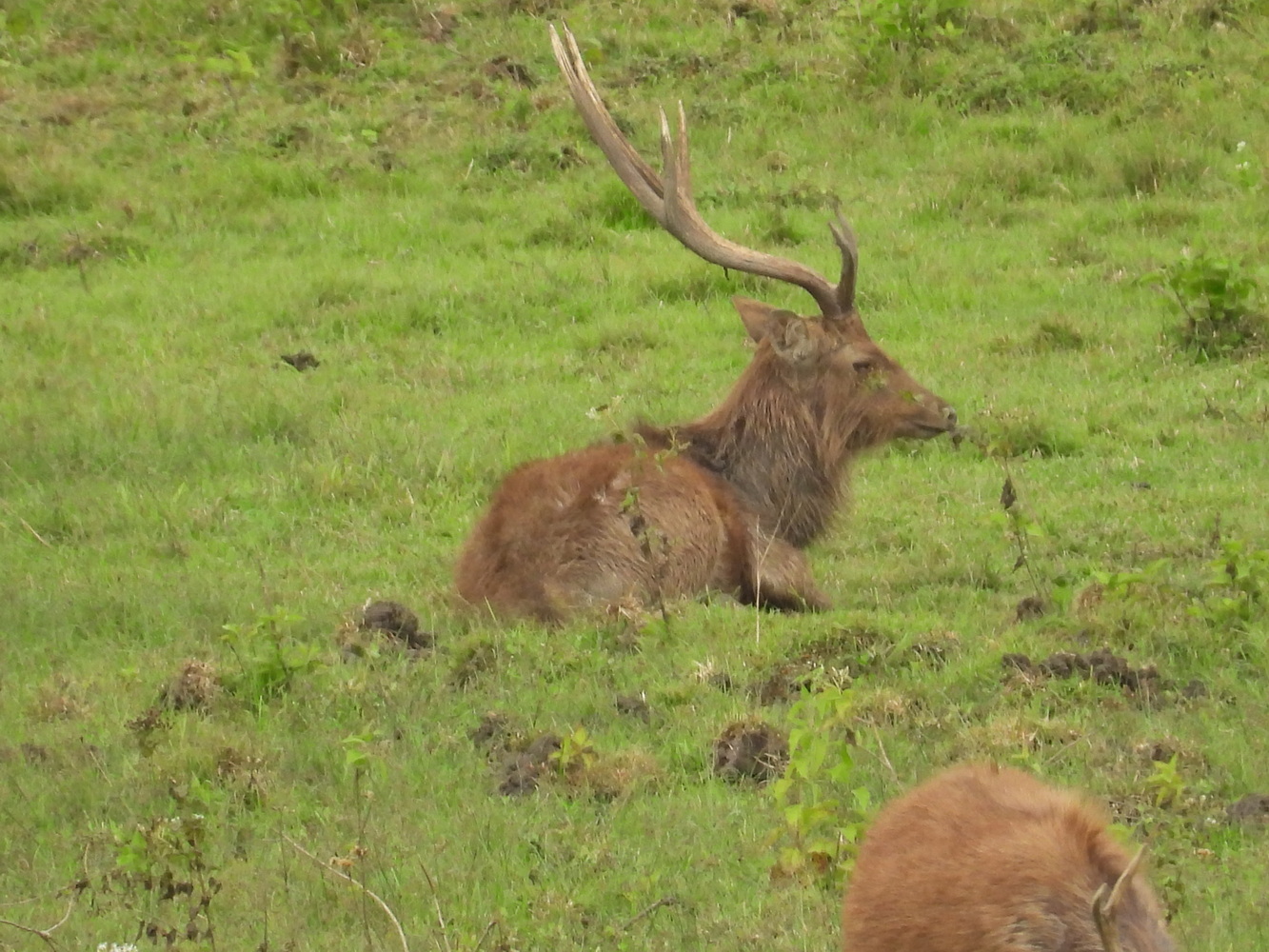
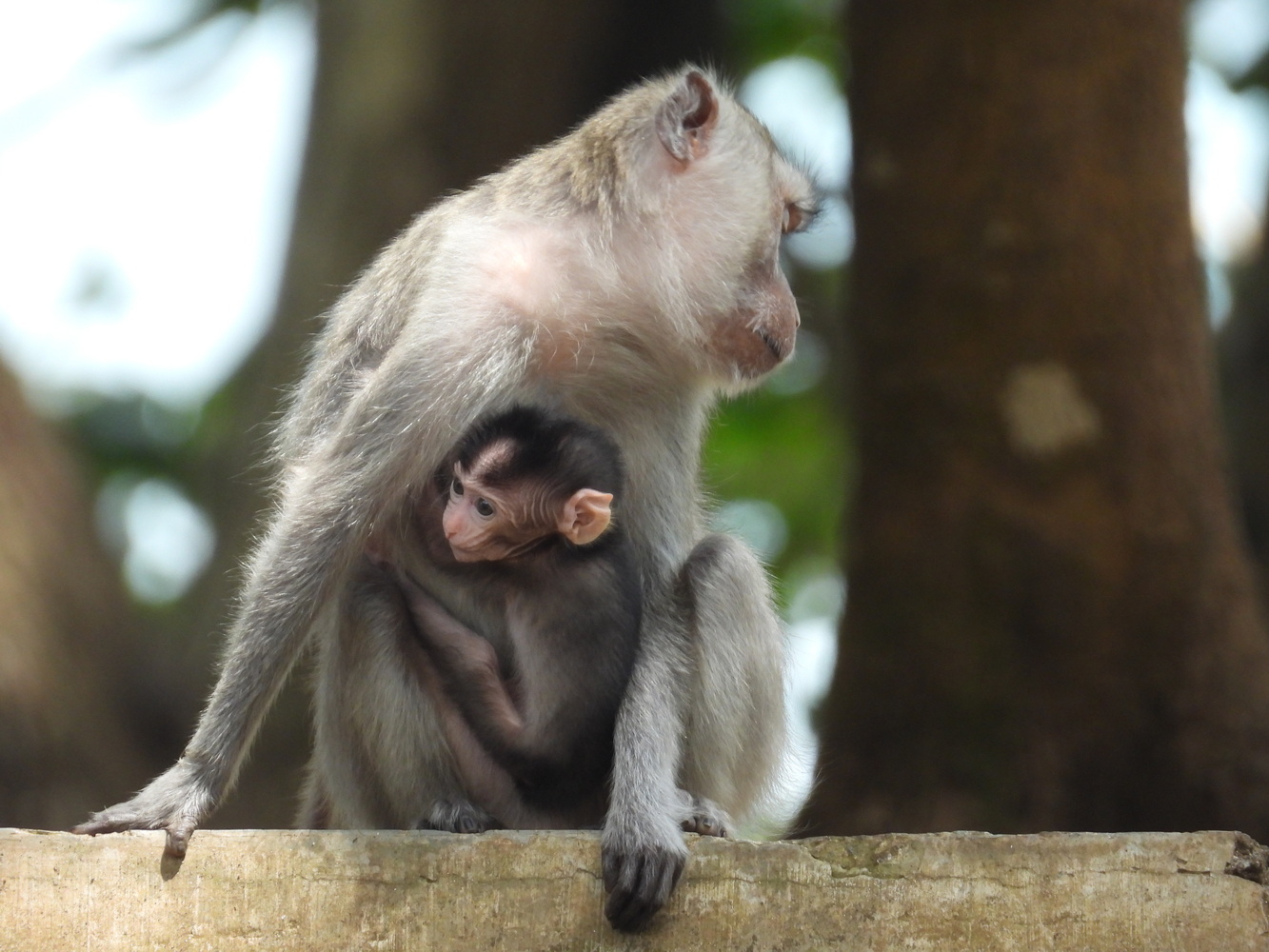
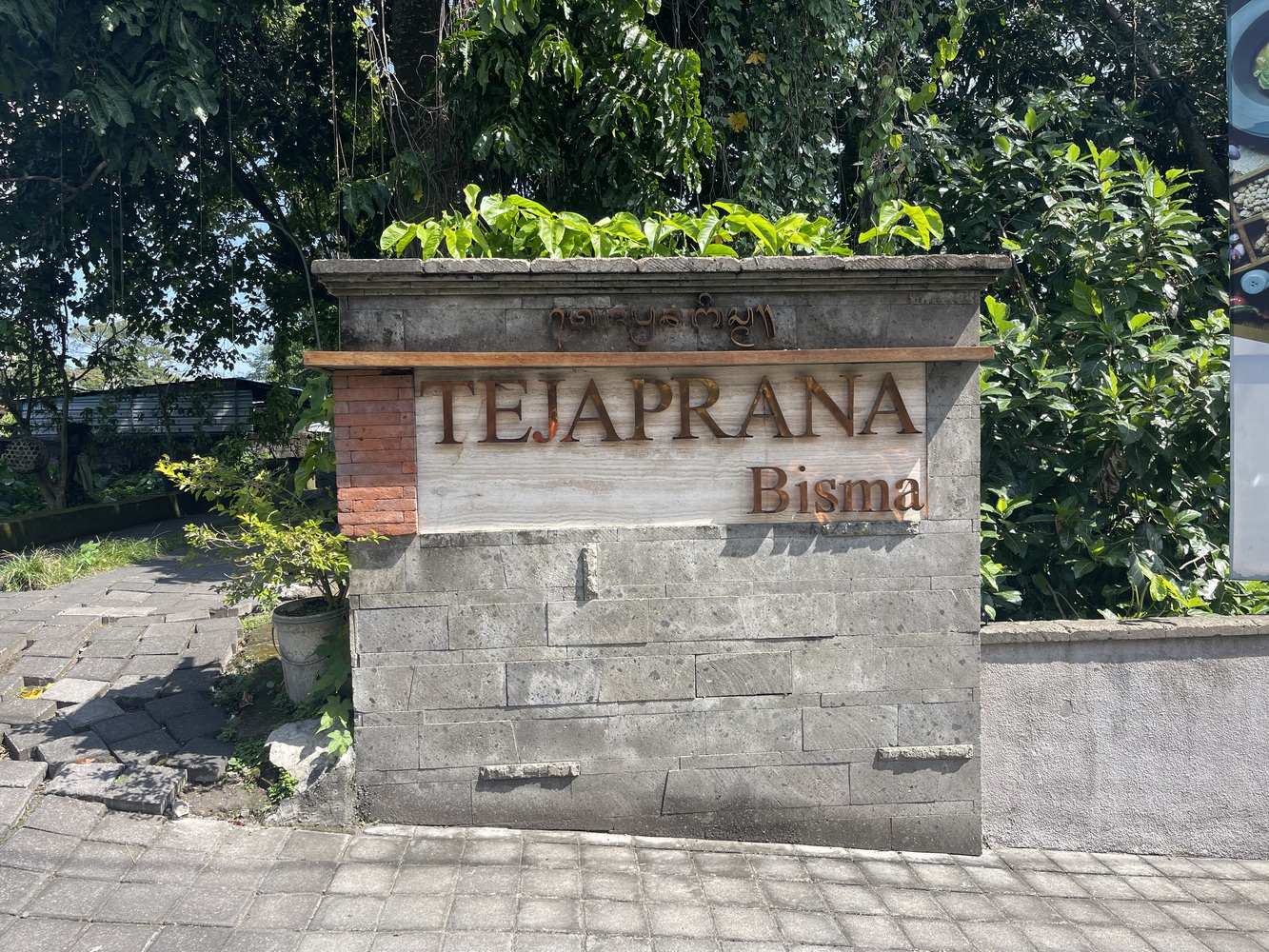
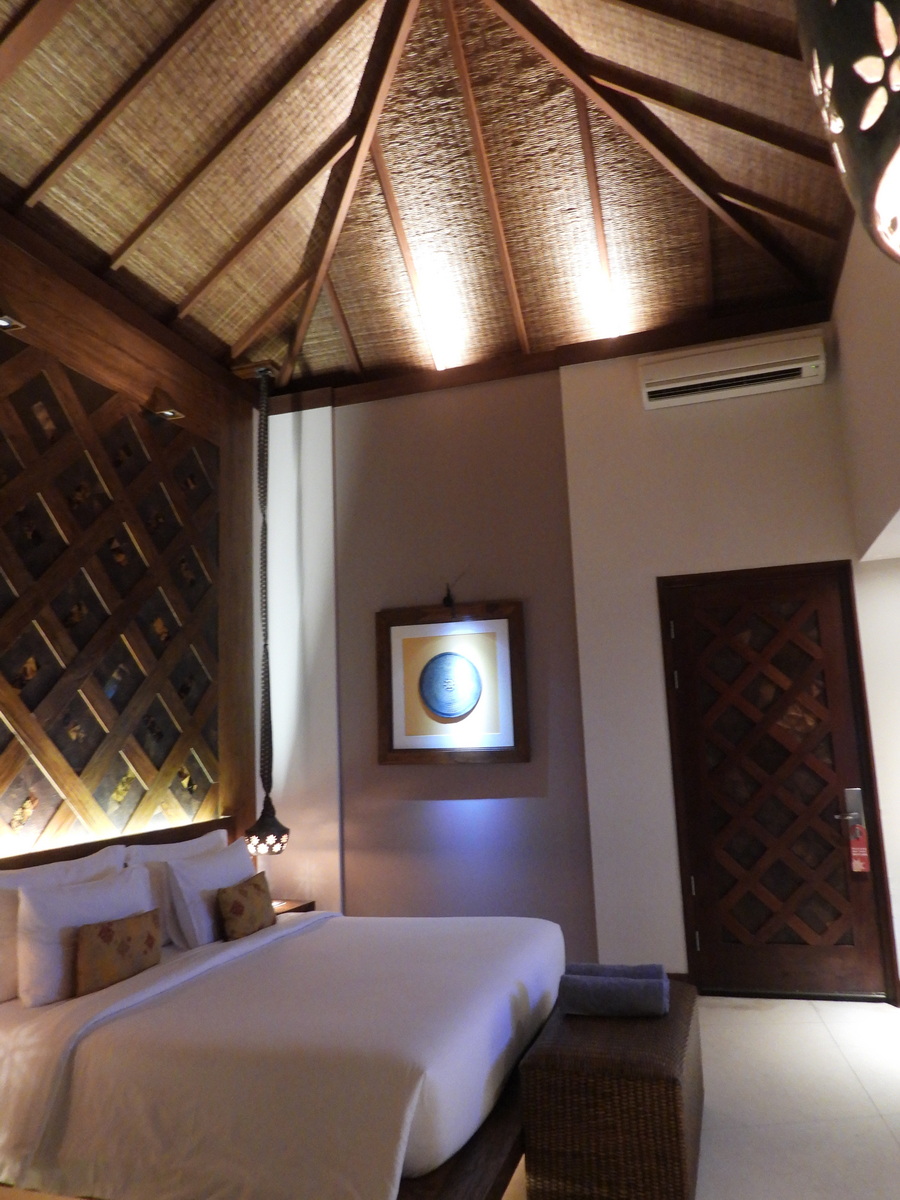
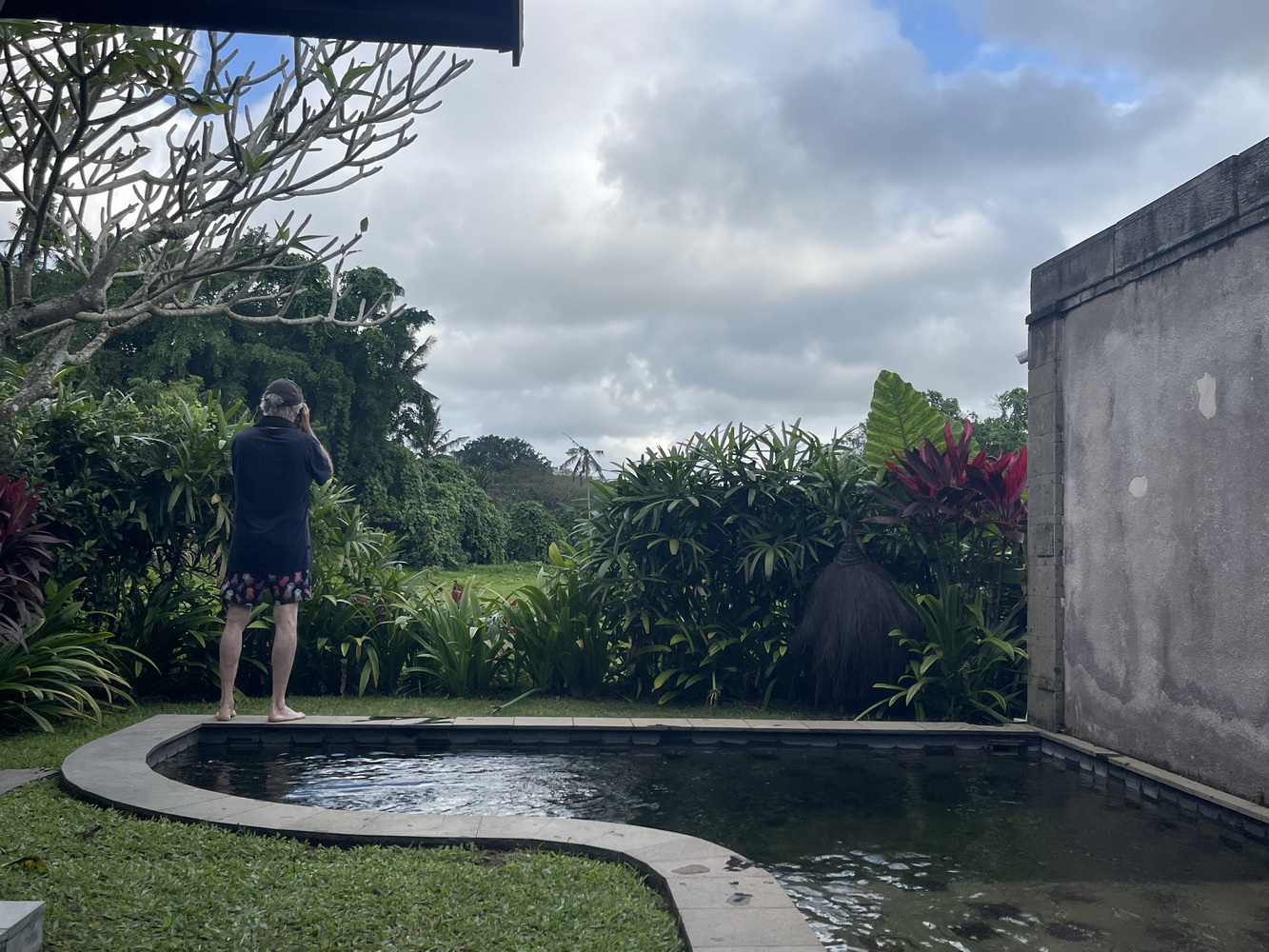
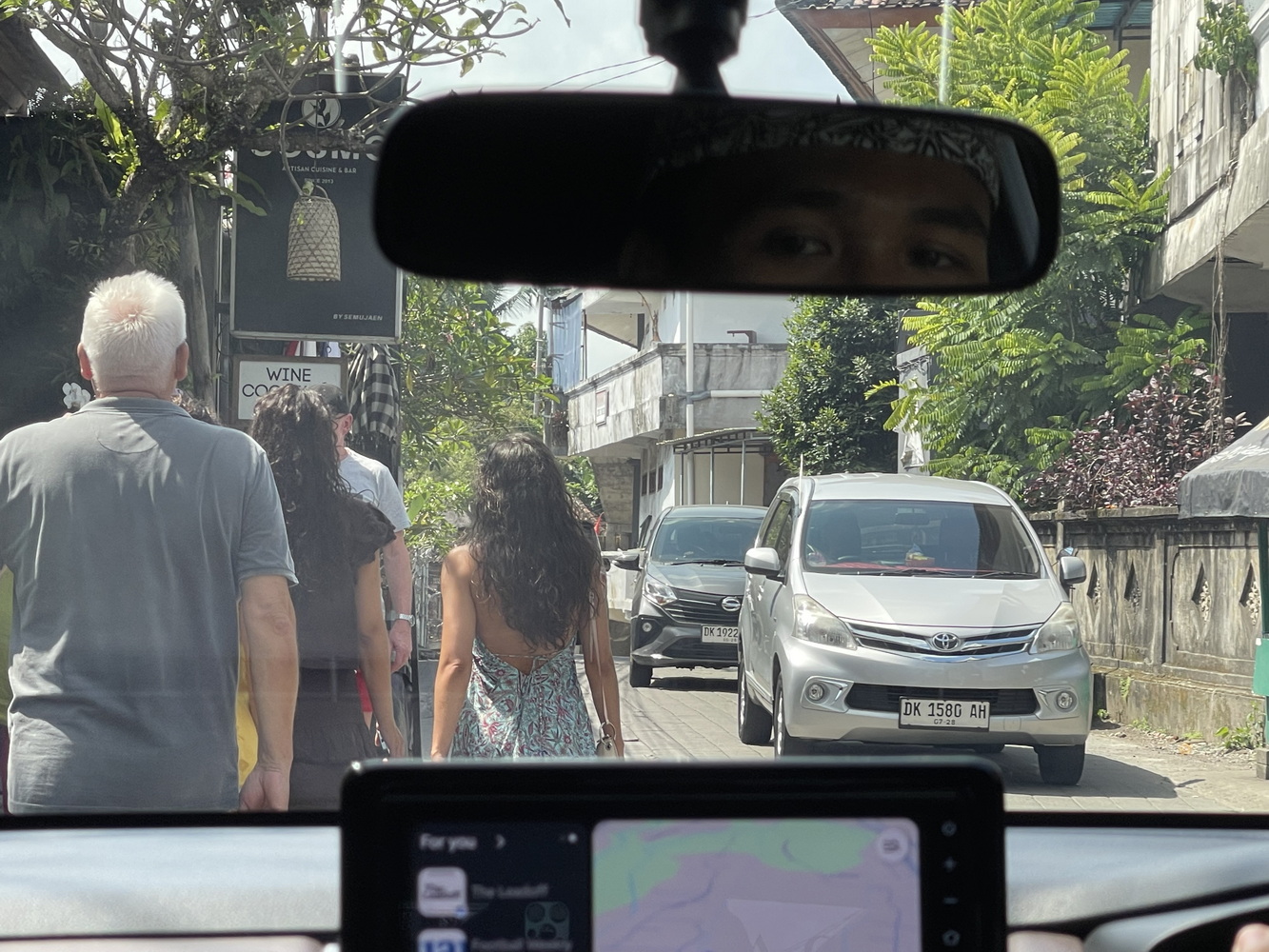
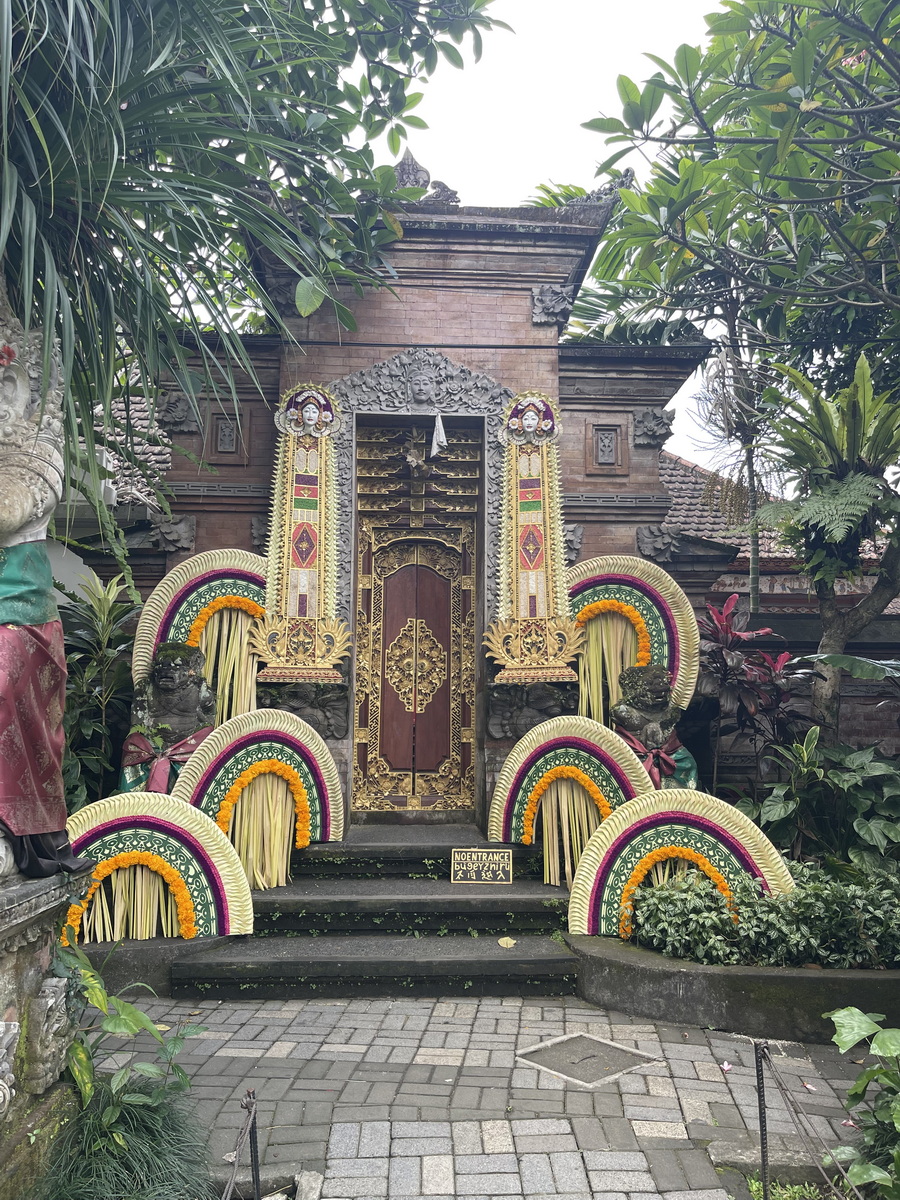
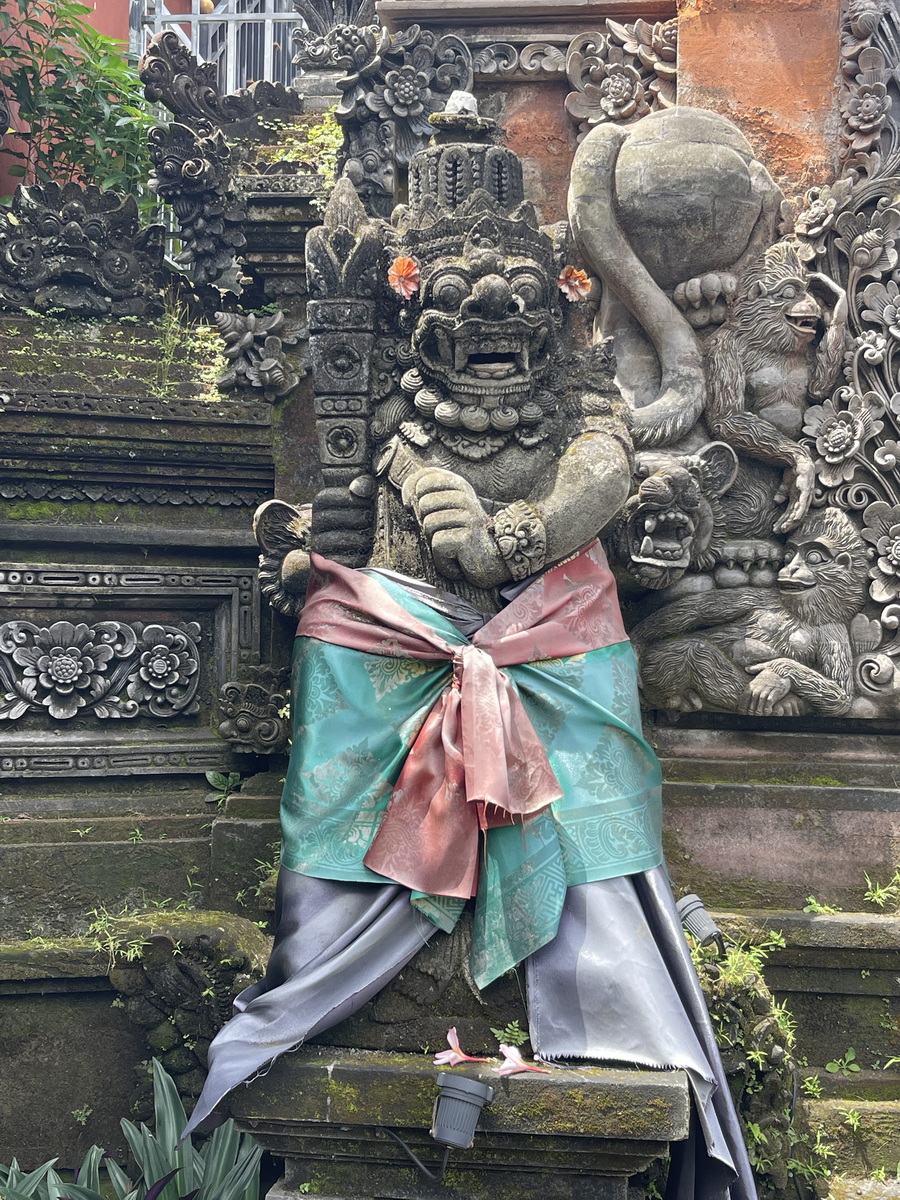
The ferry back to Bali took more than twice as long as going over to Java, which put us into the heavy traffic time of day. So it was almost 8:30 p.m. when we reached Ubud and our hotel, the Tejaprana Bisma. It too was very luxurious. We relaxed here, and braved the massive crowds of tourists on the streets as we tried to see a bit of the culture and art.
Birding Highlights
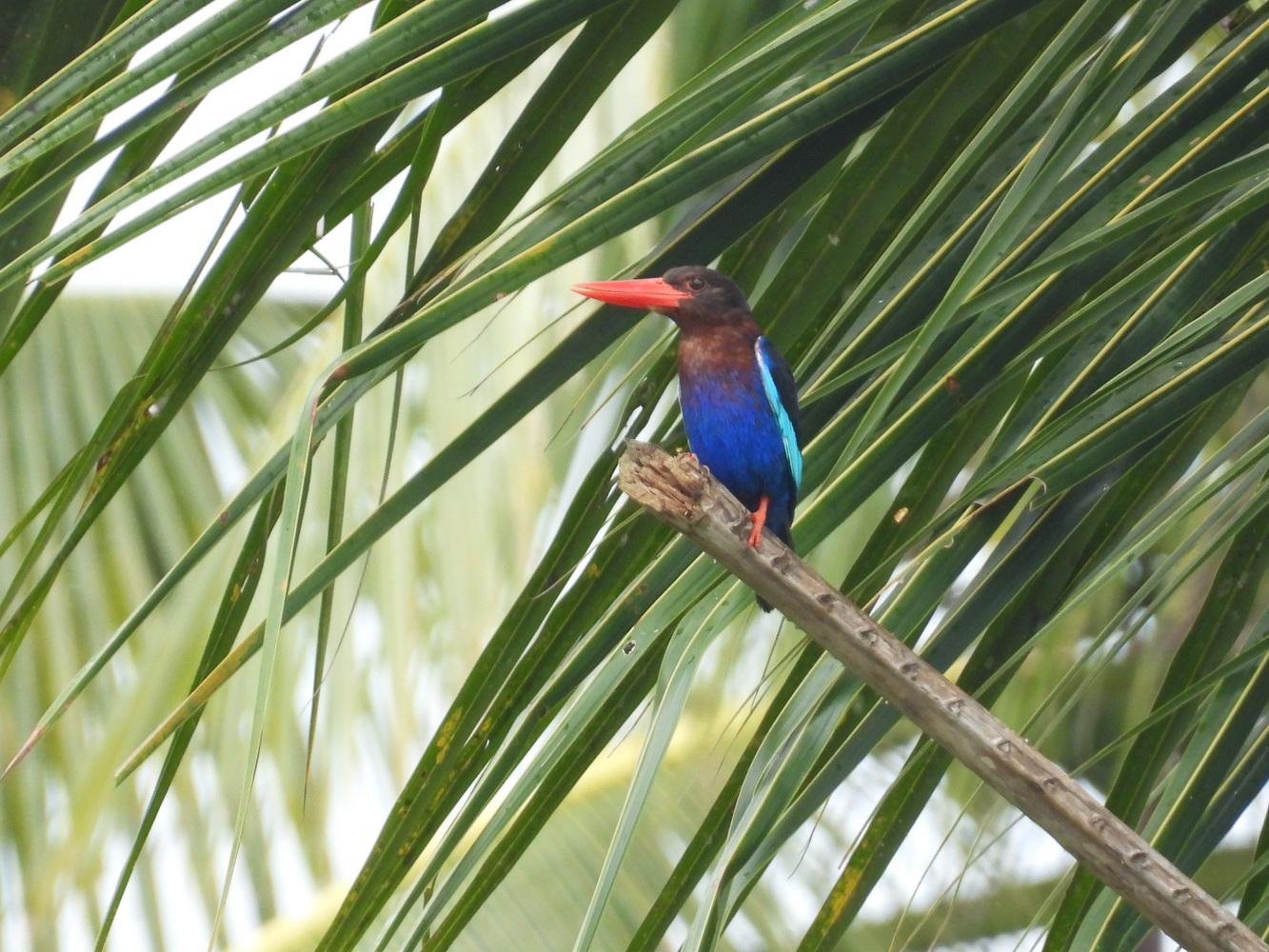
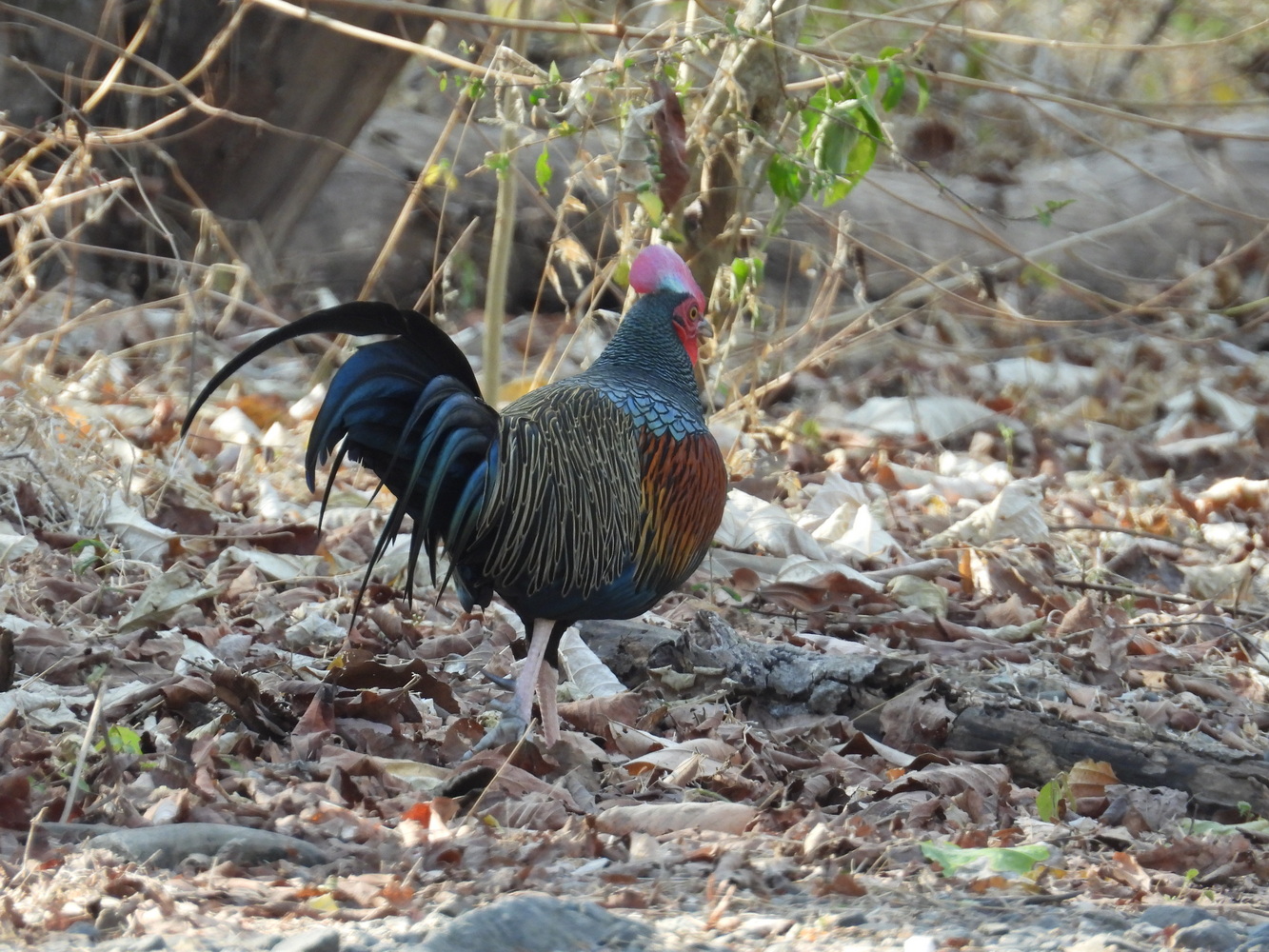
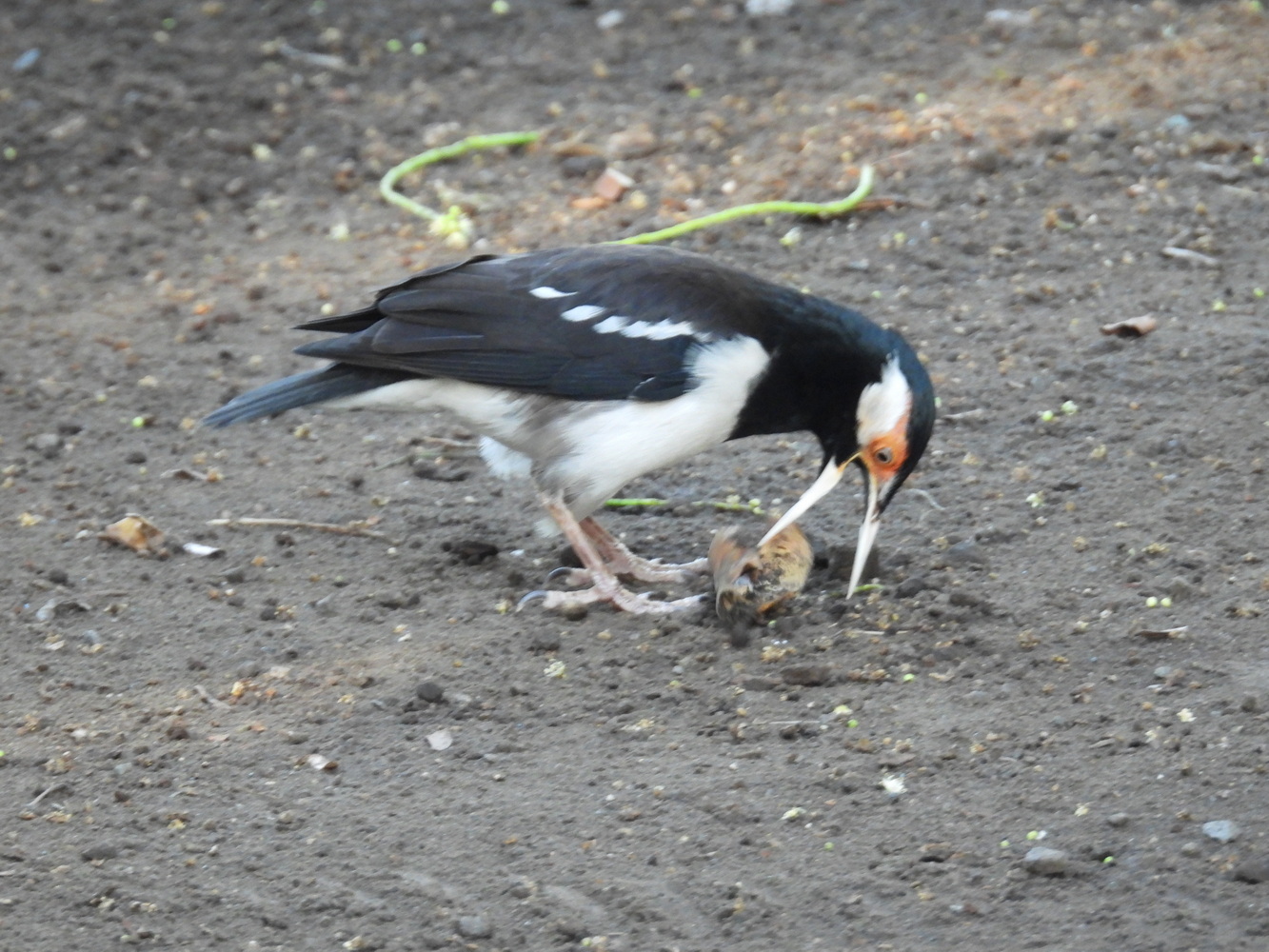
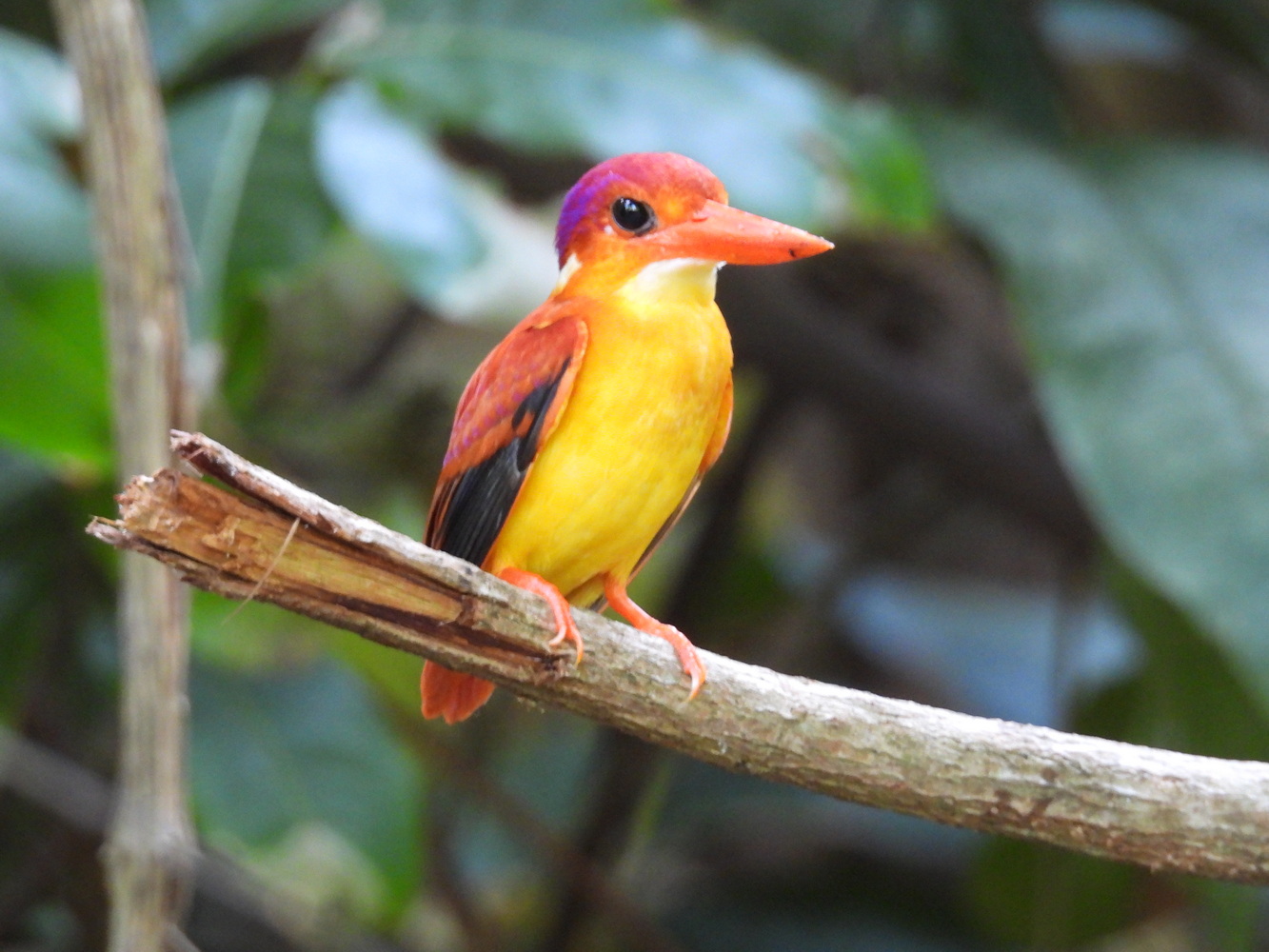
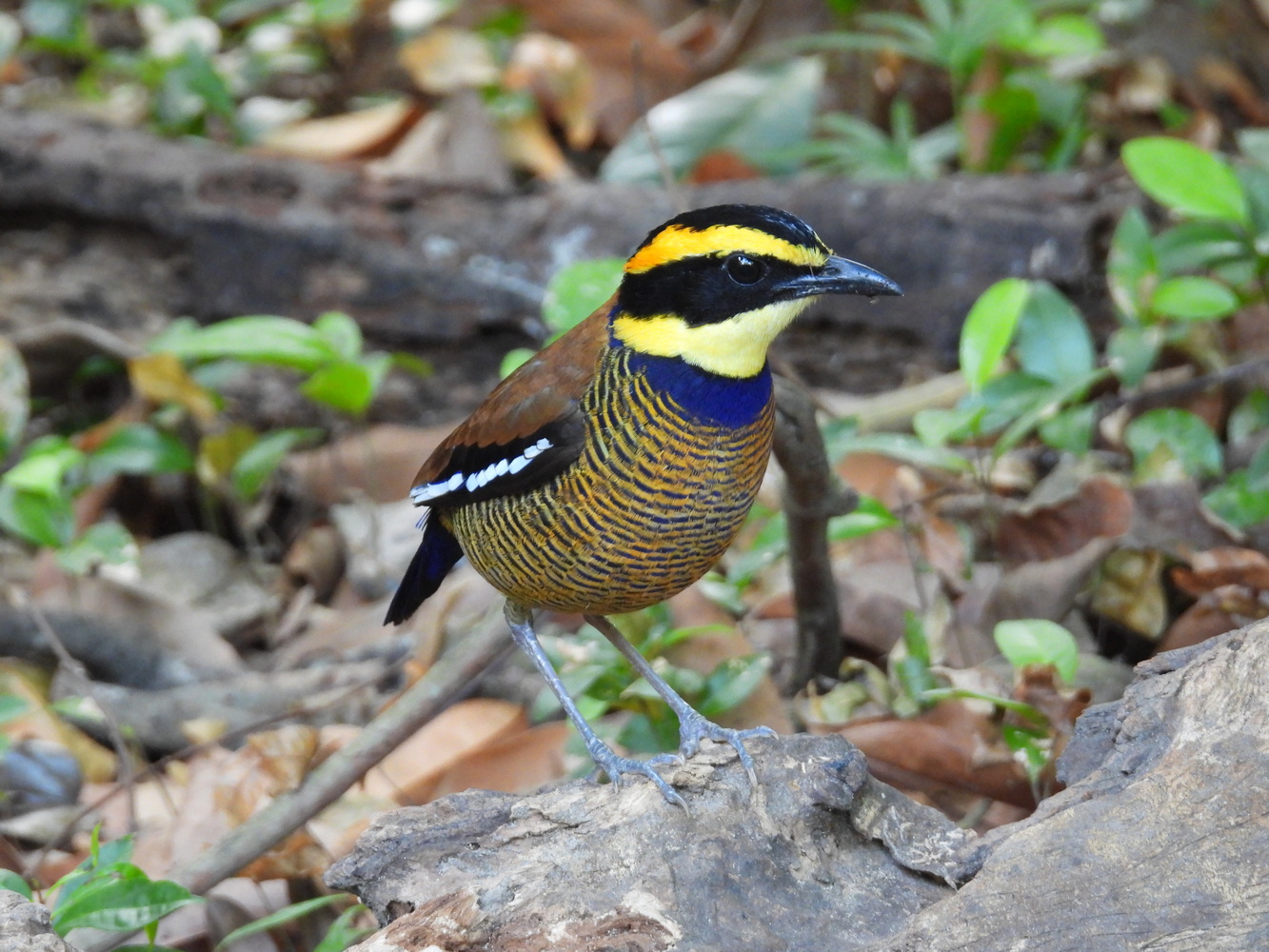
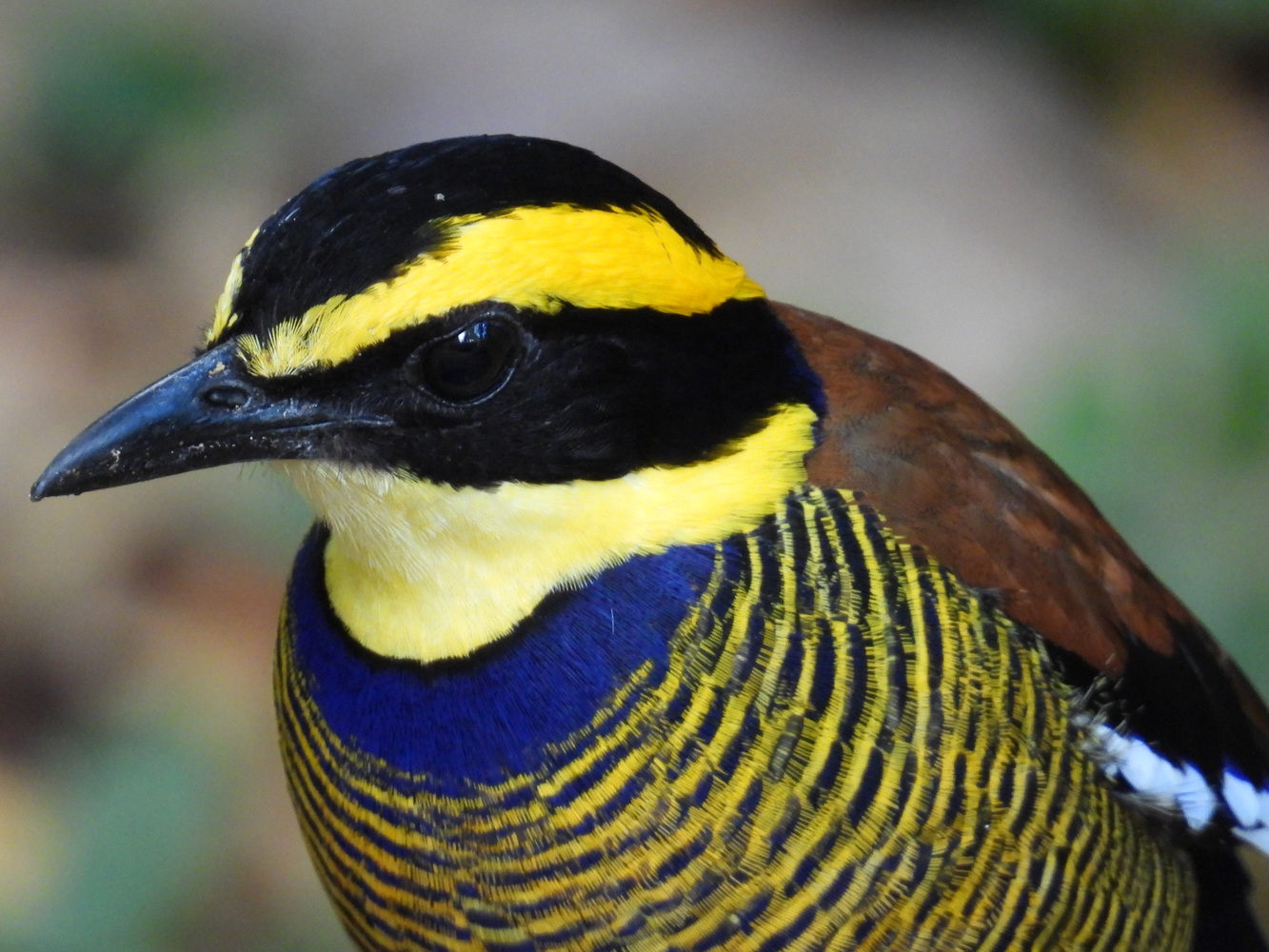
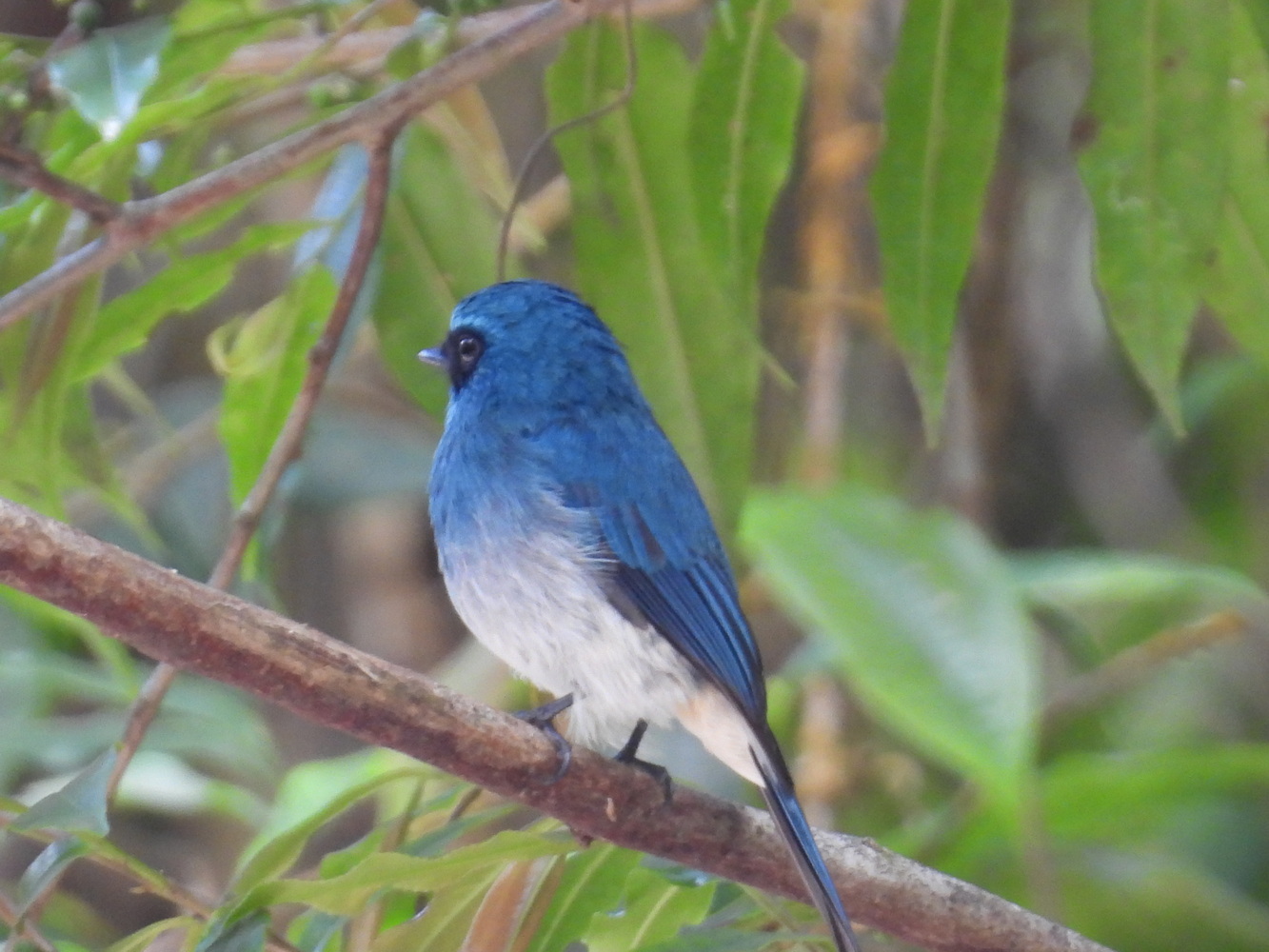
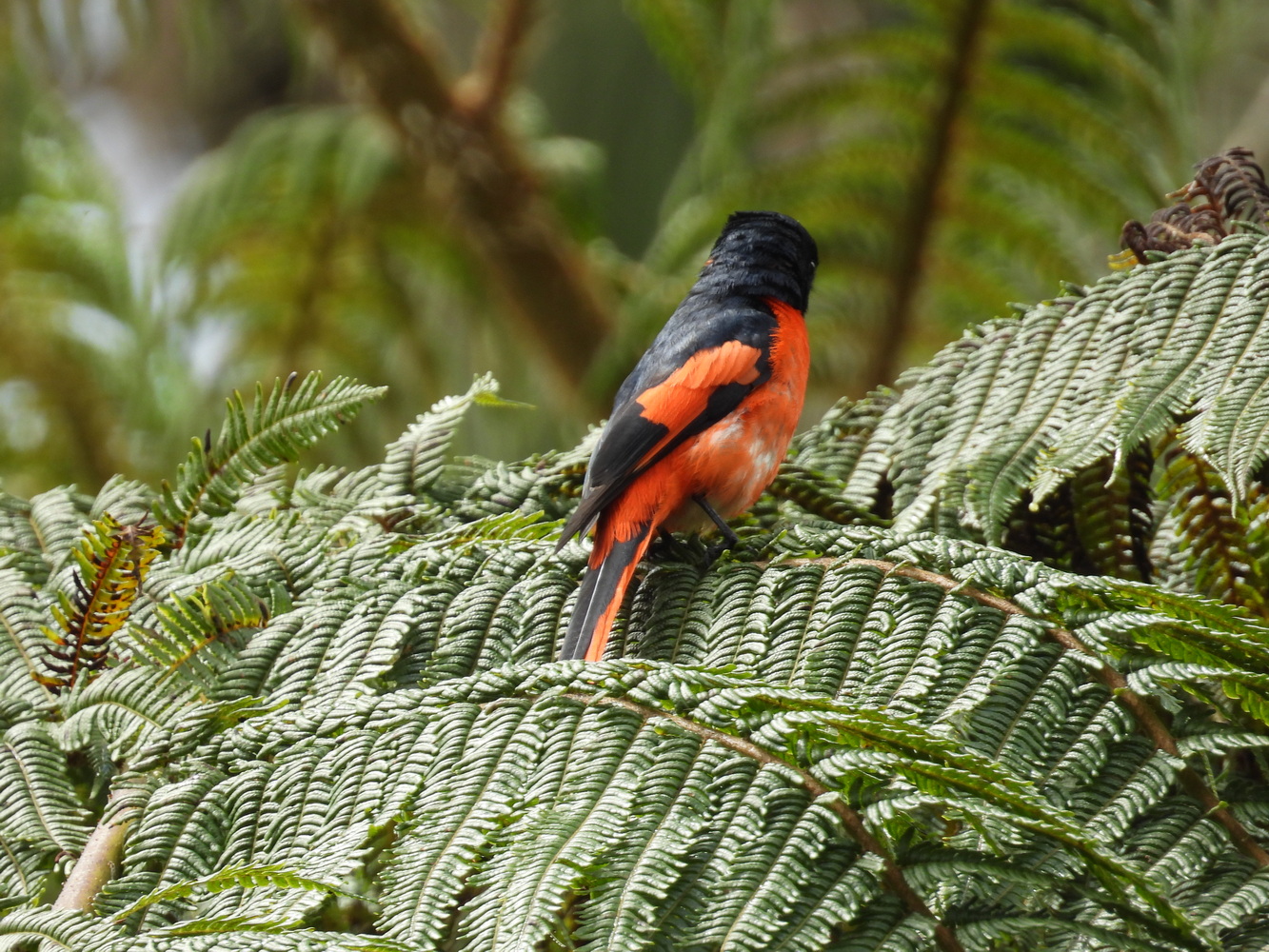
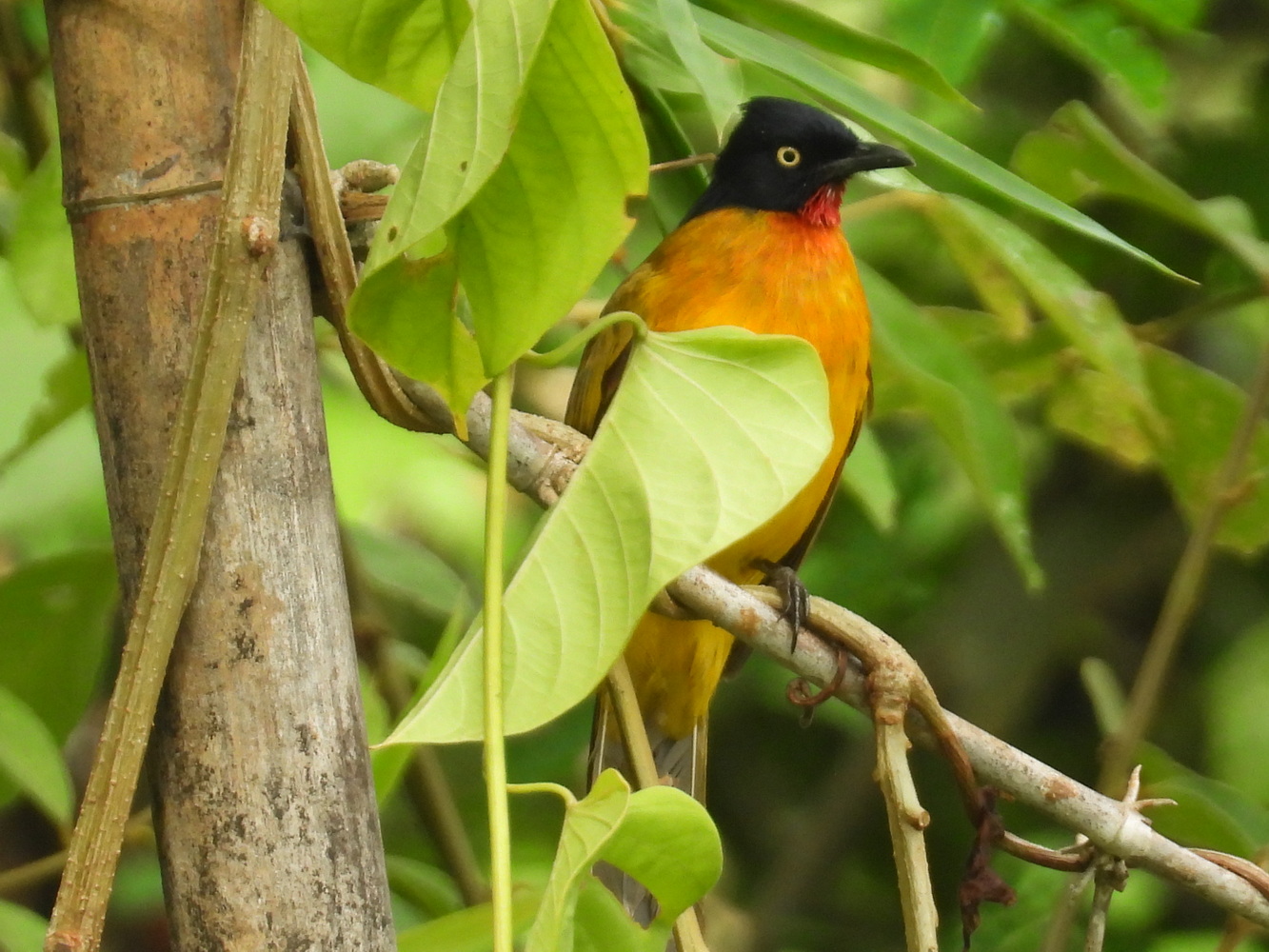
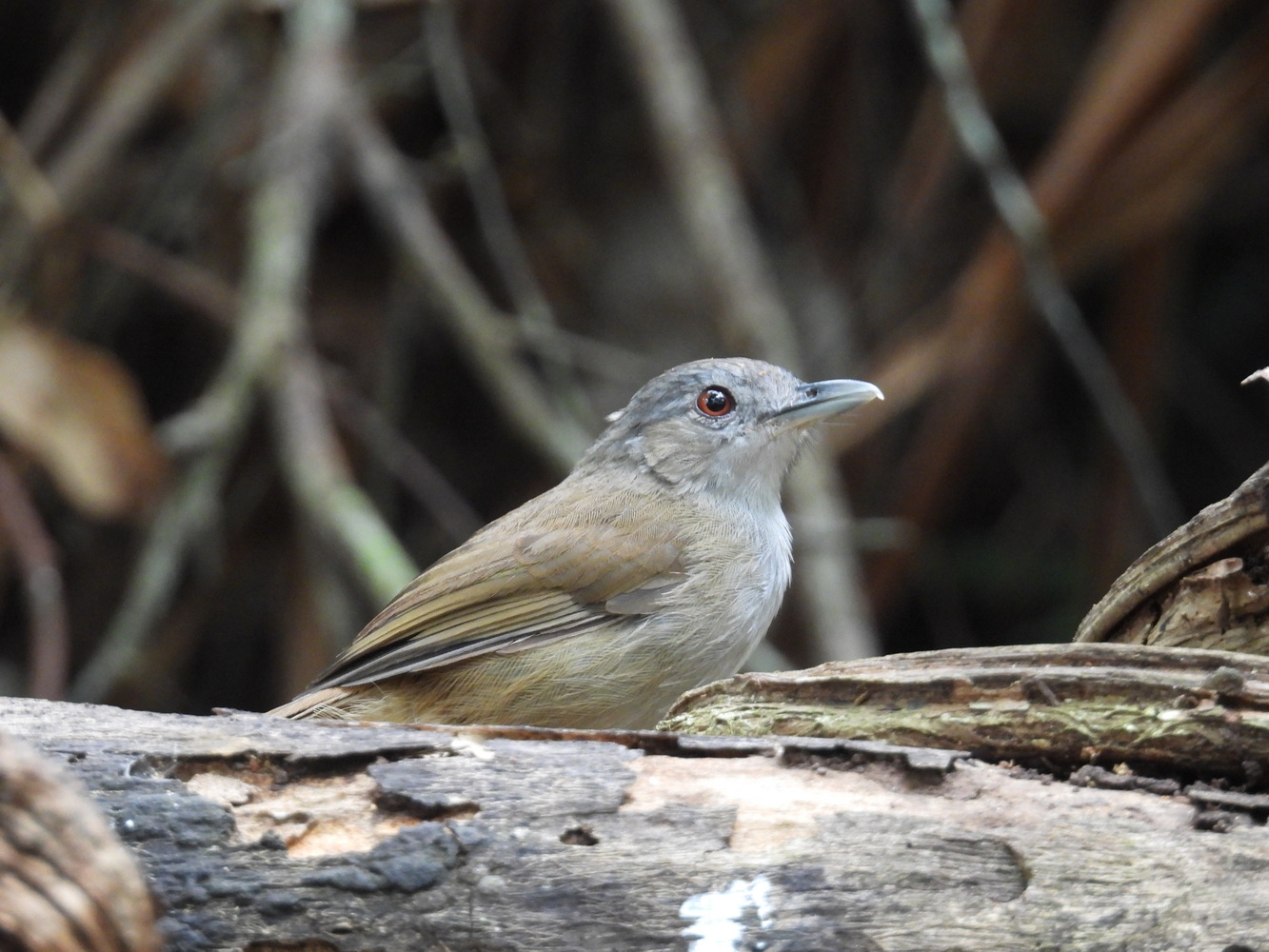
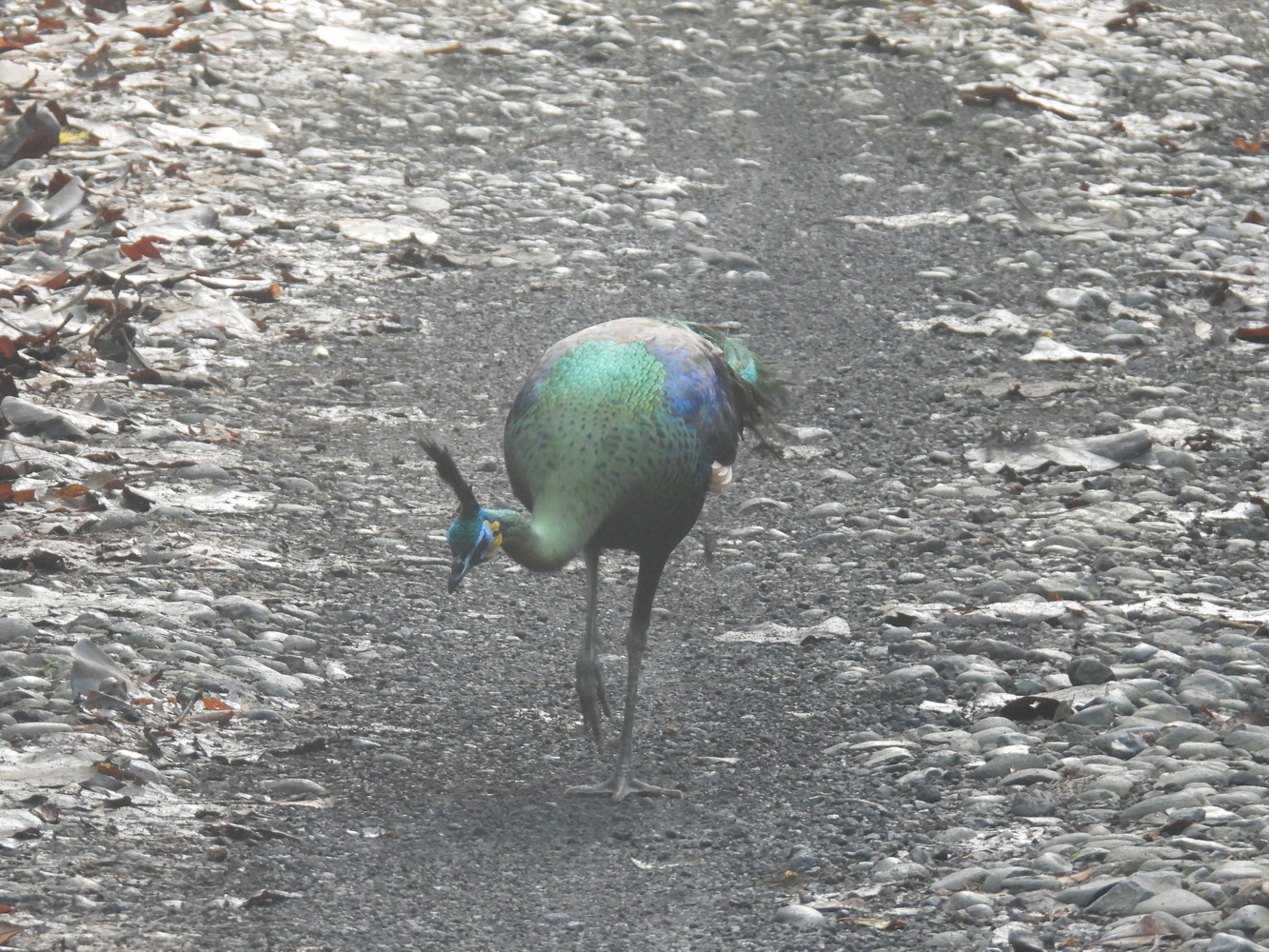
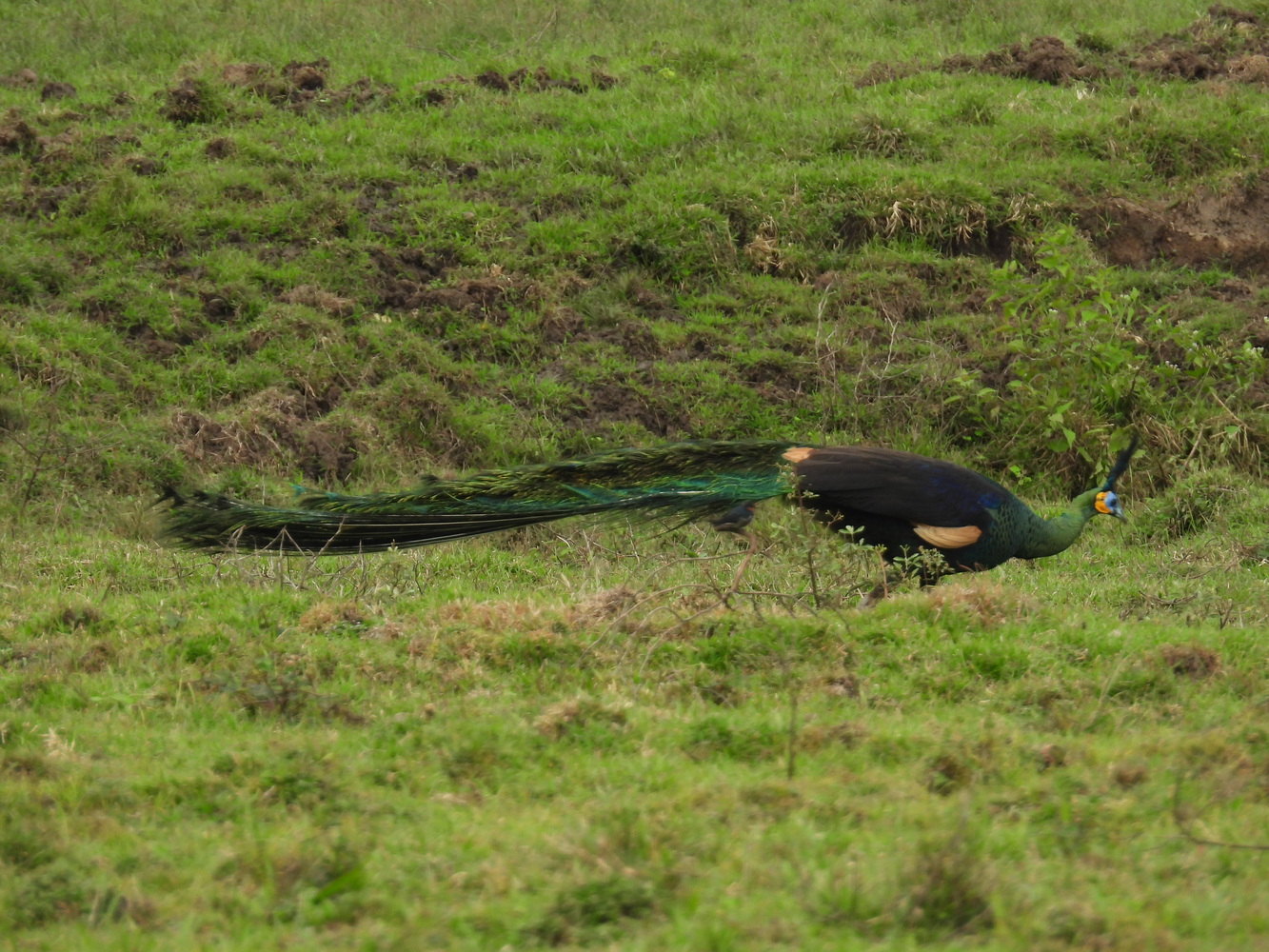
These two islands are much more heavily-populated than Sulawesi and Halmahera, so there is a lot of pressure on birds, wildlife and natural areas. We were fortunate to have great local guides who were able to help us see some of the most special ones.
Returning Home
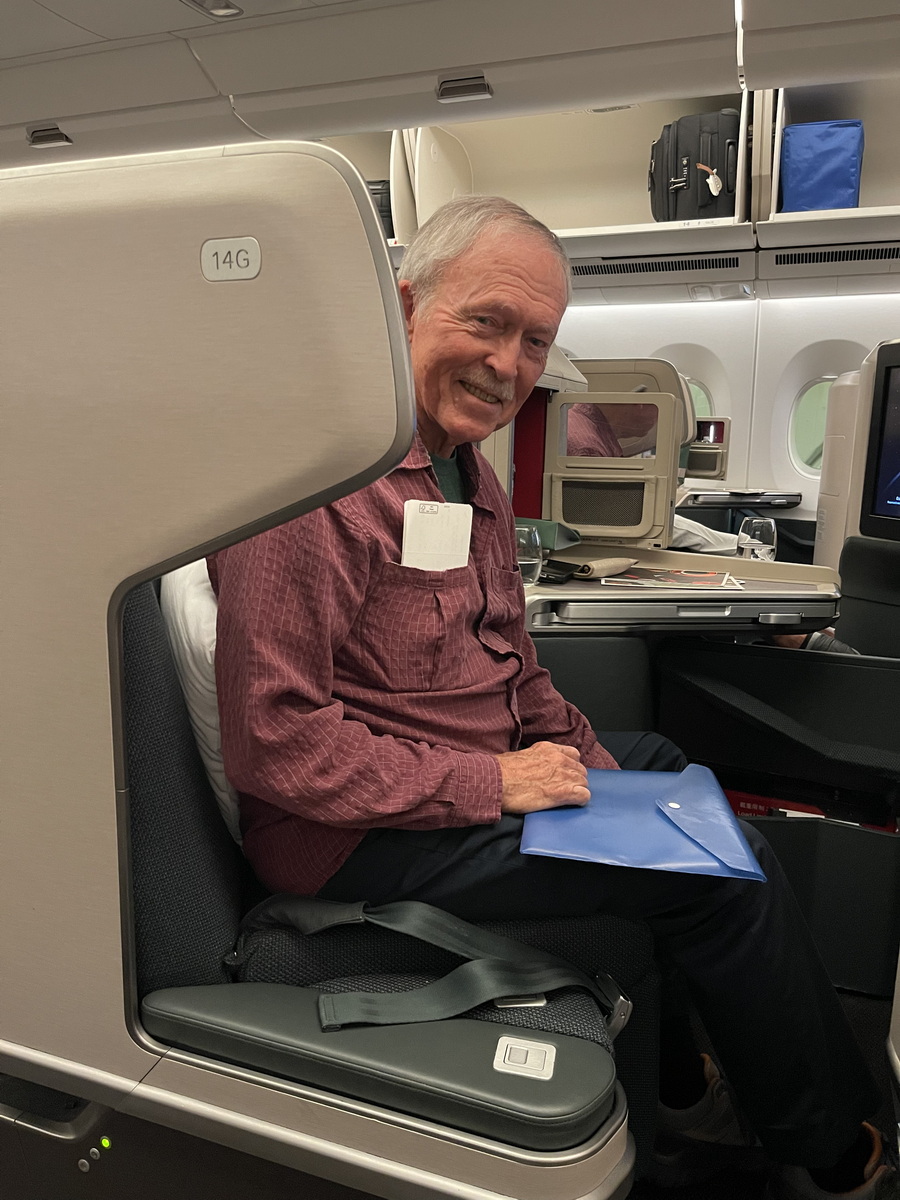
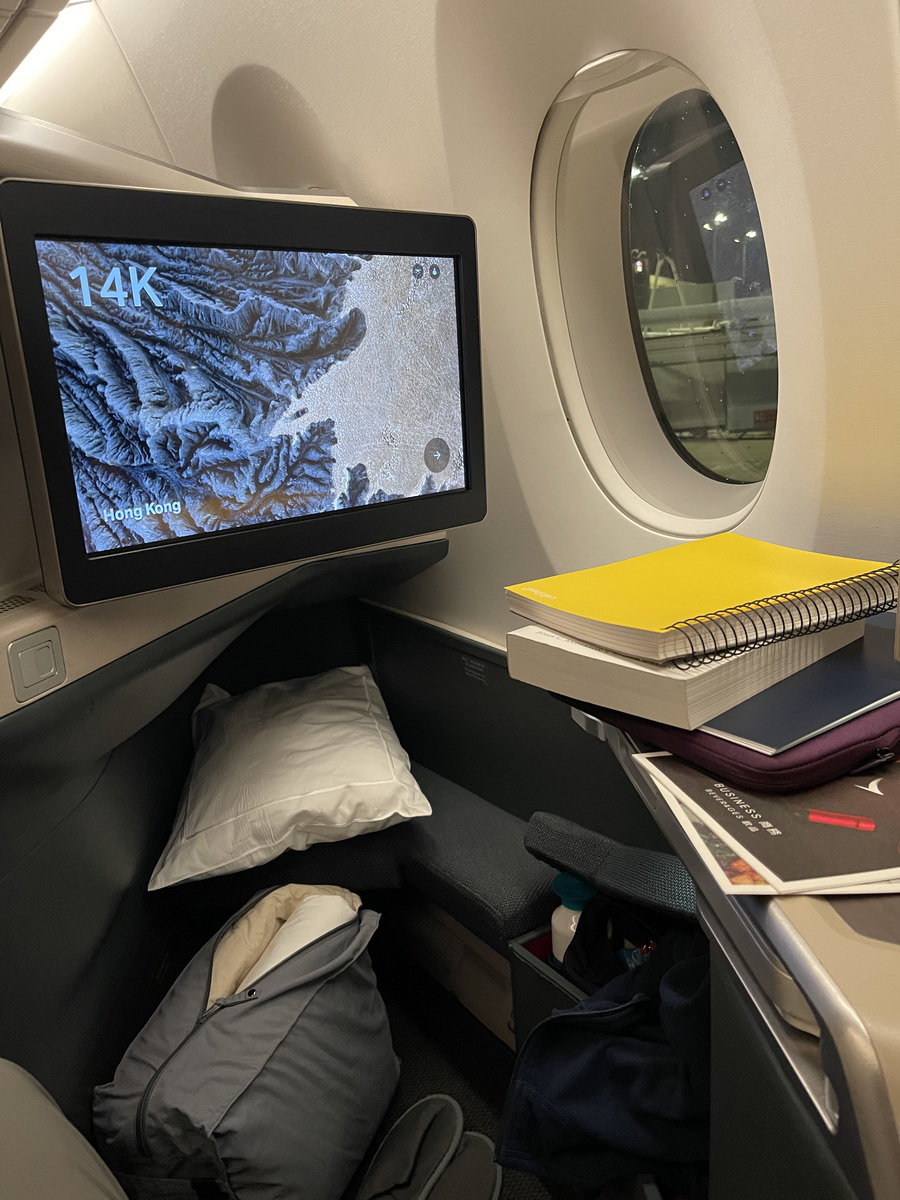
We left the Tejeprana Bisma in Ubud on August 31 at 1:56 p.m. We crossed the International Date Line, and arrived home in Dallas on September 1 at 8:06 p.m. Our elapsed time door-to-door was 43 hours and 10 minutes!