Project Description

Finland’s Culture of Cool, Sustainable Natural and Human Communities
Traveling creates opportunities for chance encounters with cool places and for first-hand experiences with interesting and unexpected examples of sustainable design. Travel to Finland last year, in 2025, was really enlightening for these reasons.
A Bit about Finland
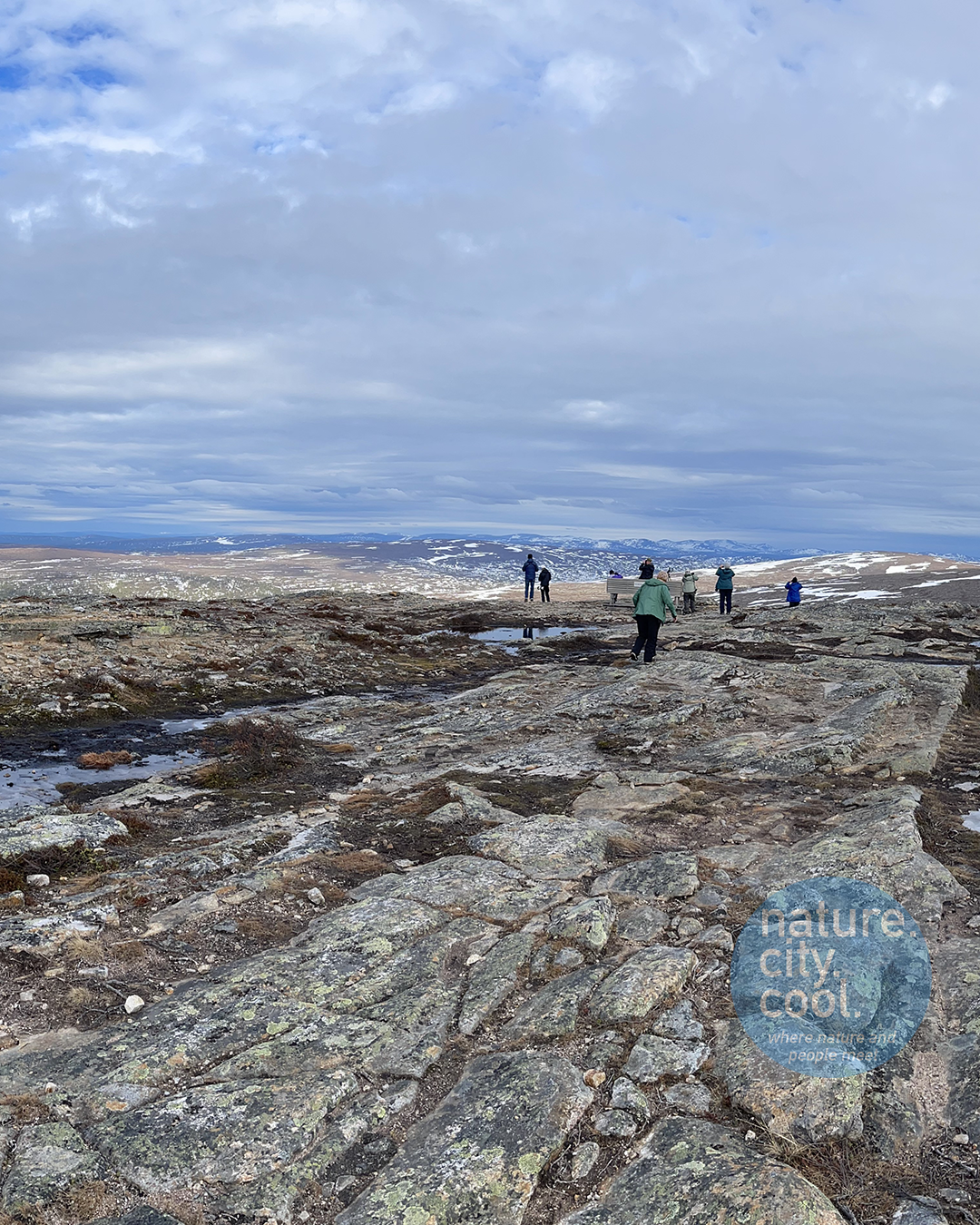
The view from the top of Kiilopää Fell
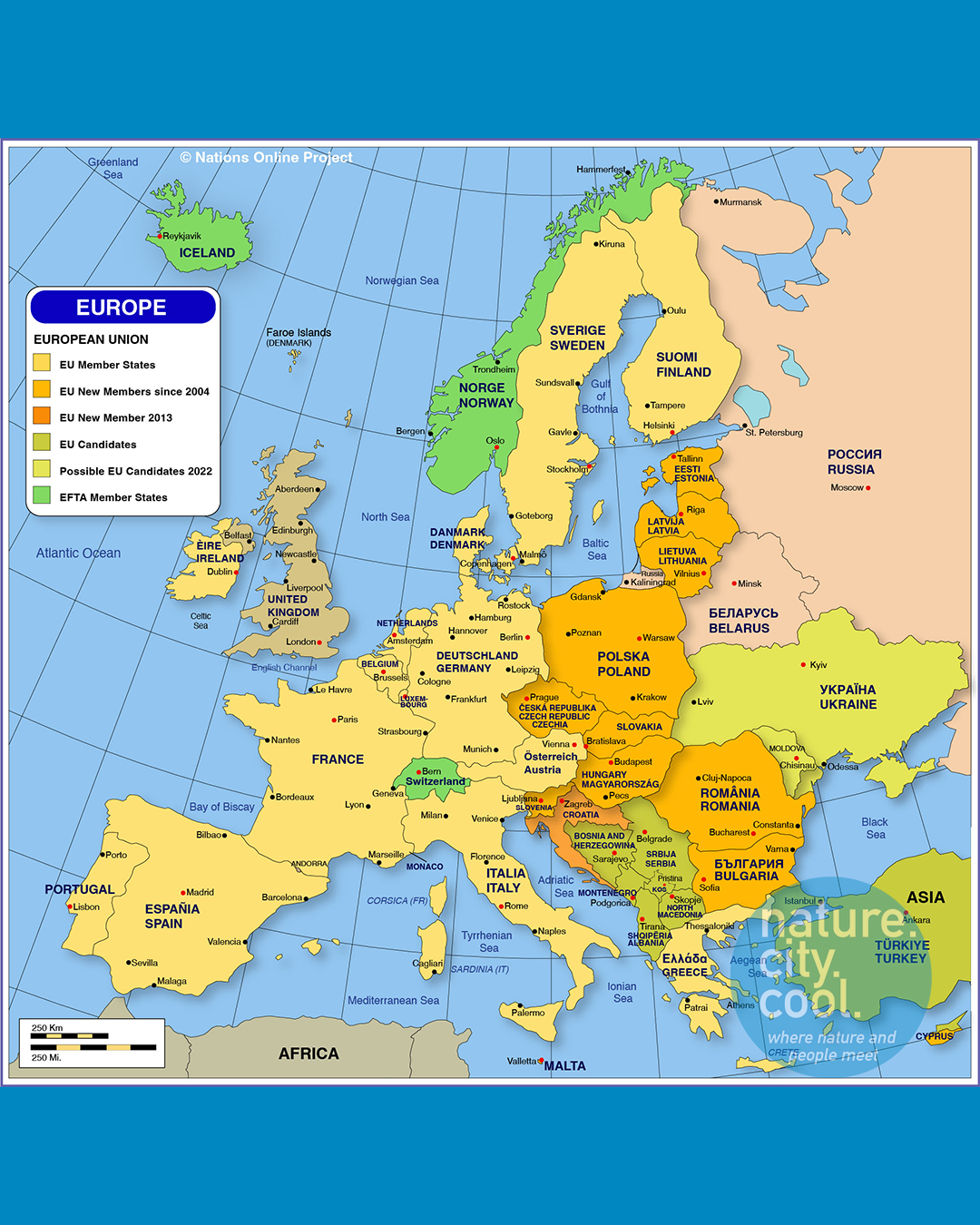
Countries of Europe
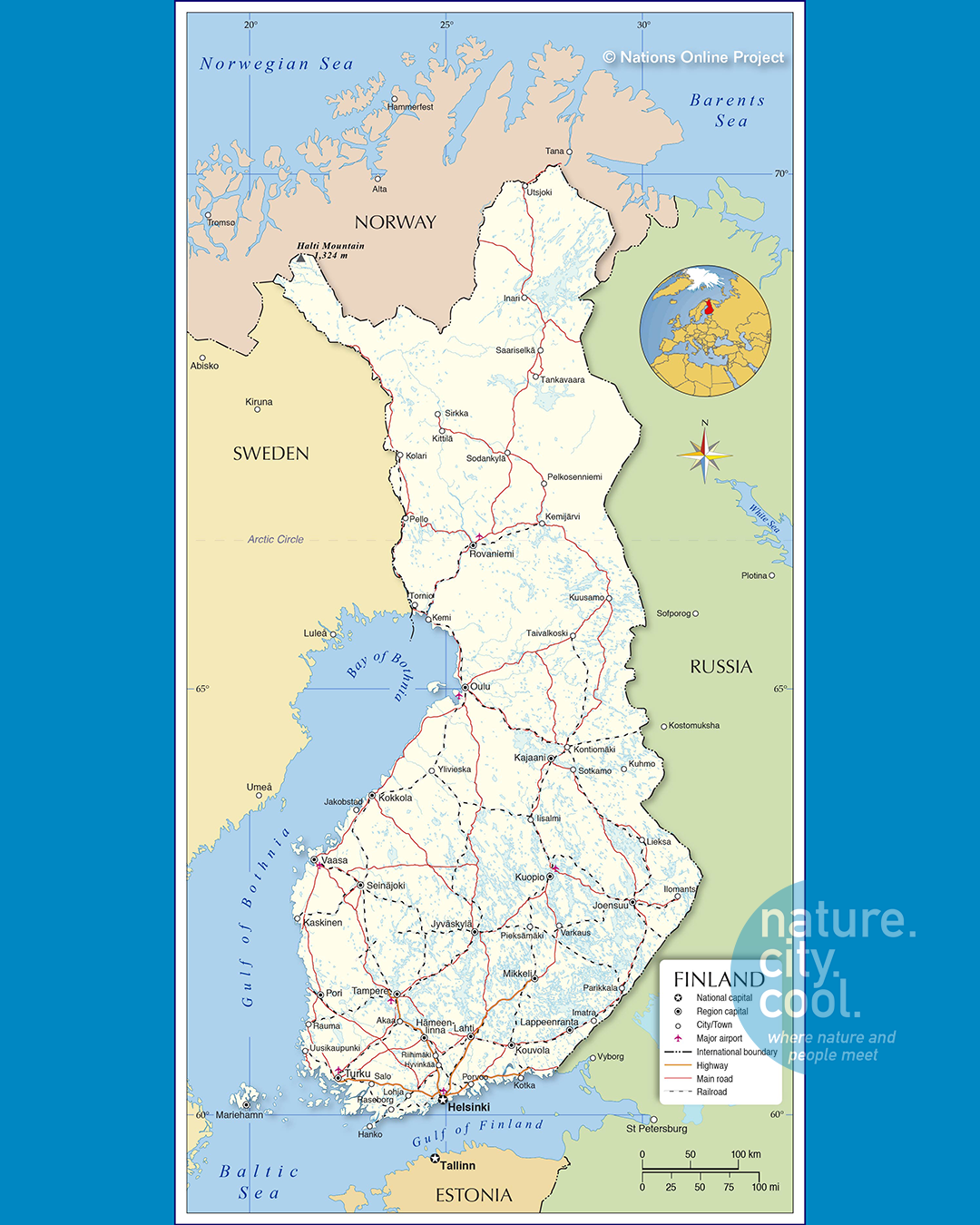
Finland’s extensive borders with the Baltic Sea and with Russia
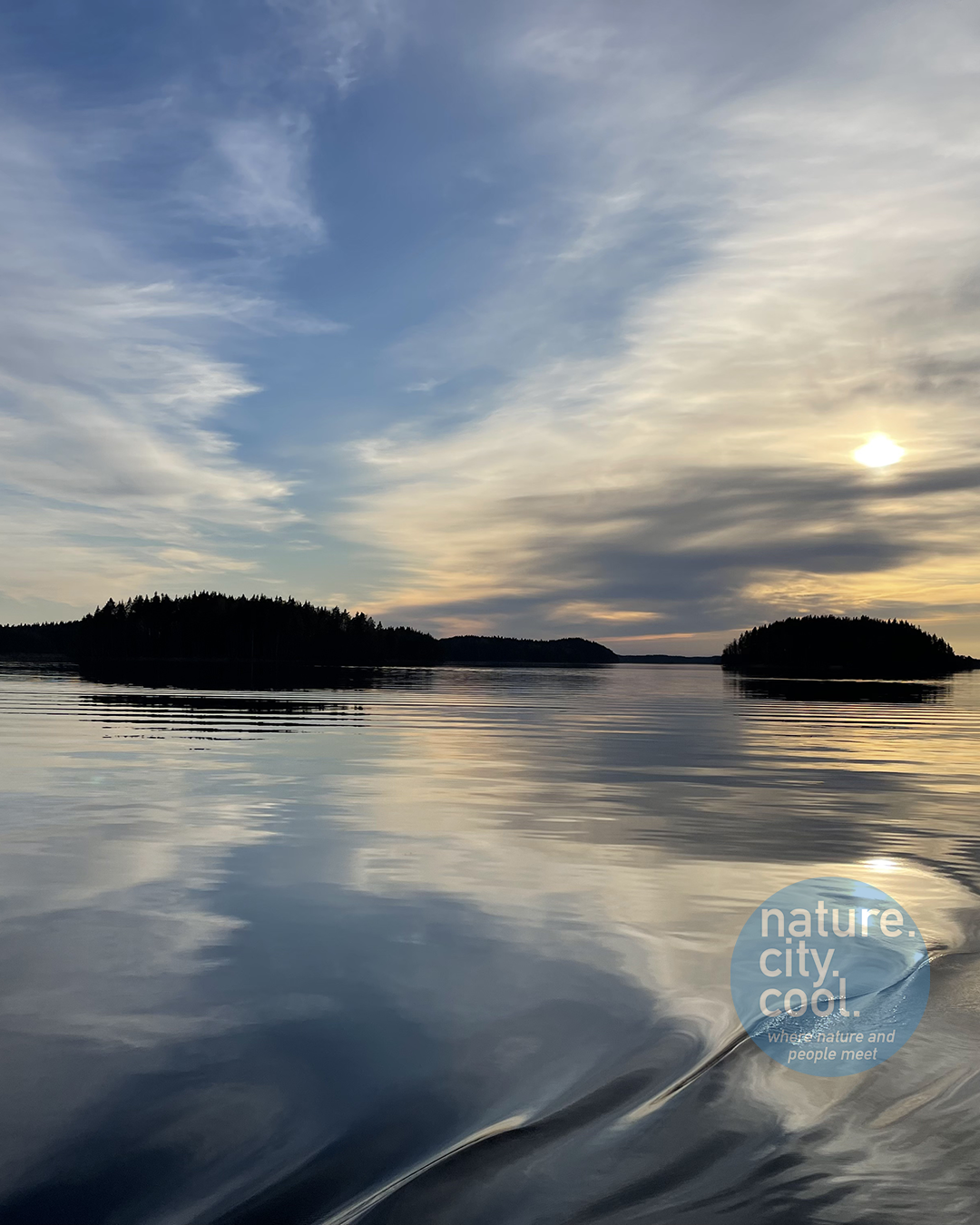
Lake Saimaa, the second largest in the European Union
The map shows that Finland is a fairly large European country. It includes about 130,000 square miles so it’s the 6th largest country in Europe and very similar in size to Germany. But while Germany had about 85 million residents in 2025, Finland had only 5.6 million. And since almost 30% of Finns live in the Helsinki metropolitan area, the population density in the rest of the country is very low.
Finland is often thought of as part of Scandinavia, and it does have some features in common with those other countries. A big reason is that it was part of Sweden for about 500 years – from 1323 to 1809. It shares a strong emphasis on a social safety net and, not surprisingly, ranks along with Sweden, Norway, Iceland and Denmark at the top of many lists for happiness and quality of life.
But Finland has other characteristics that are not shared with these Scandinavian countries. A notable example is its language. Finnish is not related to any of the Scandinavian languages but is instead most closely related to Hungarian and languages from eastern Asia. Also, Finland was an autonomous region inside Russia from 1809 to 1917 so it has Russian influences as well. It’s only been an independent country for a little more than 100 years. Before World War II most Finns lived in small villages and were generally involved with fishing, forestry, or agriculture; there was little urban development.
As the second map shows, Finland has a very long land border with Russia on the east and north, and shorter land borders with Sweden and Norway. It’s bounded on the south and west by the Gulf of Finland and the Gulf of Bothnia, both part of the Baltic Sea.
In addition to the inlets and bays along its 28,000 miles of coastline, Finland has about 180,000 lakes and roughly 15,500 miles of rivers and streams. In fact, about 10% of Finland’s surface area is water. The largest lake is Lake Saimaa, which is about 1,700 square miles in size. It is the second largest lake in the European Union (EU) area and the 34th largest in the world.
Connections to the natural environment inform the Finnish culture and identity. They make it an interesting study in sustainable development and the creation of unique and cool places.
A Water-Focused Country
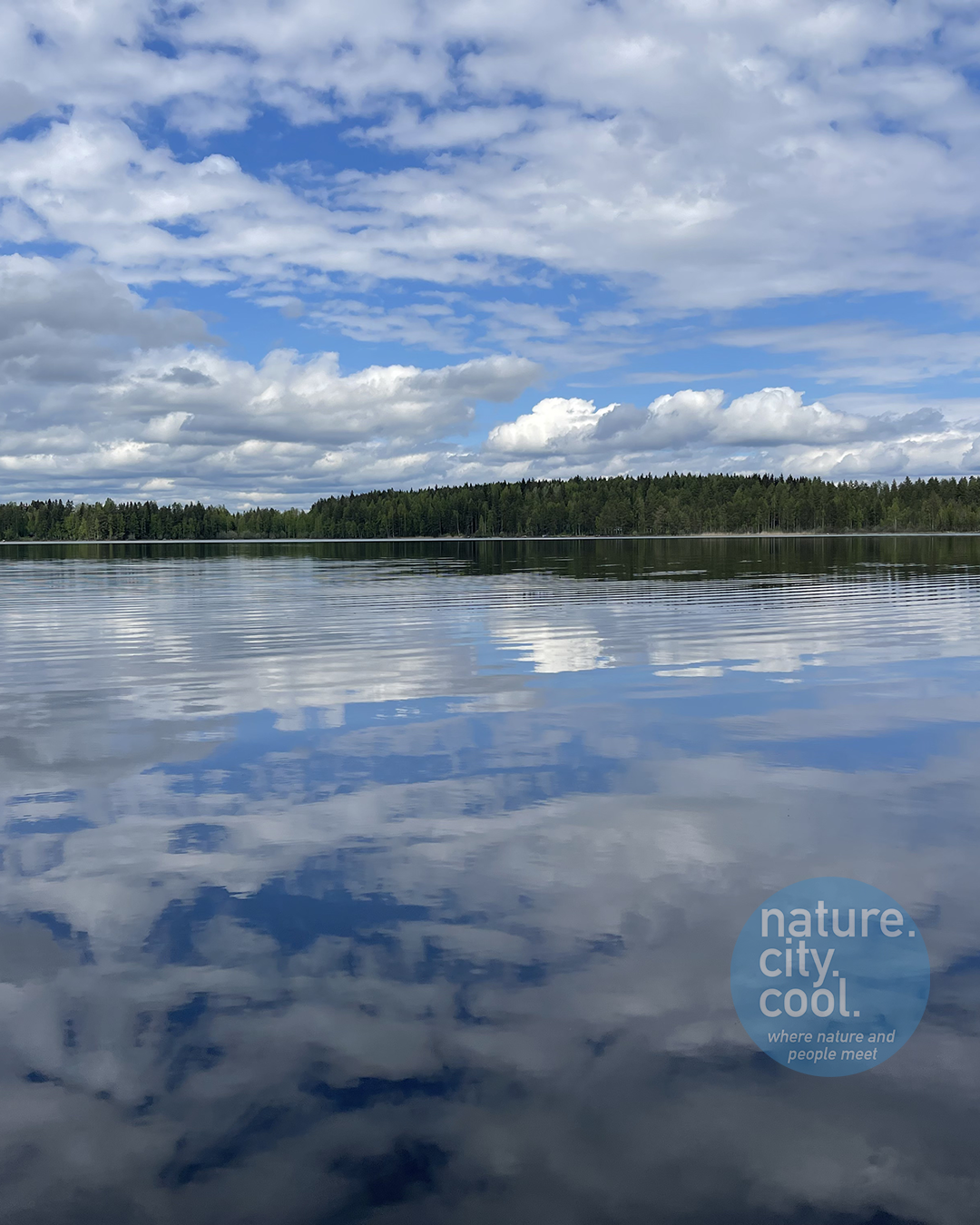
Stunning views of Lake Soukkio located in Kangasniemi, in the heart of the Finnish Lakeland
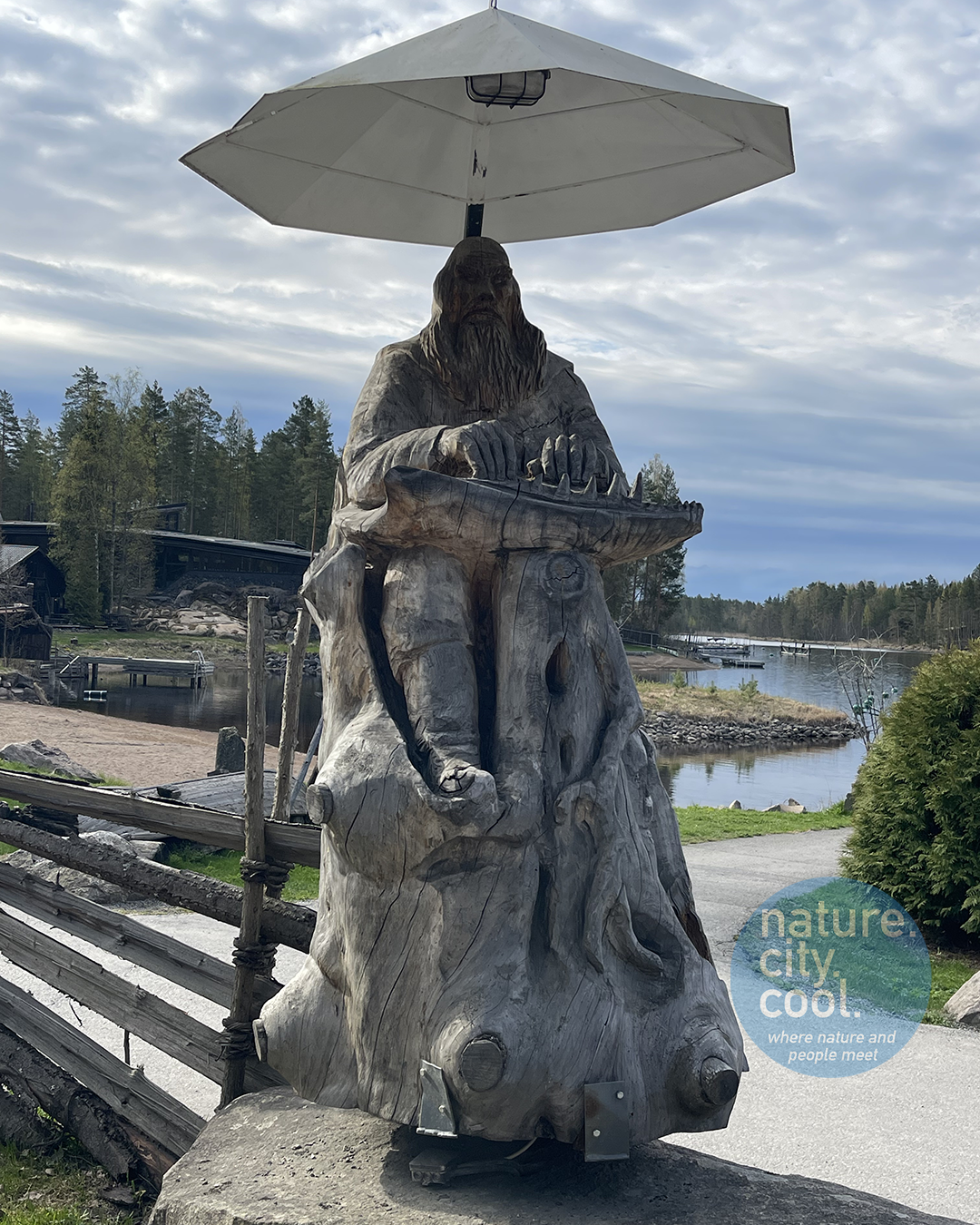
The shaman Väinämöinen created the first magical Kantele (or zither) from the jawbone of a giant pike
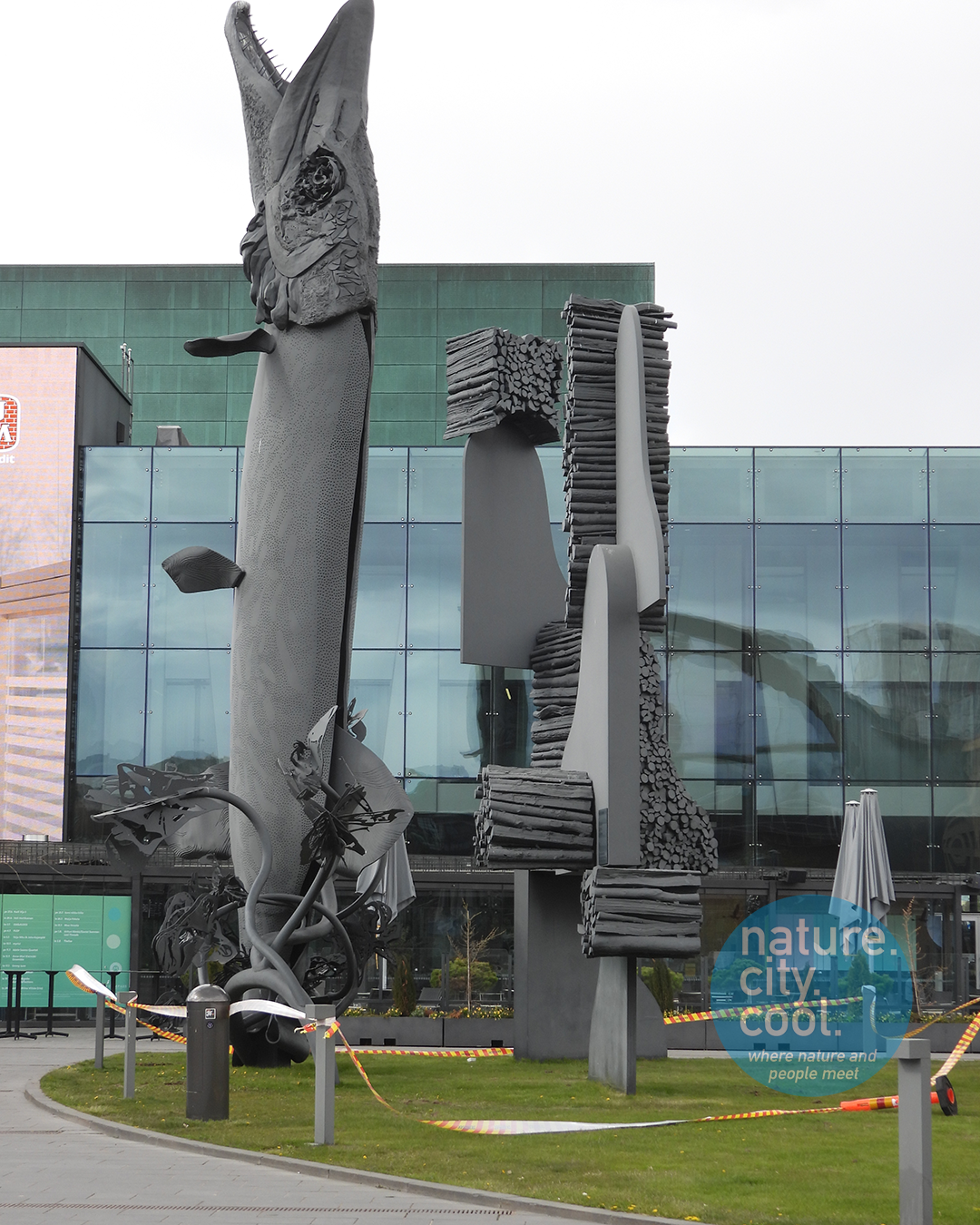
Pike as part of “Laulupuut” (Song Trees) sculpture in downtown Helsinki. Artist Reijo Hukkanen based it on a poem about a pike that rose from the sea and began to sing.
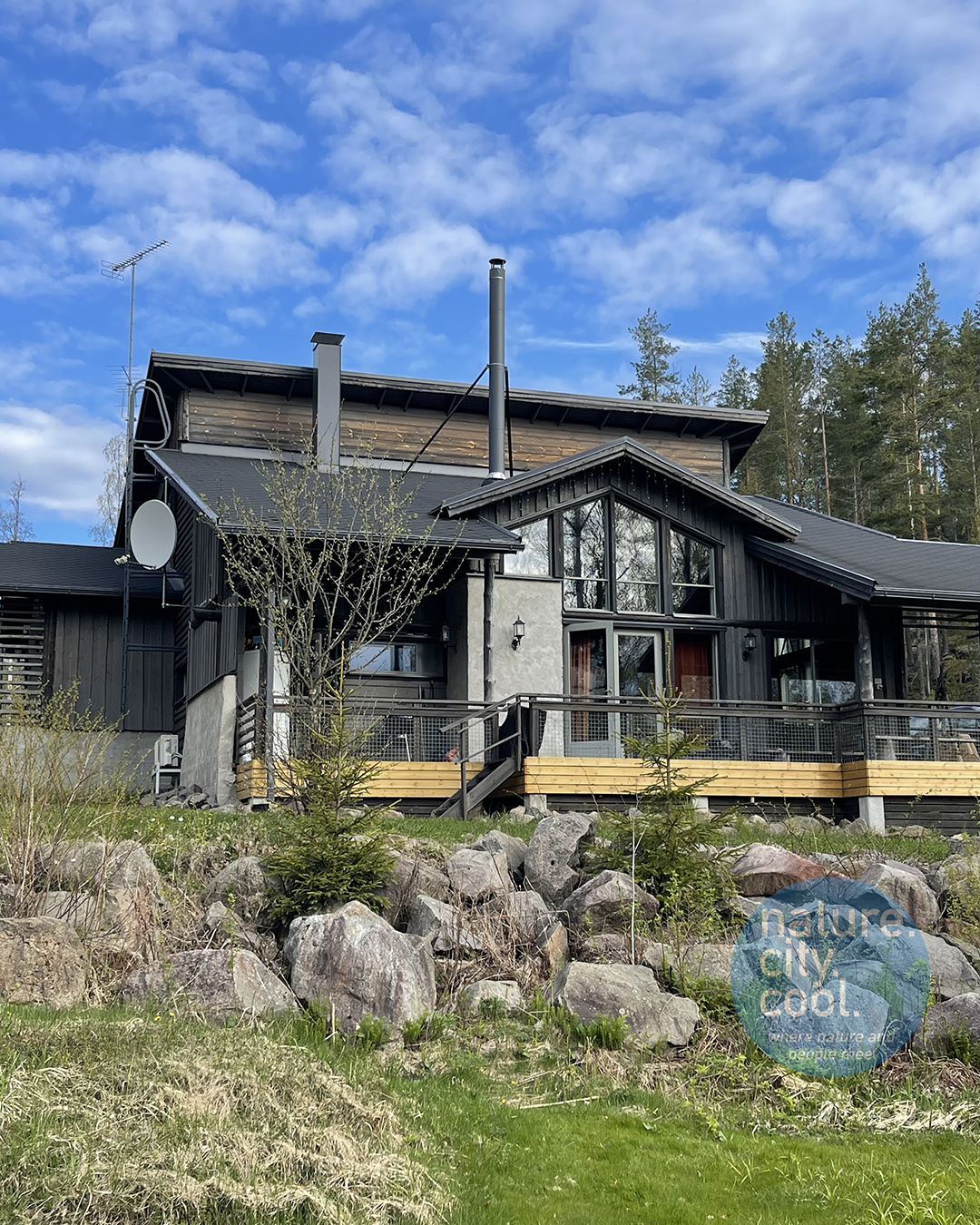
Järvisydän’s main lodge
With so many lakes, streams and coastlines, it’s not surprising that much of Finland’s cultural identity relates to life on and near water. The Northern Pike, a sports fish that lives in many of Finland’s lakes, is dubbed the “crocodile of the north,” and the pike appears in folk legends as a god of the underworld. The country’s national epic poem, the Kalevala, tell of the first magical kantele (or zither) being crafted by the wise shaman Väinämöinen from the jawbone of a giant pike (Suomuhauki) and horsehair. With it, he created enchanting music that soothed all beings.
The connections between history, culture and sustainability were on full display at one of the lodges we visited. Järvisydän Nature Hotel & Spa Resort is located on the shores of Lake Saimaa. It offers pike fishing and also conducts boat trips to see the Saimaa Ringed Seal, an endangered mammal that lives nowhere else on earth.
An agreement between the King of Sweden and the Czar of Russia in 1658 defined a route connecting their countries through Finland and specified that overnight lodgings should be established every 30 kilometers for travelers and their horses. Today’s lodge continues the tradition of hosting travelers that began in 1658 and its current managers are the 11th generation of the family offering lodging here.
The hotel places a high priority on sustainability in its construction, operation and maintenance operations. Solar and geothermal energy provide heating for the hotel and the spa, recycled materials are used in construction, food is responsibly produced and locally sourced, and staff are trained in sustainable operations. The hotel has received Green Key certification, the international standard of excellence for environmental responsibility and sustainable operation within the tourism industry. It’s an inspiring model for tourism that upholds sustainability, protects the natural environment and continues the local culture.
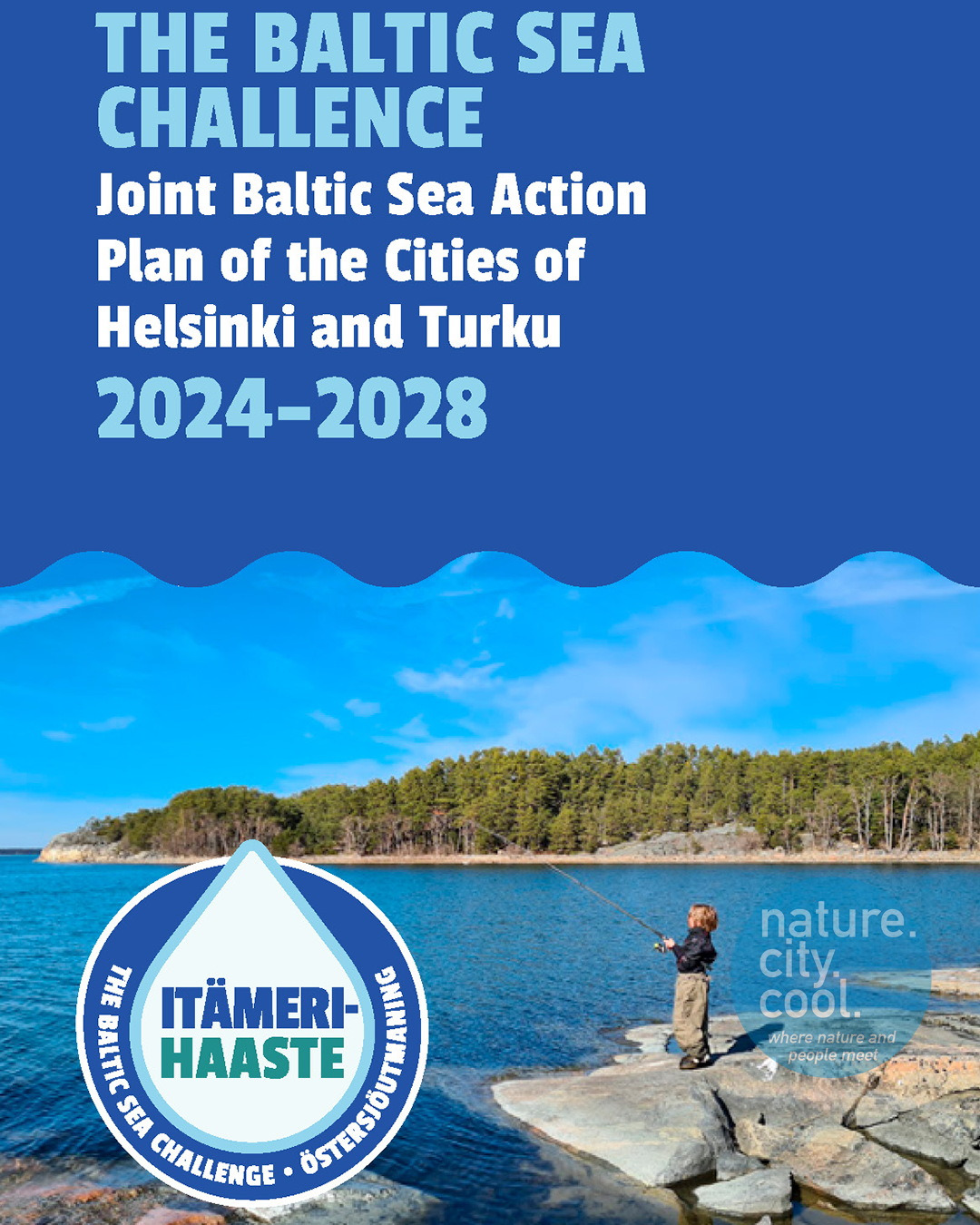
The Baltic Sea Challenge
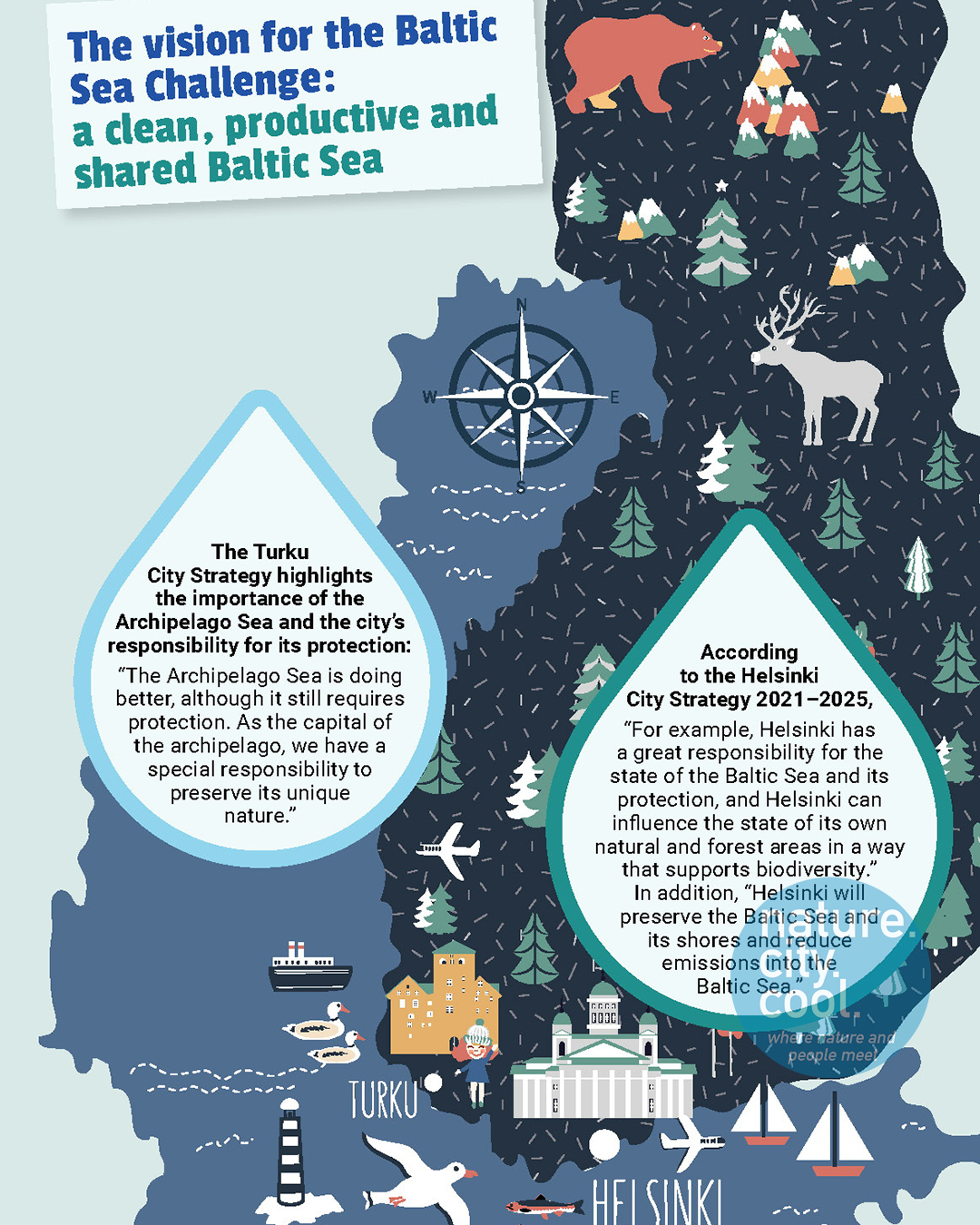
The Baltic Sea Challenge
It’s not surprising that a developed country like Finland would have high quality water for human use. Indeed, 97.0% of all bathing waters (in rivers, lakes or along the coast) met minimum quality standards in 2024 and 85.5% were rated excellent. The quality of the drinking water and wastewater treatment are both world-class. Yale University’s Environmental Performance Index (EPI), produced by Yale and Columbia Universities in conjunction with the World Economic Forum, evaluates 180 countries on a range of environmental characteristics. It rates Finnish tap water at 100%, meaning that tap water is safe to drink everywhere in the country.
Challenges related to inland water pollution are primarily due to agriculture and forestry operations. In the Baltic Sea, pollution is caused by urban and agricultural runoff and is made worse as climate change increases the sea’s temperature.
To address these issues, the cities of Helsinki and Turku have created the Baltic Sea Challenge. This network includes over 300 public, private and non-profit organizations that have all pledged to take action on six areas impacting the Baltic. This partnership focuses on promoting water conservation; the current Action Plan identifies 27 action items to be completed by 2028. It’s a detailed and practical program and a great example of collaboration for sustainable seas.
Forests are Integral to Finland’s Identity
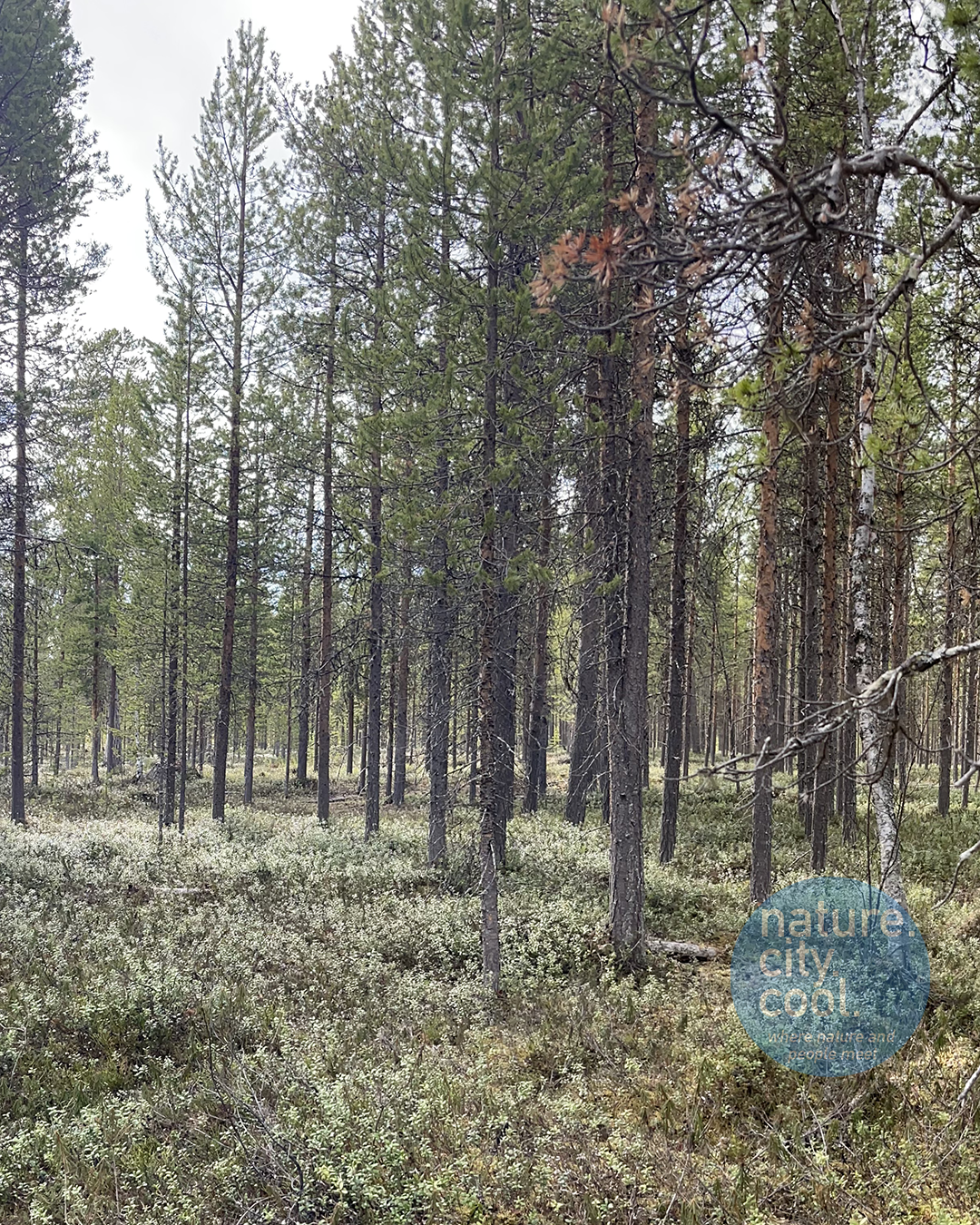
Forest Toivoniementie near Ivalo
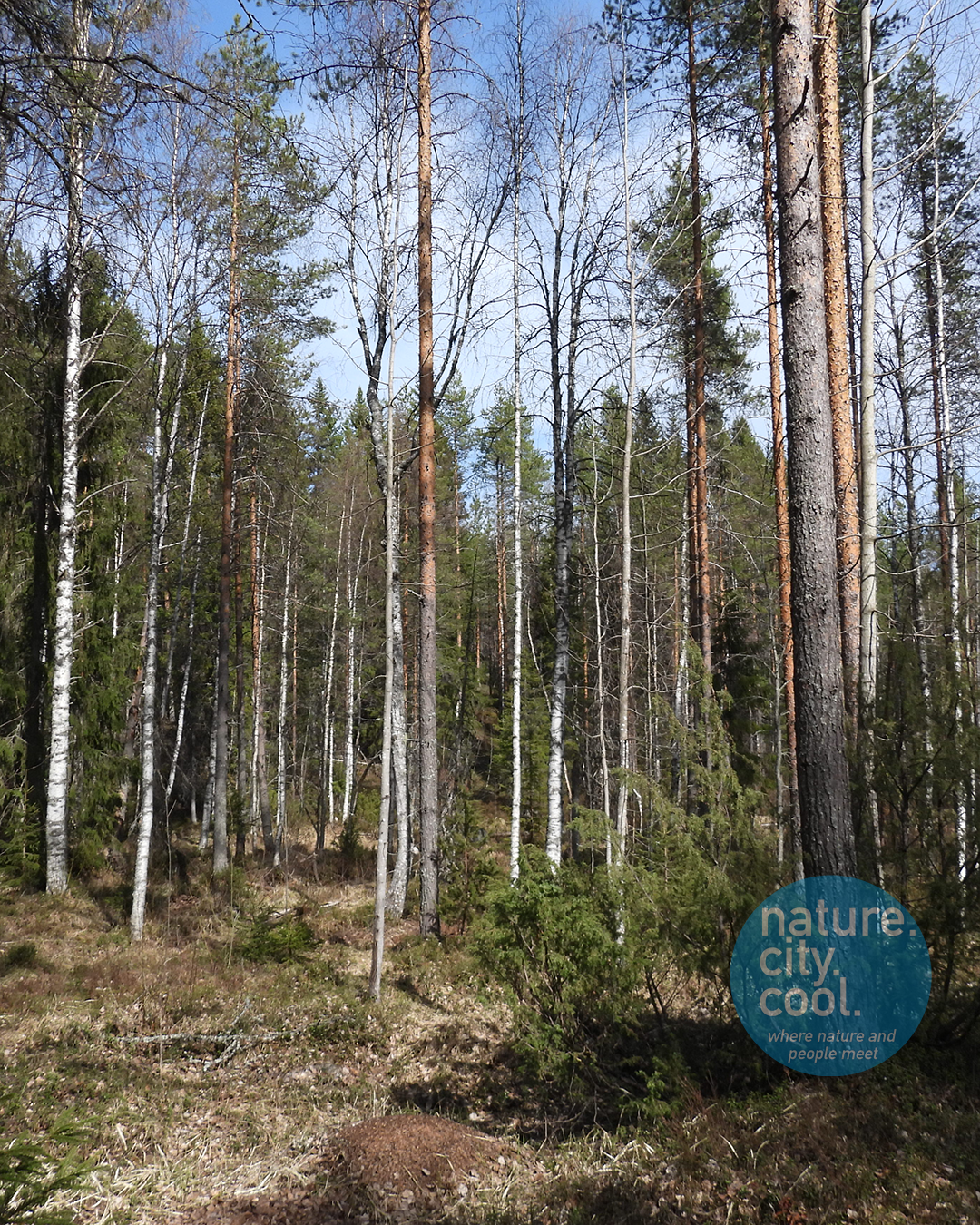
Mixed aspen-conifer forest near Lieksa
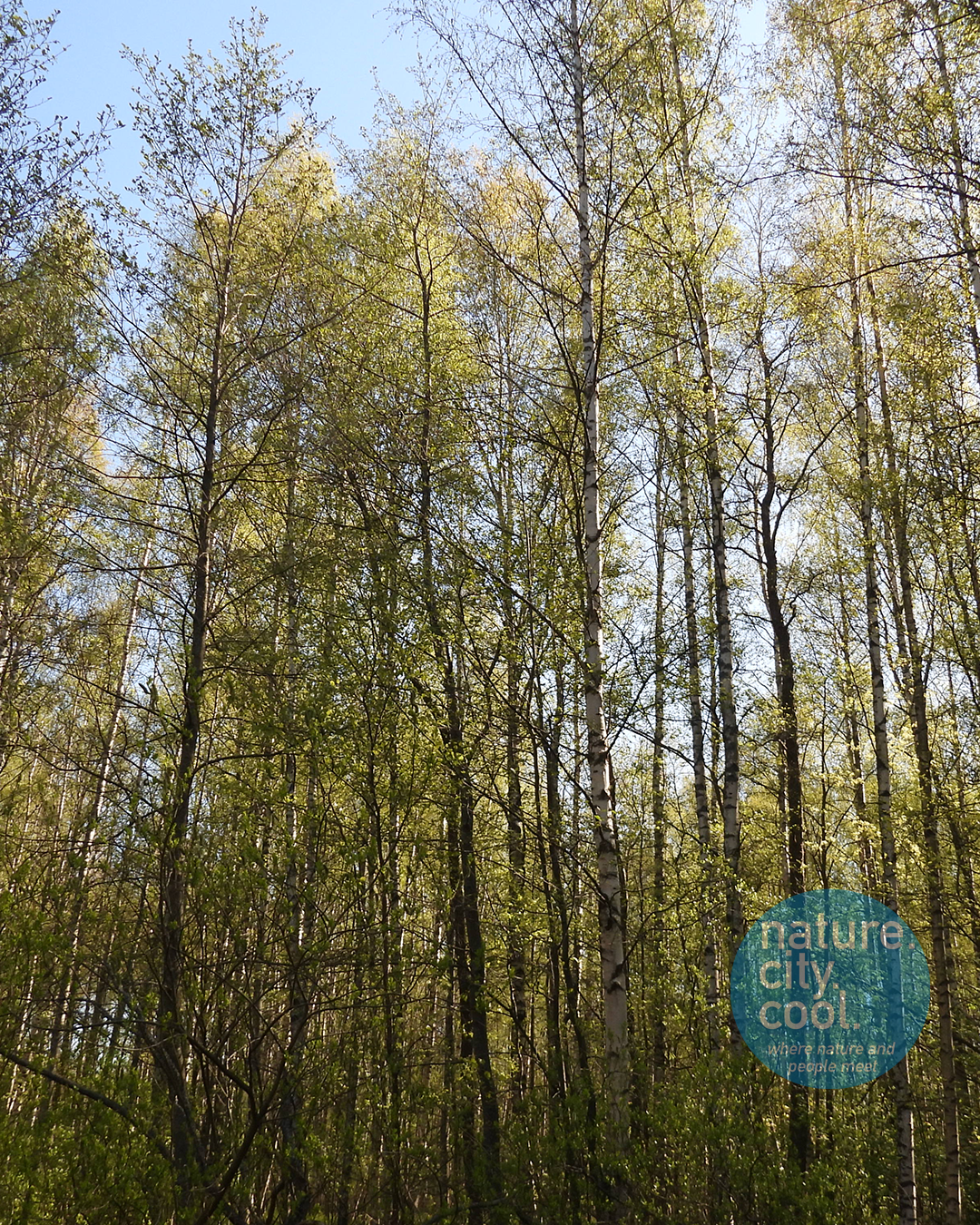
Aspen forest in Nuuksio National Park near Espoo
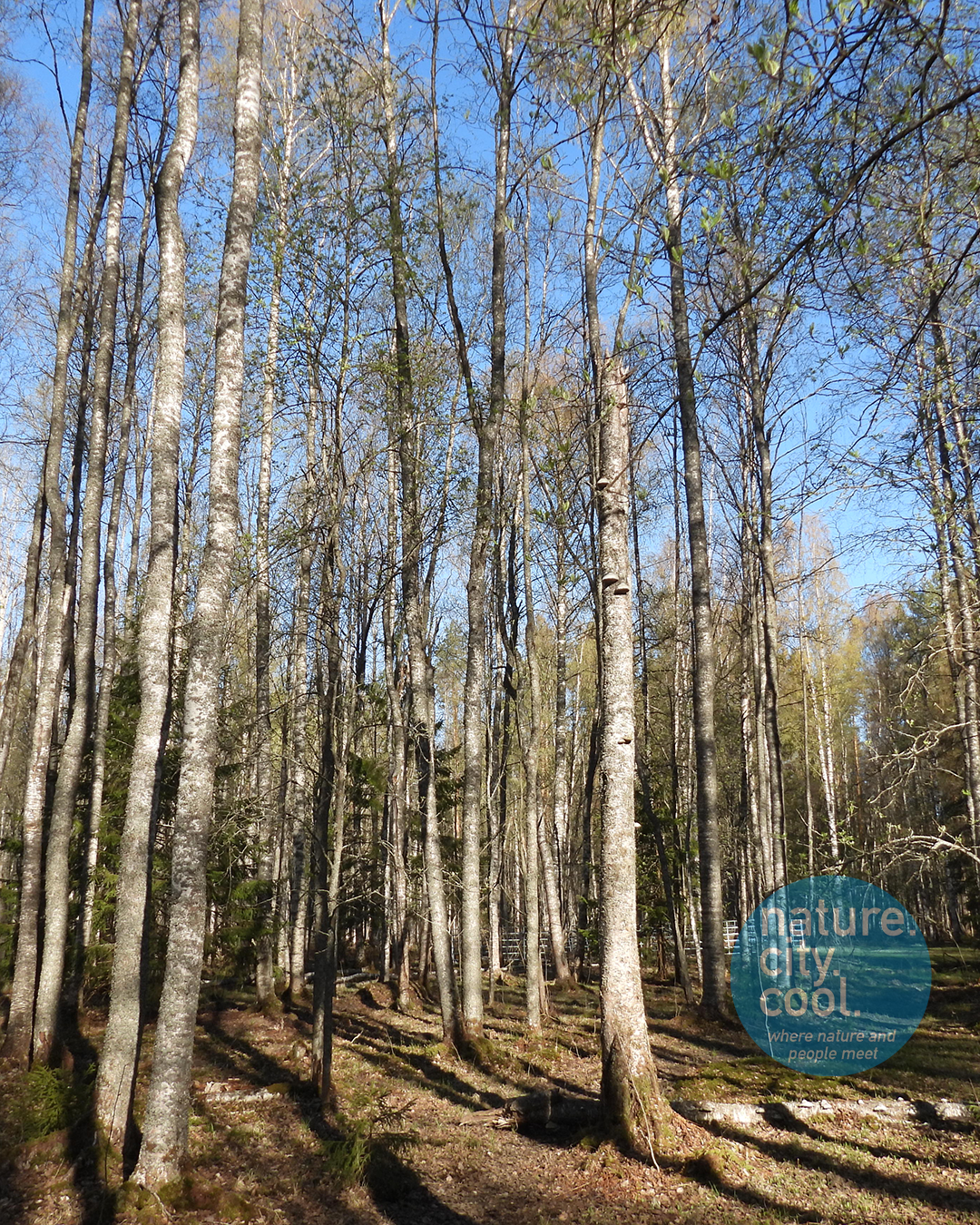
Aspen ‘tree plantation’
Forestry has long been a mainstay of Finland’s economy and individual livelihoods. An estimated 78% of Finland’s land area is covered in forest.
Finnish Forest Industries, a trade organization, estimate that forestry provides about 38,400 jobs directly, with direct and indirect jobs totaling 82,800. It is a major economic sector and accounts for about 1/6th of the value of all Finland’s exports.
The overall Forest Issue category of Yale University’s Environmental Performance Index (EPI) for 2024 shows that Finland comes in 51st out of the 131 countries that had at least 10% of forest cover in 2000. While Finland does extremely well on the retention of its pristine forest areas (3rd ranked country), it falls behind on measures such as forest loss that is expected to be permanent – such as to urbanization or agriculture (101st ranking).
The forestry industry in Finland is working to make its operations more sustainable as it contributes to Finland’s goal of being carbon neutral by 2035. Its “Climate Roadmap for the Forest Industry”, updated in late 2025, identifies a variety of ways that forestry can increase sustainability while continuing to provide employment and economic value. It notes that improved forestry practices mean Finland’s forest area has increased since the 1970’s, even as wood harvesting has also increased. Among the climate benefits noted are forests’ role as carbon sinks, the use of wood as a renewable fuel, reducing emissions from mills and transport, and the design of wood-based materials that can replace the use of plastics.
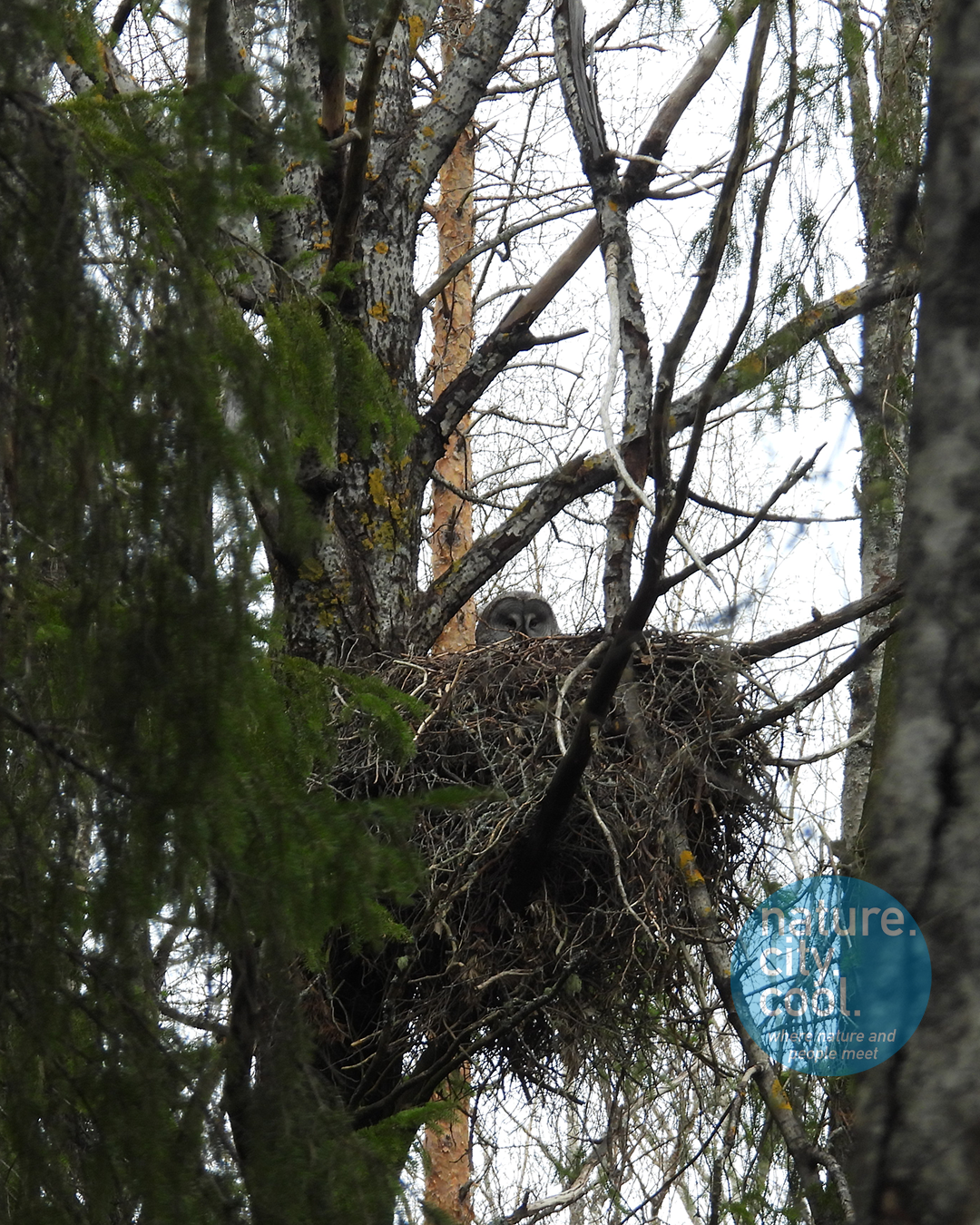
The Great Gray Owl (Lapland subspecies) is the world’s largest owl by length
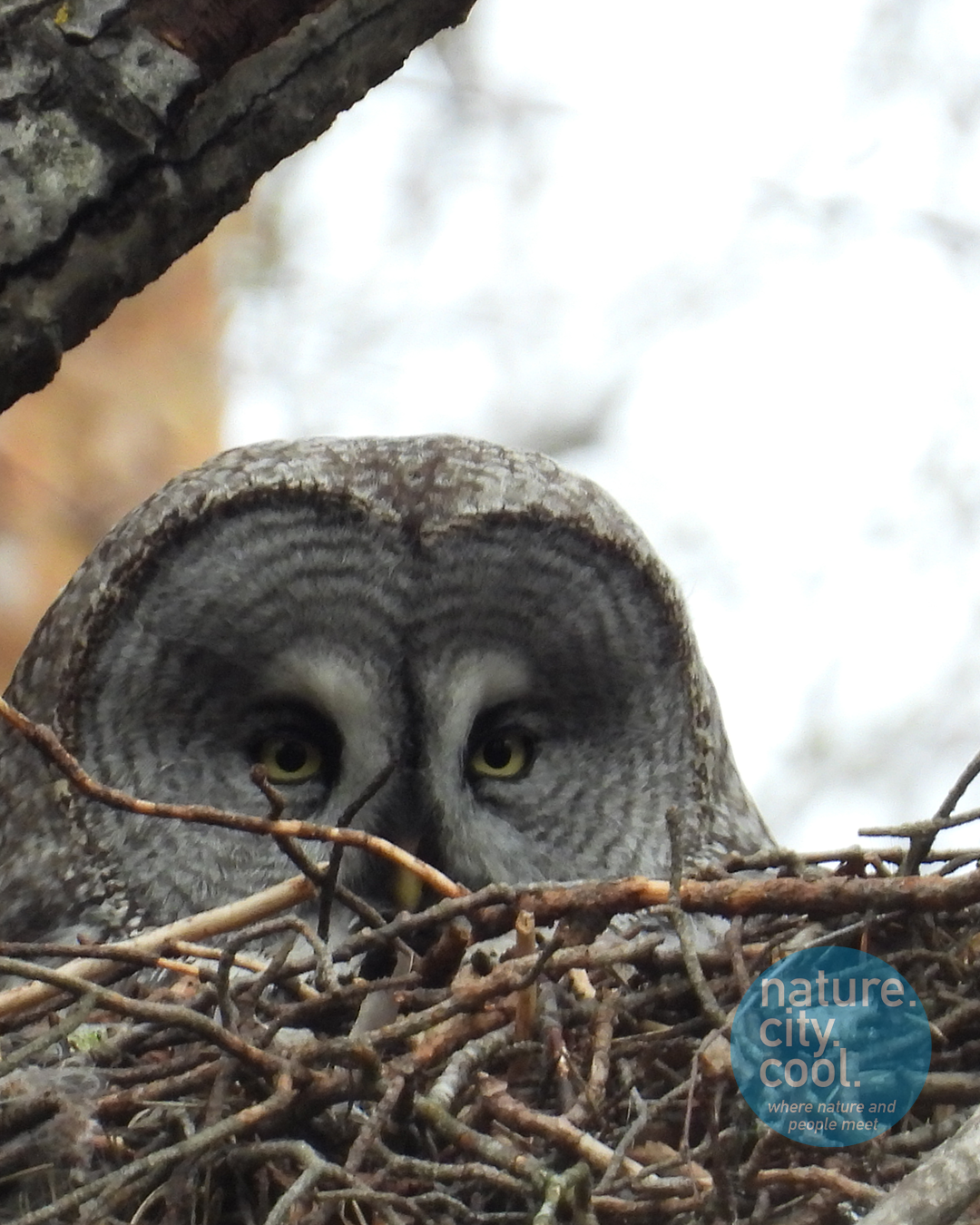
The Great Gray Owl (Lapland subspecies) is the world’s largest owl by length
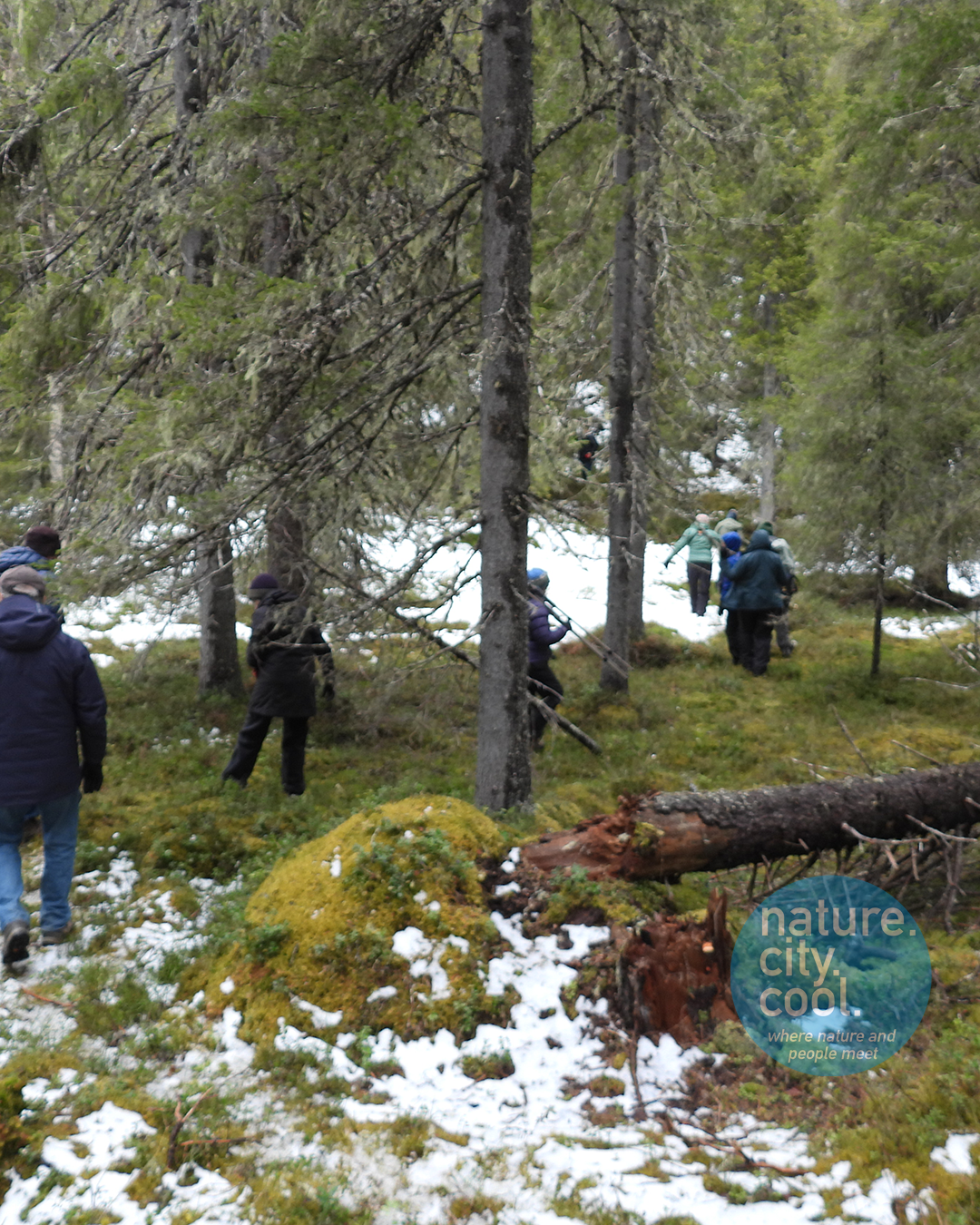
People are allowed to hike through properties in much of Finland.
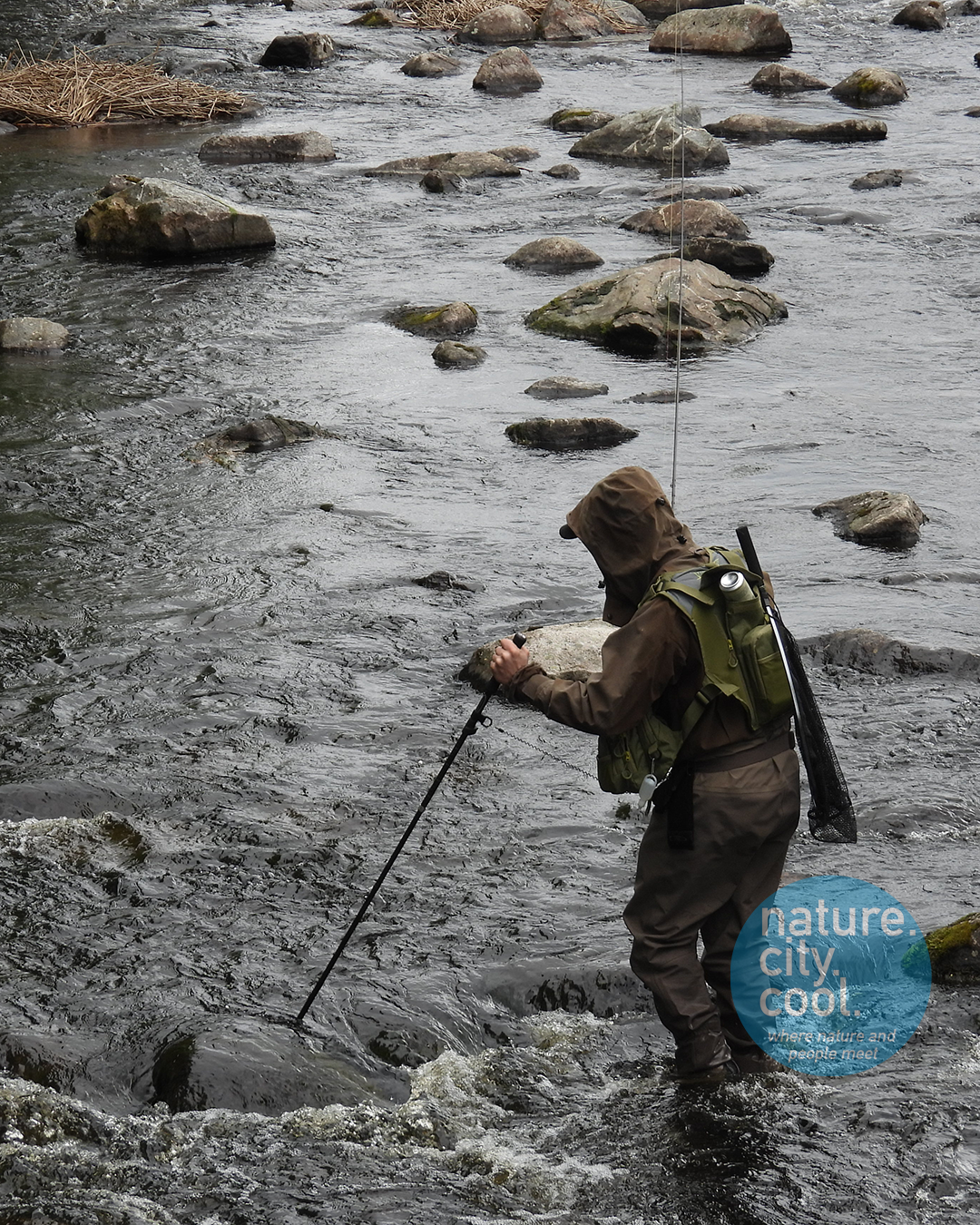
Fishing with basic gear is also permitted under “Everyone’s Rights.”
Despite this focus, travel in various Finnish forest areas also reveals unsustainable forestry practices such as clear-cutting and monoculture. Many areas of aspen and pine, for example, look much more like tree plantations than natural forests. And although these tree plantations are beneficial as carbon sinks and renewable resources, they’re far less helpful in terms of sustaining biodiversity or providing habitat for the unique birds, animals and plants of far northern Europe.
The European Environment Agency notes that only about 13% of Finland’s land area is strictly protected, and that most of this is in the far northern part of the country. In the southern part of the country, which is more species-rich, only about 3% of land is in nature reserves or wilderness areas. As in many places, the balance among these issues and the most desirable course of action are both subject to significant debate.
A unique cultural system here is the “Everyone’s Right” doctrine, a centuries-old tradition now established through the legal system. It means that anyone can hike, forage, camp or fish on public or private lands. Responsibilities come with these rights, and there are limits in places like national parks. This doctrine places more emphasis on nature and community than in some countries where private property ownership is a higher priority.
In addition to the “Everyone’s Right” doctrine, many urban residents here have second homes or cottages in rural areas or ancestral villages. The personal and family connections Finns have with forests and natural ecosystems seem to increase metropolitan residents’ awareness of environmental concerns and support for sustainability.
Naturally Cool Design Has Had a Global Influence
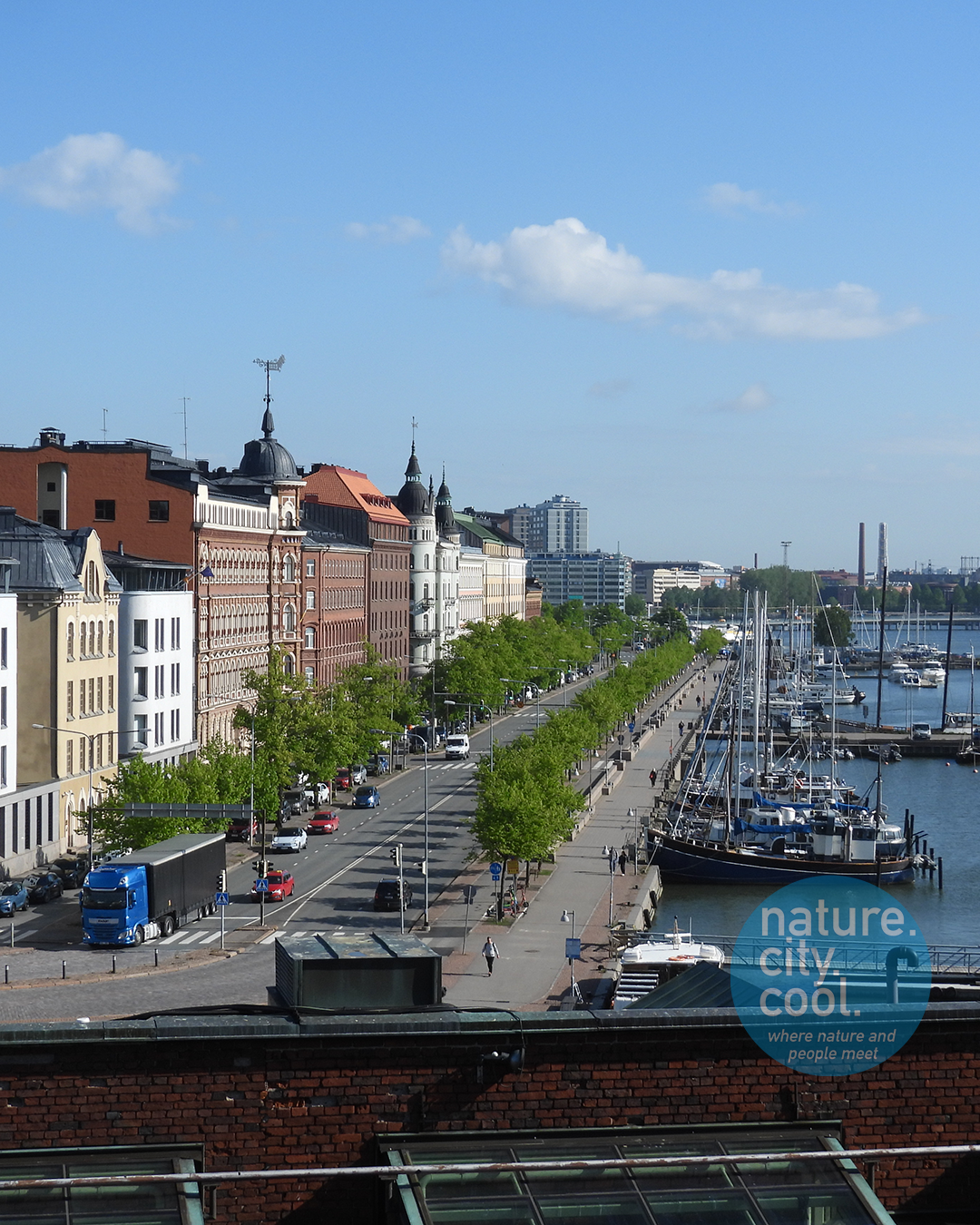
The Helsinki waterfront and Katajanokka district
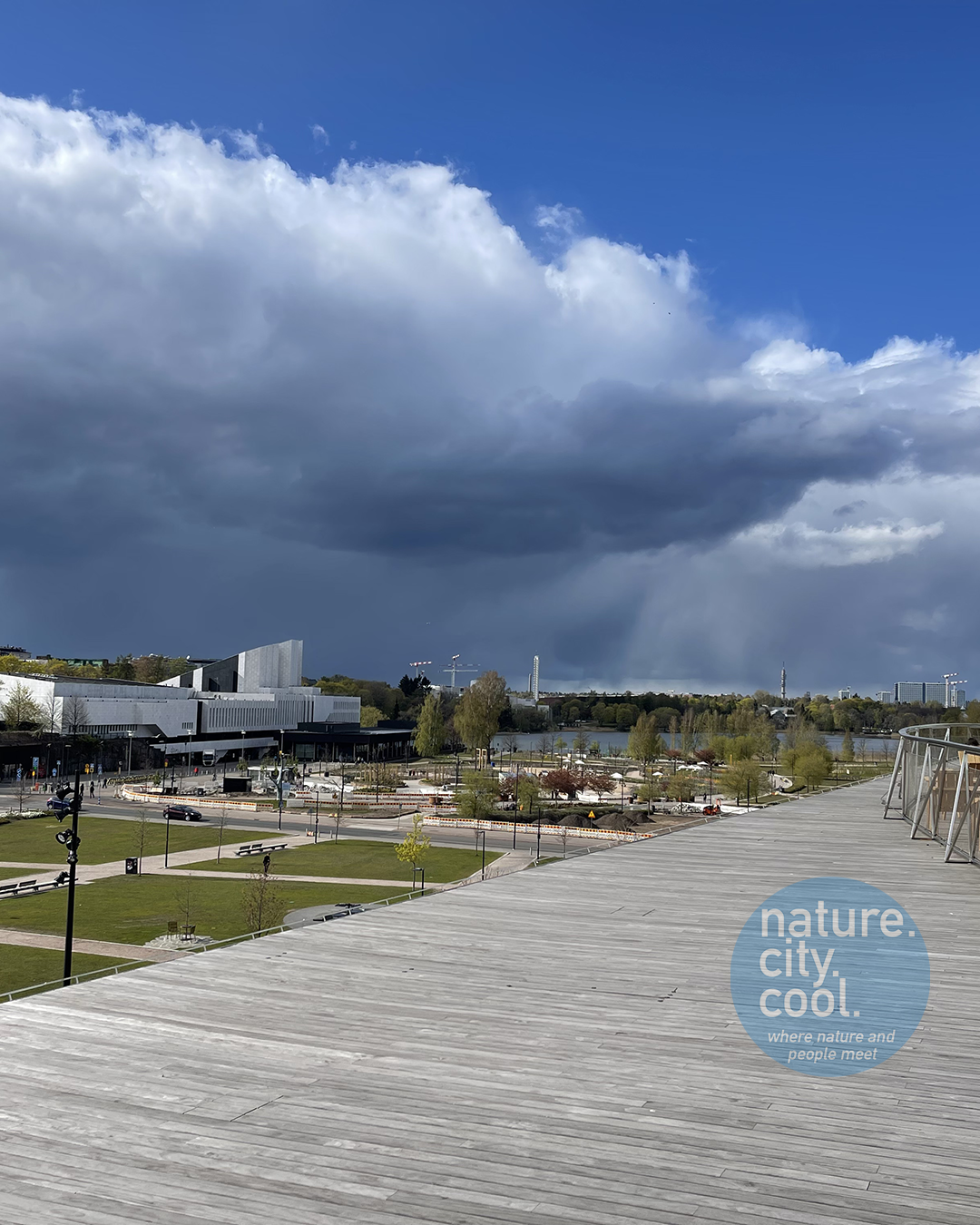
The award-winning Helsinki Central Library Oodi opened in 2018
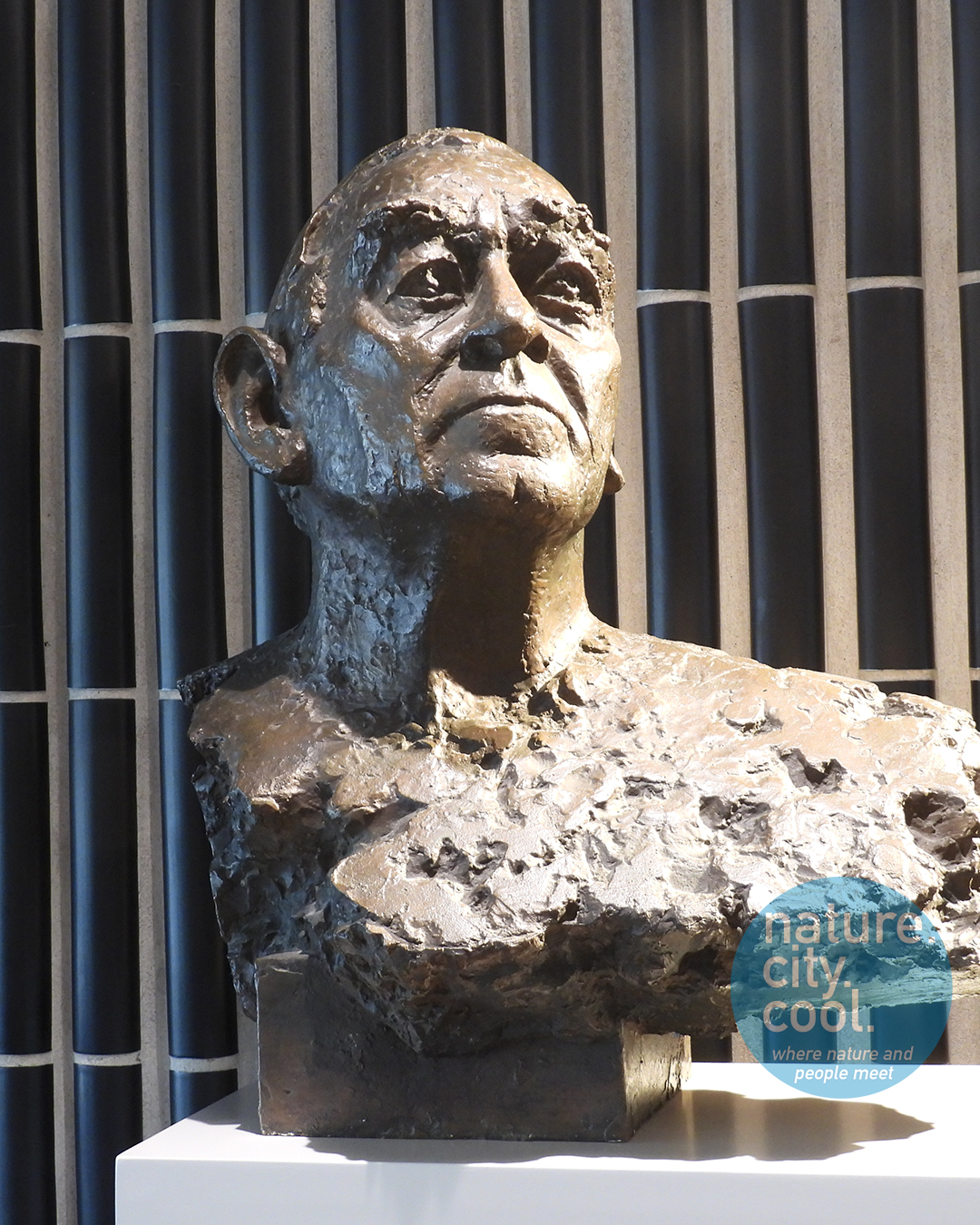
Bust of Alvar Aalto, Finnish architect and designer
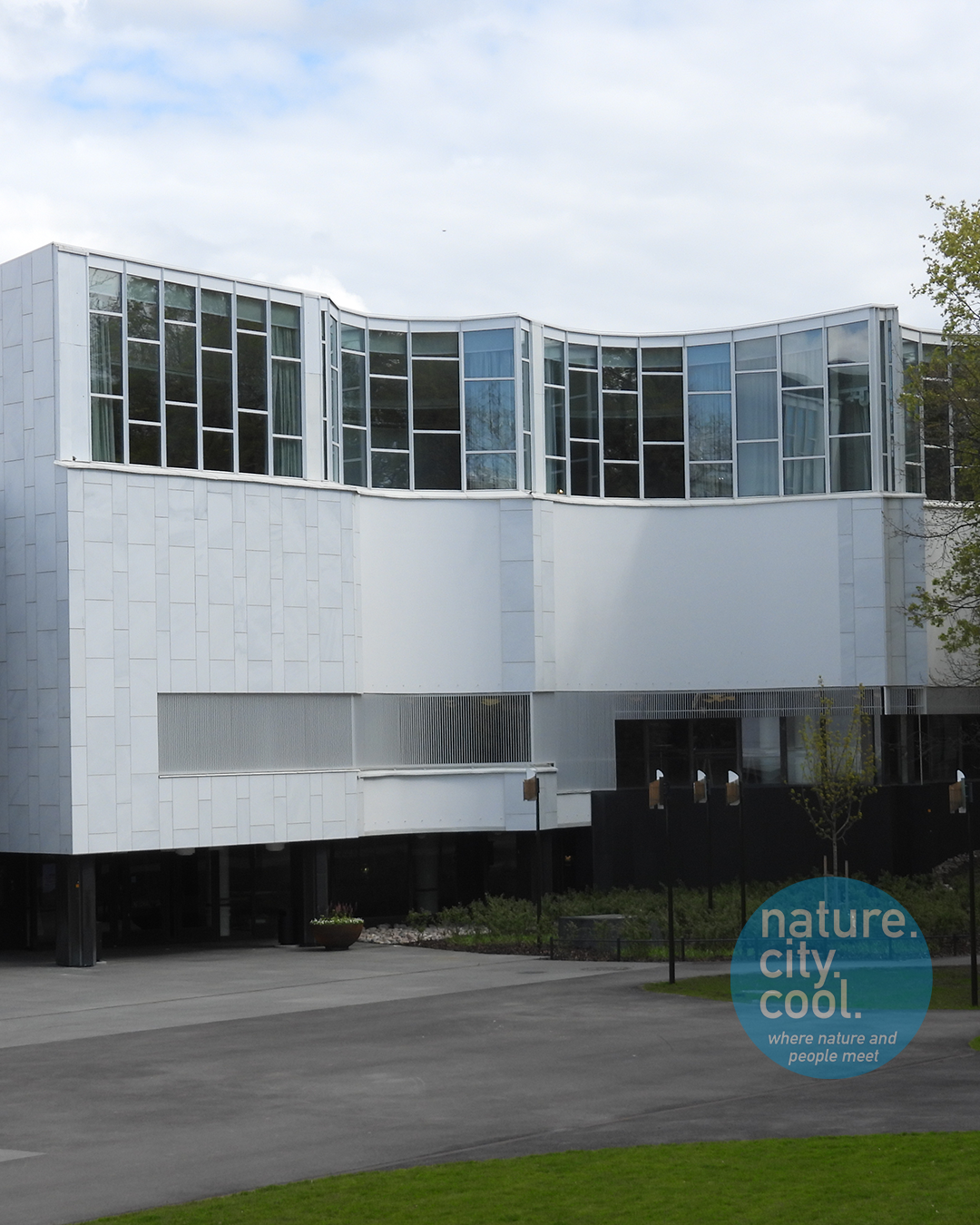
Finlandia Hall, designed by Alvar Aalto and completed in 1971.
It’s not surprising that Helsinki was designated as the World Design Capital in 2012. Finnish architects, planners, interior designers and artists have been influential international leaders in these fields since the early twentieth century.
Alvar Aalto and his wife Aino began their work in the 1920’s and continued to design notable buildings and furnishings through the 1970’s; his modern, nature-inspired designs continue to inspire architects and designers. While sustainability was not evaluated with the rigor it is today, their designs – focused on efficient use of natural, local materials to create long-lasting buildings and products – directly relate to modern sustainability concerns.
Many of Aalto’s notable buildings are in Helsinki. Aalto University, located in the Helsinki suburb of Espoo, is a leader in research and teaching on design and sustainability. His Aalto Vase was designed in 1936 and remains an iconic and popular design today.
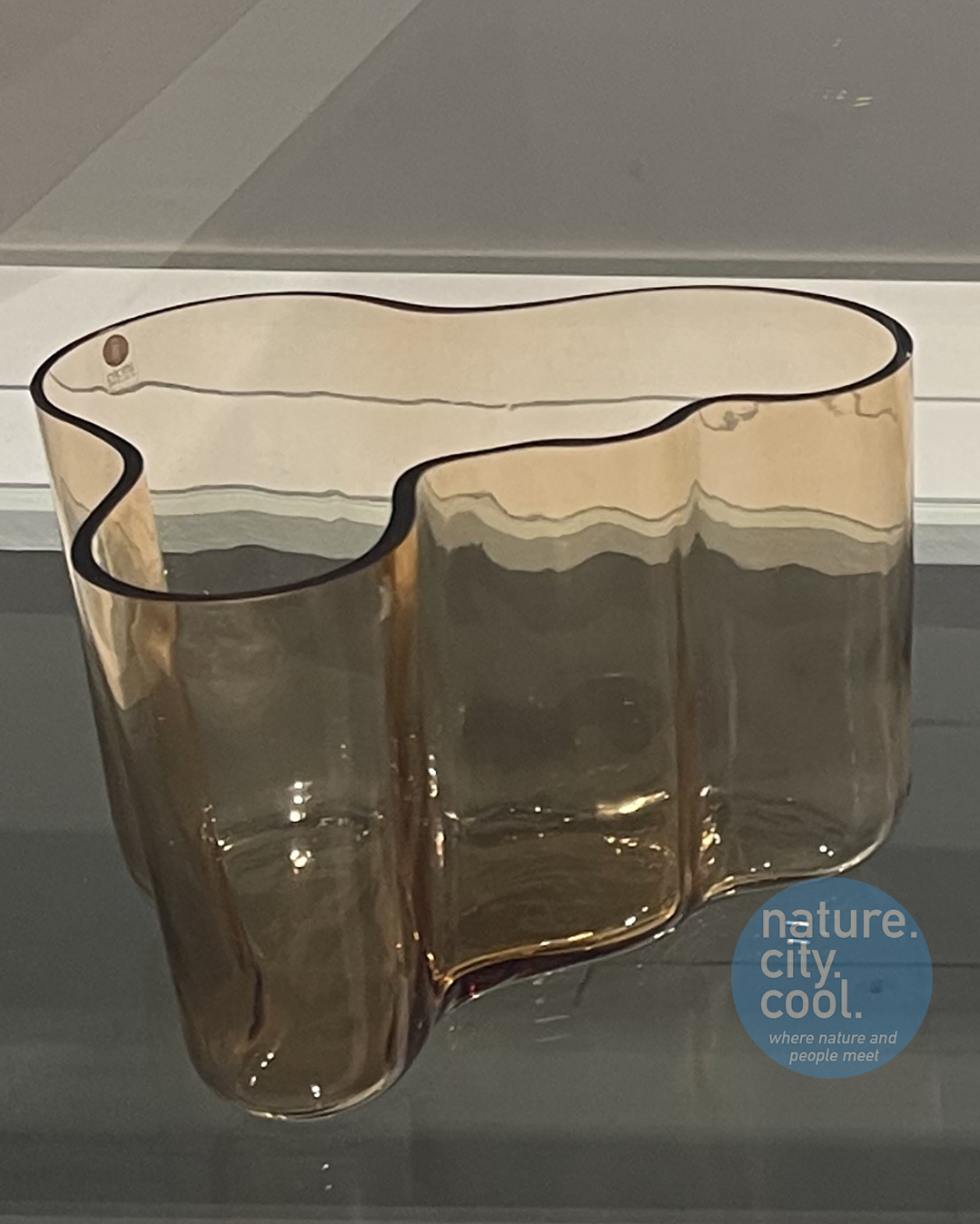
The Aalto Vase – original wooden mold and finished products.
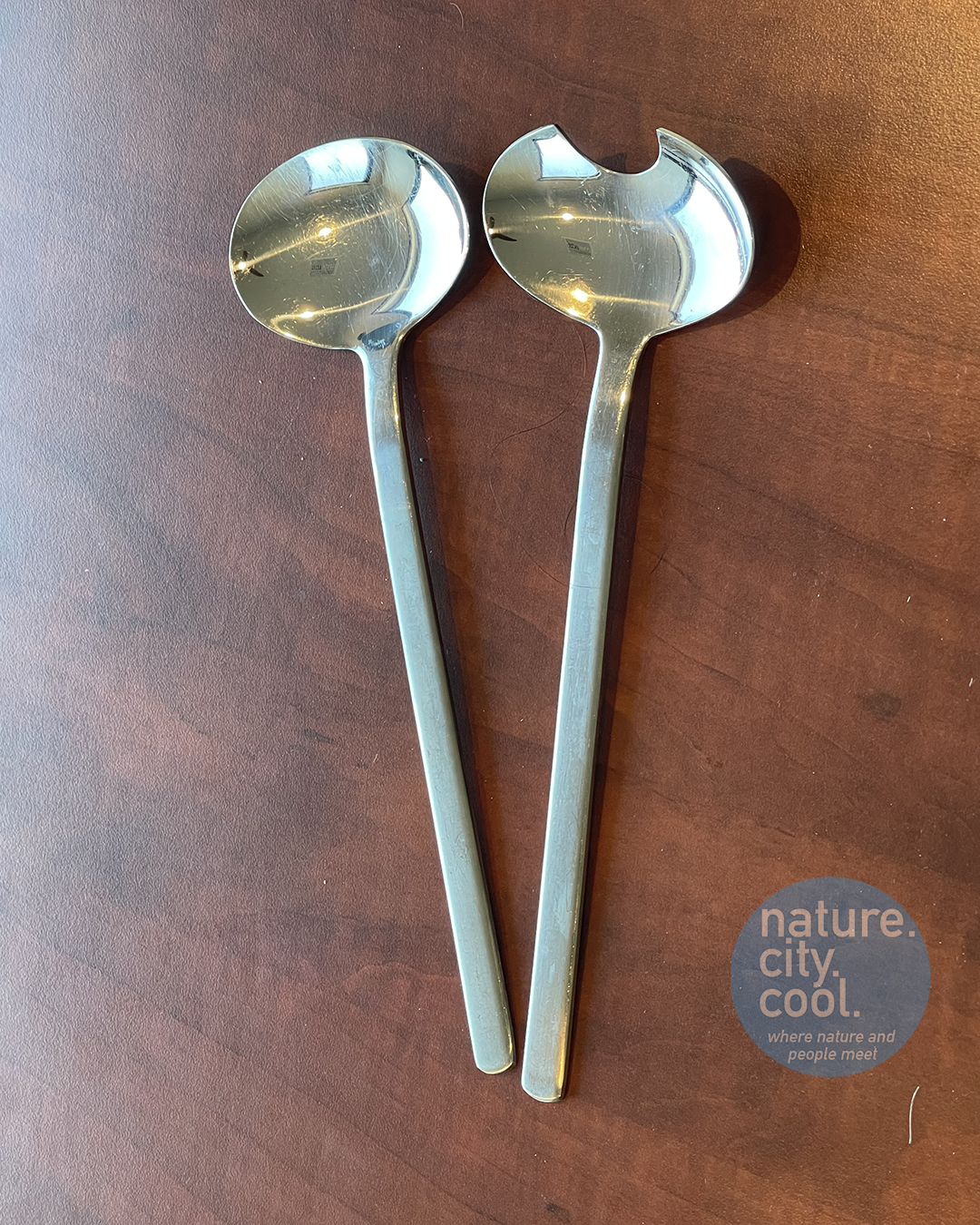
Finnish design in use
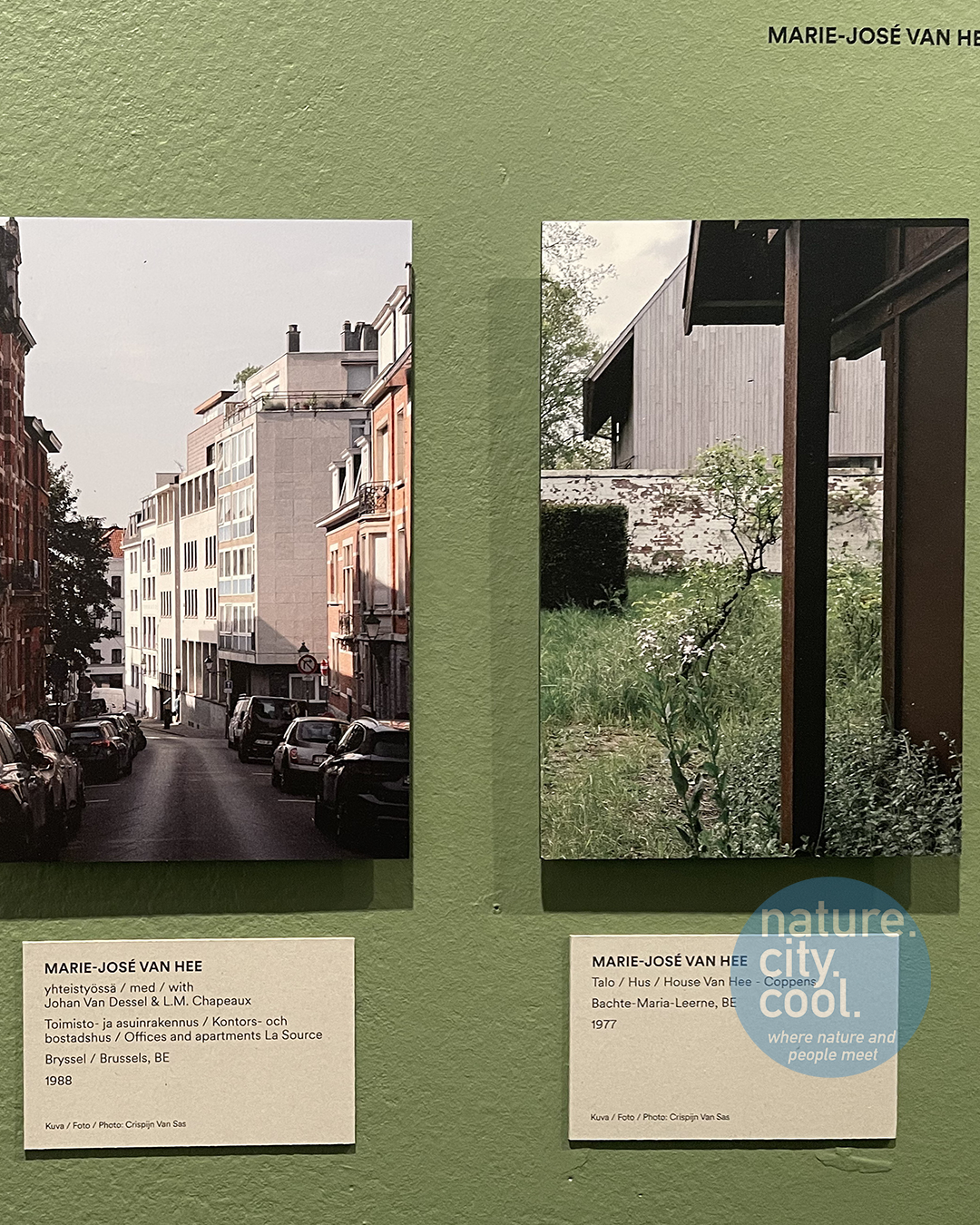
Van Hee exhibition
While in Helsinki, I was able to visit the Architecture and Design Museum Helsinki. The exhibits explain the Finnish focus on designs and materials that are functional, beautiful, adaptable and long-lasting. Here’s an example: for decades, I’ve had a set of silver salad servers I love because of their elegant and practical design. Now I have a second set, inherited from my mother. Those exact salad servers are on display at the museum as part of the Finnish design heritage!
Housing design has had this focus as well. Exhibits at the architecture museum that showcase new and emerging residential design offer a variety of housing styles and sustainable designs from architects including the Belgian Marie-José Van Hee.
Sustainable, mindful design has been part of the Finnish culture and heritage for decades. There are many great examples other communities can use to develop their own, culturally-specific sustainable designs.
Healthy Lifestyles Support a Sustainable Human Future
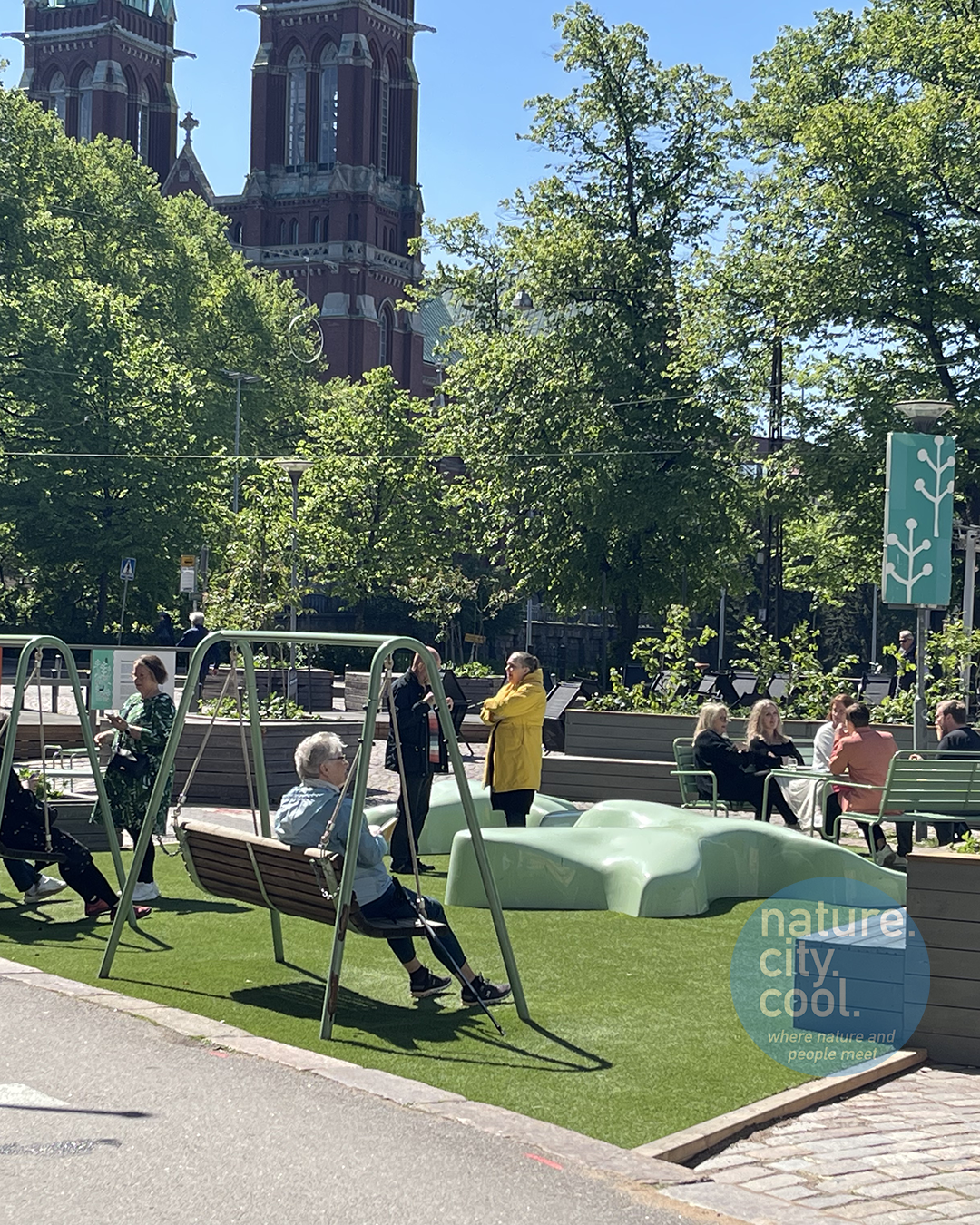
Park in Helsinki
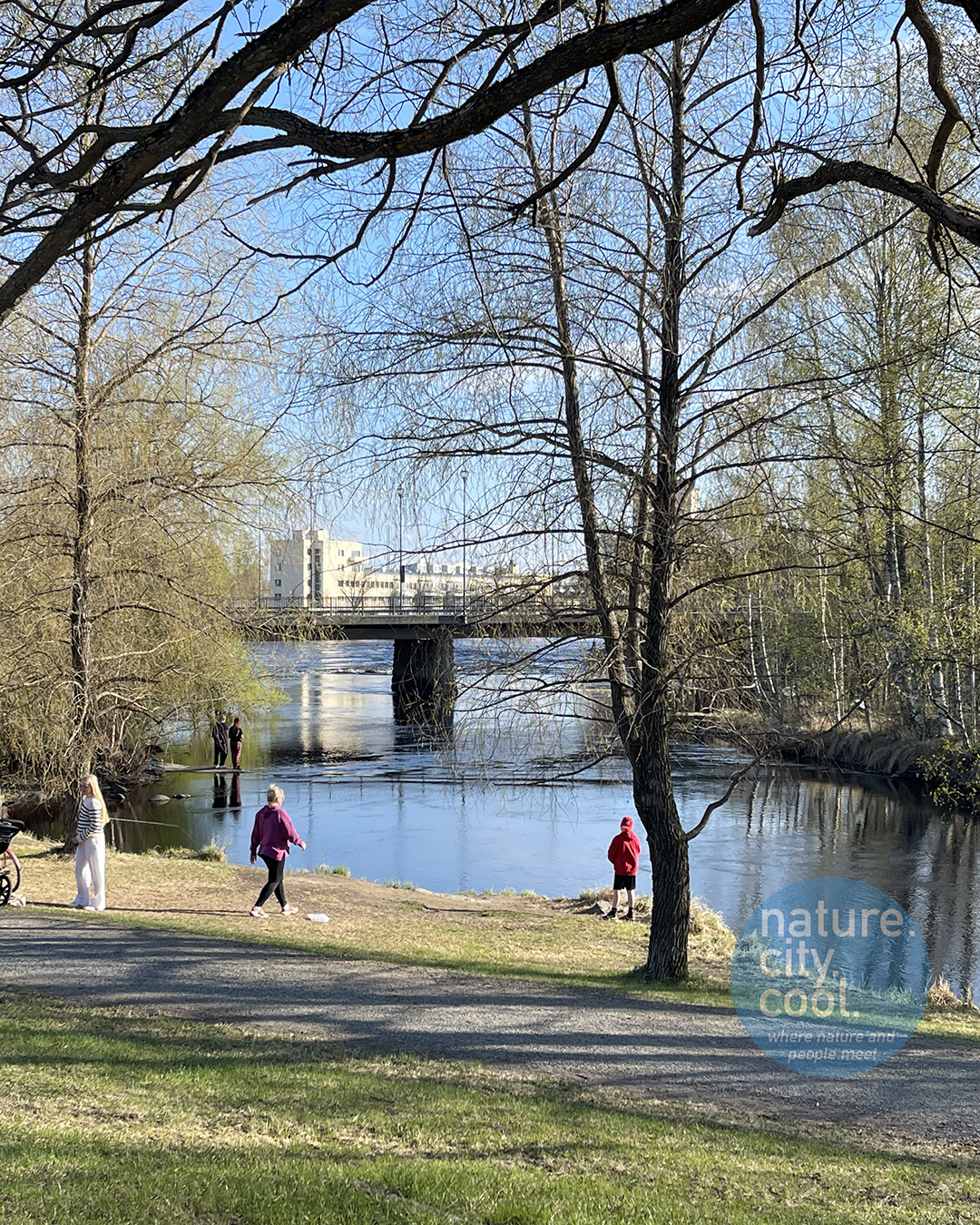
Downtown Joensuu
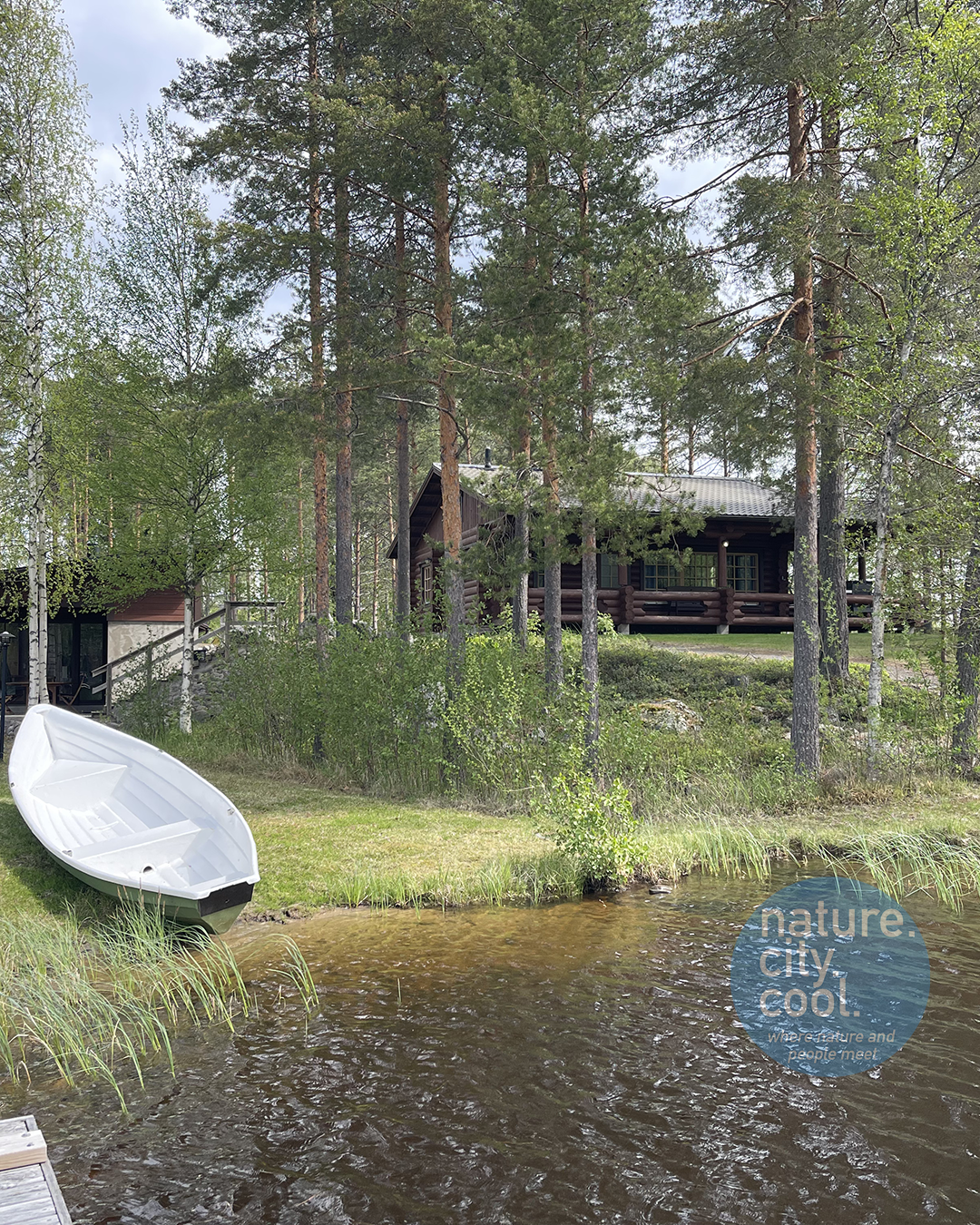
This small lake cabin has not one, but two, saunas!
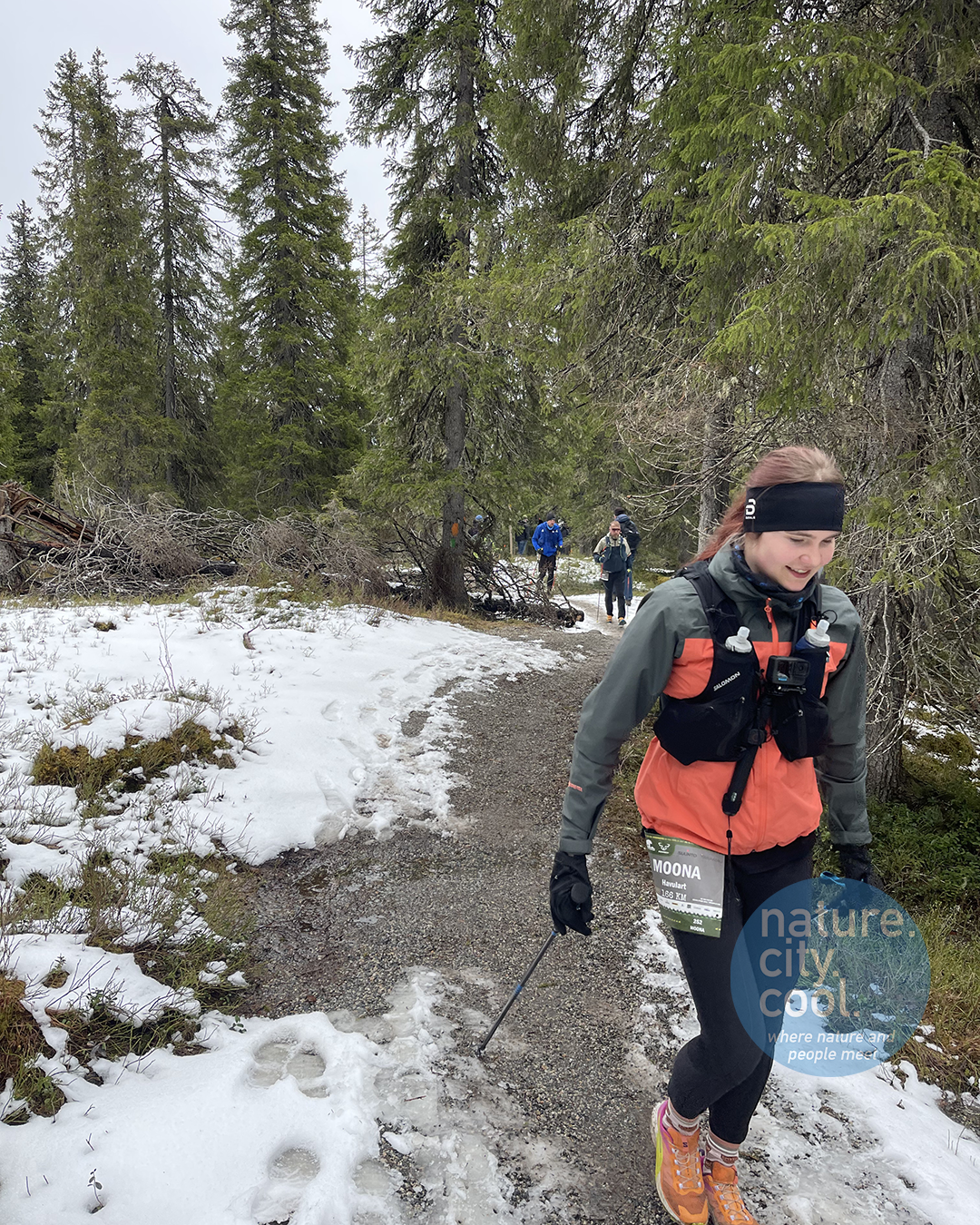
The Northern Ultra Trail Service (NUTS) trail race begins on the Karhunkierros (Bear’s) Trail and runs 166K to the Arctic Circle
For the ninth year in a row, Finland has been named the happiest country in the world. These rankings are produced by the University of Oxford’s Wellbeing Research Centre in partnership with Gallup, the UN Sustainable Development Solutions Network, and an independent Editorial Board. By comparison, the United States ranks 23rd on the happiness ranking.
CS Global Partners calculates a “Good Life Index” that considers the Human Development Index (HDI) published by the United Nations Development Programme (UNDP) and the Yale Environmental Performance Index (EPI). For 2026, Finland ranks 3rd while the U.S. ranks 20th.
The factors included in these evaluations – including safety, healthcare, education, work-life balance, environmental quality, cultural richness, social support, and access to amenities – explain why Finland is a country that offers its people a sustainable future. Some other cultural features also support this.
The sauna is among the most recognizable of Finnish exports. Its health benefits include improved heart health, lower blood pressure and potentially reduced risk of dementia. In Finland, saunas can be found in homes, recreation centers, hotels and even businesses. As a result, there are an estimated 2 saunas for every 5 people in Finland.
Exercise is another area where Finnish culture supports a healthy lifestyle. The first sports club in Finland (a sailing club) was founded in 1856 and the Finnish Outdoor Association Suomen Latu has been connecting Finns with the outdoors since 1938. Even in the winter, residents of Helsinki can be found enjoying “ice swimming” in the harbor!
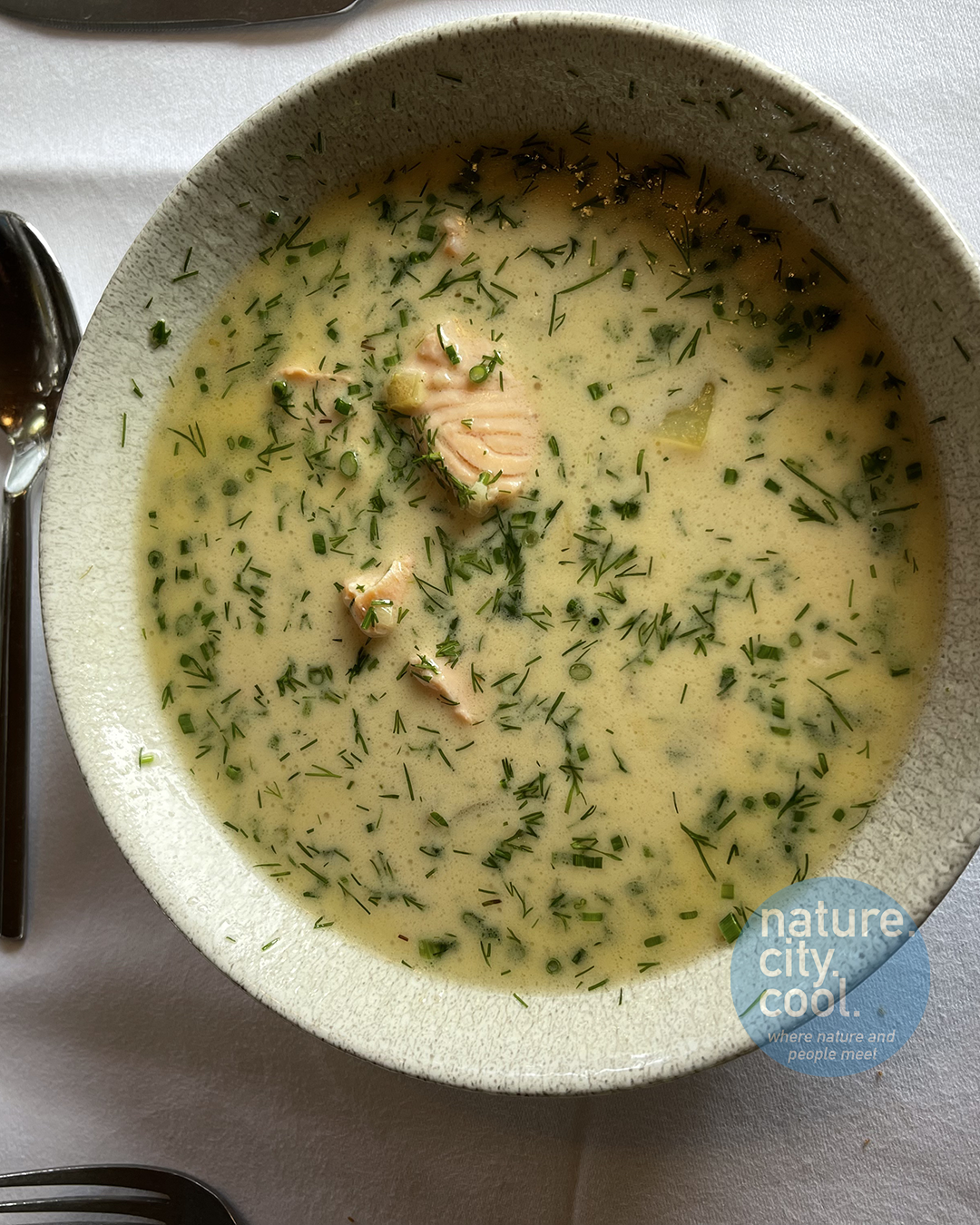
Traditional Salmon soup
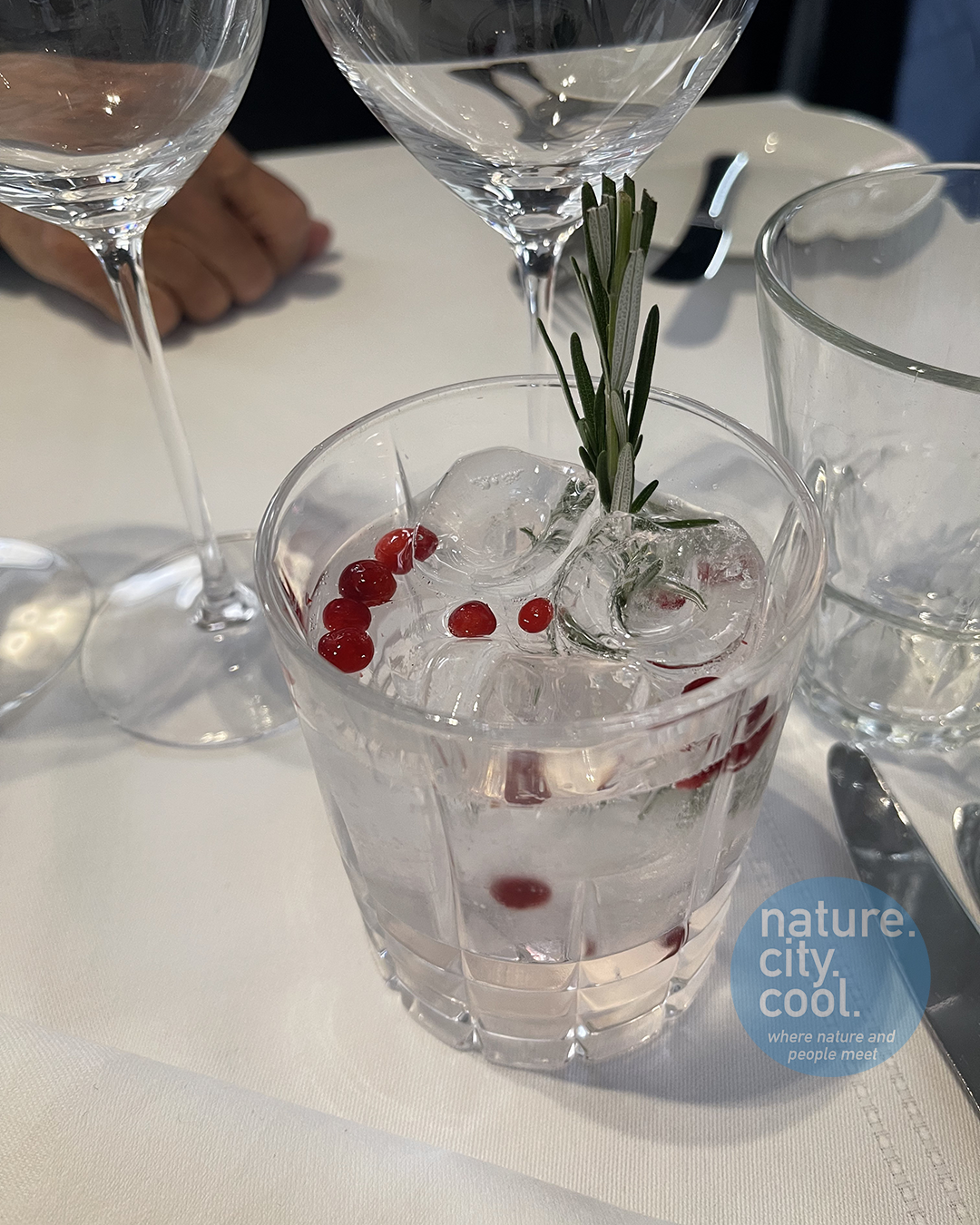
Even the martinis are decorated with native berries and herbs
Nutrition is a focus for education and everyday behavior. The Finnish Food Authority provides a very simple guide: fill half your plate with vegetables (cooked or in a salad), one quarter with starch (potato, rice, etc.) and the last quarter with protein (meat, fish, beans, etc.).
There is also a strong cultural bias against food waste. At every hotel buffet we visited, there were signs telling diners what the restaurant’s goal for reducing waste was, and reminding everyone to take only as much food as they were really going to eat. These simple, easy-to-remember steps support the health of people and the community.
The “everyone’s right” doctrine plays a role here too. Since everyone is allowed to forage in the forests, the practice is much more common than in most developed countries. Foods such as local berries, nuts, greens and mushrooms are celebrated as regular parts of the Finnish diet.
These lifestyle habits support the country’s happiness rating. They also contribute to the notable health measures for Finland as well. The average life expectancy for a baby born in Finland in 2020-21 is 81.5 years, compared to 76.4 in the United States and 71.4 worldwide. Obesity is substantially lower than in the United States. In 2022, the World Health Organization reported that 42% of adults and 20.6% of children in the United States were obese. In Finland, only 21.5% of adults and 12.6% of children were obese.
Livable Cities are Connected to Their Environments
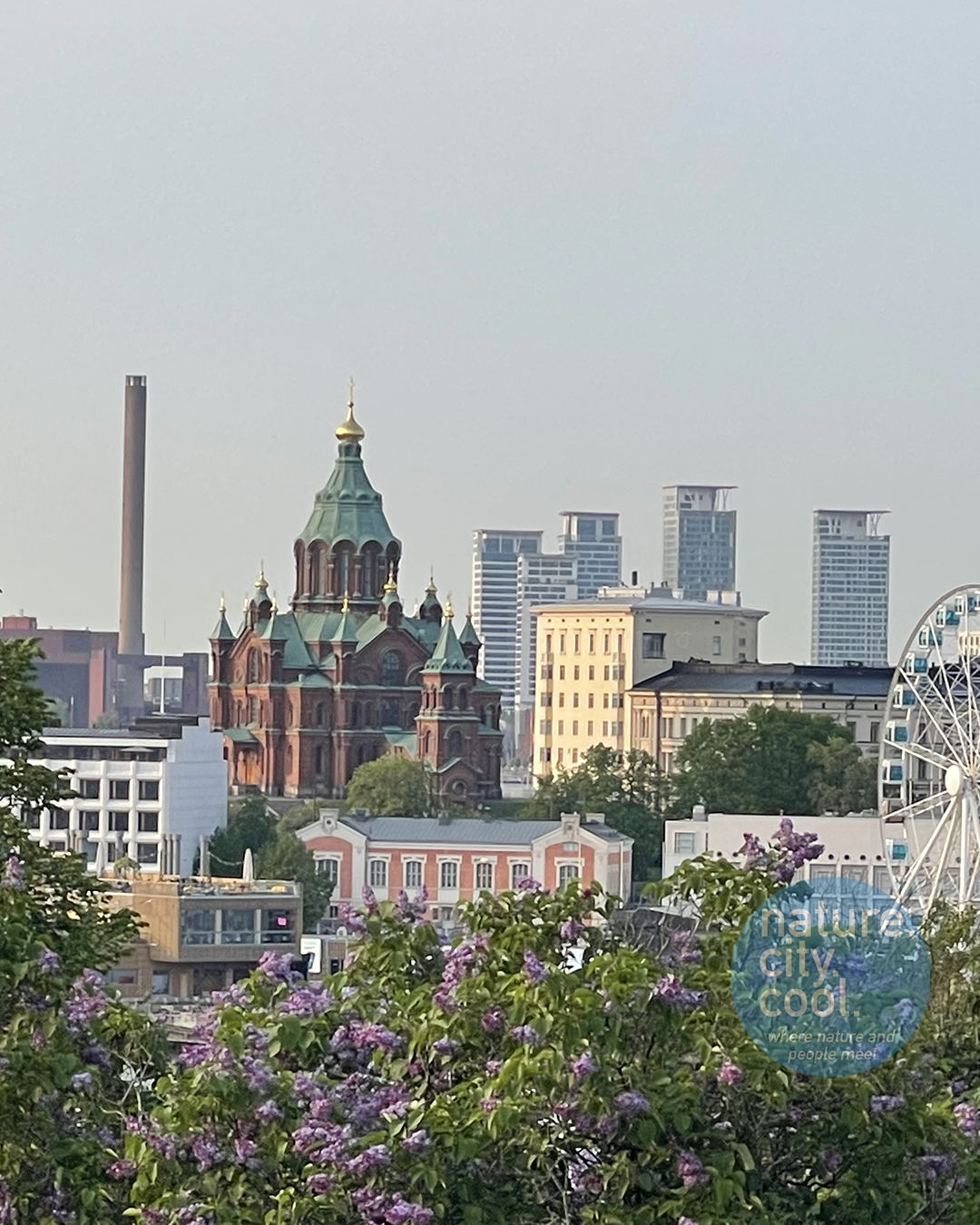
Central Helsinki and waterfront
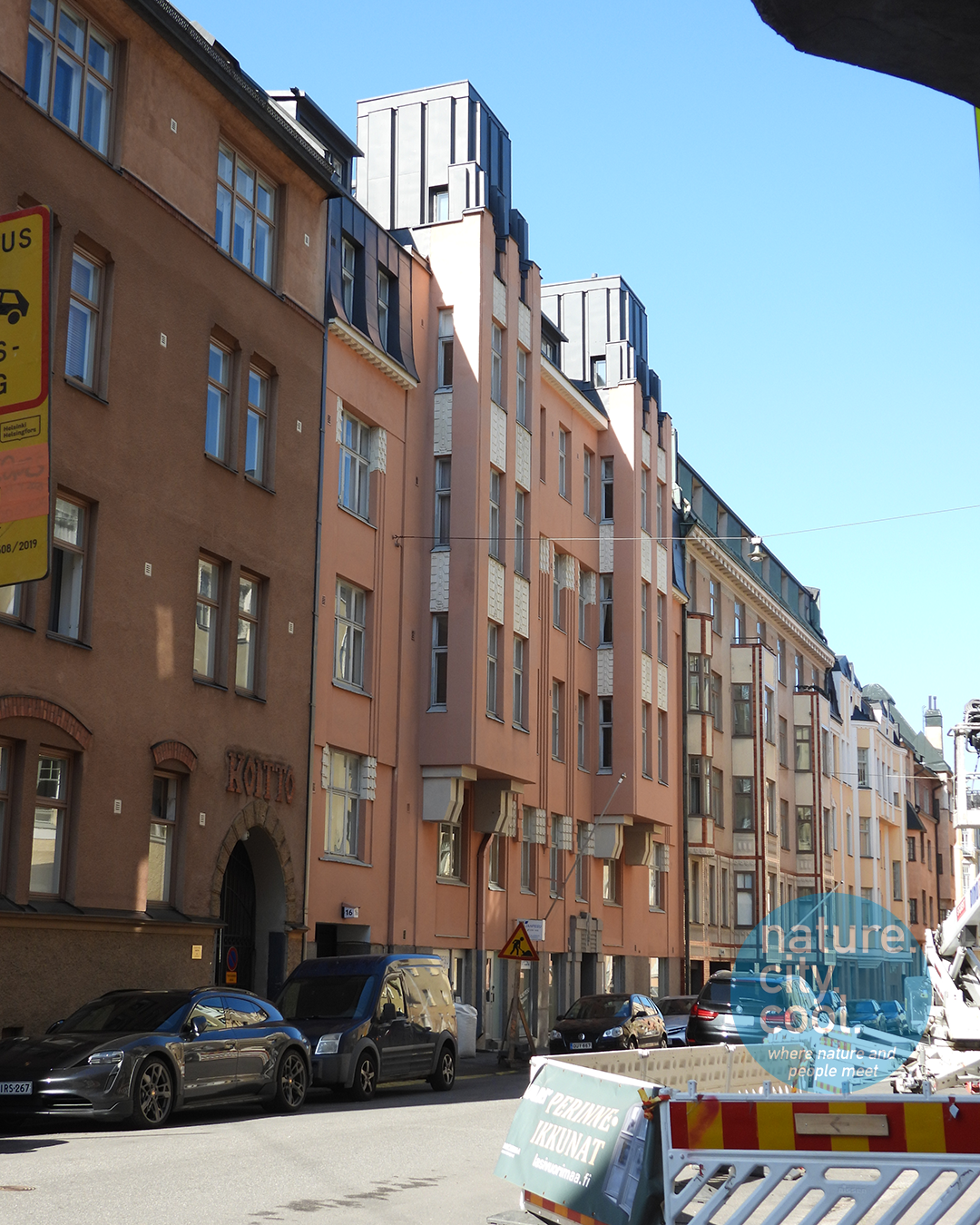
Housing flats in the Art Nouveau neighborhood centered on Luotsikatu Street
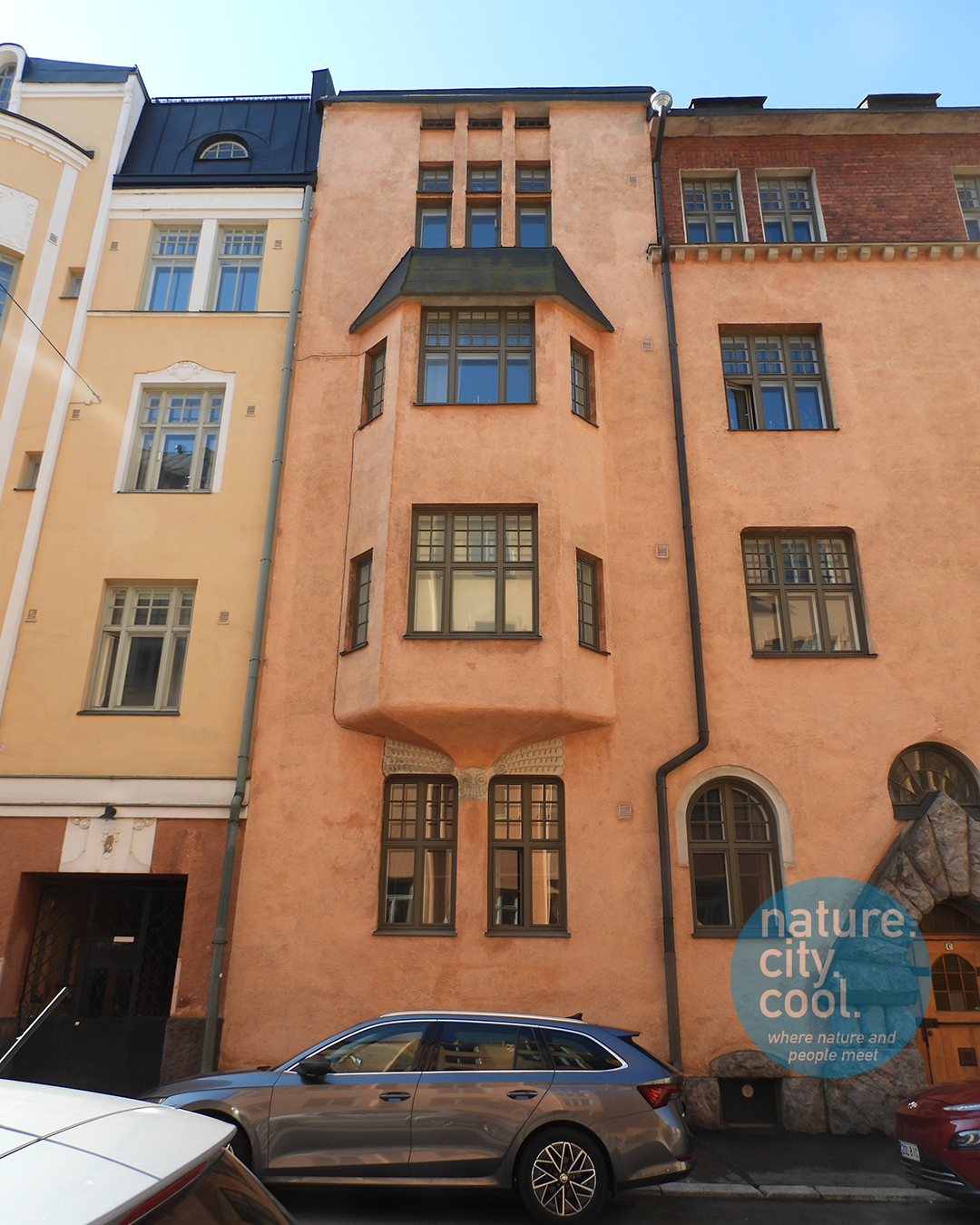
Housing flats in the Art Nouveau neighborhood centered on Luotsikatu Street
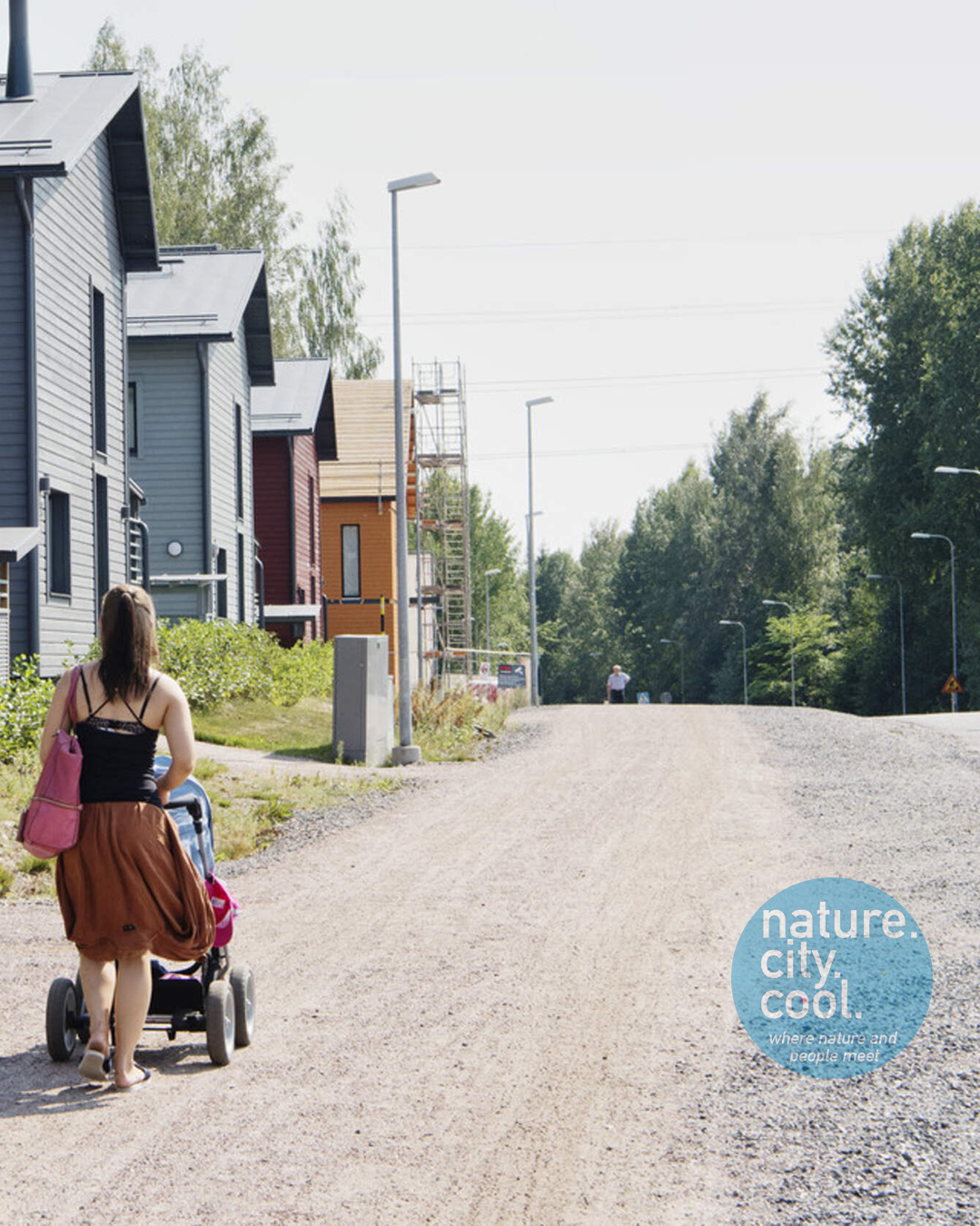
Housing in Honkasuo, a new community of green housing in Helsinki
Planning for Helsinki emphasizes sustainability. Since 2018, it has used the UN’s Sustainable Development Goals (SDG) as the basis for evaluating its City Strategy. It has set a goal of being carbon-neutral by 2035.
The current City Plan 2016, adopted in 2018, includes support for infill in the city center and ‘suburban regeneration’ in other areas. This approach includes City investment to revitalize neighborhood infrastructure and efforts to renovate and build new housing in these areas.
Transportation is also an area of focus for sustainability. 79% of all trips in Helsinki occur using sustainable modes (walking, cycling and using public transport). The vision for the regional transportation system’s strategic plan is “[A] vibrant urban region where sustainable mobility is the easiest choice”.
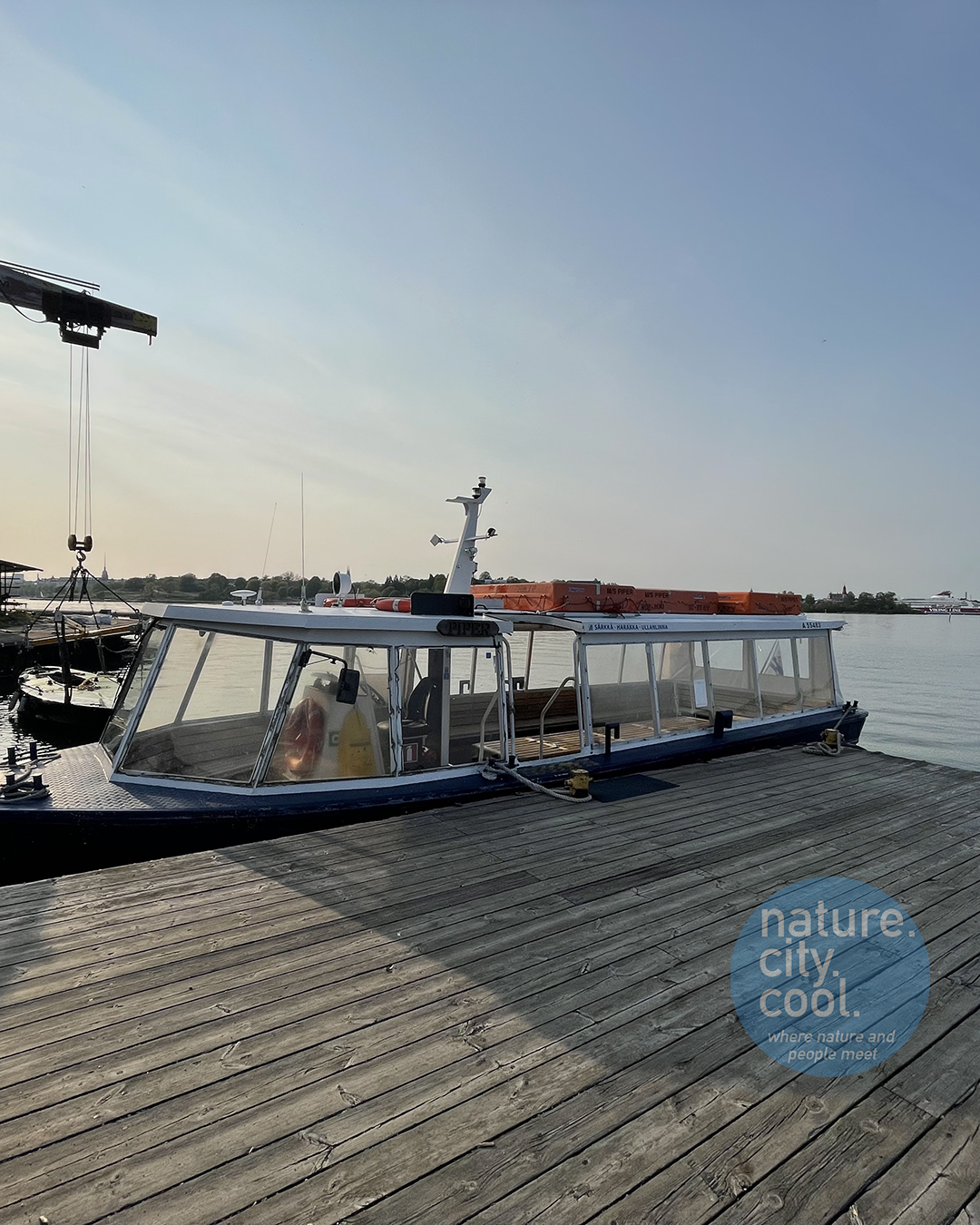
Some of Helsinki’s transportation options
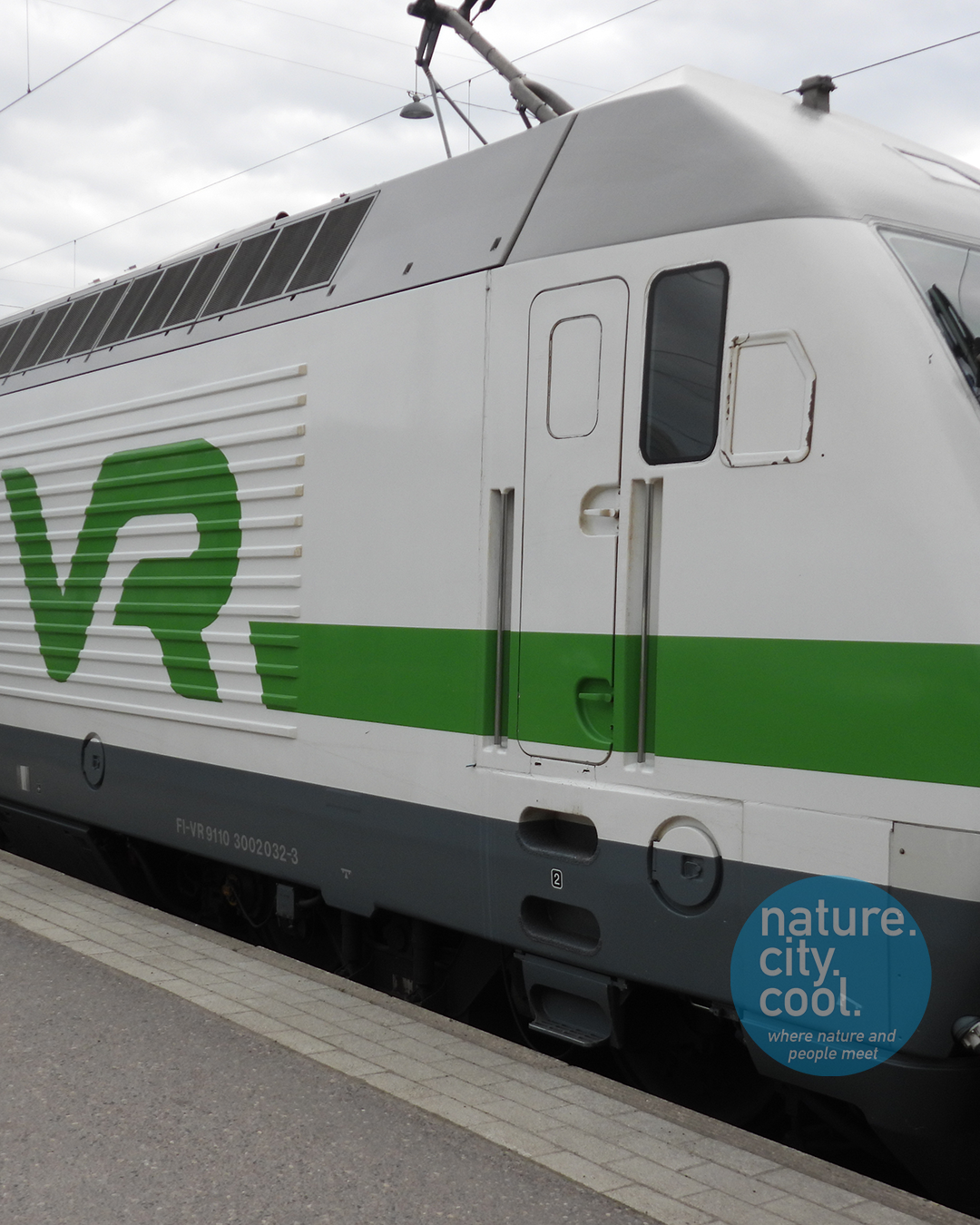
Some of Helsinki’s transportation options
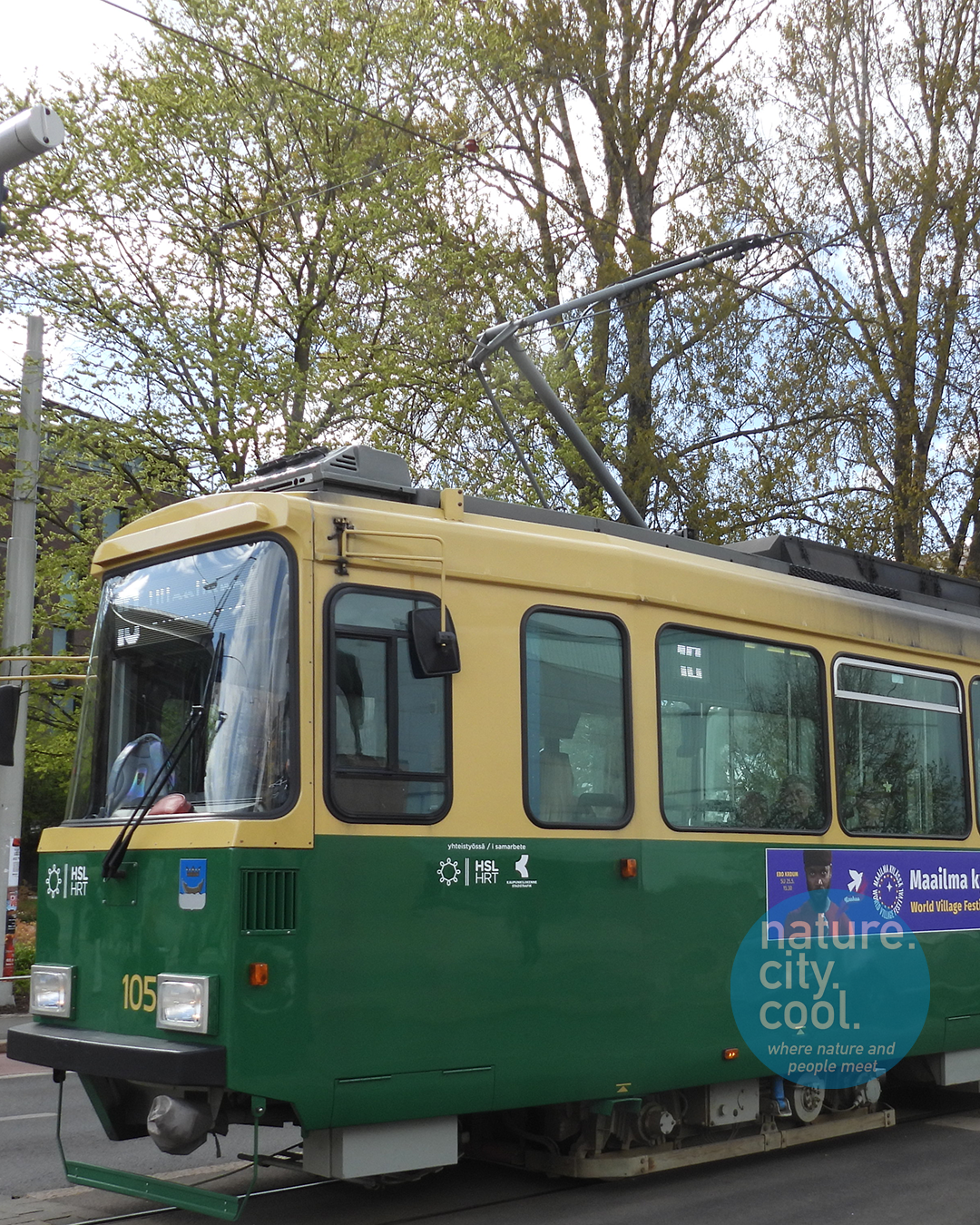
Some of Helsinki’s transportation options
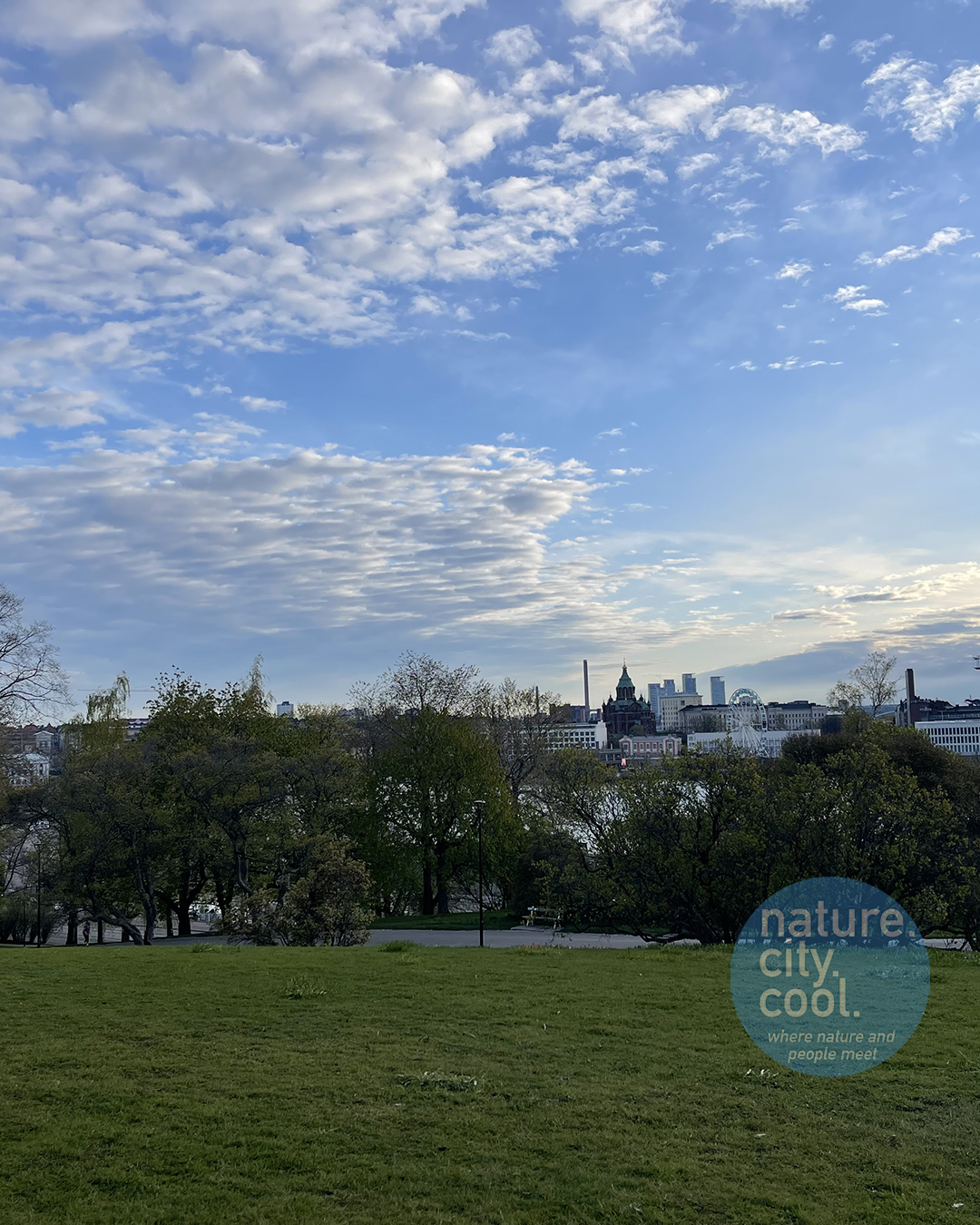
Tähtitorninvuori Observatory Hill Park, Helsinki
Like most major cities, Helsinki struggles with housing affordability. Recent years have increased these challenges, first due to the COVID pandemic and more recently due to Russia’s war on Ukraine. The city is seeking to increase affordability through initiatives that provide a wider range of housing types and ownership models.
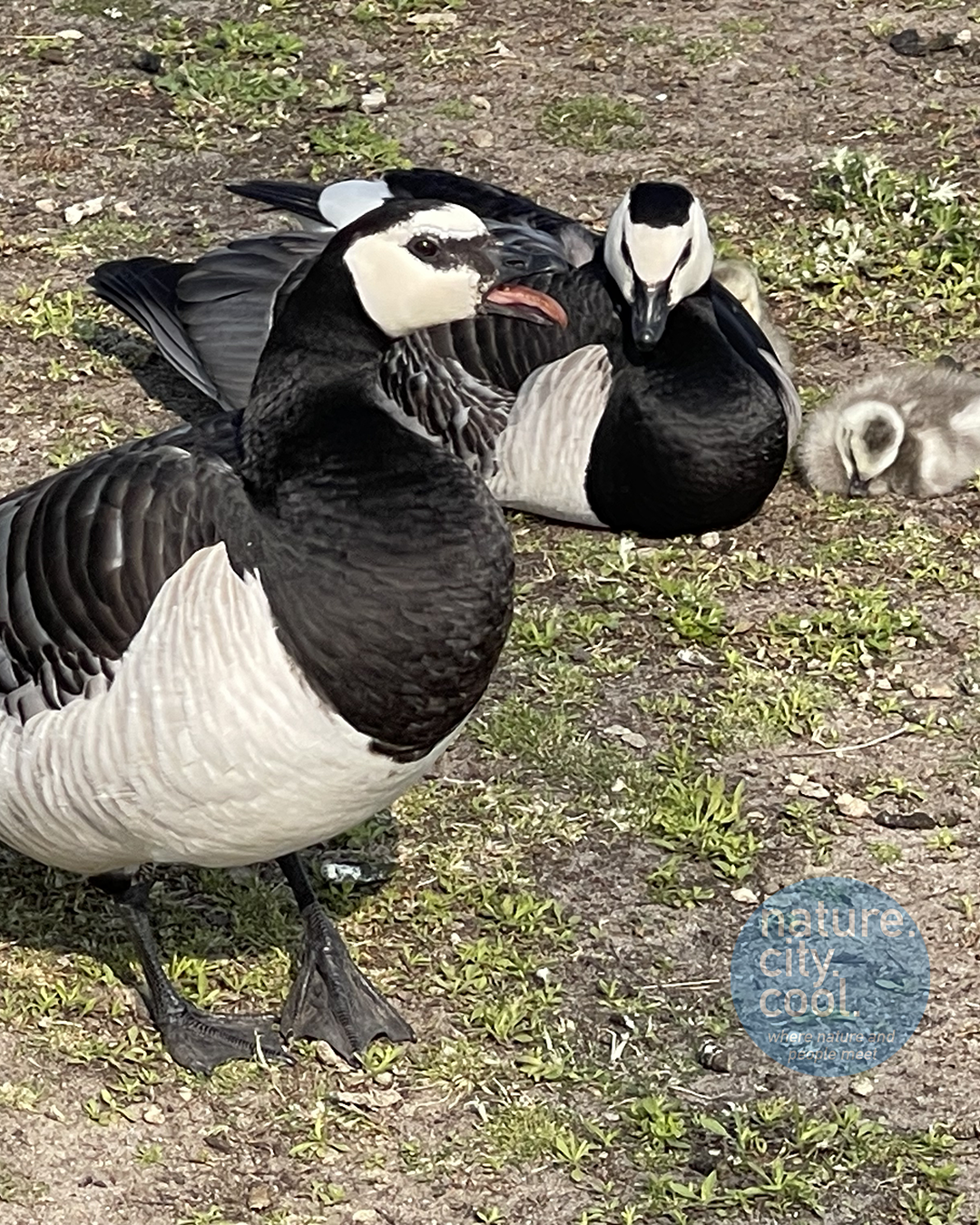
Some of Helsinki’s resident Barnacle Geese
Nature and open space is found throughout Helsinki. Almost 34% of land in the city is green space managed by the City. This includes 71 nature preserves.
As the largest and most densely-populated city and region in Finland, Helsinki is a model for the rest of the country and an excellent example of nature and cool design in a sustainable city.


Tell us about that favorite spot. What’s the vibe that makes it so awesome? What’s fueling all that good energy?

Share insights from your experiences of designing, enhancing and transforming cool sustainable places.

Join the conversation. Keep up with the latest new stories, ideas and discussions.