Tell us about that favorite spot. What’s the vibe that makes it so awesome? What’s fueling all that good energy?
Project Description
Small Gardens Create Multiple Paths to Sustainable Communities
Local gardens, such as Bonton Farms in Dallas, TX, are often treated as a small-scale initiative. But the pattern seen across many diverse communities suggests something bigger.
When gardens intersect with circular use of materials, public health, economic opportunity, and social connection, they serve as urban resilience infrastructure.
Reduce, Reuse, Repair, Recycle
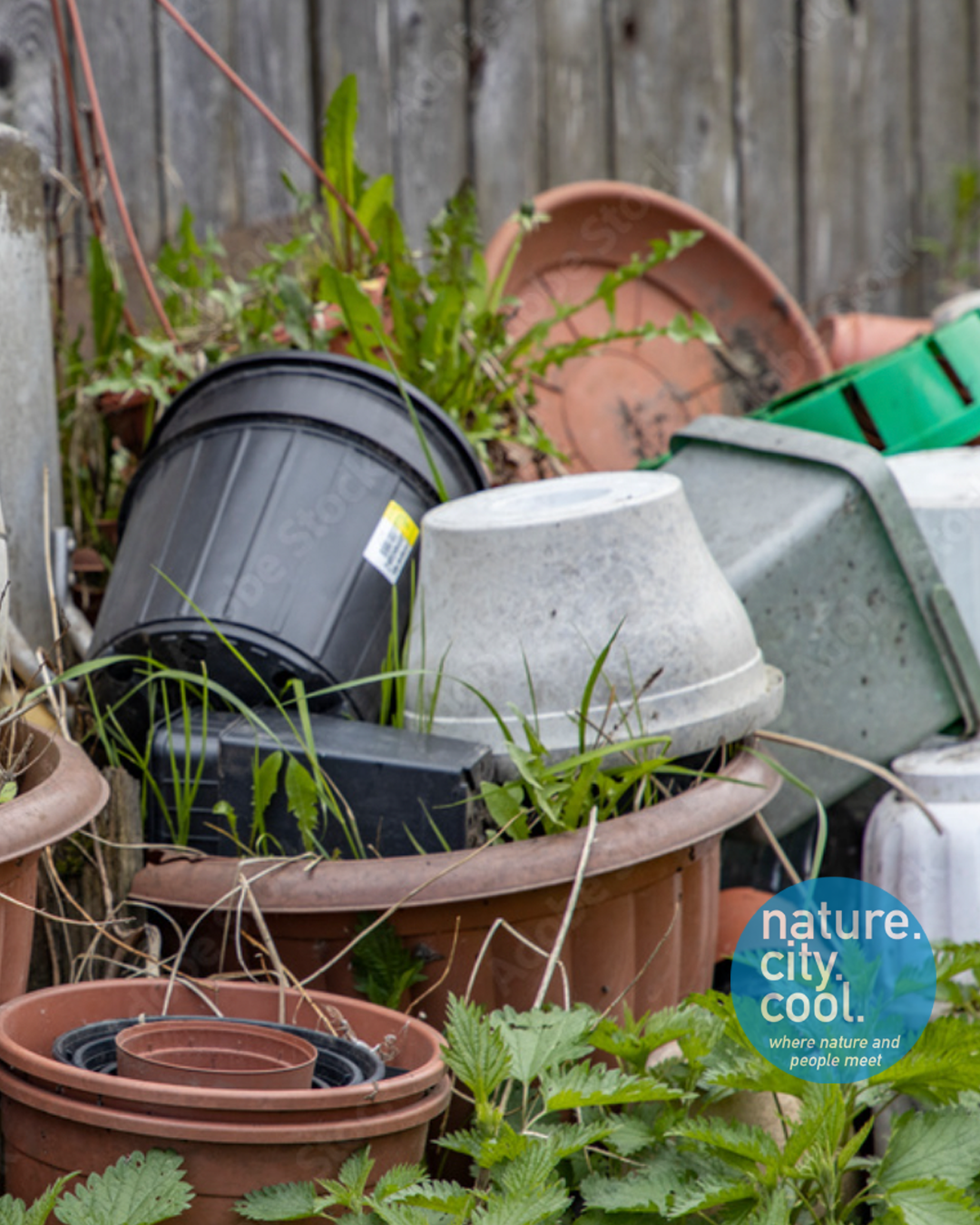
95–98% of plastic garden pots end up in landfills
What happens to all the used garden pots?
Every spring, garages and garden sheds are cleaned out across our cities. Stacks of plastic and ceramic pots—along with trays and planting supplies—often end up in the trash.
“Reduce, reuse, repair, recycle” has long been the guidance for more sustainable use of materials. But in practice, it’s harder than it sounds. And that’s partly because it’s not clear how to do it.
Estimates suggest 95–98% of plastic garden pots end up in landfills.
. Some pots are now made with other materials, but most are still plastic.
That raises some practical questions for gardeners, planners and communities:
How can we keep these materials in circulation longer? Where are the systems to make it happen? Who’s doing the work?
In Dallas, we discovered one local solution through Bonton Farms, a non-profit community farm and garden that accepts used pots and garden supplies for reuse by their farmers.
It’s a small example of a larger pattern: local or neighborhood places and teams that enable individuals to take action differently, which in turn makes the larger community or city more cool and sustainable.
Effects on Personal and Economic Well-being
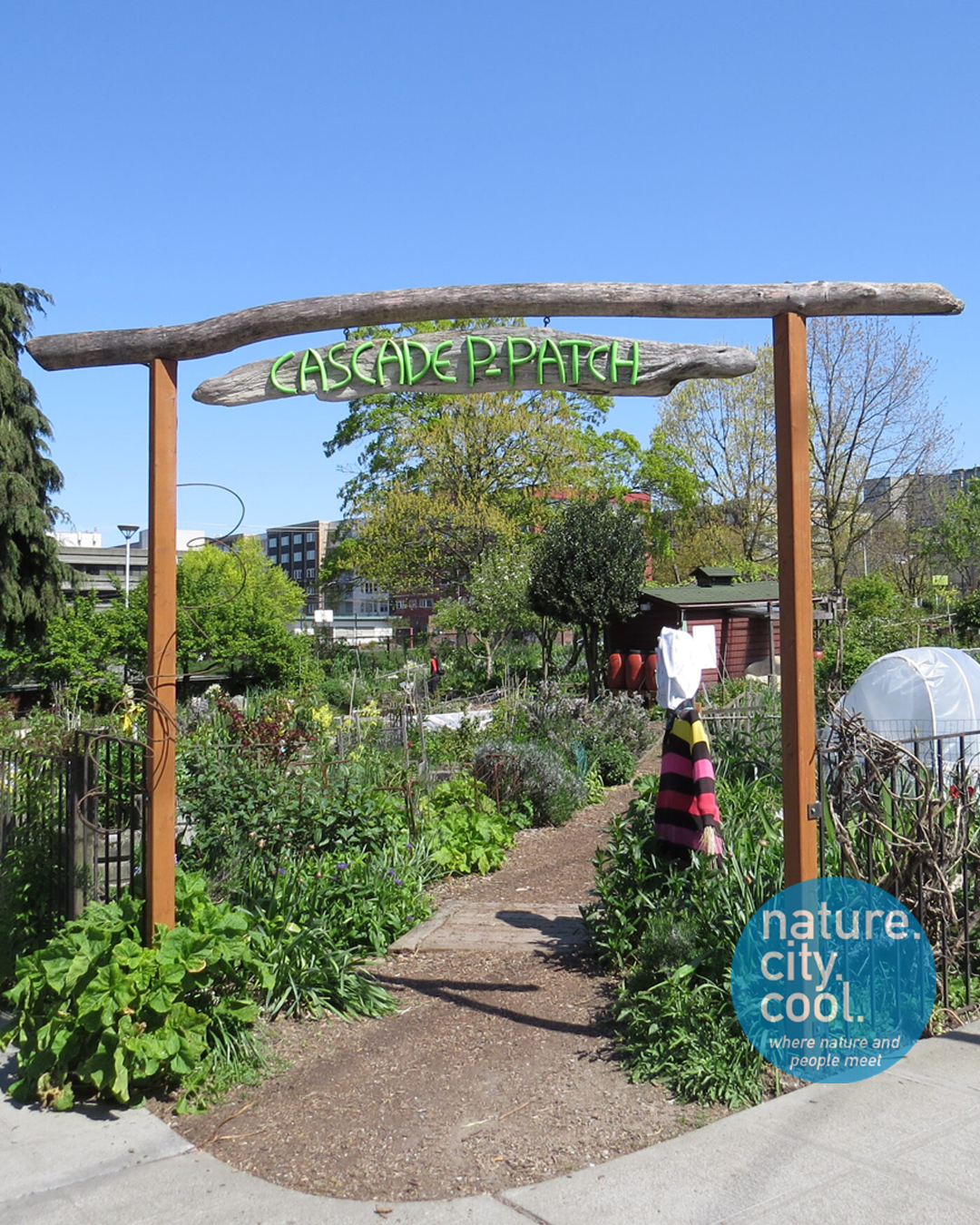
Cascade P-Patch, a community garden in Seattle WA
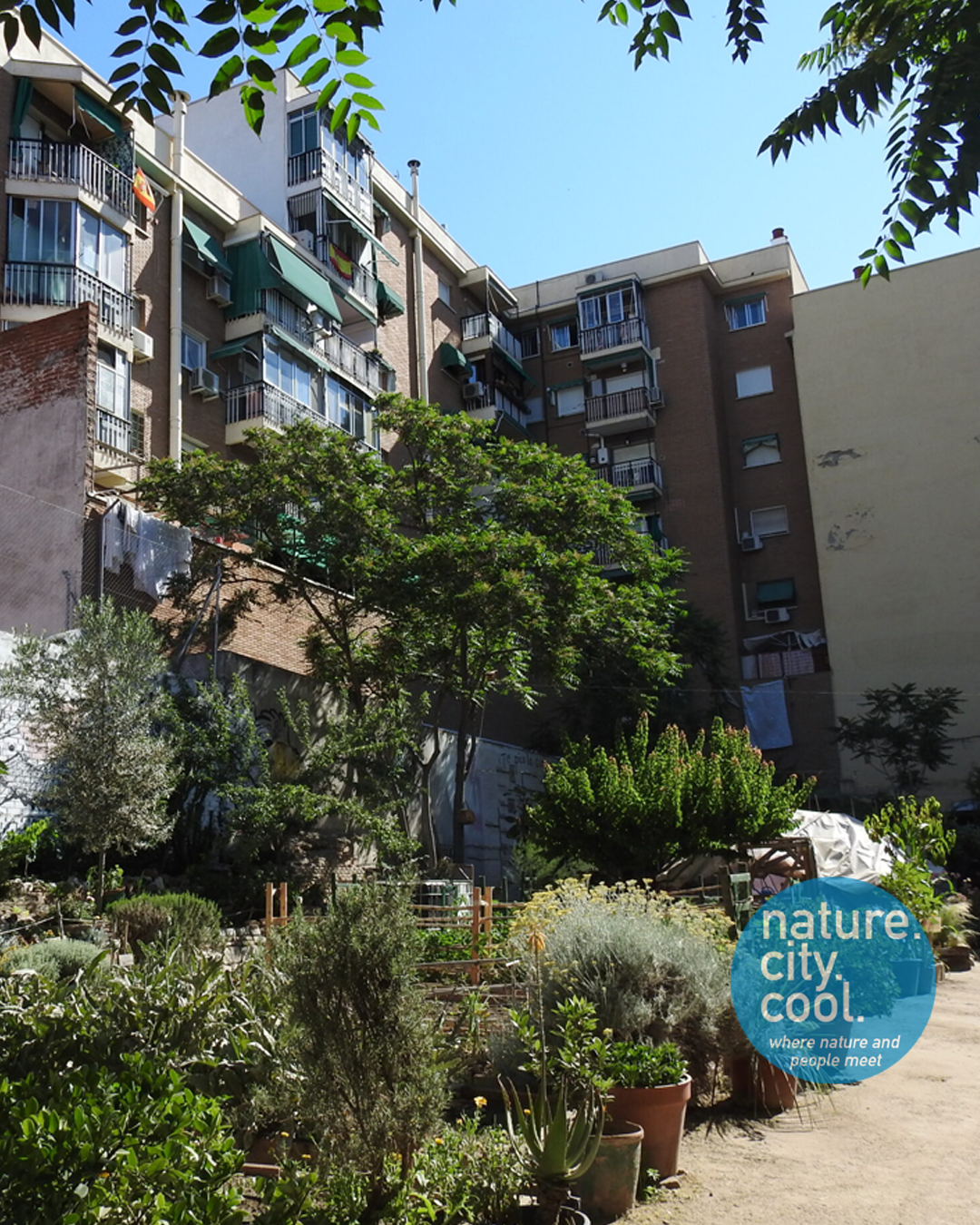
Development and community gardens in Madrid, Spain
Community gardens do more than grow food. They grow healthier communities.
A 2021 review in the International Journal of Environmental Research and Public Health analyzed 84 studies and found community gardens contribute to:
- improved general health
- increased physical activity
- reduced body mass index (BMI)
- improved mental health
Urban agriculture – community gardens as well as businesses based on local agricultural production – offers economic benefits as well.
A study in New York City found property values within 1,000 feet of community gardens increased by up to 9.4% within five years of a garden’s establishment.
These findings demonstrate an intriguing reality:
Community-based agriculture can serve simultaneously as public health infrastructure, neighborhood amenity, and economic catalyst.
Gardens as Community Action
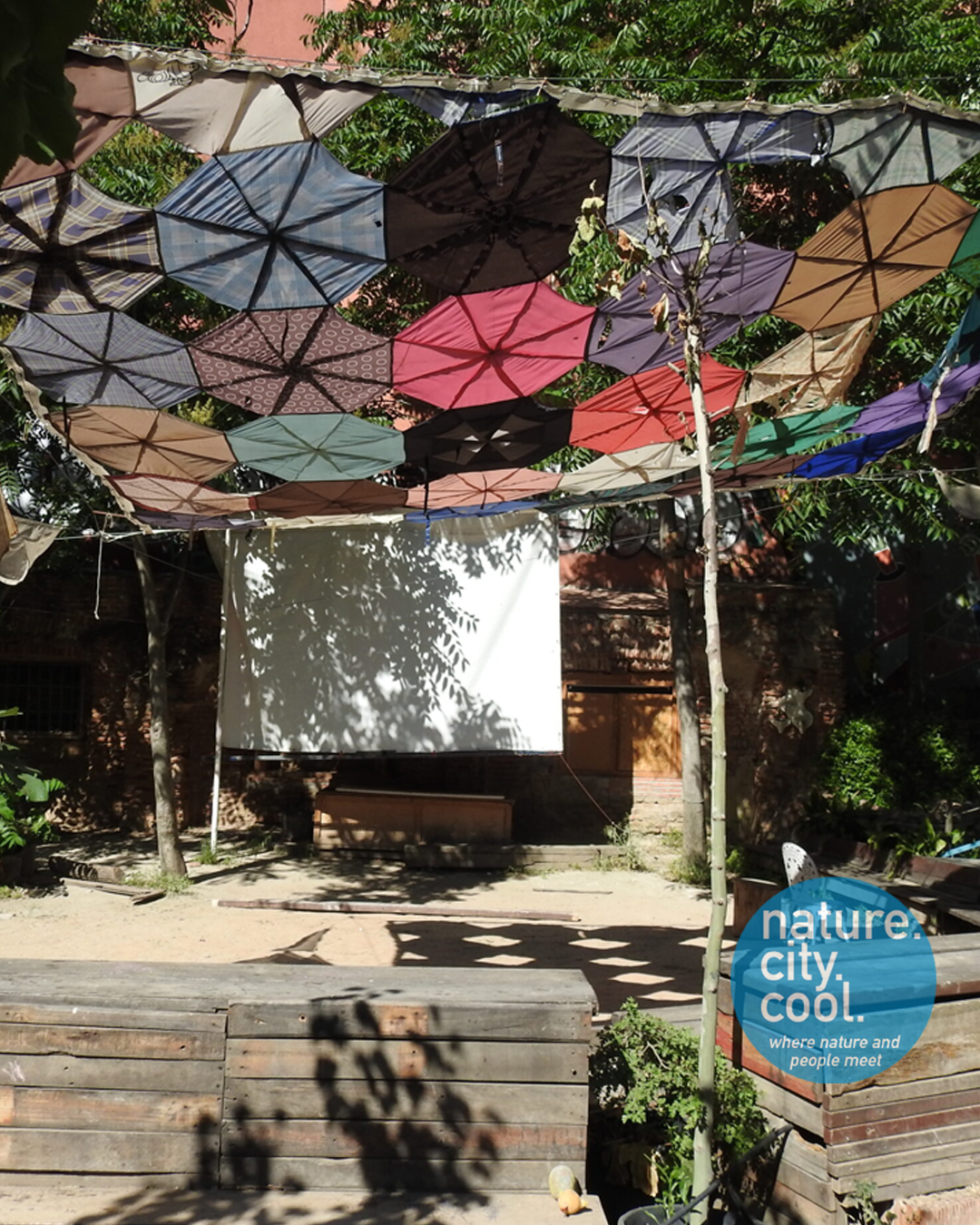
A gathering place in Madrid’s “Este Es Una Plaza” community garden
Family time in Madrid’s “Este Es Una Plaza” community garden
Community gardens often succeed because they solve more than one problem at once.
Beyond food production, shared gardens frequently strengthen:
- neighborhood connections
- social cohesion
- perceptions of safety
- environmental quality
They can also help new residents and immigrant communities maintain cultural food traditions while building relationships with long-time neighbors.
Yet gardens sometimes face barriers—concerns about aesthetics, land use, and management. Clear policies and regulations can address many of these issues.
For residents, planners and community leaders, the lesson is straightforward:
Gardens don’t just support a hobby for a few neighbors — they provide civic infrastructure that strengthens the larger community.
Everything Comes Together at Bonton Farms
Part of the main garden at Bonton Farms, Dallas TX
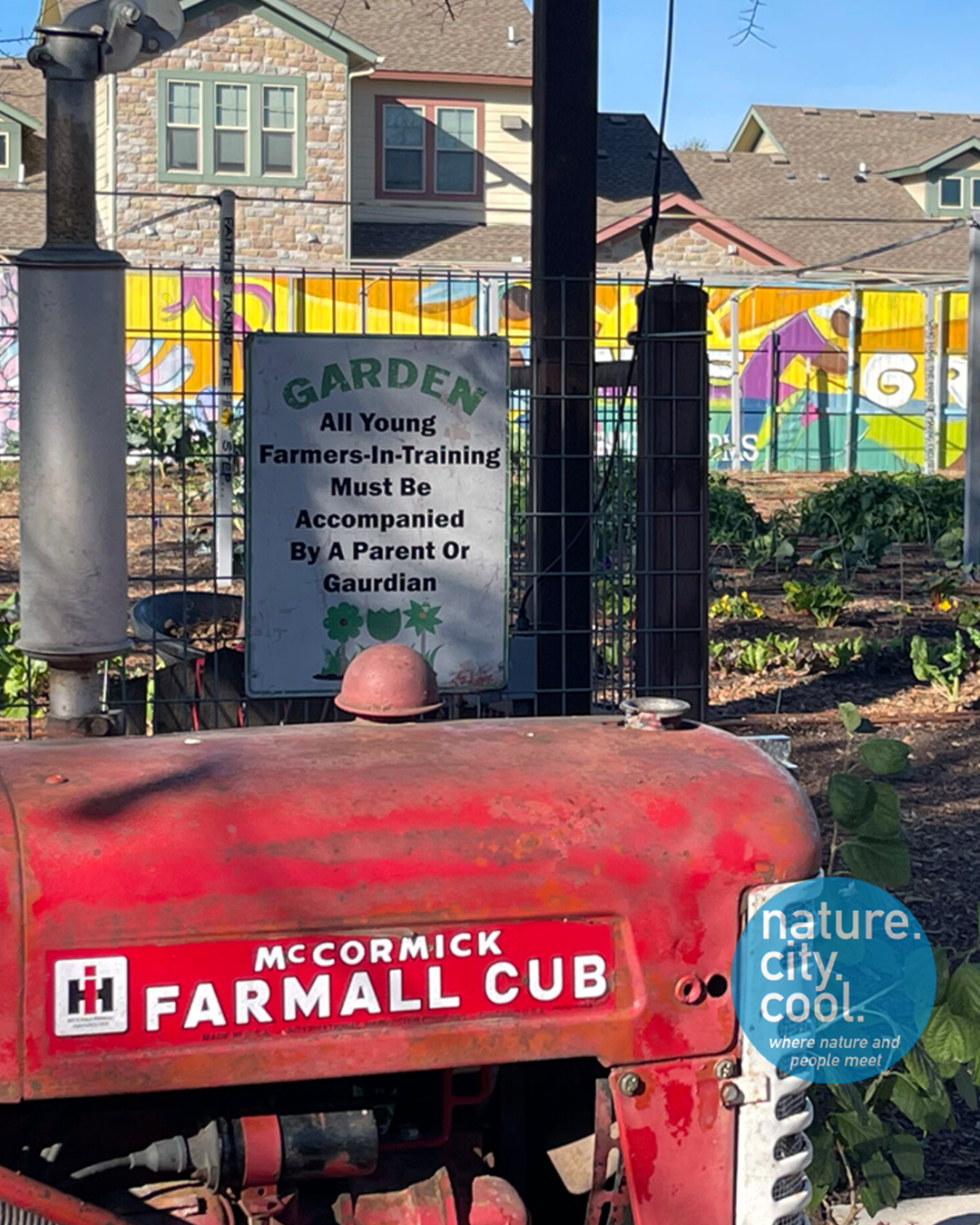
Bonton Farms is training neighborhood youth for jobs as well as teaching about fresh, healthy food
The mission of Bonton Farms is “We transform lives by disrupting systems of inequity, laying a foundation where change yields health, wholeness and opportunity as the norm.”
Today, the initiative includes:
- working farms that produce fresh food
- job training and employment pathways
- affordable housing
- a wellness center
- a café and farmers market
- community programs that support neighborhood residents
It demonstrates how urban agriculture can operate not just as a garden, but as a platform for community resilience and opportunity.
Systems to Solve Multiple Challenges
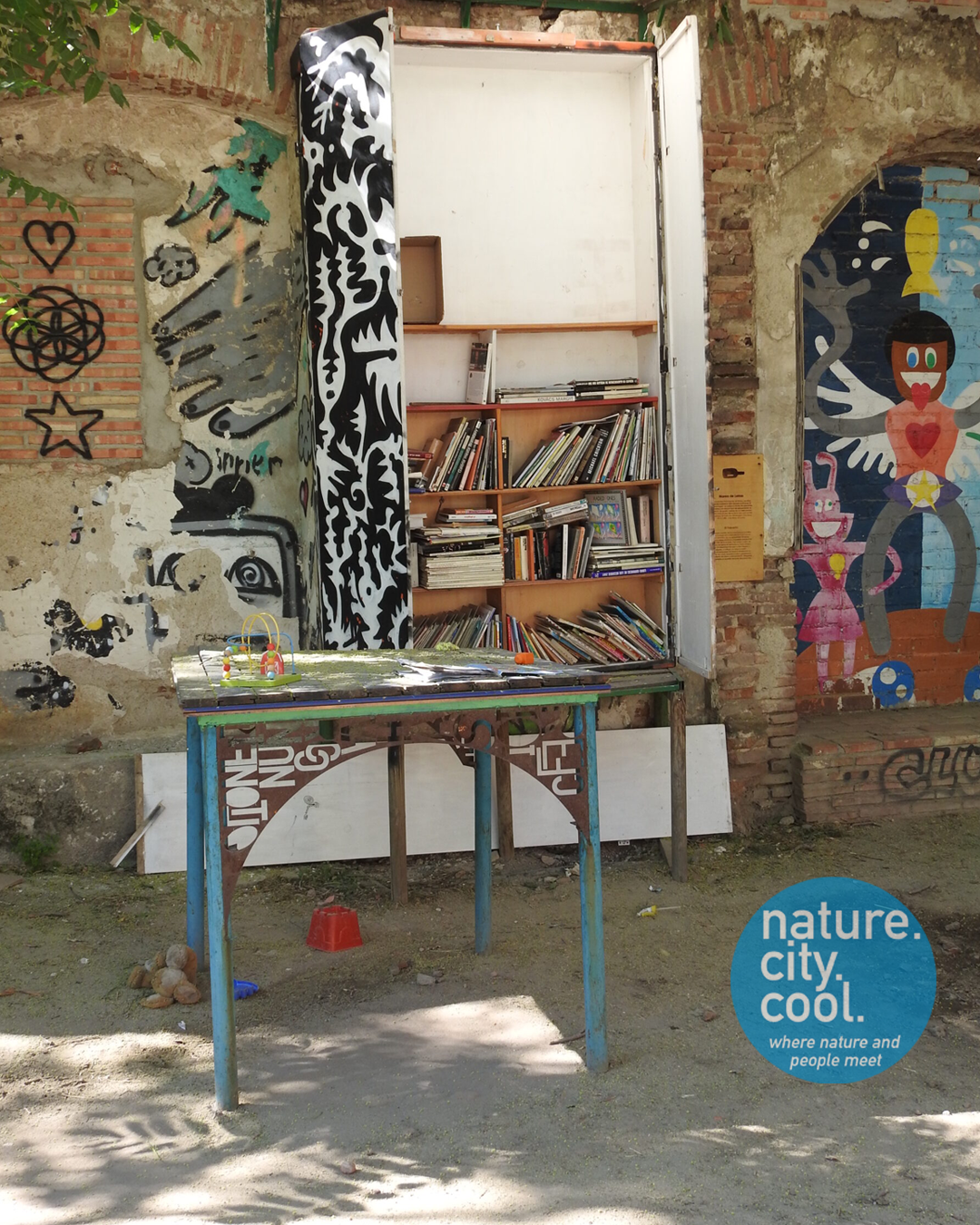
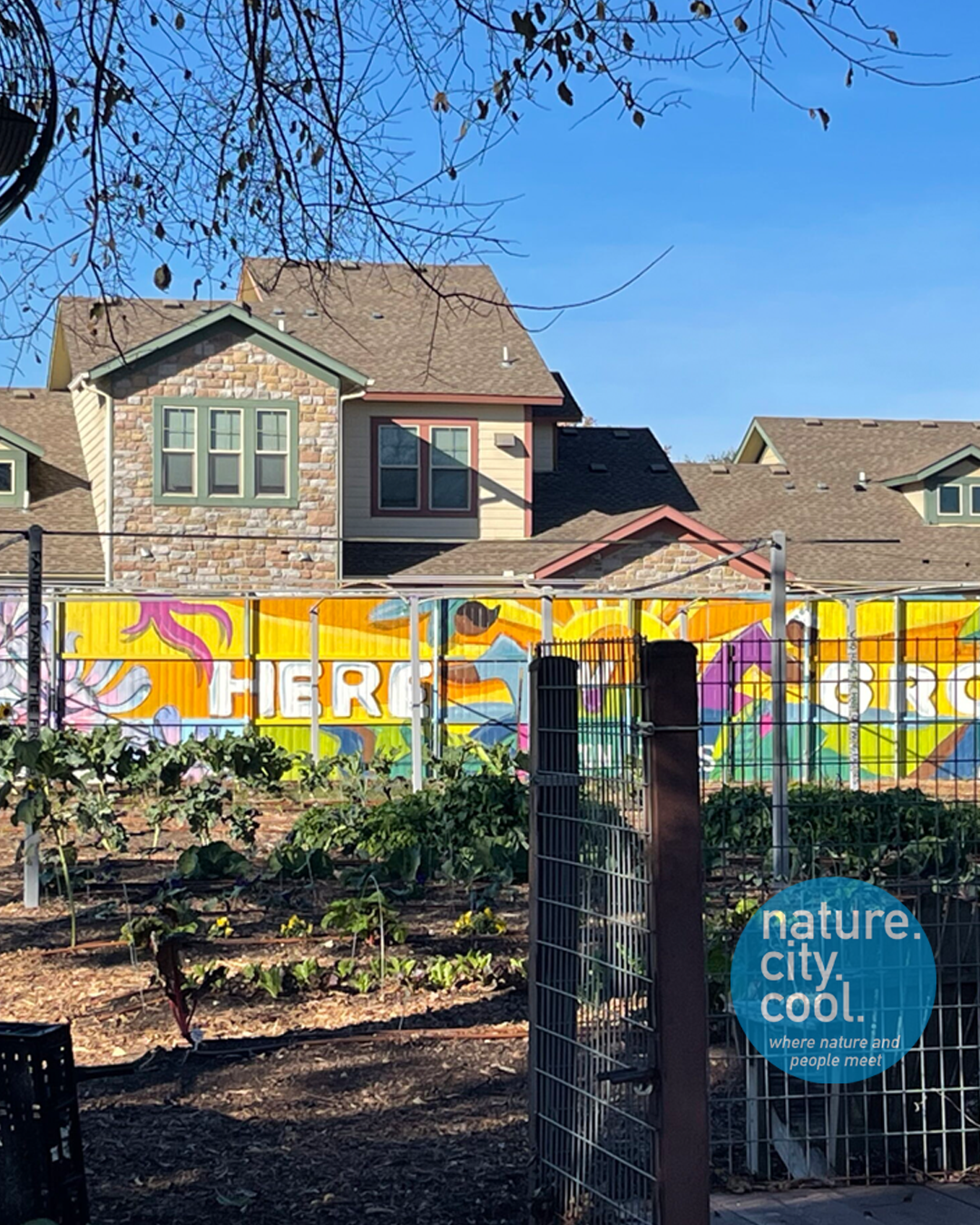
A lending library and murals emphasize the role a community garden can play to support art and literacy
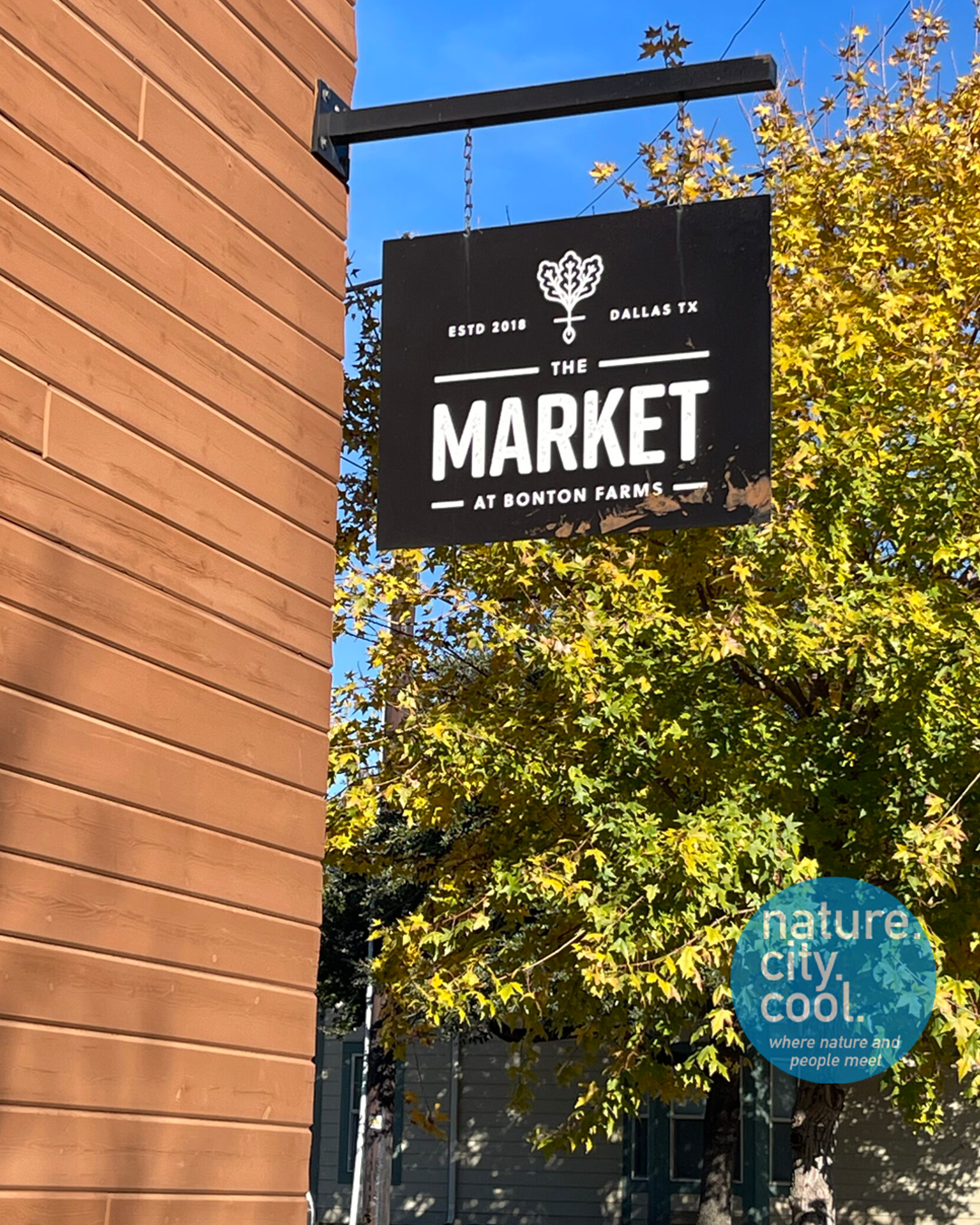
A market and café bring small business development and income to local residents
Local gardens are often treated as a small-scale initiative.
But the pattern seen across many diverse communities suggests something bigger.
When gardens intersect with circular use of materials, public health, economic opportunity, and social connection, they serve as urban resilience infrastructure.
This is the kind of pattern planners, designers, and civic leaders recognize as making a difference in their communities.
At nature.city.cool, we are collecting stories and lessons from people and places using these systems to become more cool and increasingly sustainable.
______________________________________________________
Resources
American Community Gardening Association
Bonton Farms
Canadian Food Studies
Cognitive Market Research
Dallas County Master Gardener Association
Ecoforms
Garden Pals
Gardening Know How
MDPI (International Journal of Environmental Research and Public Health)
National Library of Medicine
New York City Department of Parks & Recreation
One New Humanity
Public Health Law & Policy
San Francisco Recreation & Parks
JOIN OTHERS WHO ARE SHARING THEIR STORIES
Share insights from your experiences of designing, enhancing and transforming cool sustainable places.
Project Details
- Project TypeUrban Agriculture and Community Gardens