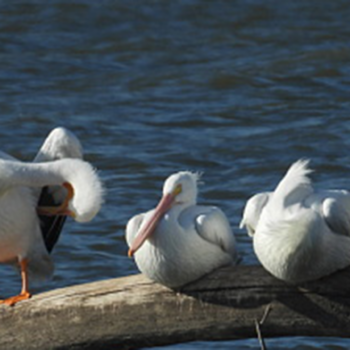

Project Description

Minggre Village’s Ecotourism Vision
As global agriculture has consolidated and scaled, many rural economies have lost both ecological diversity and economic resilience. An alternative model—nature-based tourism—has emerged by aligning livelihoods with local ecology and culture.
Minggre Village
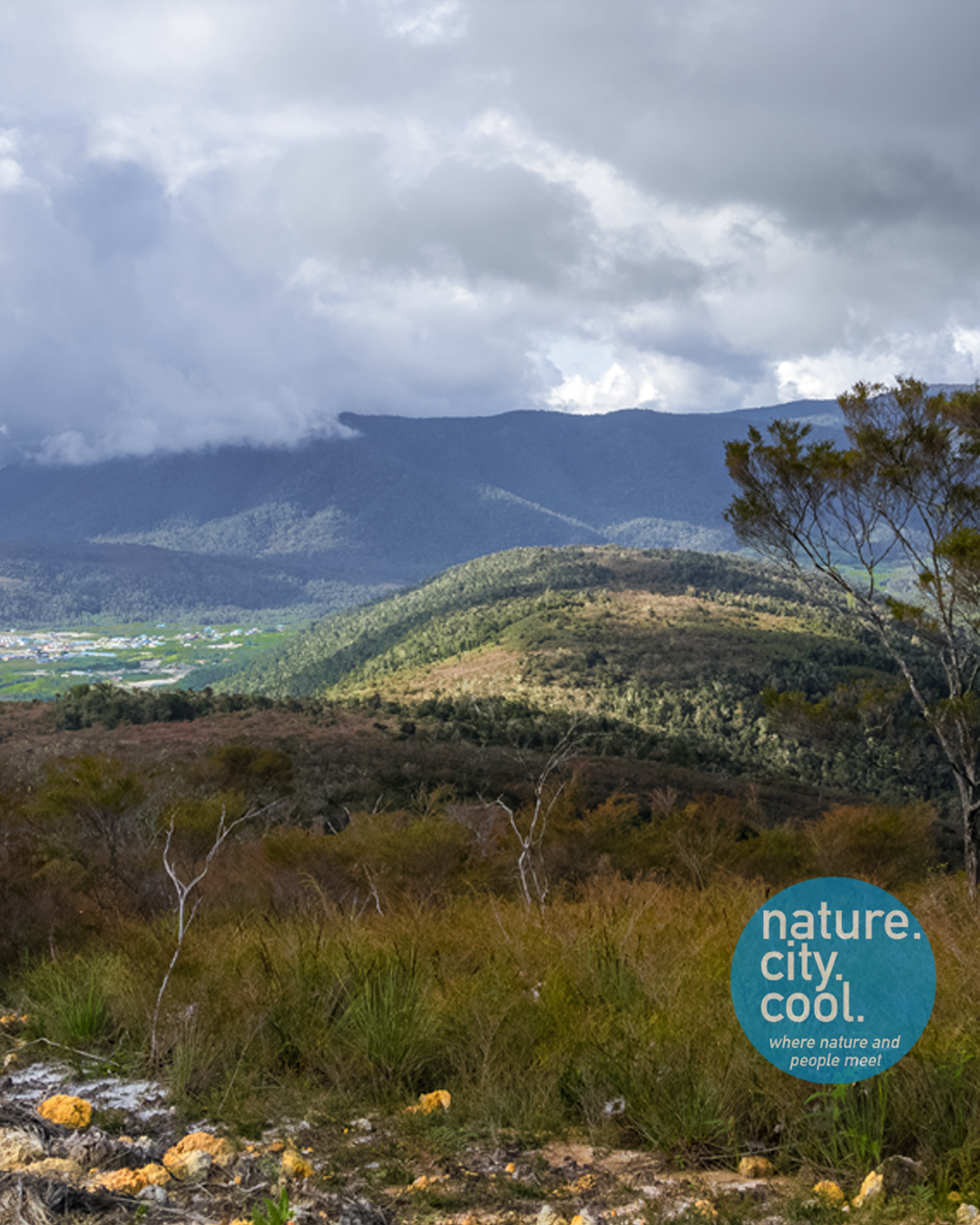
Indonesia’s West Papua province
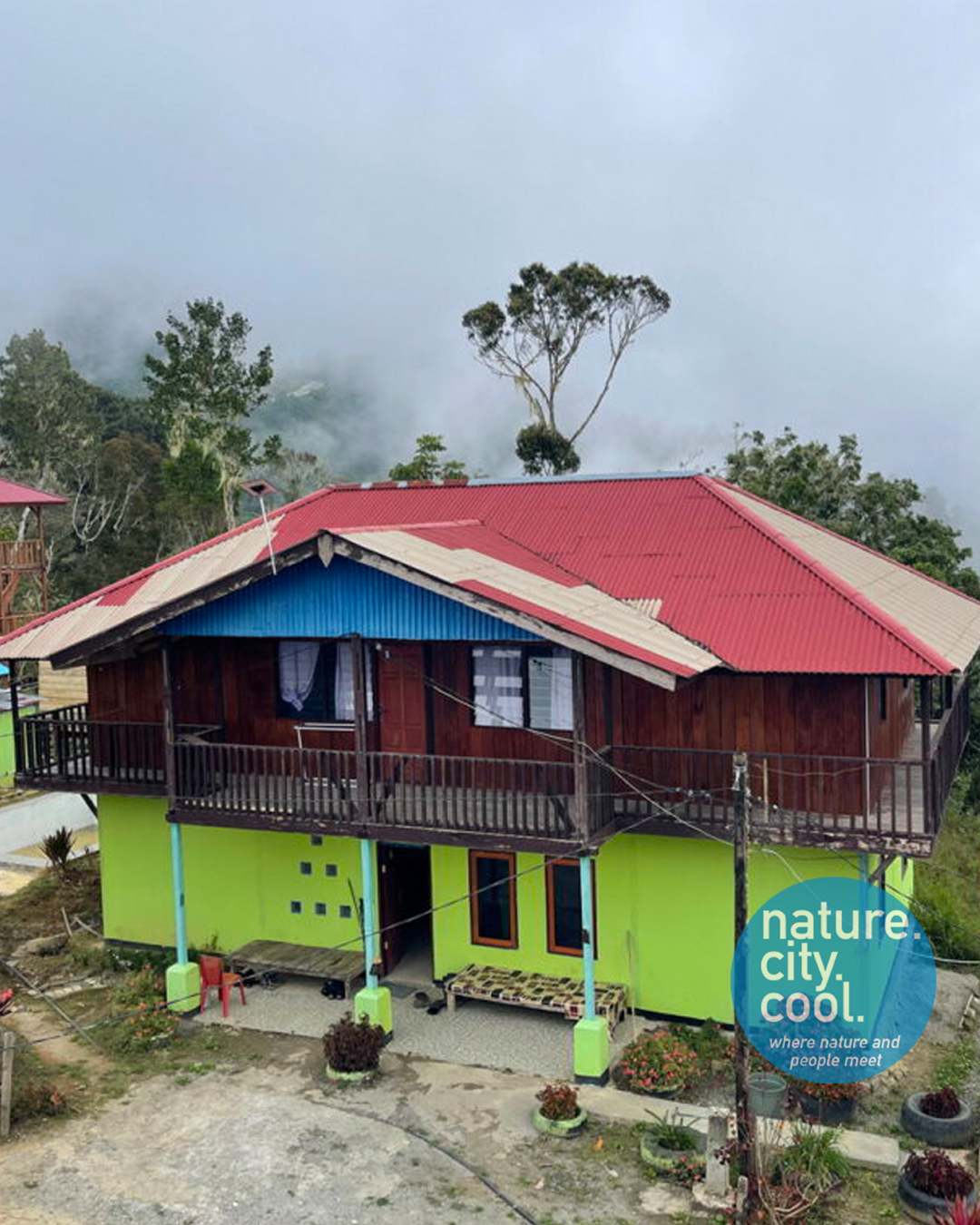
Minggre village
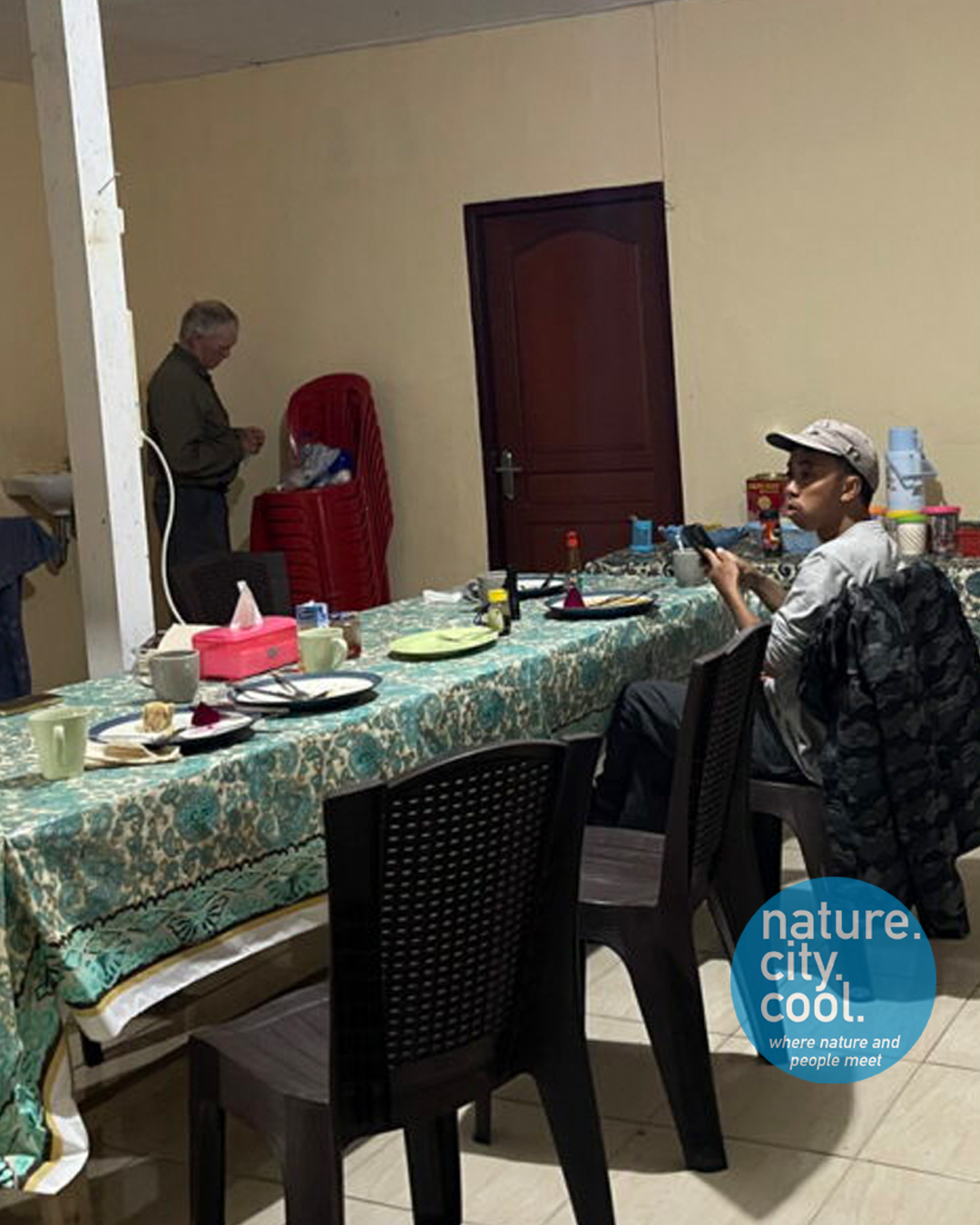
Minggre village Home Stay
In Minggre village, in Indonesia’s West Papua province, ecotourism has become a deliberate economic strategy—one that treats forests and native wildlife not as commodities, but as long-term community assets.
After landing in Manokwari, visitors travel several hours inland into the Arfak Mountains to reach Minggre. There are no resorts. Guests stay in village homes—spaces temporarily given over to visitors as part of participatory, community-based tourism.
Reframing Tourism
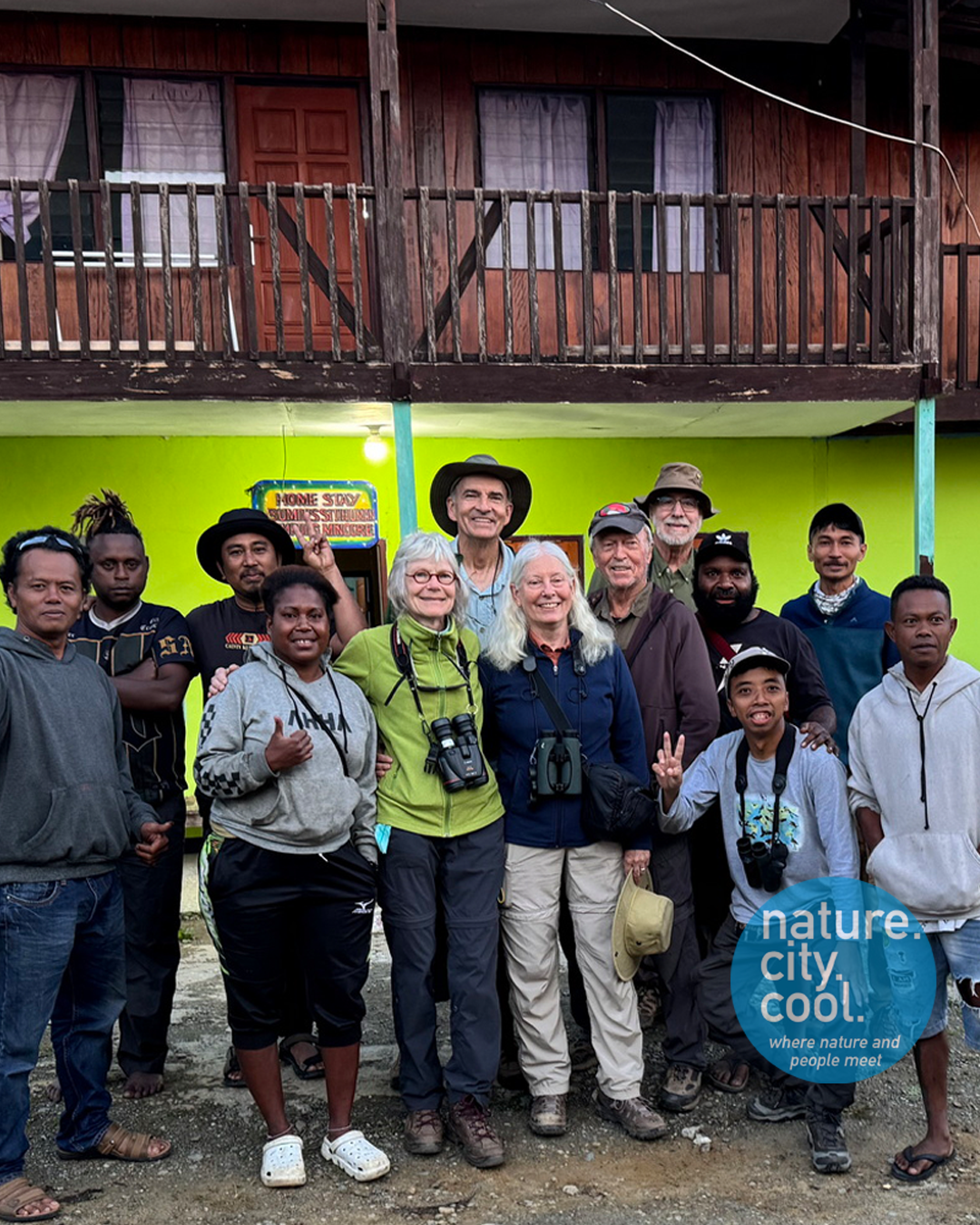
International birders driving ecotourism
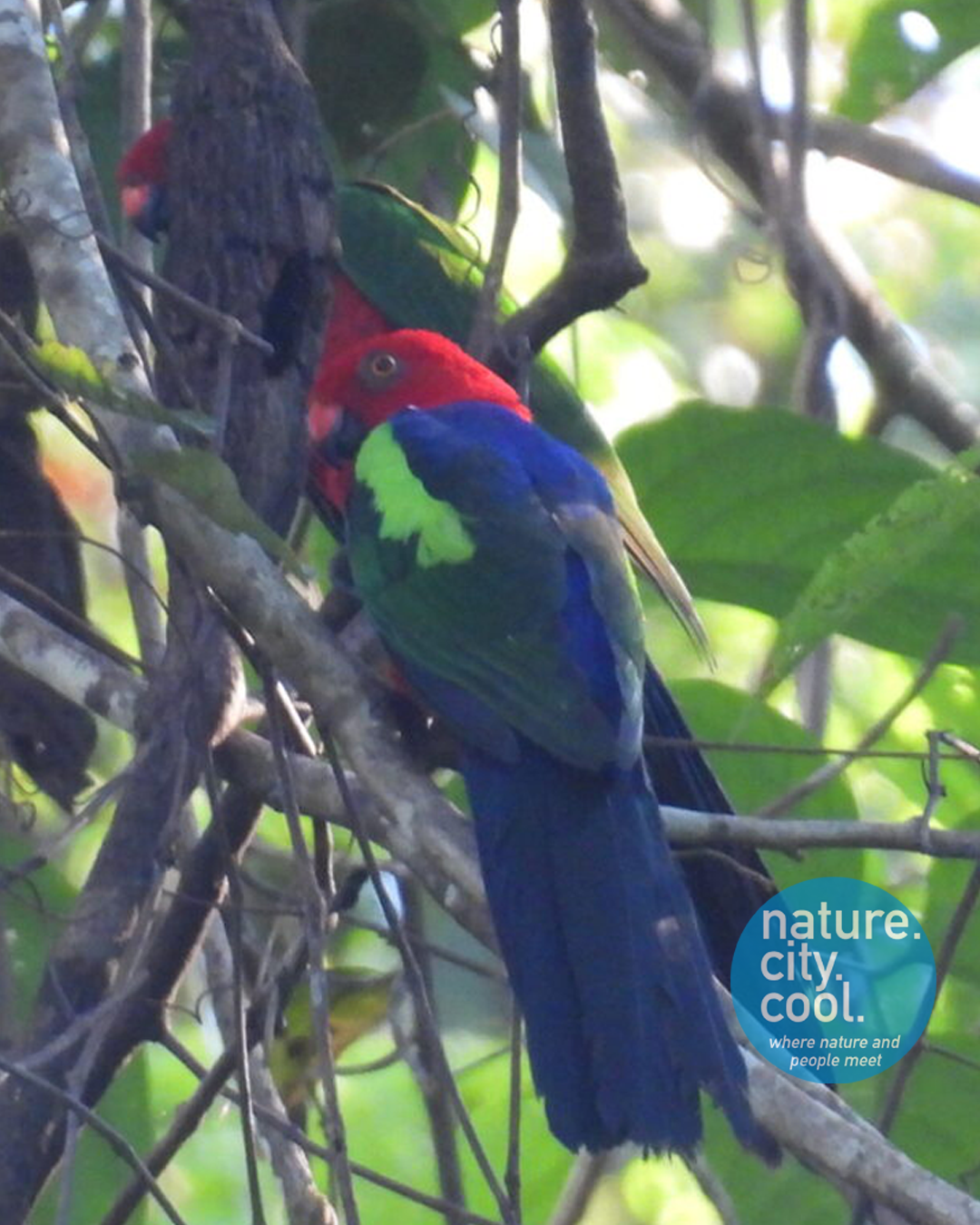
Papuan King Parrot
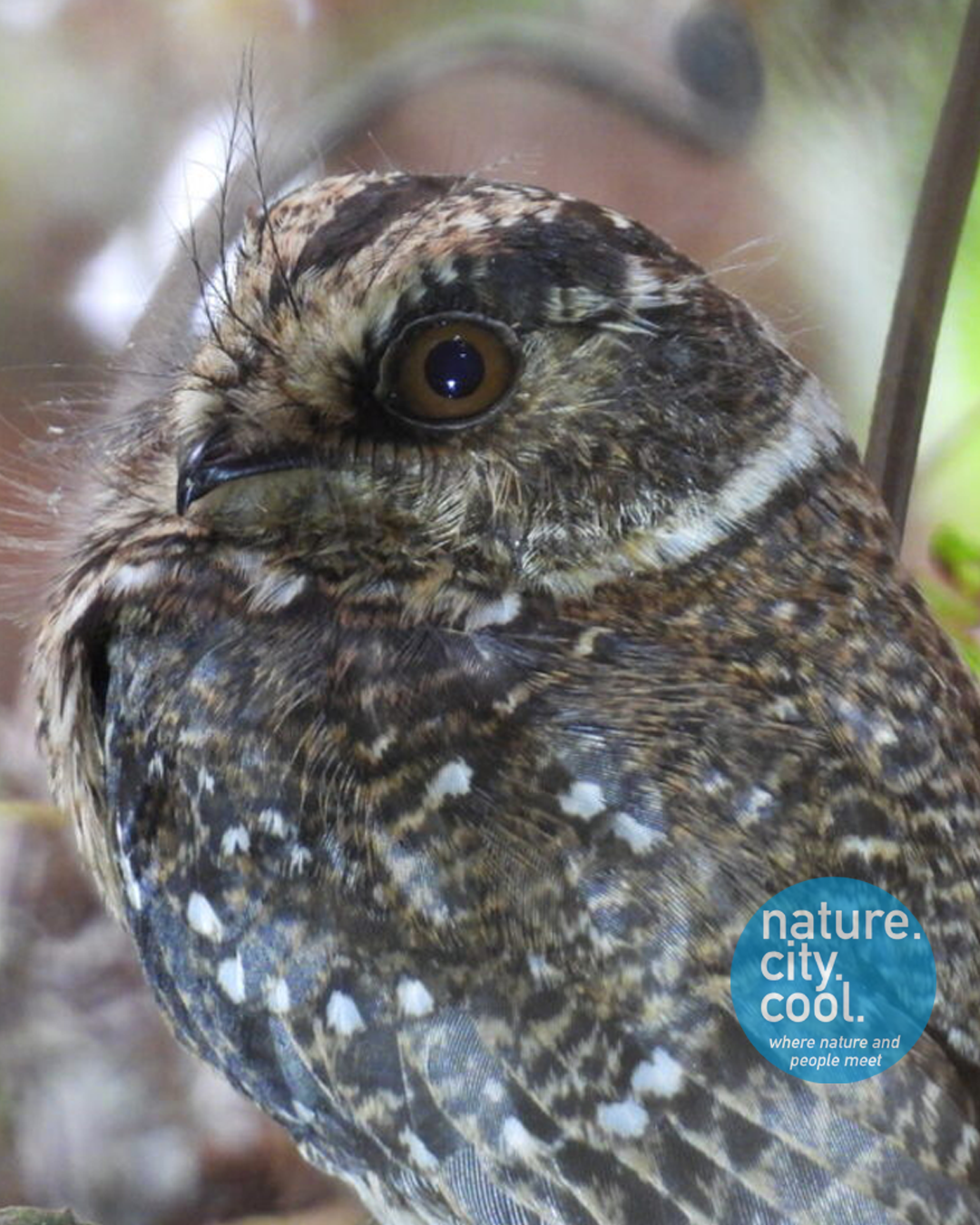
Mountain Owlet-Nightjar
This model reframes tourism from consumption to relationship—and places the community at the center of the experience.
Ecotourism in Minggre supports a diverse local workforce. Residents serve as guides, drivers, hosts, cooks, trail builders, and biodiversity experts—drawing on generational knowledge of forest ecosystems and wildlife.
Elevating Traditional Knowledge
Rather than replacing traditional knowledge, this economic model elevates it.
The villagers of Minggre show how ecotourism can function as economic development, conservation policy, and cultural preservation—all at once. As long as global visitors value intact ecosystems, communities that protect them can benefit directly.


Tell us about that favorite spot. What’s the vibe that makes it so awesome? What’s fueling all that good energy?

Share insights from your experiences of designing, enhancing and transforming cool sustainable places.

Join the conversation. Keep up with the latest new stories, ideas and discussions.