
Project Description

When Infrastructure Evolves into Shared Stewardship
Some of the most successful sustainability assets are the unexpected result of something else. White Rock Lake in Dallas, Texas is an excellent example of shared stewardship. Built in 1911 as critical water infrastructure, it quietly evolved into something valuable in ways that couldn’t have been imagined back then: a shared natural asset that supports ecology, recreation, and community life.
Expanding the role of what already exists.
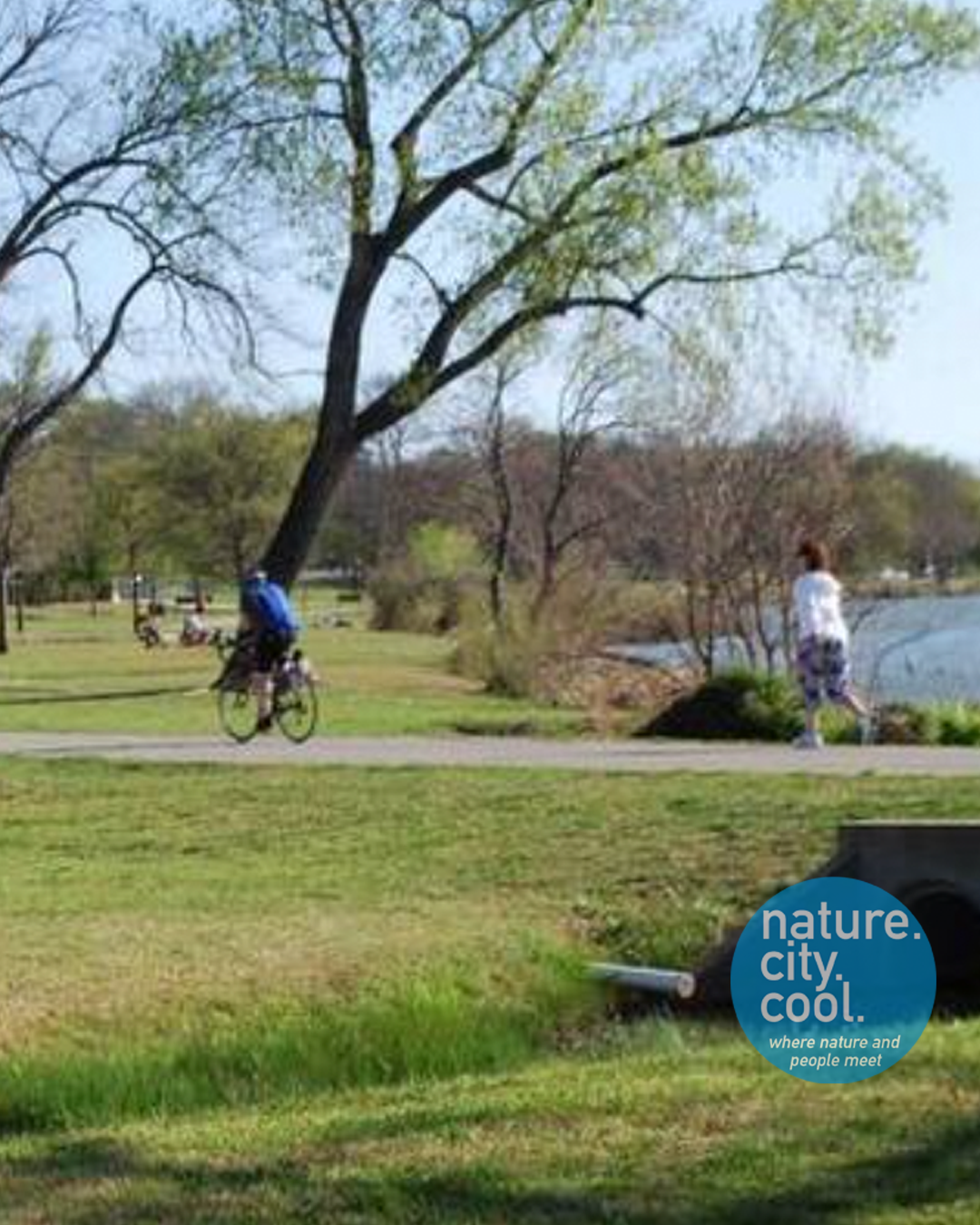
White Rock Lake community
This kind of evolution matters. It reminds us that sustainability isn’t always about building something new—it’s often about recognizing the expanded role of what already exists.
For cities, organizations, and institutions, that shift in perspective is where long-term resilience begins. Some of the most successful sustainability assets are the unexpected result of something else.
White Rock Lake Conservancy Inc, a nonprofit organization, is “dedicated to preserving and enhancing White Rock Lake Park, working in partnership with the Dallas Park and Recreation Department to fund and support critical projects that ensure the park remains a beloved natural resource for the community.”
People come together through nature—and through what it reveals.
What was first created as a critical water infrastructure has evolved into a haven for birds where nature connects to its communities.
Pelicans are wintering at the lake, quietly claiming their place.
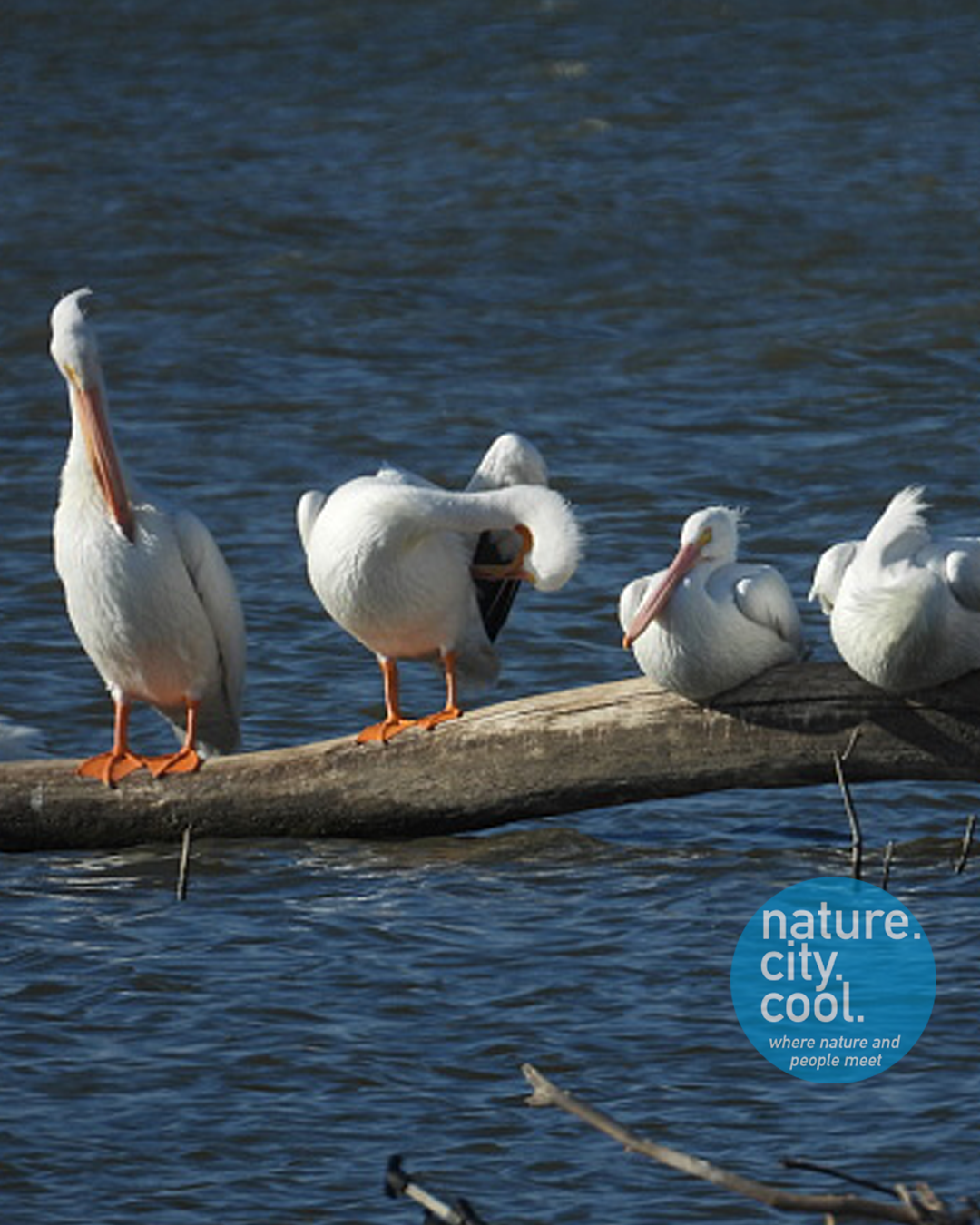
Pelicans wintering at White Rock Lake
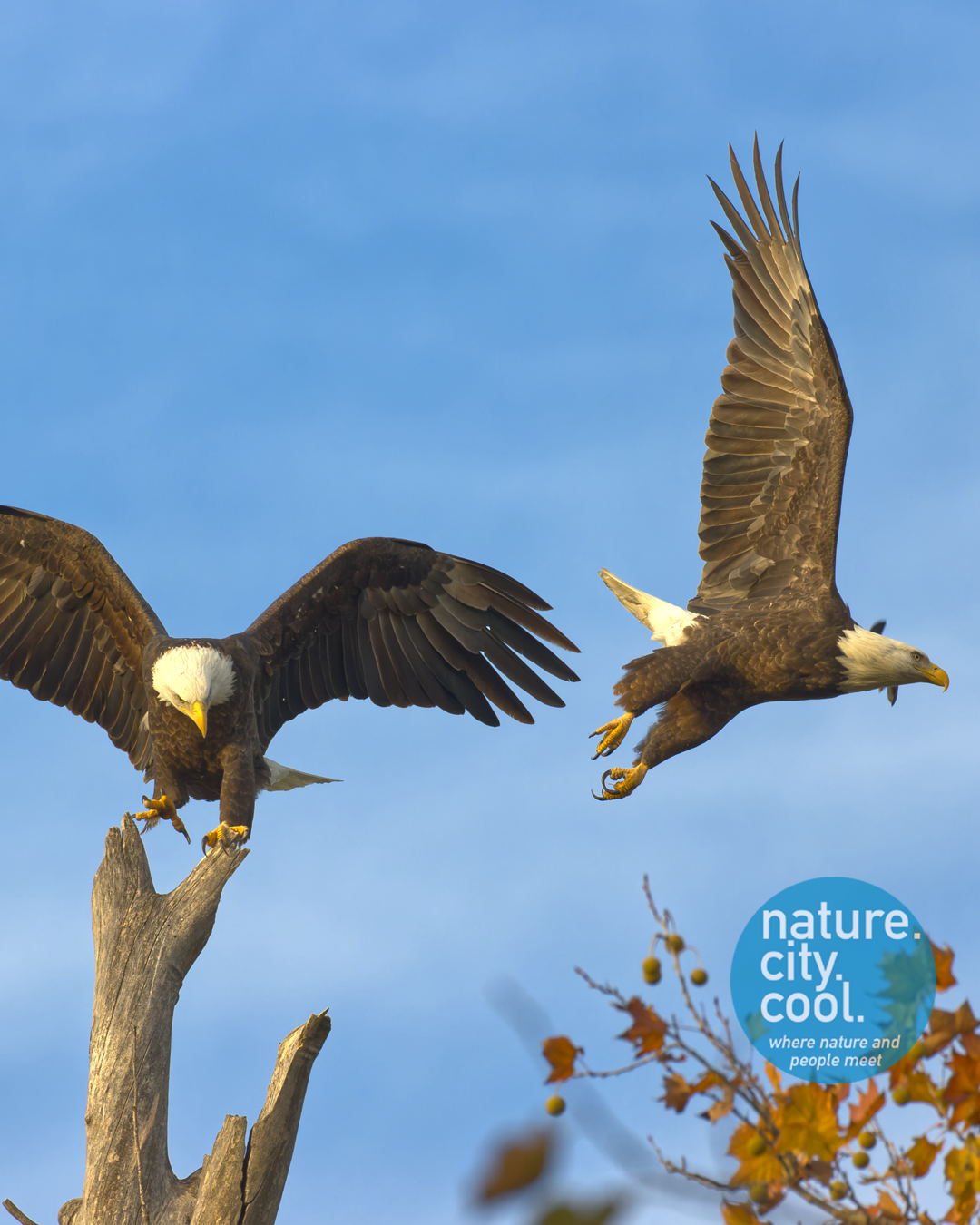
A pair of Bald Eagles – fondly known as Nick and Nora
And in watching them, we are reminded that this park belongs to more than just people. These big, beautiful (and sometimes ungainly) birds draw families, runners, anglers, and first-time visitors into shared moments of wonder.
A pair of Bald Eagles – fondly known as Nick and Nora by their thousands of fans – have nested near the lake for the past few years. They have been active in these early days of 2026 and are working on improvements to their nest. You may not always see them when you visit the lake but you can always see what they’re up to by visiting their Facebook page.
These birds are one of the easiest ways for people to connect with the reality that the park they enjoy is also home to other beautiful, natural creatures. This is sustainability at the human scale. Not policy. Not reports. But daily, emotional proof that nature and community are intertwined.
When local stewardship contributes to global insight, sustainability gains scale.
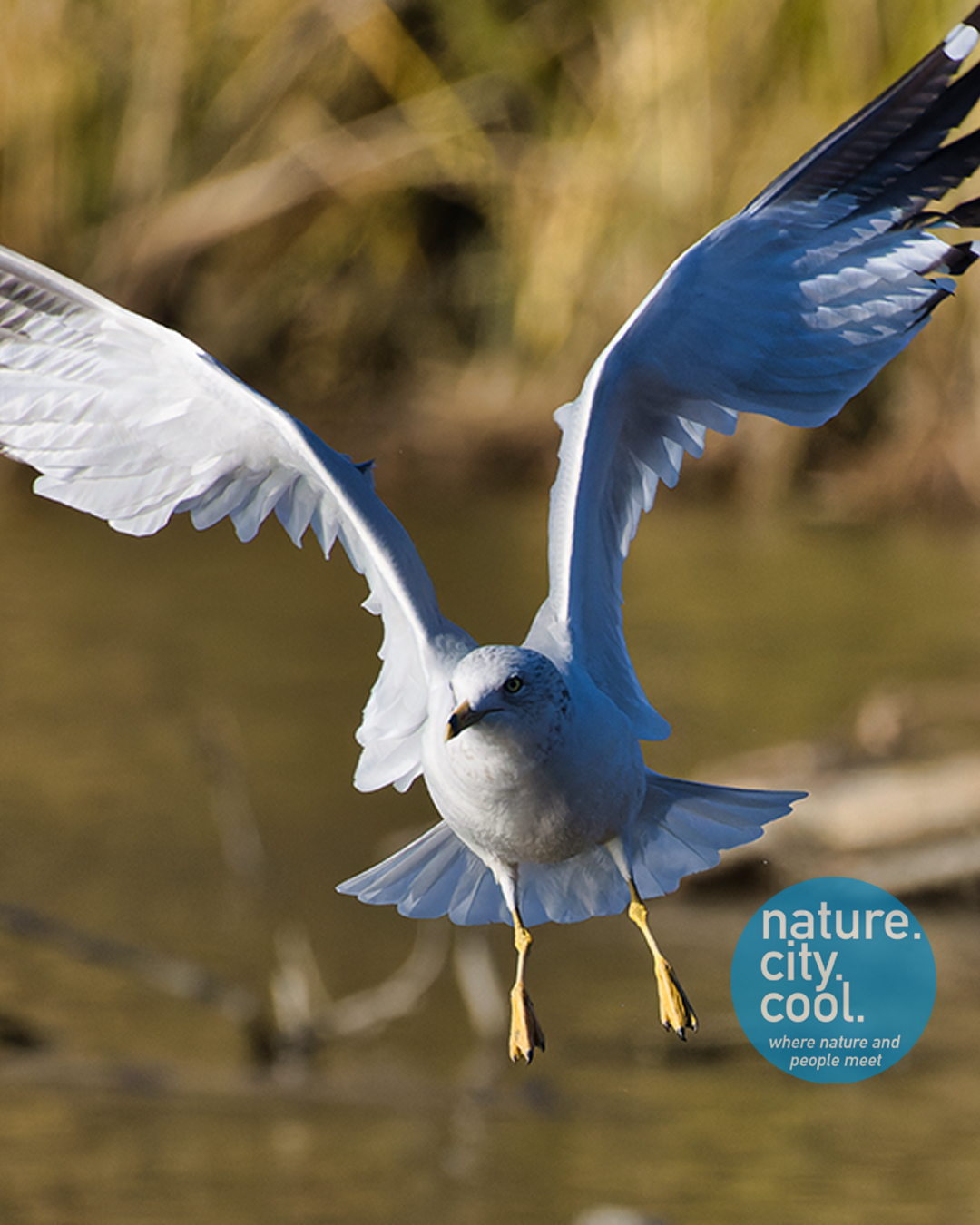
eBird has defined many hotspots at White Rock Lake
At White Rock Lake, sustainability extends far beyond the shoreline through participation in eBird, an international citizen science initiative led by the Cornell Lab of Ornithology.
Within eBird, hotspots are publicly defined locations around the world where observers record what they see, building a shared, long-term picture of environmental conditions.
White Rock Lake includes many of these hotspots. The most active—White Rock Lake and Old Fish Hatchery—has documented 298 bird species in this single location. In just the first days of 2026, dozens of observers have recorded more than seventy species, contributing to a global database used for research on habitats, migration, and environmental change worldwide. bit.ly/WRLeBird
This is how sustainability operates at scale—not only through infrastructure or policy, but through shared stewardship that makes environmental systems visible, measurable, and valued over time.


Tell us about that favorite spot. What’s the vibe that makes it so awesome? What’s fueling all that good energy?

Share insights from your experiences of designing, enhancing and transforming cool sustainable places.

Join the conversation. Keep up with the latest new stories, ideas and discussions.